Marjoram brings a warm, delicate flavor and fragrant foliage to home gardens and sunny kitchen windowsills. Known botanically as Origanum majorana, this tender aromatic herb is one of the easiest herbs to grow once you understand its warmth and moisture requirements. Whether you start seeds in early spring or plant nursery starts, when you learn how to grow marjoram, you are rewarded with an abundant supply of fresh leaves for savory cooking all season long.
The crop belongs to the mint family (Lamiaceae) alongside culinary favorites like basil, rosemary, and thyme. While oregano carries a pungent, sharp bite, marjoram offers a gentler, floral note with hints of citrus and pine. If you are planning an outdoor herb garden or expanding your culinary herb collection, growing marjoram in your garden deserves a dedicated spot in your planting plan.
Understanding Marjoram Species and How Plants Grow Well
Before you begin planting, it helps to understand how these plants develop. The species is a tender perennial native to the Mediterranean region. In USDA hardiness zones 9 and 10, marjoram will grow as a short-lived evergreen perennial. In cooler zones, gardeners grow it as an annual because it cannot tolerate freezing temperatures.
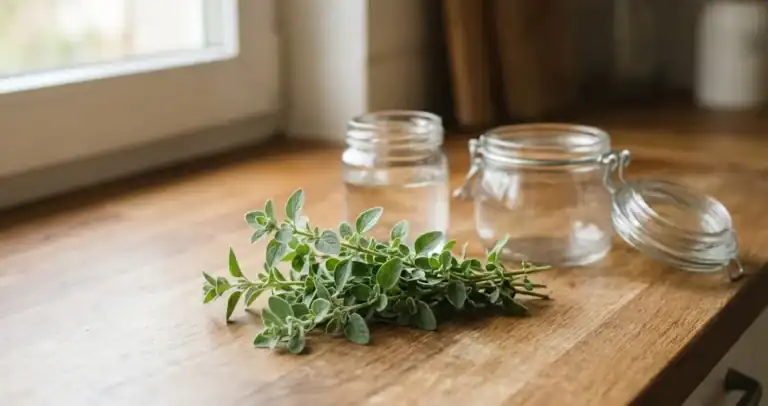
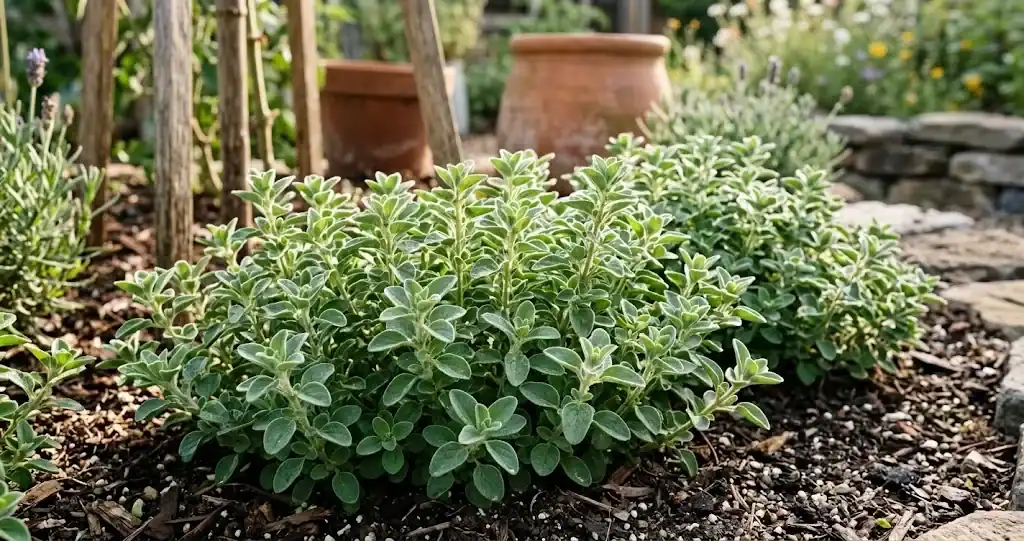
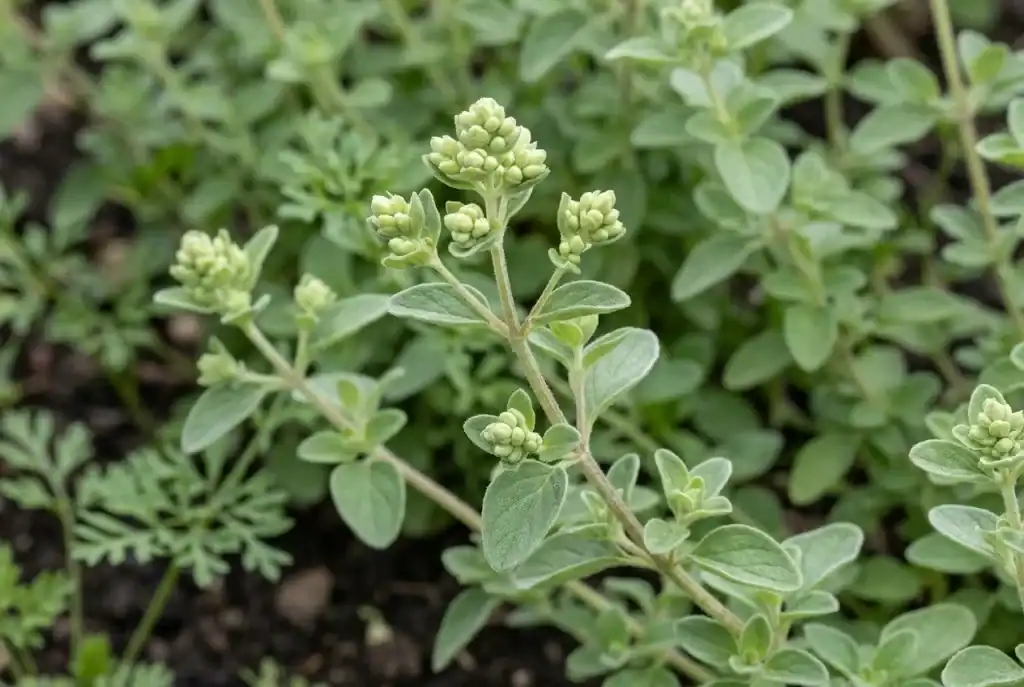
Under favorable growing conditions, the marjoram plant forms a low mound 12 to 24 inches tall, with small, grayish-green, oval leaves covered in fine hairs. This compact habit makes it a lovely edging plant along garden borders or raised beds. In midsummer, small white or pale pink flower buds appear on tight spikelets that resemble tiny knotted clusters.
Botanists classify several distinct species within this culinary group:
- Sweet Marjoram: The primary culinary herb prized for mild, sweet flavor in delicate dishes.
- Pot Marjoram (O. onites): A hardy perennial with an earthy flavor intermediate between marjoram and oregano.
- Wild Marjoram (O. vulgare): The common European wild species, widely recognized as oregano.
Ideal Soil and Sun Requirements for Growing Marjoram
To help plants thrive, select a planting site that receives full sun. The herb thrives in full sun, requiring at least six to eight hours of direct sunlight daily to produce vigorous foliage and rich essential oils.
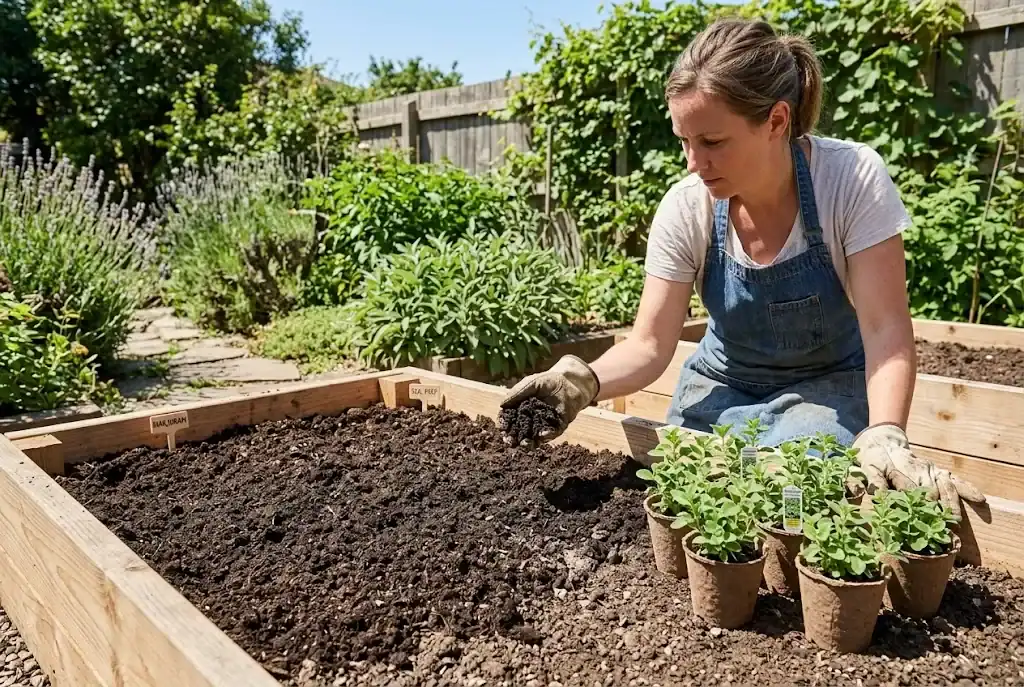
Soil quality is equally critical. For successful marjoram cultivation, the crop requires well-drained soil with a pH of 6.7 to 7.0. Heavy clay soils retain excess moisture around roots, leading to rot. To prepare your site, loosen the ground to a depth of eight inches and incorporate organic compost. If your ground drains slowly, plant in raised beds or sloping mounds to ensure proper drainage.
How to Propagate Marjoram from Seed and Cuttings
Gardeners can start marjoram from seed or propagate established plants from cuttings. Both methods are straightforward and rewarding.
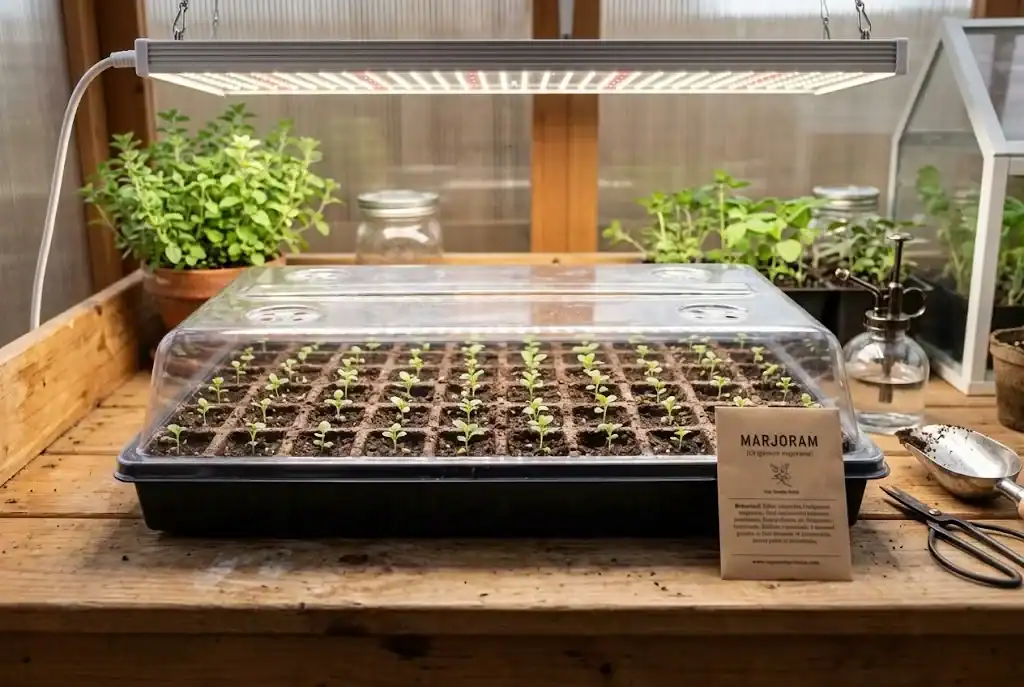
How to Start Seeds Indoors
Because seeds are tiny and germinate slowly, starting seeds early gives plants a head start on the growing season. Start marjoram seeds indoors 6 to 8 weeks before your area’s average last spring frost date.
- Fill a seed-starting tray with moist, sterile potting mix.
- Sow seeds lightly across the surface. Press them gently into the mix and dust lightly with vermiculite, as seeds need light to germinate.
- Mist the soil surface with water using a spray bottle to keep it evenly damp.
- Cover the flat with a clear humidity dome and place it in a warm area between 65 and 70 degrees Fahrenheit.
- Seedlings typically emerge within 10 to 14 days. Once green shoots appear, remove the dome and place the tray under grow lights.
- When each seedling produces two sets of true leaves and is large enough to handle, thin them into individual pots to develop sturdy roots.
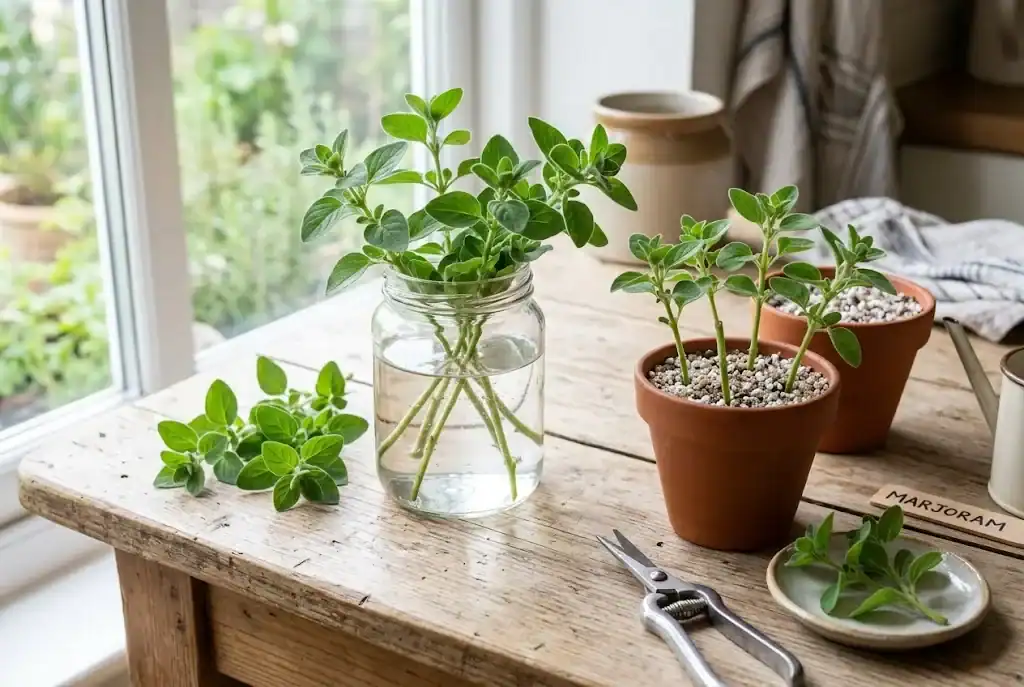
Propagating from Stem Cuttings
You can also take cuttings from vigorous plants in late spring. Snip a four-inch stem cutting just below a leaf node. Strip leaves from the bottom two inches and place the bare stem into moist sand, perlite, or potting mix. Plants grown from cuttings develop roots within three to four weeks, after which you can transplant the young start into its permanent position.
Transplanting, Caring for Marjoram, and Pot Culture
Wait until all danger of frost has passed in late spring and nighttime temperatures stay consistently above 50 degrees Fahrenheit before moving young starts outside.
Harden off seedlings over 7 to 10 days by exposing them to outdoor conditions for a few hours daily. Protect young marjoram starts from harsh winds during this transition. Space plants 12 to 18 inches apart. This spacing allows ample air circulation, preventing mildew and fungal problems.
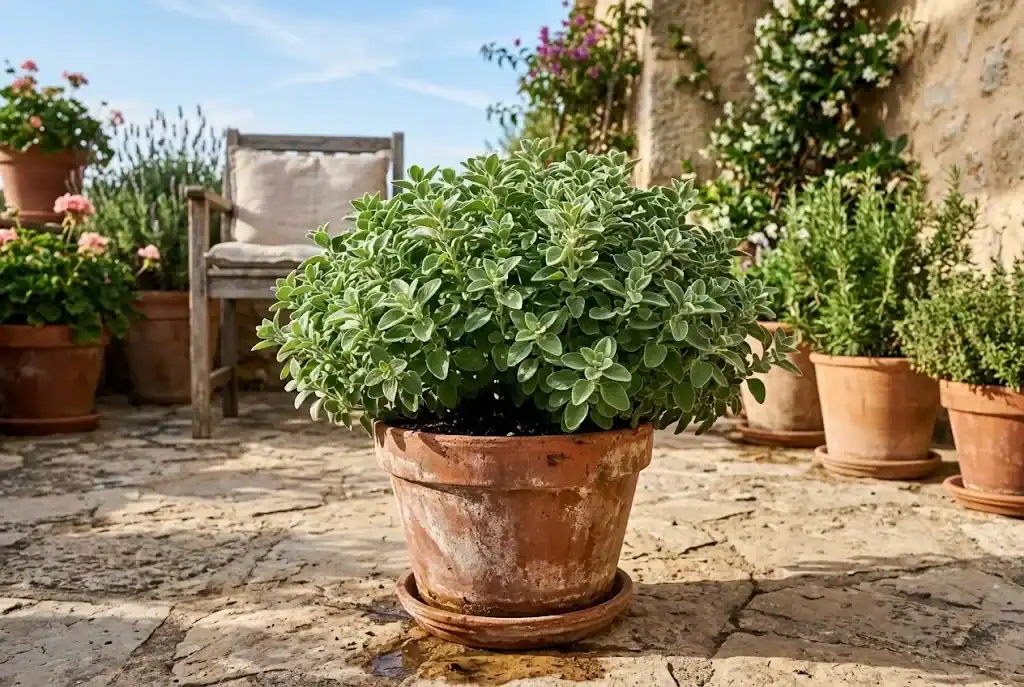
Growing in Pots and Patio Planters
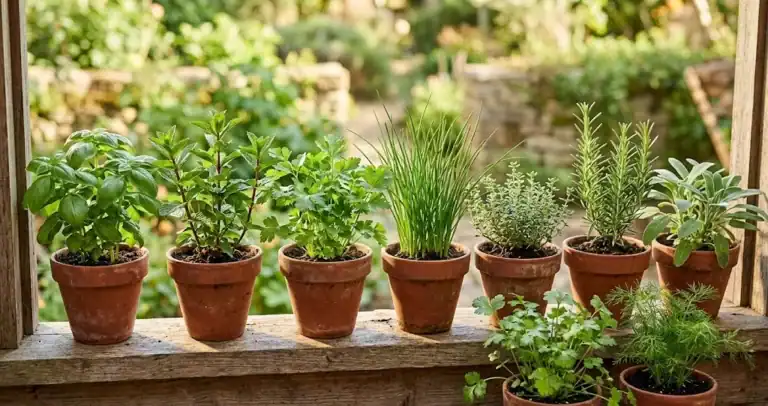
Marjoram grows well in containers, making it a wonderful choice for balconies, decks, and sunny porches. Choose a pot or container with a diameter of at least 8 to 10 inches with bottom drainage holes. Unglazed terra cotta pots work especially well because porous clay walls allow moisture to evaporate cleanly.
Fill the container with lightweight potting mix blended with perlite or coarse sand. You can also grow indoors on a bright south-facing windowsill. An outdoor potted plant can easily be moved inside before autumn frosts to prolong your harvest.
Watering and Nutrient Management
Water plants moderately throughout the season. Allow the top inch of soil to dry out between waterings, then soak the root zone thoroughly. The crop tolerates brief dry spells once established, but extended drought reduces leaf yield.
Avoid heavy applications of fertilizer. High-nitrogen plant food encourages rapid, watery growth with diluted essential oils. Feed potted plants once a month with diluted organic fish emulsion or liquid kelp. In garden beds amended with organic matter, extra plant food is rarely necessary.
Pest and Disease Management
While the herb is easy to manage, dry indoor air or crowded beds can attract spider mites or aphids. Inspect the undersides of leaves periodically. Rinse foliage with a brisk stream of water or spray with organic insecticidal soap. Avoid overhead watering late in the day to prevent powdery mildew.
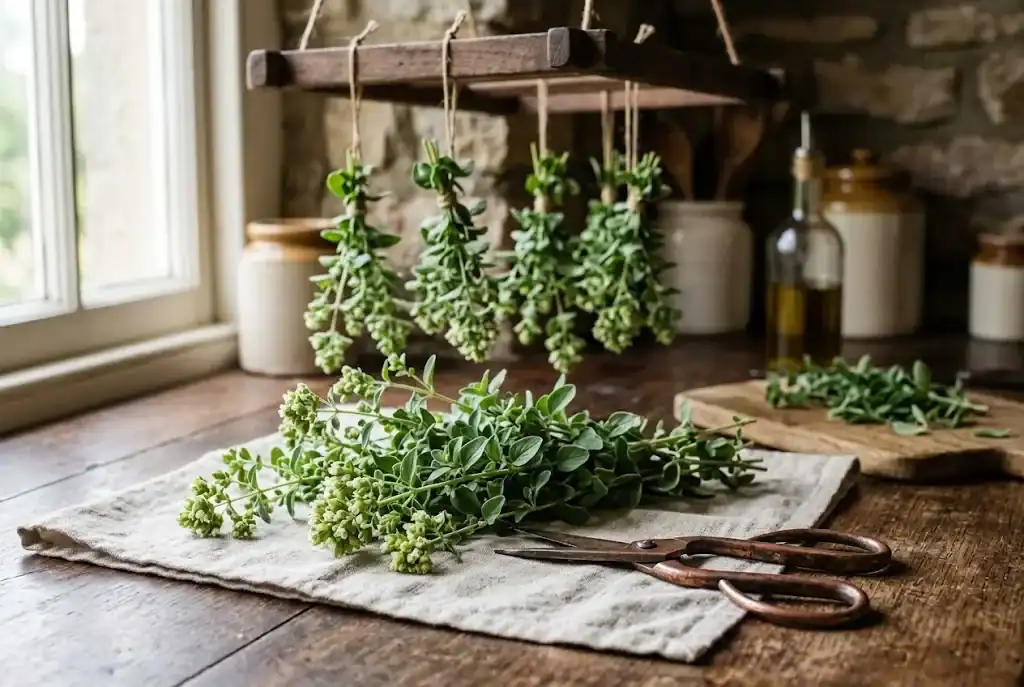
How to Harvest Marjoram and Encourage Bushy Growth
You can begin harvesting when plants reach about six to eight inches in height. For the highest concentration of aromatic oils, harvest marjoram in the morning after dew has dried. Horticultural guidance from the University of Illinois Extension notes that essential oils peak in plants when each flower bud begins to form on stem tips, just prior to blossoming.
Use clean kitchen shears to snip tender stems, leaving at least two inches of growth at the base so the plant can regenerate. Regularly pinching stem tips promotes dense branching and prevents stems from becoming woody.
Rinse cut sprigs under cool water and pat dry. Fresh marjoram leaves keep in the refrigerator wrapped in a damp paper towel for up to a week. For long-term preservation, see our guide on how to store marjoram by drying stems or freezing chopped leaves in oil cubes.
Culinary Uses for Fresh or Dried Marjoram
Marjoram is used across a wide variety of savory Mediterranean and European dishes. Its warm, woodsy, citrusy profile makes it an essential ingredient in poultry seasonings, sausage blends, tomato sauces, and vegetable soups.
Both fresh or dried leaves enhance roasted meats, pork, lamb, potatoes, and egg dishes. Because leaves contain delicate essential oils that dissipate under prolonged heat, add fresh leaves toward the end of cooking to preserve their fragrance. To explore delicious recipe ideas, read our guide on using and cooking with sweet marjoram.
Frequently Asked Questions About Marjoram Growing
Is marjoram easy to grow for beginners?
Yes, the herb is simple to cultivate. It requires minimal plant food, tolerates brief dry spells, and produces generous harvests in garden beds or patio pots.
Can you grow marjoram and oregano together in the same bed?
Yes, marjoram and oregano share similar sunlight, soil, and watering needs. Provide adequate spacing so both plants receive good air circulation and room to spread.
How do you overwinter marjoram in cold climates?
In cold regions, bring potted plants inside before the first autumn freeze. Place them in a sunny window and water sparingly when soil feels dry until warm spring weather returns.