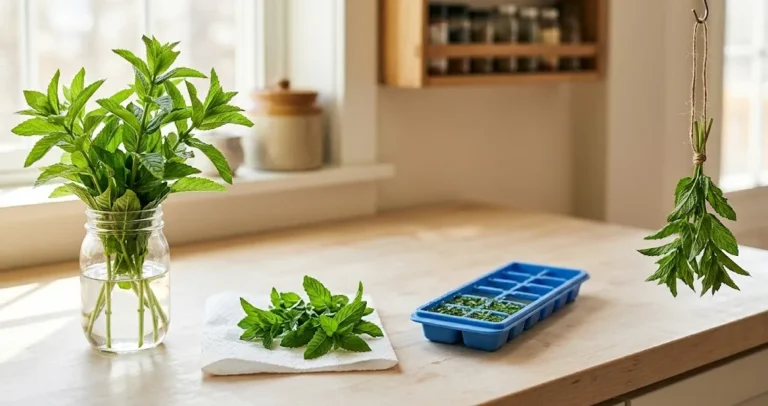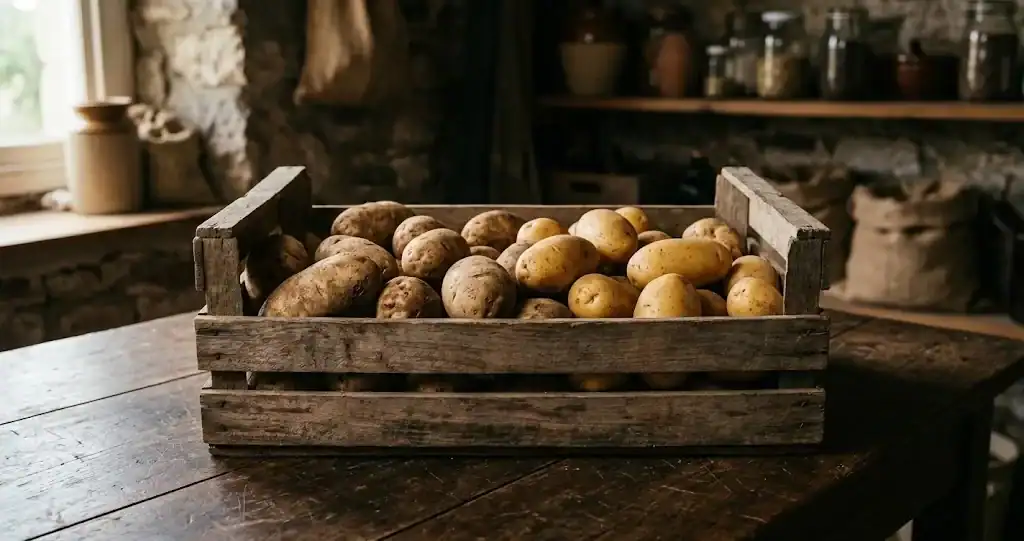
Harvesting garden spuds or preparing a fresh tater tot batch brings real satisfaction to any home kitchen. Yet preserving that garden harvest and keeping store-bought bags in peak condition requires different storage techniques depending on whether you handle raw tubers or pre-cooked favorites. Whether you want to cure fresh russet potatoes, prevent freezer burn on frozen tots, or rescue leftover casserole portions, proper storage conditions protect both texture and flavor.
Every home cook knows the disappointment of biting into a soggy, thawed bite when expecting crispness. Storing potatoes correctly keeps them firm and prevents premature spoilage, while proper freezing methods lock in quality for months. This guide explains how to cure and keep potatoes in dark, cool storage, how to freeze both raw shreds and cooked tater tots, and how to reheat them for best results.
Essential Storage Conditions for Fresh Garden Taters
Freshly dug tubers carry high surface moisture that encourages bacterial decay if packed away immediately. Before storing your garden harvest, check that the skins have set properly by reviewing how to harvest tater at the right stage. Immature tubers with delicate, peeling jackets must be cured in a dark, humid space for ten to fourteen days at moderate temp levels before long-term pantry storage.
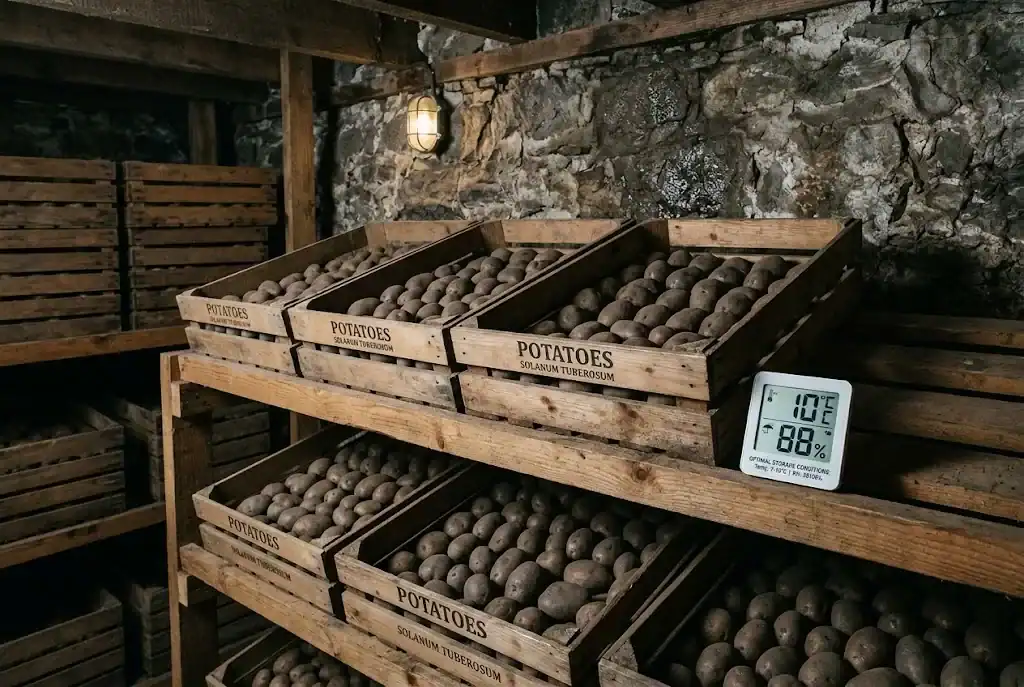
Once cured, whole raw tubers require a cool, well-ventilated, dry place protected from sunlight. Direct light triggers chlorophyll synthesis, producing green discoloration with a slightly bitter taste. Ideal storage conditions stay between 45°F and 55°F, and temperatures should stay well below 18°C where sprouting rapidly accelerates.
Never store raw tubers in a standard domestic refrigerator. Cold temperatures below 40°F cause potato starch to convert into simple sugars, a process known as cold sweetening. This excess sugar darkens the flesh prematurely during frying or roasting and produces an off-putting sweet note. For broader garden preservation principles, consult our core guide on how to harvest herbs and garden produce to master seasonal curing techniques.
Freezing Homemade and Store-Bought Tater Tots
When preserving grated potatoes for a homemade tater tot recipe or latkes, you cannot simply toss raw shreds directly into cold storage. Raw grated spuds turn an unappealing gray from enzyme oxidation and release excess moisture that leads to sogginess during cooking. Par-cooking the shredded potato by blanching or gentle steaming deactivates polyphenol oxidase enzymes, preserving bright color and natural potato flavor.
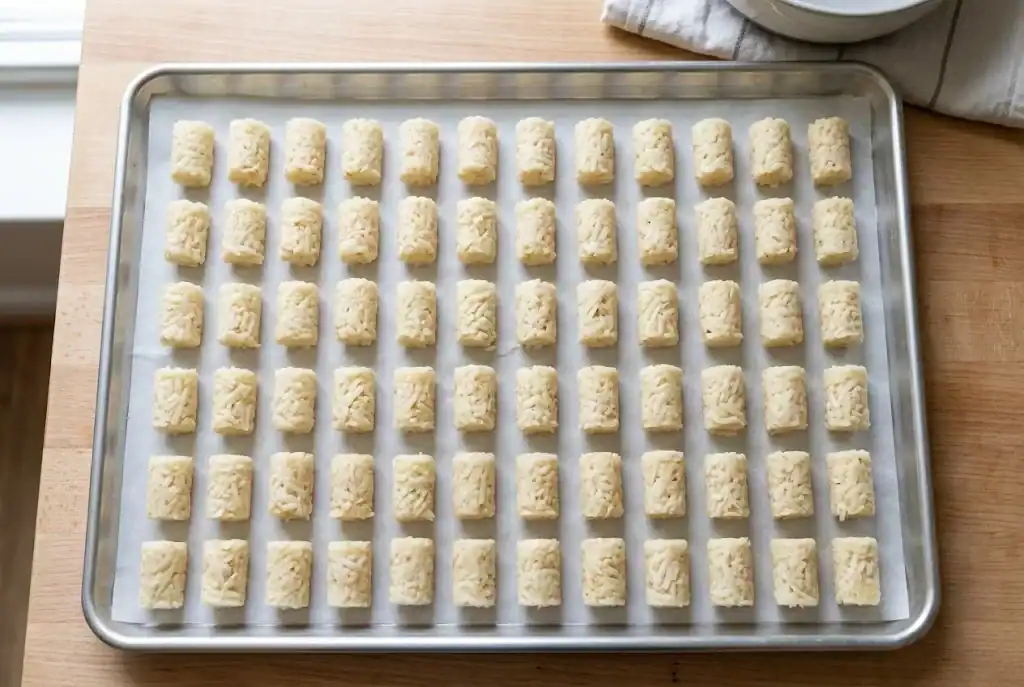
To make a homemade frozen tater tot batch from scratch, begin with high-starch russet or yukon gold varieties. Peel, par-boil, and grate the tubers onto a clean towel to squeeze out excess liquid. Toss the shreds with a pinch of onion powder, salt and pepper, and shape them into bite-sized cylinders. Arrange the shaped nuggets in a single layer on a baking sheet lined with parchment paper, ensuring they do not touch.
Flash-freeze the tray until each tater tot is firm and solid, typically two to three hours. Transfer the frozen tots into a heavy-duty freezer bag, press out lingering air, and seal tightly. This two-step method prevents the pieces from clumping into an unmanageable block and allows you to scoop out individual portions whenever comfort food cravings strike.
For commercial store-bought bags, examine the unopened package for large ice chunks before purchase. Heavy ice inside the plastic bag indicates the product thawed during transit and refroze, creating freezer burn and degrading quality. Once opened, fold down the original bag tightly and slide it inside an airtight container or secondary sealed bag to preserve peak freshness.
Storing Cooked Tater Portions and Leftover Sides
Cooked potato dishes require strict temperature control because high moisture content combined with low acidity creates an ideal environment for bacterial growth. Divide leftovers into shallow containers and refrigerate them promptly, within two hours of cooking (or within one hour if the room is above 90°F), per FoodSafety.gov’s guidance on safe leftover handling. Leaving warm potato dishes covered at room temperature lets them linger in the danger zone, and wrapping warm tubers tightly in aluminum foil and leaving them unrefrigerated can present a botulism risk; see the USDA FSIS botulism guidance for details.
Store leftover potato wedges, baked potato halves, and seasoned mash in shallow airtight glass or plastic containers in the refrigerator. When storing a coarse mash, press the surface smooth and seal tightly to prevent discoloration. Consume refrigerated leftovers within three to four days. If you have prepared a large potato hotdish or casserole, divide the dish into single-serving portions before chilling so each container cools rapidly to safe refrigeration temperatures.
When you have extra portions on hand, explore delicious ways to cook with tater portions and casseroles to turn yesterday’s sides into savory skillet hashes and crowd-pleasing bakes without letting good food go to waste.
Reheating Stored Tots for a Crispy Exterior and Fluffy Interior
Restoring crispiness to a chilled tater tot portion depends on dry, circulating heat. Microwaving leftover tots warms them quickly but traps evaporating moisture against the crust, leaving you with limp, oily nuggets. Convection cooking methods evaporate surface humidity so the fat browns the coating into a satisfying crunch.
For the oven method, preheat your appliance to 425°F (218°C). Spread the nuggets across a baking sheet lined with parchment or an ungreased dark pan. Bake for twenty to twenty-five minutes, turning once halfway through, until they emerge crispy and golden brown with a light, fluffy interior. If you desire extra brown color on top, broil for the final sixty seconds while watching carefully to prevent charring.
Using an air fryer delivers the fastest, crunchiest outcome for small servings. Set the fryer temp to 400°F and cook a single-layer batch for ten to twelve minutes, shaking the basket halfway through. The circulating air strips surface moisture rapidly, yielding golden and crunchy nuggets with unbeatable texture. Reheat cooked tater tots directly from cold storage without thawing first, as room-temperature thawing makes the exterior mushy before the heat can crisp it.

Signs of Spoilage: How to Tell When a Tater Has Gone Bad
Knowing when tubers or frozen nuggets have deteriorated protects your household from foodborne illness. Raw potatoes kept in a dark pantry or root cellar gradually lose moisture over several months, eventually becoming soft, wrinkled, and spongy. Small sprouts can be snapped off if the flesh remains firm, but widespread soft rot, wet weeping patches, or foul odors mean the tuber has gone bad and must be discarded.
Green discoloration on potato skin or flesh comes from light exposure. While trimming minor green spots is acceptable on firm tubers, heavily greened spuds taste unpleasantly bitter and should be discarded rather than eaten. Similarly, mold growth appearing along potato eyes or on refrigerated leftovers calls for immediate disposal.
For frozen nuggets, check for telltale signs of freezer burn: dry white or tan patches, heavy frost build-up, and a stale, oxidized aroma. While heavily frosted tots remain technically safe to eat, their dehydrated starch creates a tough, cardboard-like mouthfeel that refuses to crisp. Stored under proper conditions, commercial bags last for months at zero degrees Fahrenheit without losing their authentic potato flavor.
Frequently Asked Questions About Storing Taters
Can you freeze fresh raw potatoes without cooking them first?
Freezing whole raw potatoes is not recommended because raw tubers have high water content. As freezing water expands, it ruptures the delicate cellular walls, leaving the thawed tuber mushy, watery, and dark brown. Blanching or par-cooking shredded spuds before freezing deactivates softening enzymes and locks in firm structure.
How long does a cooked tater tot portion last in the refrigerator?
A cooked tater tot serving stays fresh in an airtight container in the refrigerator for three to four days. To prevent the crust from turning stale or soggy, divide the nuggets into shallow containers and refrigerate them promptly, within two hours of cooking (or within one hour if the room is above 90°F), per FoodSafety.gov’s guidance on safe leftover handling. Reheat in an oven or air fryer rather than a microwave.
What is the best way to store a large crop of garden potatoes?
After curing your crop for two weeks in a dark space at 55°F to 60°F, sort through the tubers and set aside any cut or bruised specimens for immediate eating. Place the sound tubers into wooden crates, burlap sacks, or perforated cardboard boxes in a dark root cellar or unheated basement between 45°F and 50°F with 85% humidity.
Why do frozen tater tots become soggy when cooked?
Soggy tots typically result from overcrowding the baking sheet, using too low an oven temperature, or allowing frozen nuggets to thaw before cooking. Always cook frozen tots directly from the freezer compartment on a preheated pan so surface moisture flashes into steam instantly, producing crispy tater tots every time.