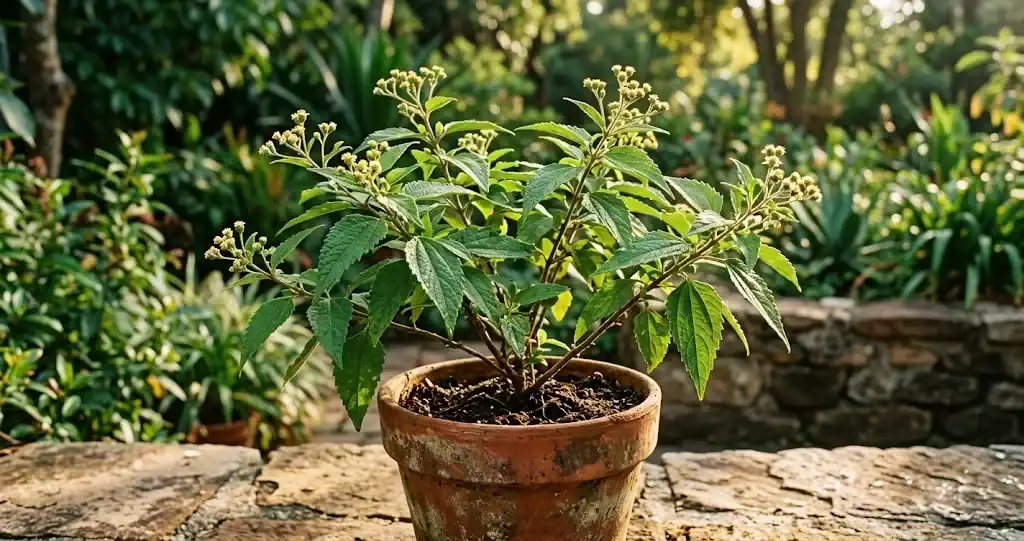
Gardeners interested in rare botanical species and traditional medicinal plants often encounter Calea zacatechichi, widely known as the Aztec dream herb. As a distinctive flowering perennial shrub in the Asteraceae family, the plant is native to Mexico and Central America, where it thrives in warm, sunny scrublands. Known in Nahuatl as zacatechichi or bitter grass, it produces aromatic, intensely bitter foliage and dense clusters of small yellow flower heads.
If you want to grow calea at home, understanding its subtropical origins is the secret to strong growth. In frost-free zones, it develops into a robust outdoor bush reaching three to five feet tall. In colder climates, it adapts readily to container cultivation, allowing growers to shelter it indoors before winter cold sets in.
Understanding Calea zacatechichi and ideal growing conditions
In the wild, Calea zacatechichi, whose accepted botanical name is Calea ternifolia Kunth, grows on open hillsides across Mexico and Central America. Replicating these conditions at home ensures your plant stays vigorous throughout the growing season.
The species requires full sun to light afternoon shade. While mature outdoor shrubs thrive in direct sunlight, potted specimens benefit from gentle protection during extreme midsummer heat. Maintain temperatures between 65 and 85 degrees Fahrenheit during active growth, and protect the plant whenever temperatures drop below 50 degrees Fahrenheit, as it is frost-sensitive.
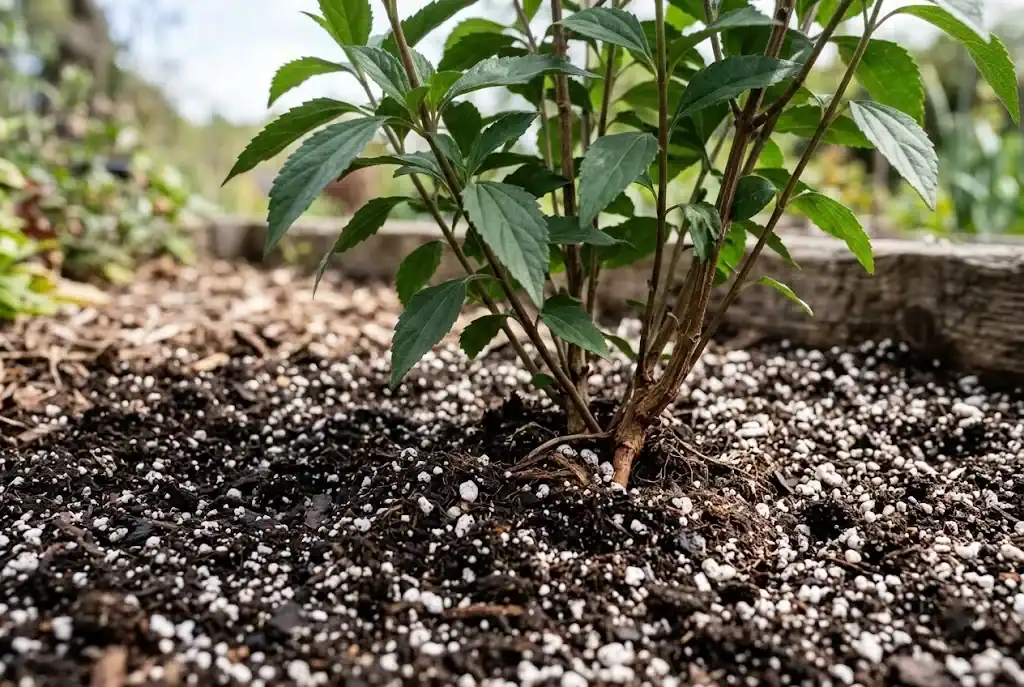
Drainage is essential when preparing planting beds or containers. The root system requires moist soil that drains freely, preventing the waterlogged conditions that lead to root rot. Incorporating coarse sand, perlite, and aged compost creates an airy root zone with a slightly acidic to neutral pH between 6.0 and 7.0. Understanding the fundamental soil requirements for healthy herbs helps you build a balanced potting blend that retains moisture without compacting.
How to propagate calea from cuttings and seeds
Home growers can propagate calea using two main methods: stem cuttings or seeds. While both approaches can succeed, nursery experience shows that vegetative propagation is significantly faster and more reliable.
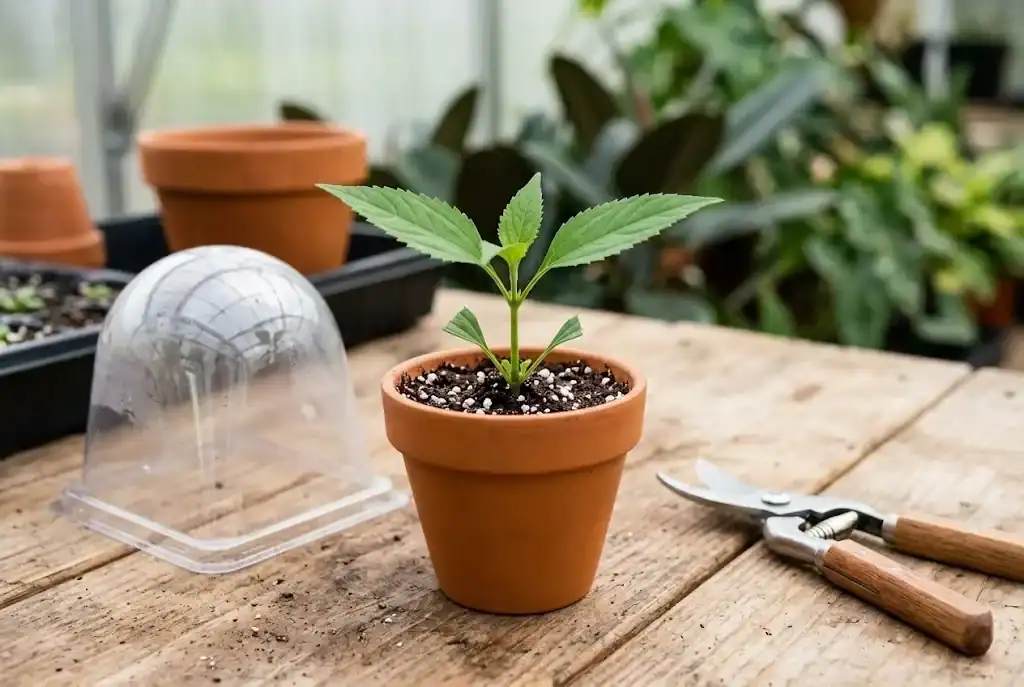
Propagating from a semi-hardwood cutting or healthy stem clone is the most effective approach because seeds have notoriously erratic germination rates. To take a cutting, select a healthy three- to five-inch shoot from vigorous spring or summer growth. Trim just below a leaf node, remove the lower foliage, and place the stem into moist perlite or a light peat-based mix. Placing a clear humidity dome or plastic cover over the pot keeps humidity high while roots develop over two to four weeks.
If you choose to start from seed, prepare a shallow seed tray with sterile seed-starting mix. Sow seeds on the surface and press them lightly into the soil, as they require light to germinate. Mist the surface to keep it damp, maintain warmth around 70 to 75 degrees Fahrenheit, and provide gentle ambient light. Germination often requires three to six weeks of patient moisture management.
Ongoing care, watering, and pruning to help calea thrive
Once established, the plant is relatively low-maintenance if its basic moisture and light needs are met. Water thoroughly whenever the top inch of potting mix feels dry to the touch, reducing frequency during cooler autumn and winter months.
Regular pruning encourages a compact, bushy habit. Pinch the growing tips of young stems early in the season to prevent the plant from becoming leggy or top-heavy. As stems mature and develop woody bases, trim away weak or crowded branches to improve air circulation through the center of the shrub.
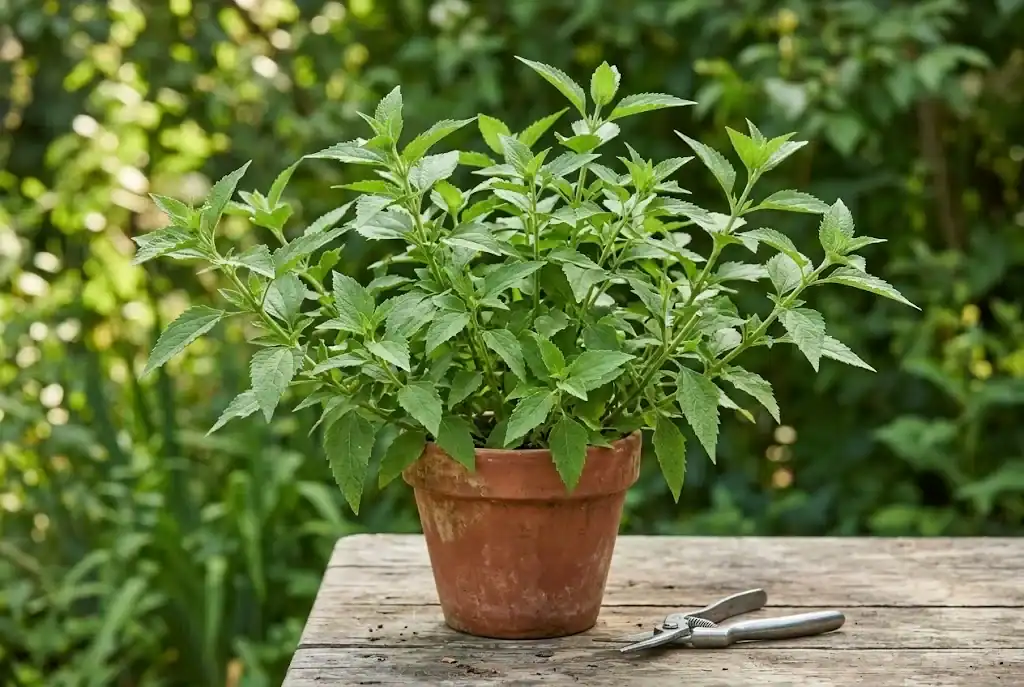
Feed container-grown plants with a balanced, half-strength organic liquid fertilizer once every four weeks during the spring and summer growing season. Avoid heavy nitrogen feeding, which produces lush, weak foliage prone to pests like spider mites and aphids. For gardeners expanding a dedicated garden space, our beginner guide to planning an herb garden provides layout ideas and seasonal schedules.
Traditional uses, phytochemistry, and safety considerations
The cultural history of dream herb spans centuries. Historically, the Chontal people of Oaxaca regarded the plant as an oneirogen, incorporating it into ritual practices and divination to induce vivid dreams. Traditional healers also used infusions of the bitter herb for medicinal purposes, including folk remedies for fever, nausea, diarrhea, and gastrointestinal discomfort.
Modern phytochemistry has identified several bioactive compounds in the plant, including sesquiterpene lactones, germacranolides, and flavonoids that produce its signature bitter taste. In clinical sleep evaluations, researchers including Mayagoitia and colleagues (1986) observed that an extract of the plant produced mild changes in sleep architecture and increased self-reported dream recall. Botanical classifications and ethnopharmacological surveys cataloged by Plants of the World Online (Kew) and Diaz (1979) document these traditional practices across Central America.
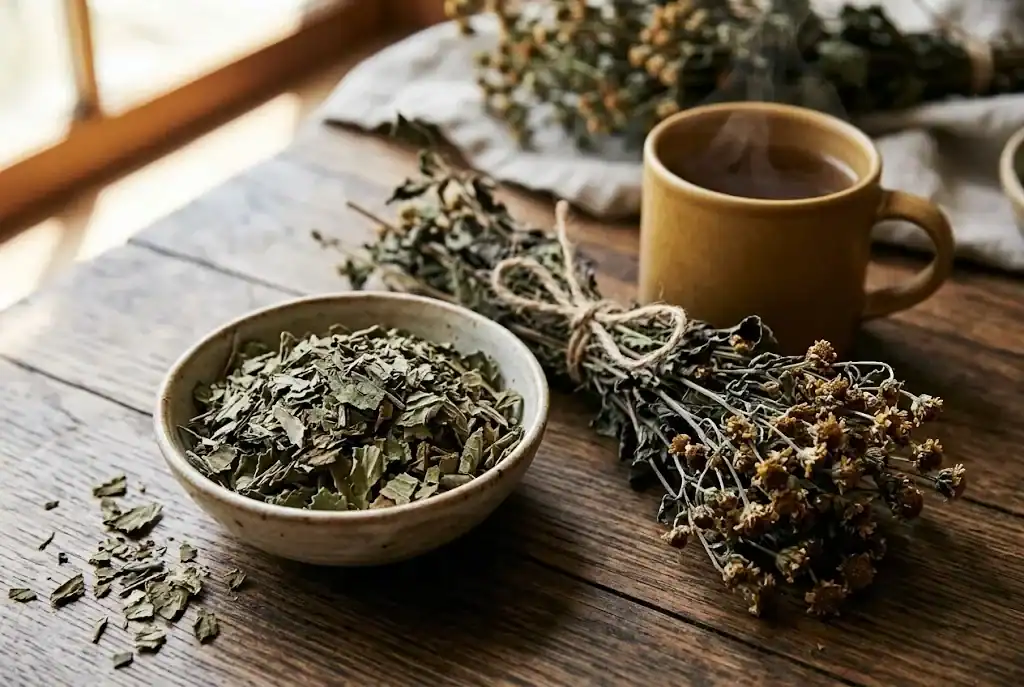
Despite popular curiosity regarding lucid dreams, safety and moderation are essential. Preliminary laboratory research indicates potential liver toxicity and kidney strain associated with concentrated extracts at high doses. The plant should never be used as a substitute for professional medical care, and it is not recommended for pregnant or breastfeeding women, children, or individuals with chronic kidney or liver ailments.
Frequently asked questions about growing dream herb
Can calea plants be grown indoors year-round?
Yes. Position the pot in a south-facing window that receives at least six hours of direct sunlight daily, or supplement with full-spectrum horticultural grow lights during winter.
How often should I water potted calea?
Water when the top inch of soil feels dry. Never allow the pot to sit in standing water, as stagnant moisture quickly causes root decay.
Why are the foliage leaves turning pale or dropping?
Leaf drop usually indicates inadequate light, sudden temperature drops below 50 degrees Fahrenheit, or root stress caused by soggy, compacted soil.