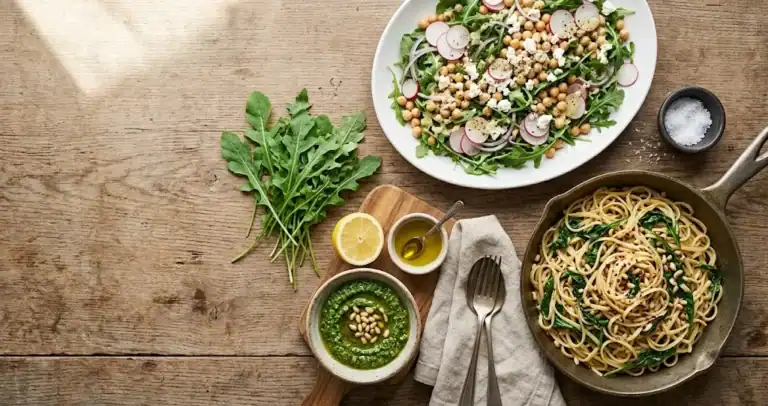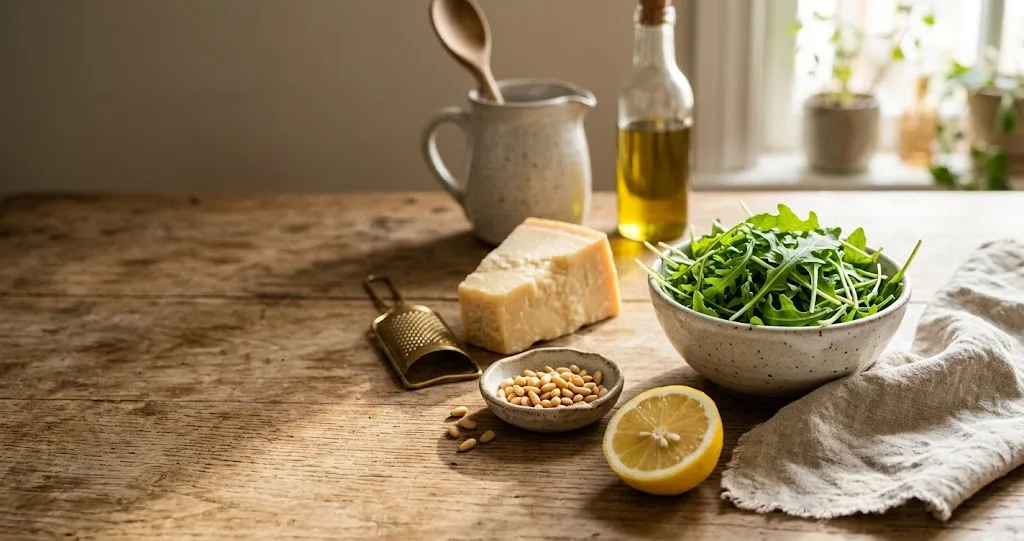
This leafy green opens up a lot more than salads. The same leaves that add a peppery bite to a bowl can be wilted onto pizza, stirred into pasta or soup at the last minute, blended into pesto, or tucked onto a sandwich for a fresh finish. The trick is to match the cut to the cooking method, since the tender baby leaves collapse in seconds while mature ones hold their shape for a brief sauté.
Arugula (Eruca vesicaria, sometimes labeled Eruca sativa) is a fast-growing member of the mustard family, with a clean, slightly bitter, peppery character that softens with heat and brightens with lemon. The rest of this guide covers how to pick, prep, and use it well, then walks through the easiest ways to bring it into everyday cooking, from a five-minute salad to a wilted pasta and a quick sautéed arugula side.
Know what you are buying
The bunch at the grocery store is usually baby arugula, picked young for a tender leaf and a milder bite. Farmers’ markets and CSA boxes often offer mature arugula, with bigger, lobed leaves and a stronger peppery note. A third option is wild rocket (Diplotaxis tenuifolia), sometimes labeled as wild arugula, with narrow serrated leaves and a sharper, more pungent flavor. All three work in these recipes; just expect a more assertive bite from the wild form.
Look for leaves that are crisp and evenly green, without yellowing edges or slimy spots. Pre-washed bagged leaves save time and are fine for salads and quick wilting, while loose bunches tend to be fresher and stand up better to a hot pan. Either way, buy what you will use within a few days, because the leaves keep only briefly even under the best conditions. If you are bringing them home from a market, a quick rinse and a paper-towel spin before storing will give you a couple more usable days. For the longer picture, how to store arugula for a week or two is covered in a separate guide.
What arugula tastes like
Raw arugula has a peppery, slightly bitter, almost radish-like flavor that brightens a plate without dominating it. Heat softens that bite into something closer to cooked spinach, with a savory, faintly nutty edge. Lemon juice and a good pinch of salt pull the sweetness forward; a touch of fat, like olive oil or cheese, rounds the bitterness so it reads as pleasant rather than sharp.
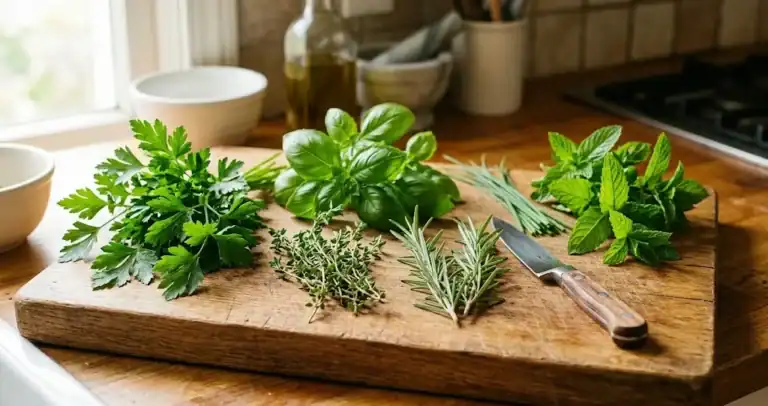
That balance makes the leaves a flexible supporting flavor. They lift a bowl of plain pasta, liven up a plate of roasted vegetables, and turn a simple sandwich into something that feels more like a composed meal. Once you get a feel for that character, the rest of the wider family of kitchen herbs starts to make more sense, because arugula is one of the easiest leafy greens to reach for when a dish needs a fresh accent.
Wash and prep without bruising
The leaves bruise easily, so be gentle. Fill a large bowl or a clean sink with cold water, drop your fresh arugula leaves in, and swirl with your hands. Lift them out into a salad spinner or a colander, then spin or pat dry with clean paper towels. Repeat with fresh water if there is visible grit at the bottom of the bowl.
For a salad, the leaves should be dry so the dressing clings instead of sliding off. For cooking, a little moisture is fine, since it will evaporate quickly in a hot pan. Skip the knife when you can: tearing the leaves keeps the cut edges from oxidizing and turning dark.
When to eat it raw vs cooked
Use the leaves raw when you want the full peppery lift: in salads, on top of pizza after baking, layered onto sandwiches, or as a finishing green on a bowl. Cook them when you want a softer, rounder flavor; cook the greens briefly to wilt them down to a softer texture: stirred into hot pasta or soup, briefly sautéed as a side dish with garlic, or folded into eggs and warm grains.
As a rule, raw leaves need only a few minutes of attention, while a quick sauté or wilt is more about seconds than minutes. A heavy-handed cook is the most common mistake with this green, since the leaves collapse fast and lose their character if held over heat too long. For a quick weeknight veggie side, a hot pan and a splash of olive oil are all you really need.
Easy ways to cook with arugula
These seven approaches cover most weeknight needs. They are deliberately short on technique and long on ratio, so you can adjust as you go.
Add it to a simple arugula salad
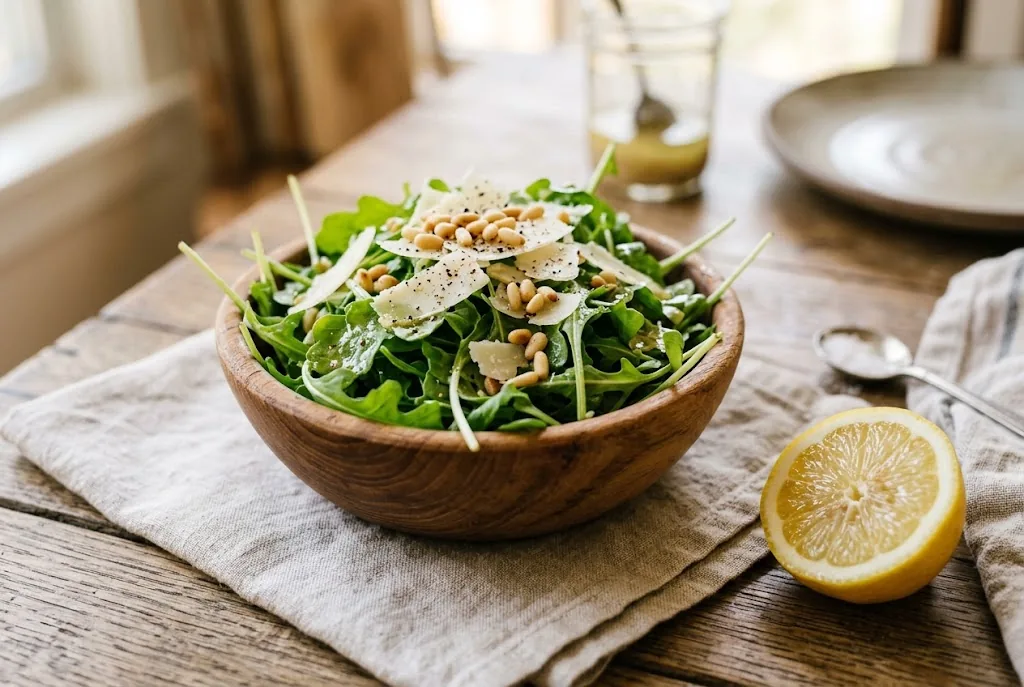
The fastest path: two packed cups of leaves per person, a squeeze of lemon, one small clove of minced garlic, a teaspoon of Dijon mustard, three tablespoons of extra-virgin olive oil, salt, and freshly ground black pepper. Whisk the dressing, toss with the leaves, and serve right away. Shaved Parmesan and a handful of toasted pine nuts turn it into a more filling side. Wild rocket works here too; just use less of it, since its bite is sharper.
Scatter it onto pizza
After a pizza comes out of the oven, scatter a handful of the tender leaves over the top. The residual heat softens them in under a minute, and the peppery note cuts through the richness of the cheese. A handful of prosciutto, a drizzle of good olive oil, and a squeeze of lemon finish the job. Use this method sparingly with the wild form, since its stronger flavor can compete with delicate toppings.
Stir it into pasta
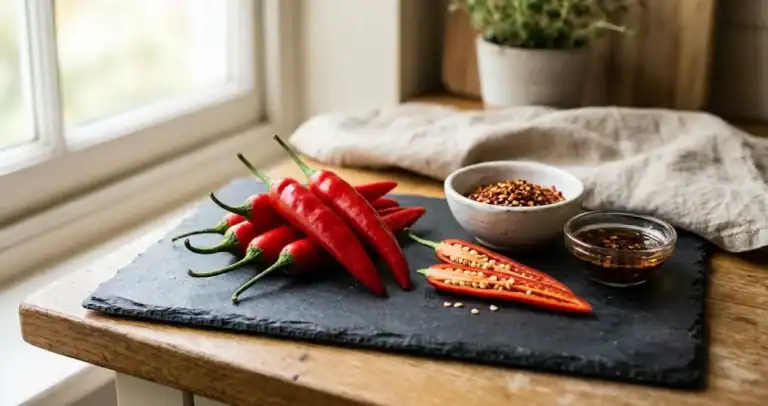
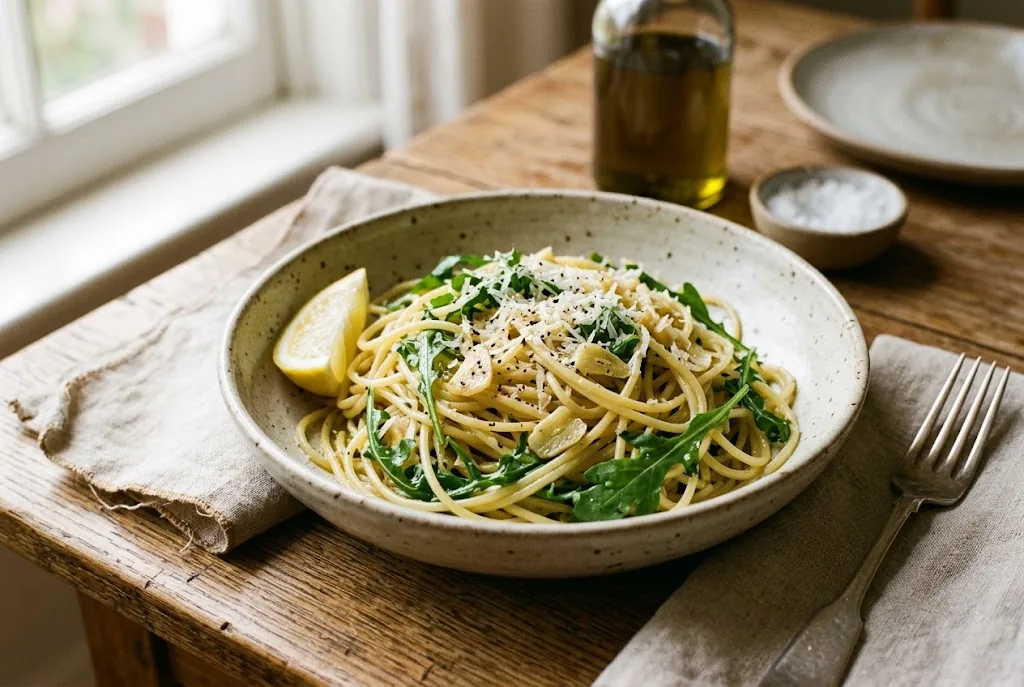
Cook a pound of pasta in well-salted water. While it boils, sauté three thinly sliced cloves of garlic in three tablespoons of olive oil with a pinch of red pepper flakes over medium heat until the garlic turns pale gold. Drain the pasta, reserving a cup of the cooking water. Toss the pasta with the garlic oil, a splash of the reserved water, and two big handfuls of the leaves. The heat of the pasta and oil wilts them in under a minute. Finish with grated Parmesan, a squeeze of lemon, and a crack of black pepper.
Layer it onto sandwiches and burgers
A handful of leaves adds a fresh, slightly peppery crunch to a sandwich without the sogginess of sliced lettuce. Tuck them into grilled cheese, BLTs, or a turkey sandwich. For burgers, pile them on just before serving so the leaves stay perky. Pair with roasted red pepper and a smear of herbed mayo for an especially good combination.
Blend it into pesto
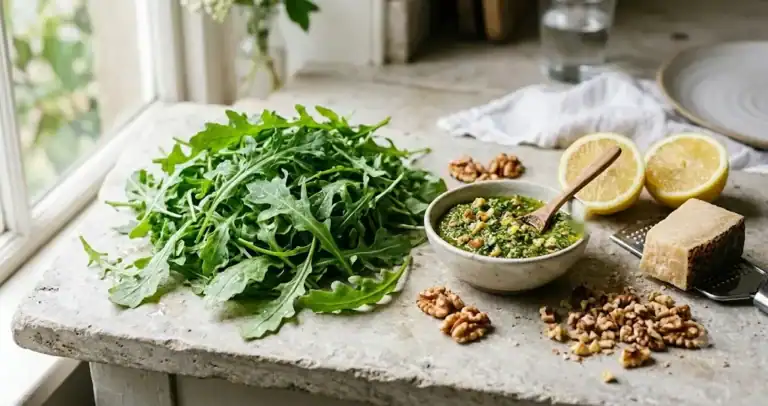
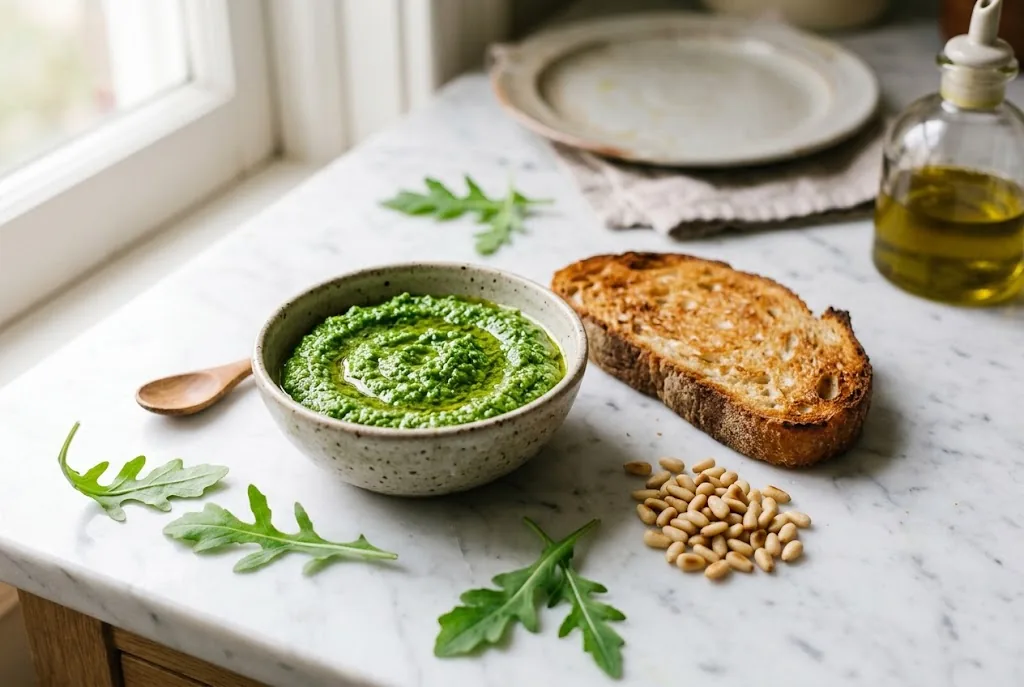
Replace half the basil in any pesto recipe with arugula and you get a brighter, more peppery sauce that holds up well on pasta, grain bowls, or as a spread. A basic ratio: two packed cups of basil, two packed cups of arugula, half a cup of toasted pine nuts, two cloves of garlic, three-quarters of a cup of grated Parmesan, a teaspoon of salt, and a generous grind of black pepper. Pulse in a food processor with enough olive oil to loosen, about half a cup.
Stir it into soup at the end
Off the heat, fold two packed cups of leaves into a pot of warm minestrone, lentil soup, white bean and escarole, or potato soup. They soften in the residual heat in under a minute, adding color and a fresh accent without becoming soggy. Add a drizzle of good olive oil and a grating of Parmesan just before serving.
Tuck it onto a savory tart or flatbread
A thin layer of ricotta or goat cheese on a sheet of puff pastry or rolled-out pizza dough, baked until golden, makes a useful base for a pile of leaves dressed with olive oil, lemon, and salt. Add a few slices of prosciutto or some halved cherry tomatoes and you have a quick lunch that feels a bit special.
Pairings that work
Arugula pairs well with lemon, garlic, olive oil, Parmesan, pine nuts, walnuts, balsamic vinegar, red wine vinegar, roasted red pepper, prosciutto, chicken, sausage, white beans, lentils, potatoes, pasta, eggs, mushrooms, fennel, bell pepper, tomato, and onion. Most of these combinations appear across Italian home cooking, where the leaves have been used for centuries as a finishing green. For more ambitious ideas, these arugula recipe ideas walk through a wider collection of mains, salads, and sides.
How much to use
A standard bunch of arugula from the grocery store is about 4 to 5 ounces, which is roughly 8 packed cups of baby leaves or 4 cups of mature ones. For a side salad, plan on 2 to 3 cups per person. For a hot dish like pasta or sautéed greens, a 4-ounce bunch feeds two as a side and four as part of a larger plate. Start with less than you think you need: the leaves cook down dramatically, so a small mountain of raw greens turns into a tidy mound in the pan.
Common mistakes when cooking with arugula
- Cooking it too long. The leaves wilt in seconds. A long sauté turns them gray and bitter, so add them at the end of cooking, not the beginning.
- Skipping the wash. Even pre-washed bagged greens benefit from a quick rinse, since grit hides in the stem ends.
- Cutting with a knife. A clean tear keeps the edges green. A knife cut oxidizes quickly and turns brown.
- Dressing wet leaves. Watery greens repel vinaigrette. Spin or pat dry before dressing.
- Confusing wild and baby leaves. Wild rocket is sharper and stronger; halve the amount if you are swapping it into a recipe that calls for the mild, tender form.
- Letting it sit hot. Cooked greens keep their color and flavor only briefly. Serve them soon after the heat comes off.
Frequently asked questions
Can arugula be eaten raw?
Yes. Raw arugula is the most common form, used in salads, on top of pizza, and as a sandwich green. Make sure the leaves have been washed well and dried before dressing.
Does cooking reduce its nutrients?
Cooking softens the leaves and reduces their volume, which changes the way the nutrients are absorbed. Brief wilting or sautéing keeps more of the character intact than long simmering, and pairing cooked leaves with a little fat helps with the absorption of fat-soluble vitamins.
Can I substitute arugula for spinach?
Often yes, especially when the leaves are wilted into pasta, soup, or eggs. The flavor is sharper and more peppery than spinach, so use a smaller amount of wild rocket, or expect the dish to taste a little bolder than the original.
Is arugula the same as rocket?
Arugula and rocket are the same leafy green, sold under different names in different countries. Wild rocket is sometimes labeled as rocket as well, though it is a related but distinct species with a sharper flavor.
Quick cooking tips for weeknight success
A few small habits make a sauteed arugula side or a wilted pasta taste much better than the sum of its parts. Measure the leaves in cups of packed arugula rather than by the bunch, since a 4-ounce bunch gives you roughly 8 packed cups of baby leaves and 4 packed cups of mature ones. A large skillet or a wide sauté pan works better than a tall large pot, because the leaves collapse fast and you want them spread in a single layer, not buried. Heat the pan over moderate heat, add a slick of extra-virgin olive oil, and add the arugula in two or three handfuls so each batch wilts in under a minute.
Watch the color as your visual cue. The moment the bright green dulls to a muted olive, the leaves are done. Salt and pepper matter more than you think: a generous pinch of flaky salt and a few grinds of black pepper right at the end brighten the peppery green note that makes arugula recognizable. Finish with a squeeze of lemon and a drizzle of raw olive oil so the cooked leaves keep a fresh edge. A cooked arugula side that took three minutes from cold pan to plate will taste better than one that simmered for ten, because long heat kills the very flavor you started with.
Grain bowls, stir-fries, and one-pan sides
The same handful of leaves that finishes a pizza can anchor an entire grain bowl. Stir two packed cups of arugula into a pot of cooked couscous, bulgur, farro, or quinoa just after the grain comes off the heat; the residual steam wilts the leaves in under a minute and the peppery note cuts through the nuttiness of the grain. This recipe for arugula grain bowl gets heartier with roasted sweet potato, chickpeas, crumbled feta, and a lemon-tahini drizzle.
A simple sauteed arugula recipe for weeknights, this is one of the easiest arugula sides on the stove: a large pan, three tablespoons of olive oil, two thinly sliced cloves of garlic, a pinch of red pepper flakes, and three packed cups of leaves. Toss for 45 seconds, season with salt and pepper, finish with lemon. That timing is the whole trick. The same principle makes arugula an easy addition to stir-fries at the end of cooking, where the leaves wilt in the sauce instead of the pan.
For a dinner party feel, serve the wilted greens over roasted potatoes with shaved Parmesan and a balsamic drizzle. The crisp potatoes and the silky greens sit on opposite ends of the texture spectrum, which is what makes the pairing work. A single bunch feeds four as a starter and two as a main.
Freezing your harvest
If you buy a generous bunch or pull more than you can use from the garden, arugula freezes well with very little fuss. Wash the leaves well in a bowl of cold water, lift them out, and pat dry with clean paper towels or spin them dry. For the best texture after thawing, blanch the leaves in boiling water for 15 seconds and immediately chill them in ice water; this sets the green color so the frozen leaves look fresh rather than gray. Skip the blanch if you plan to use the frozen leaves only in cooked dishes, where the color does not matter as much.
Pack the dried or blanched-and-dried leaves into a single layer on a sheet pan and freeze until solid, then transfer to a freezer-safe plastic bag and press out the air. The single-layer flash freeze keeps the leaves from clumping, so you can scoop out a handful at a time. Frozen arugula is best used within three months; it will lose its crispness but keeps its flavor for cooked arugula side dishes, soups, pestos, and egg dishes, where the texture change is invisible. If you only want to store arugula in the fridge for the week, the link in the buying section above covers that method.
Other greens and herbs to mix in
Arugula plays well with a long list of milder greens and stronger herbs, which makes it a useful base when you want a more interesting mix. A 50/50 blend of arugula and baby spinach gives you the peppery lift and the softer body without letting either flavor dominate. Pairing arugula with endive or sliced leek (softly sweated first) makes a more Belgian-leaning salad with the same lemon dressing. Arugula plus torn basil or flat-leaf parsley makes a brighter herb salad, especially when the dish already carries cheese, tomato, or grilled bread.
For warm dishes, arugula folds cleanly into sautéed mixtures that include green onions, sliced shallot, or thinly shaved fennel. The alliums sweeten as they cook and balance the peppery bite. A handful of feta or goat cheese crumbled over warm wilted greens turns the side into something that can anchor a light lunch with a slice of crusty bread. None of these swaps change the rule about adding the greens last; they only widen the cast.
Building a simple recipe card
If you cook with arugula often, the easiest way to keep your own notes is a one-paragraph recipe card that names the ratio, the pan, and the timing. Most arugula recipes follow the same template: a hot pan, a fat, an allium, an acid, the leaves, salt and pepper. Once you have the template, you can swap ingredients without rebuilding the dish from scratch.
The sautéed side from earlier in the article is a good example of the template: a hot pan, a fat (olive oil), an allium (garlic), an acid (lemon), the leaves, salt and pepper, tossed for under a minute and finished with a drizzle of raw oil. Once you have that ratio in your head, you can scale it up for a dinner-party sautéed side or down for a single serving, and you can swap in white wine, pine nuts, shaved Parmesan, or a crumble of feta depending on what you are serving. Keeping the card small is what makes it actually useful at the stove.
Start with one simple dish and build from there
Cooking with arugula works best when it is treated as a quick accent rather than a starring ingredient. Try a lemon-and-Parmesan salad, a wilted pasta, or a pizza-topped finish, and pay attention to how the flavor shifts from raw to cooked. Once you recognize what it does in a dish, it becomes an easy green to reach for whenever a meal needs a fresh, slightly peppery lift.