Cooking with anise can make a kitchen smell like a bakery before anything reaches the oven. The whole seasoning brings a sweet, warm, lightly peppery flavor to more than cookies: try it with fruit, root vegetables, seafood, beans, or a simple syrup. The key is a modest amount and a moment of heat to wake up the seeds.
For everyday cooking, buy dried seeds, toast them briefly when a recipe can take a warm aromatic note, then use them whole or crushed. Start with 1/4 teaspoon for a meal serving four people. You can add more next time, but the note can quickly take over delicate ingredients.
Know which ingredient you have
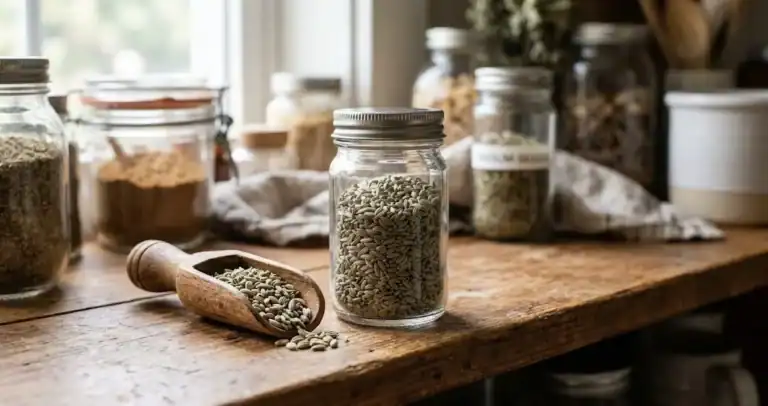
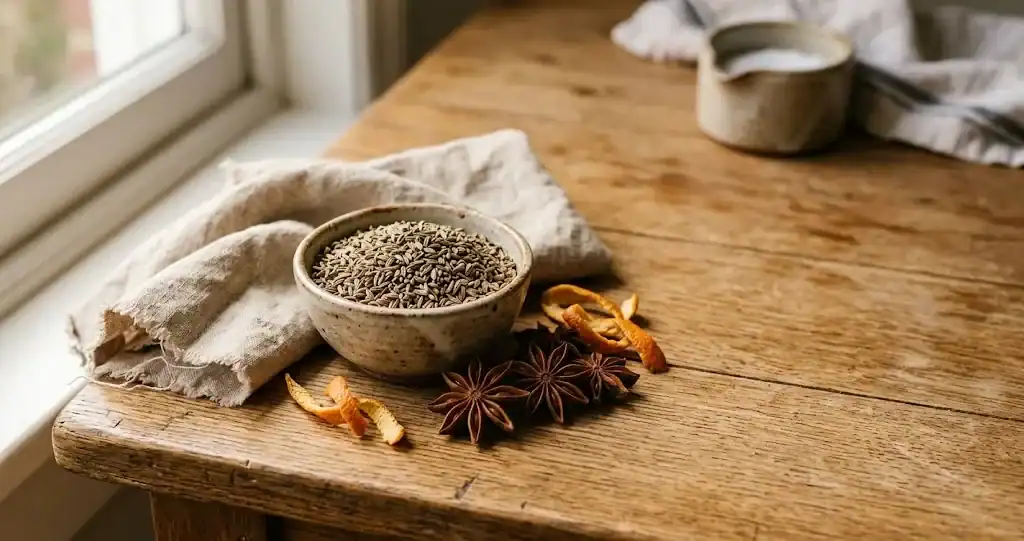
Most recipes that call for anise mean anise seed, botanically the small, ridged dry fruit of Pimpinella anisum. It has a clean, sweet flavor often compared with a licorice note, fennel, or mild tarragon. It is sold whole, ground, or occasionally as an extract.
Star anise is different: the woody, star-shaped fruit of Illicium verum, with a stronger, darker flavor. Both ingredients work in sweet and savory cooking, but they are not a one-for-one swap. If you choose star anise, use a small piece to infuse liquid and remove it before serving rather than replacing a measured spoonful of the seeds.
Culinary Chinese star anise is Illicium verum. Japanese star anise, Illicium anisatum, is not safe to eat, so buy a product clearly sold and labeled for culinary use. Health Canada explains this distinction.
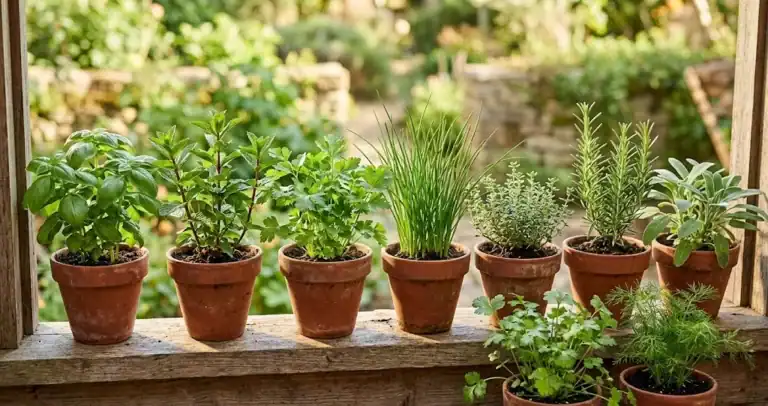
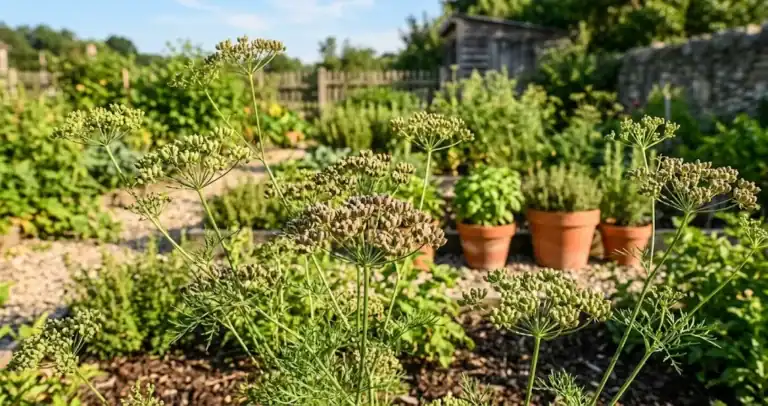
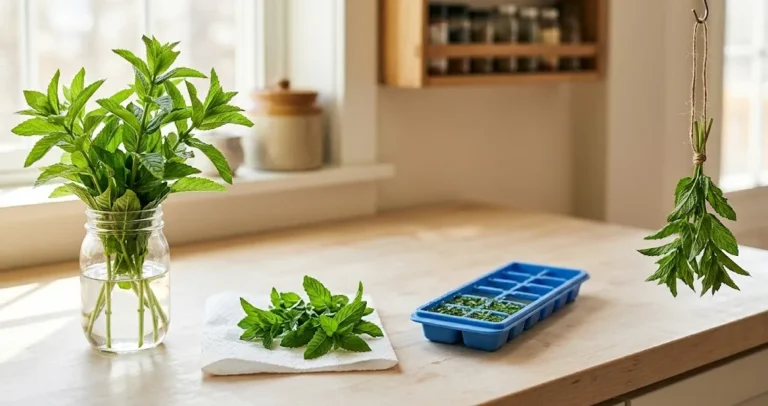
Fennel is the closest familiar swap, though it is usually greener and less sweet. This is also a useful moment to get to know common kitchen herbs and their flavors before building a seasoning shelf around a single favorite note.
What anise is like in food
Anise has a sweet character even when no sugar is present. Its aroma can suggest a black licorice note, but the flavor is brighter and more floral than many people notice. It pairs especially well with orange, lemon, pear, apple, honey, cinnamon, vanilla, almonds, carrots, beets, tomatoes, pork, and mild fish.
Think of anise as a supporting seasoning. In a tomato sauce, it can make sharp acidity taste rounder. With roasted carrots or squash, it echoes their natural sweet character. In a braise, it brings lift to rich meat and beans. A small pinch is often enough.
Toast or grind the seeds for more aroma
Whole anise seeds stay aromatic longest. Toast them in a dry skillet over medium-low heat for 30 to 60 seconds, shaking the pan often. Take them off the heat as soon as they smell fragrant. Darkened pieces turn bitter, so do not wait for smoke or deep browning.
For a smoother result, crush toasted seeds with a mortar and pestle or pulse them in a clean grinder. Ground anise releases aroma quickly, making it useful for cake batter, cookie dough, rubs, and dressings. Use less than you would of whole anise, because ground seasonings taste more immediate.

- Use whole anise in simmered sauces, poaching liquid, pickles, and breads.
- Use crushed anise in roasted vegetables, sausages, salads, and seasoning blends.
- Use ground anise in baking, custards, and quick marinades.
Easy ways to cook with anise
Add it to roasted vegetables
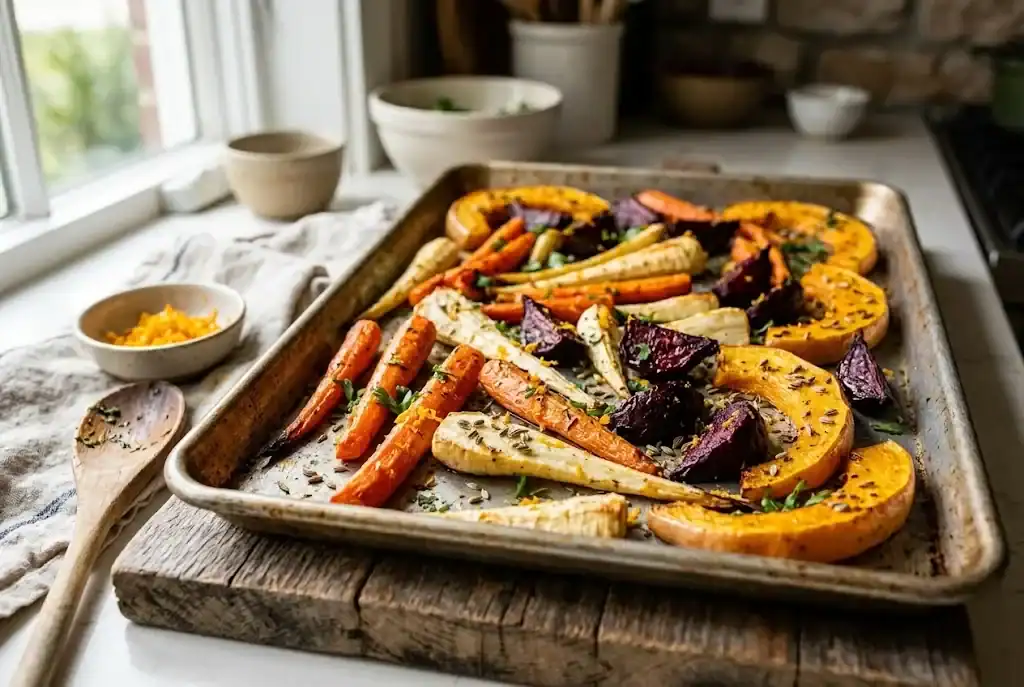
Toss carrots, parsnips, beets, or winter squash with olive oil, salt, and 1/2 teaspoon crushed anise for a sheet pan serving four. Roast until browned and tender. Finish with orange zest or a squeeze of lemon to keep the vegetables lively.
Use anise in tomato sauces and bean dishes
Add a pinch of crushed anise with onion and garlic at the beginning of a tomato sauce. It gives the sauce a rounder, subtly sweet edge without making it taste like dessert. That approach works for lentils, chickpeas, and white beans, especially with spinach or chard.
Make a simple poaching liquid
For pears, apples, or stone fruit, simmer water or white wine with sugar or honey, a strip of citrus peel, and one teaspoon whole anise. Strain the liquid if you want a clean finish. The seeds perfume the fruit without leaving gritty spice behind.
Season seafood and pork gently
Anise is particularly good with rich or oily fish, such as salmon or mackerel, and with pork. Mix a small amount of ground anise with salt, black pepper, and citrus zest for a dry rub. Keep the rest of the seasoning simple so the anise remains an accent.
If you want finished dishes rather than more technique, browse these anise-centered recipe ideas for a separate collection of sweets and main-course ideas.
When to cook with star anise instead
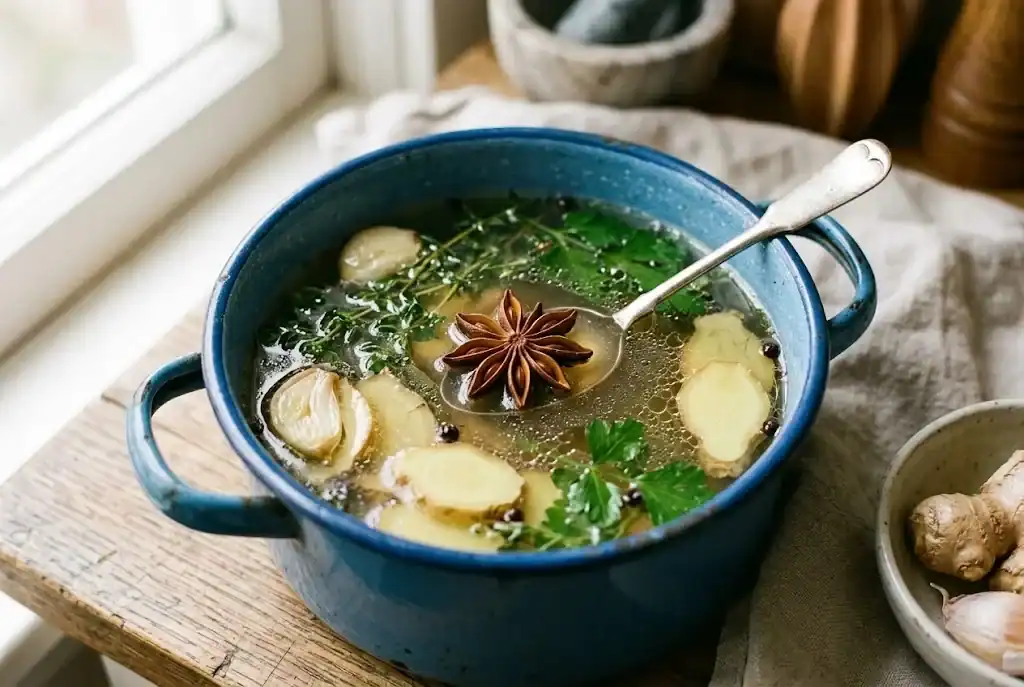
Choose the star-shaped spice when you want a deeper, woodier note in broth, stew, Chinese five-spice, or Vietnamese pho. One whole pod of culinary star anise can flavor a pot of broth or braising liquid. It also goes well with ginger, garlic, cinnamon, coriander, and cardamom in a garam masala-style mix. Remove the pod before serving.
It works in a duck glaze or short ribs and can perfume rice. For home cooks, an infusion is the best approach, not something to scatter over food. It is common in East Asian cooking, but it is not the same ingredient as the seed.
More aroma pairings
Pair a little anise with orange, lemon, pear, apple, almond, cinnamon, ginger, carrots, beets, tomatoes, pork, or mild fish. For a first try, add it to roasted carrots with orange zest, or to a tomato sauce with aromatic vegetables and garlic. Citrus, herbs, black pepper, and salt keep the sweet note in balance. The closest alternative works when you need a similar flavor.
Use anise in baking and drinks
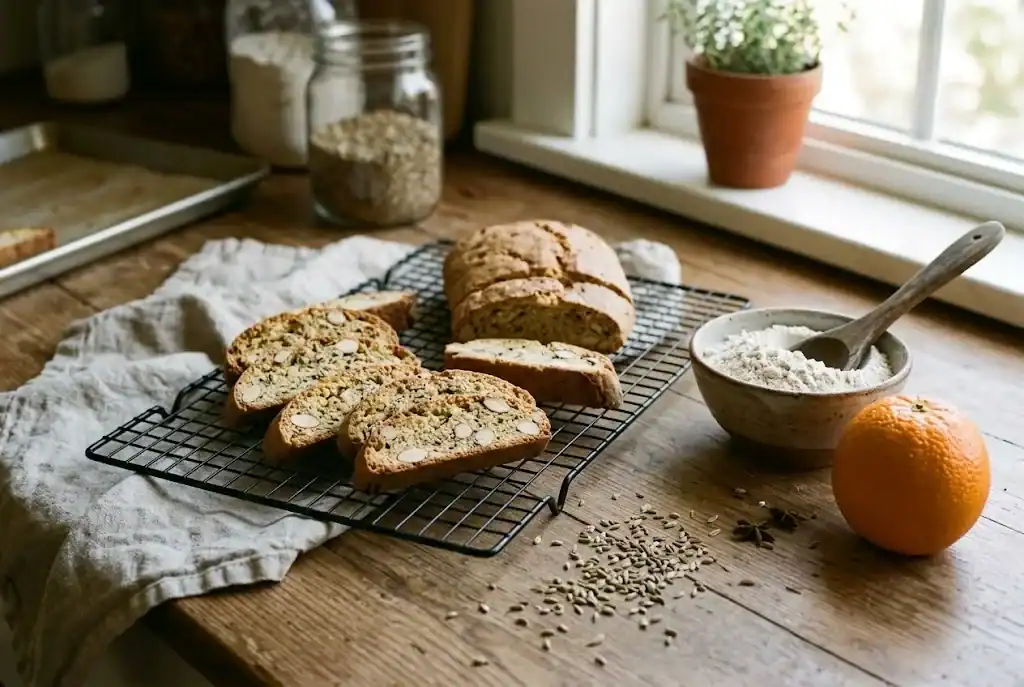
The spice is a natural fit for biscotti, shortbread, fruit breads, cakes, and cookies. Add the ground form to flour and other dry ingredients so it disperses evenly. Whole seeds work well in crackers and rustic loaves, where their small crunch is welcome.
For a quick drink, steep 1 teaspoon lightly crushed seeds in hot water for five to eight minutes, then strain. Infuse a small amount in citrus syrup for iced tea or sparkling water. Ouzo, sambuca, and pastis are already anise-flavored spirits. Aromatherapy essential oil must not be added to food; use only an explicitly culinary product in a tested recipe.
How much anise to use
Start small and taste as you cook. For a meal serving four, 1/4 to 1/2 teaspoon whole or crushed anise is a sensible starting point. Use 1/8 to 1/4 teaspoon ground anise, then adjust after it cooks. Long simmering softens the spice, while a last-minute sprinkle stays more noticeable.
Anise extract is much stronger than the seed. Follow the recipe’s amount, and do not replace it casually for the whole spice. A few drops can be plenty in icing, batter, or a small pan of syrup.
Store it so it stays fragrant
Keep anise, whole or ground in a tightly closed jar away from heat, light, and steam. A cool cupboard is better than a shelf beside the stove. Whole seeds keep their aroma longer than the ground form, so buy them whole when you use anise only occasionally.
If you have bought more than you will use soon, this guide to storing anise for later cooking can help you keep your supply in good condition without turning this page into a preservation tutorial.
Common mistakes when cooking with anise
- Using too much: Anise should support a meal. Start with a pinch and add more only after tasting.
- Confusing anise seed with star anise: Their flavor profiles overlap, but their strength and form are different.
- Burning the anise: Toast briefly over gentle heat. Bitter, scorched anise cannot be repaired.
- Adding it without balance: Citrus, herbs, garlic, black pepper, and salt keep its sweet character from feeling heavy.
- Keeping old ground anise too long: Replace it when the aroma has faded. Whole seeds are the better long-term choice.
Frequently asked questions
Can I use fennel instead of anise?
Yes, fennel is the easiest substitute when you need a similar sweet, anise-like note. It is milder and fresher tasting, so you may need a little more, but add it gradually.
Is anise good in main-course food?
Yes. Cook with it alongside tomato, beans, roasted vegetables, pork, and seafood, especially when citrus or garlic is also present. The best non-sweet uses keep the amount restrained.
Do I need to grind anise seed?
No. Whole seeds work well in recipes with time to simmer or bake. Grind or crush them when you want the flavor to spread quickly through a rub, batter, or dressing.
What is the best way to start using anise?
Try 1/4 teaspoon crushed anise with roasted carrots, a tomato sauce, or poached pears. That approach makes the spice easy to notice without asking it to do all the work.
Bring anise into the kitchen one small step at a time
Cooking with anise is less about finding a single signature recipe and more about learning where its sweet aroma helps. Toast a few seeds, pair them with citrus or vegetables, and keep the first attempt simple. Once you recognize its character, anise becomes an easy seasoning to reach for whenever food needs warmth and lift.