Cilantro has a short temper for hot weather, but it is easy to grow when you work with its rhythm. Plant fresh seed in cool conditions at the beginning of the growing season, keep the soil evenly moist, and plant another small batch every few weeks. That simple routine gives you more tender leaves and fewer plants that rush into flower.
If you are building a bed or container garden from the ground up, our guide to starting an herb garden at home can help you choose a sunny, workable spot. Cilantro needs only a modest space, so it is a good first crop for a new gardener.
Start with the conditions cilantro prefers
Cilantro is the leafy stage of coriander, Coriandrum sativum. It grows best in cool, mild weather. In most gardens, spring and fall are its prime seasons. In warm climates, plant it during the coolest part of the year.
- Light: Give plants full sun in cool weather. In hot areas, afternoon shade helps slow bolting.
- Soil: Use loose, fertile soil that drains well. Mix in finished compost before planting if the bed is lean or compacted.
- Temperature: Seeds sprout well in cool soil, and leafy growth is best before sustained heat arrives.
- Space: Leave about 6 to 8 inches between mature plants so air can move around the foliage.
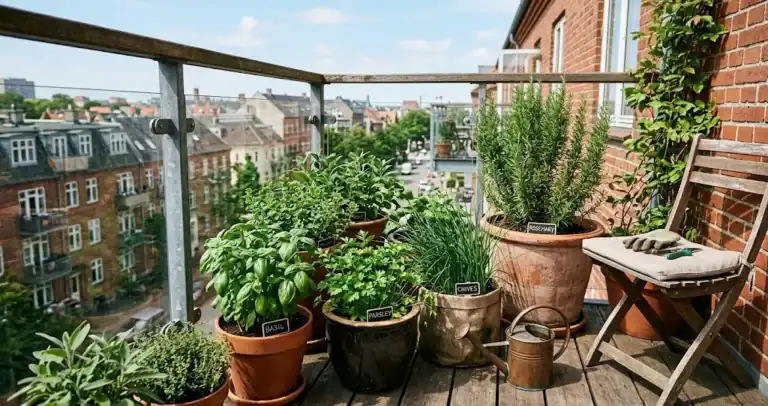
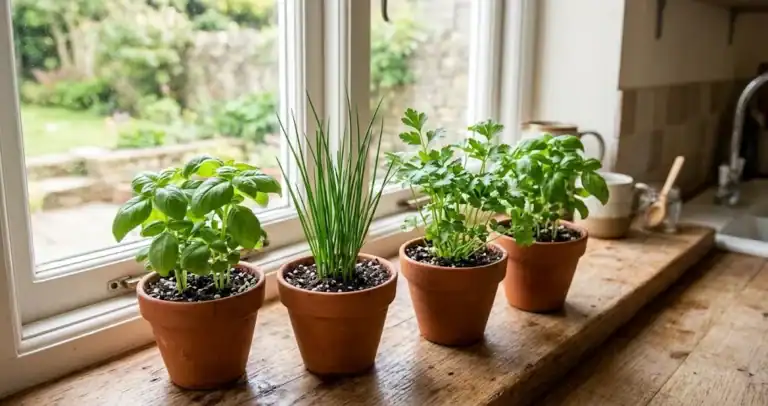
A container works well if it is at least 8 inches deep and has a drainage hole. Cilantro makes a taproot and dislikes having that root disturbed, so choose the final pot before sowing rather than transplanting small seedlings.
Plant cilantro seeds directly for stronger plants
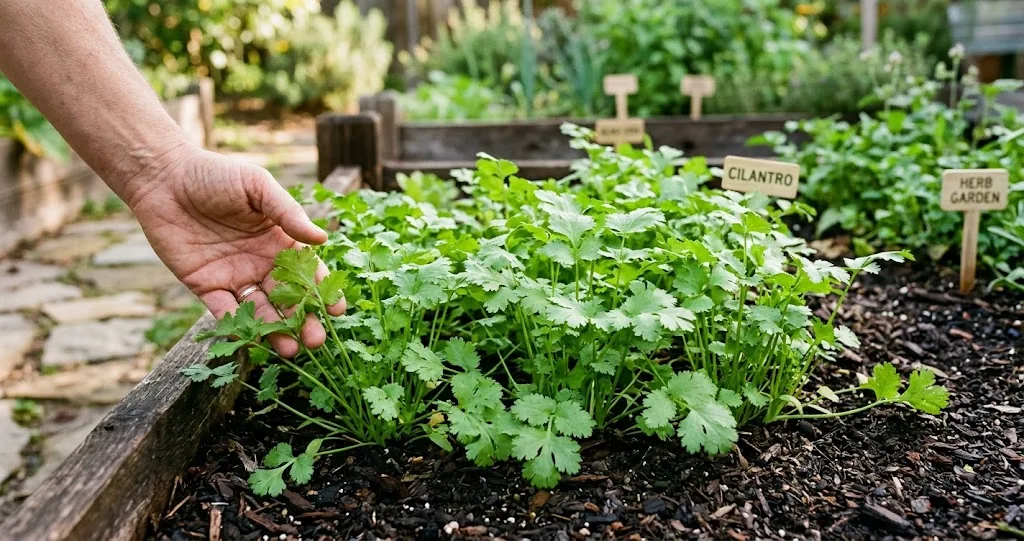
Starting cilantro from seed is the easiest approach. Start after the soil can be worked in spring, or plant in late summer for a fall crop. Make a shallow furrow about 1/4 inch deep, scatter seeds thinly, cover them lightly, and water with a gentle spray.
Keep the surface damp until seedlings appear, usually within 7 to 14 days. Once they have a few true leaves, thin crowded seedlings so the remaining plants have room to develop. Rather than discarding the thinnings, add their mild leaves to a salad or soup.

For a longer season, plant a short row or a small section of a pot every 2 to 3 weeks. This succession planting matters more than trying to keep one sowing productive all summer. New plants replace the ones that have started to flower.
Water consistently without leaving roots soggy
Cilantro grows fastest in evenly moist soil. Check the top inch of soil with a finger. Water when it feels dry, then soak the root zone instead of giving plants a daily sprinkle. Containers dry quickly, especially on breezy days, so they may need more frequent checks.
Mulch around garden plants with a thin layer of clean straw, shredded leaves, or compost after seedlings are established. Mulch steadies soil moisture and keeps splashing soil off the leaves. Keep it a little away from the stems so they stay dry at the base.

Feed lightly and avoid pushing soft growth
Compost mixed into the planting area is often enough for a short cilantro crop. If plants look pale in poor soil, use a balanced fertilizer at the label rate. Too much nitrogen can produce plenty of soft foliage but does not solve the real problem when heat is making plants bolt.
Good soil preparation, steady moisture, and repeat sowing will do more for your harvest than heavy feeding. If you grow cilantro in a container, refresh the potting mix between major planting cycles rather than relying on repeated fertilizer applications.
Slow bolting when weather turns warm
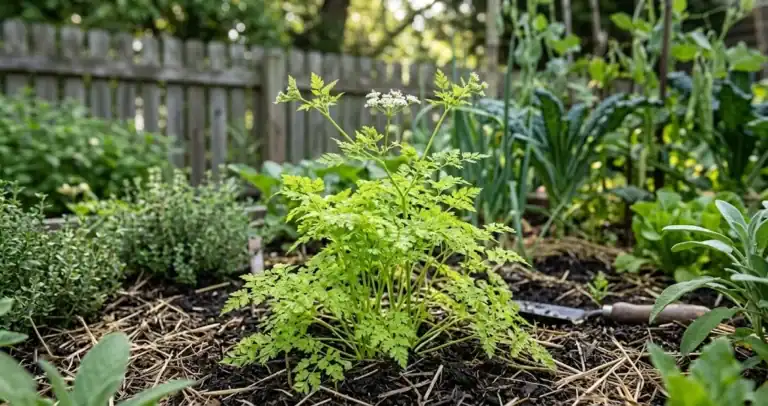
Bolting means the plant sends up a tall flowering stem. The leaves often become more sharply flavored once this happens, though they are still edible. Heat, dry soil, long days, and root disturbance can all speed the process.
- Plant early in spring or late for fall.
- Give plants afternoon shade during warm spells.
- Water before plants wilt.
- Use shade cloth during an unexpected heat wave if practical.
- Choose slow-bolt varieties when spring warms quickly.
Do not pull a bolting plant immediately if you enjoy coriander seed. Let the flowers develop, then wait until the seed heads turn tan and dry before cutting them. Otherwise, remove flowering plants and plant fresh seed in a cooler spot.

Watch for common cilantro problems
Seedlings disappear or flop over
Slugs, snails, cutworms, and damping-off disease can affect young plants. Inspect the bed at dusk for chewing pests, avoid overwatering, and give seedlings enough space. A clean pot, fresh mix, and good drainage reduce problems in containers.
Leaves turn yellow
Yellow leaves can point to waterlogged soil, dry roots, or low fertility. Check moisture first. If the soil stays wet for days, improve drainage or move container plants to a pot with a clear drain hole. If the plant is dry and pale, water deeply and review whether the soil needs compost.
Plants are small and flower quickly
Warm weather is usually the cause. Start a new sowing when temperatures cool, and place the next crop where it receives morning sun with relief from strong afternoon heat.
Harvest cilantro often, but leave the growing point
Begin picking when plants are about 6 inches tall. Snip outer stems close to the soil with clean scissors, taking no more than one-third of the plant at a time. Leave the small center leaves in place so the plant can continue growing.

For a closer look at timing, cutting methods, and saving seed, see this guide on harvesting cilantro at the right stage. Frequent, light harvesting gives a better leaf crop than waiting for one large cutting.
Use or store the harvest promptly
Cilantro loses quality quickly after cutting. Rinse only when you are ready to use it, or dry the leaves well if they need washing. Keep harvested stems cool and use them within a few days for the brightest flavor.
When your garden produces more than dinner needs, learn how to keep cilantro fresh after harvest with refrigerator, freezer, and other practical options. Harvesting in small amounts often means less waste and a better supply for cooking.
Choose varieties and understand coriander
Cilantro and coriander come from the same plant. The fresh leaves are usually called cilantro, while the dried round fruits are the spice called coriander seed. Look for slow-bolt varieties if spring turns warm quickly. They still flower eventually, but they can give you more time to pick cilantro leaves.
To grow cilantro in a pot, use fresh potting soil, a deep flowerpot, and a bright position. The plants grow well when their roots stay evenly moist, not wet. A fresh supply of cilantro comes from planting seeds every few weeks across the season.
Get more from each planting
For the best chance of a steady leaf harvest, plant cilantro where it gets morning light and cool soil. A cilantro plant will grow well for longer when it does not dry out between waterings. When stems begin to stretch, start the next container or garden row instead of trying to force old plants back into leafy growth.
If you want coriander for cooking, let selected plants flower and go to seed. The green seed has a fresh citrus-like flavor, while fully dry coriander seed is warm and aromatic. Let the drying flower clusters remain on the plant, then cut them into a paper bag before the seeds fall to the ground.
Cilantro seed keeps best in a cool, dry place until you are ready to plant again. For kitchen use, cut fresh cilantro shortly before serving. Its delicate leaves add a bright finish to salsa, beans, soups, curry, and other everyday dishes.
Plan the planting window
In areas with frost, plant seeds after the soil is workable in spring and again in late summer. Cilantro prefers cool weather, so a light frost is less troublesome than a sudden hot spell. In mild winter regions, growing cilantro through fall and winter can be easier than trying to keep it productive in summer.
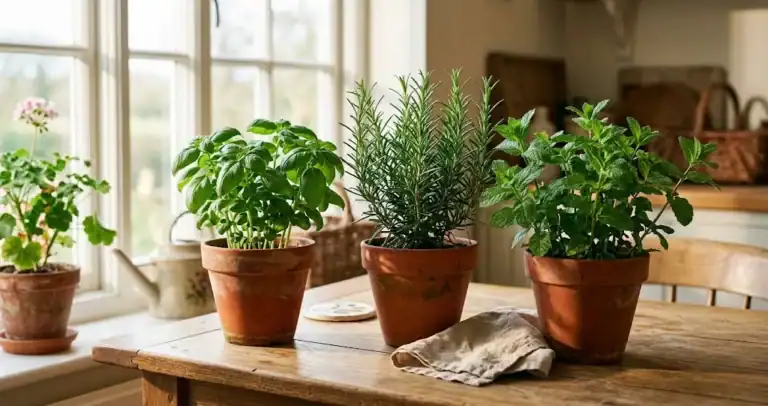
Use the same plan for an indoor crop. To grow cilantro indoors, choose a deep pot, use a grow light if the window is not bright enough, and keep the container where temperatures stay moderate. Turn the pot regularly so plants grow evenly, and avoid setting it beside a heat vent.
Frequently asked questions about growing cilantro
Can cilantro grow indoors?
Yes, provided it receives strong light. Put a pot in the brightest available window or under a suitable grow light, use a deep container with drainage, and start small batches often. Indoor plants may grow more slowly than those in bright outdoor spring weather.
How long does cilantro take to grow?
You can usually begin picking a few leaves about 3 to 4 weeks after seedlings emerge. The exact pace depends on light, temperature, soil, and variety. Expect plants to flower faster as conditions become hot.
Should I soak cilantro seeds before planting?
You can sow dry seed successfully. Some gardeners gently split the round coriander fruit into its two halves before sowing, but it is not required. Fresh seed, even moisture, and cool conditions have a bigger effect on germination.
Grow cilantro in short, repeatable batches
The most reliable cilantro patch is not one perfect planting. It is a series of small sowings timed for cool weather, with steady moisture and frequent harvesting. Start a new batch before the previous one flowers, and you will have far more usable leaves through the season.