Garden rocket, widely celebrated under the names arugula and roquette (Eruca sativa), is a fast-growing culinary herb and leafy salad green prized for its pungent, peppery bite. Because this brassica crop is remarkably easy to grow at home, gardeners who sow seeds or transplant a tender seedling in spring often find themselves with an abundant harvest. Whether you cut fresh leaves from a vigorous garden patch or bring home a store clamshell, tender greens have a delicate cellular balance that makes them prone to wilting or slimy decay if kept incorrectly. Knowing how to store rocket herbs properly protects crisp leaf texture, extends usable lifespan, and ensures you always have delicious edible greens on hand.
The primary secret to store fresh arugula successfully is balancing humidity without allowing standing moisture to pool. Tender foliage deteriorates quickly when sealed in airtight plastic while wet, yet exposed leaves dry out and turn limp in arid refrigerator air. By following practical preparation steps right after cutting or shopping, you can keep arugula fresh for well over a week or preserve surplus crops for long-term cooking.
Preparation Steps Before Storing Fresh Leaves
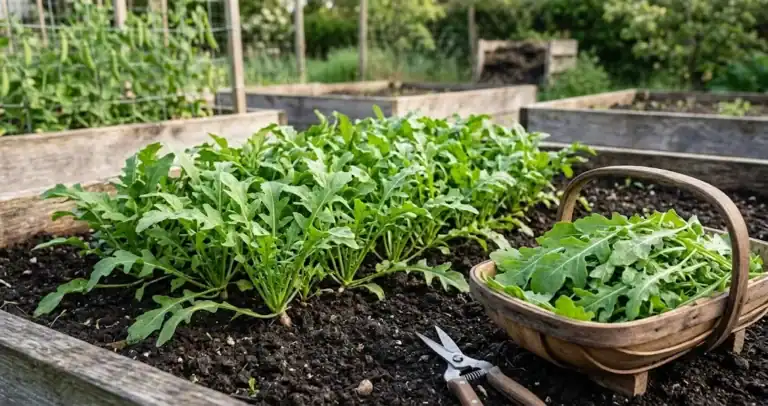
Proper preservation starts in the garden bed. When gathering leaves from your crop, picking during cool morning hours ensures plant tissues are fully hydrated before entering your kitchen. Following proven techniques for harvesting fresh rocket leaves helps maintain cell turgor and minimizes stress on the plant.
Once gathered, decide whether to wash the leaves immediately or keep them unwashed. In most cases, storing unwashed foliage in the refrigerator yields the longest shelf life because residual surface moisture accelerates bacterial breakdown. If your harvest has garden grit, gently rinse the leaves in a basin of cold water and spin them thoroughly dry in a salad spinner. Any water droplets left on the surface will cause delicate greens to darken and rot within days.
Sort through your harvest before packing it away. Discard any bruised, yellowing, or damaged stems, since decaying plant material releases gases and moisture that spoil surrounding healthy leaves. If you cultivate multiple varieties alongside other kitchen staples, understanding when and how to cut any herb across your garden helps preserve peak flavor and quality across all your homegrown culinary crops.
Best Methods to Keep Arugula Fresh in the Refrigerator
For everyday cooking, the refrigerator provides the ideal chilled environment to prolong post-harvest quality for annual salad rocket and perennial wall rocket (Diplotaxis tenuifolia). Three straightforward storage setups keep foliage vibrant.

1. The Paper Towel and Airtight Container Method
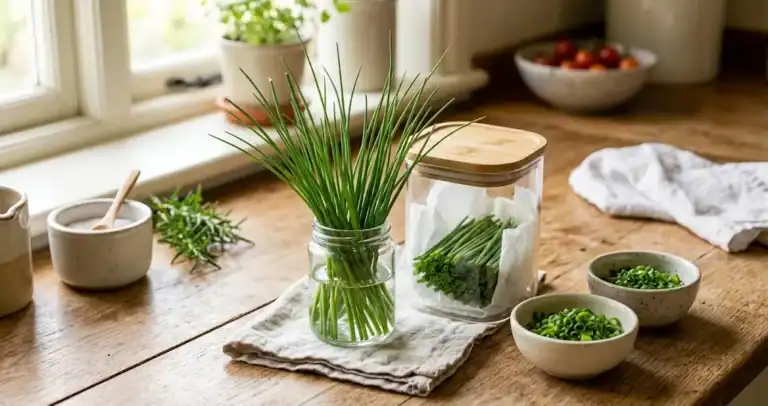
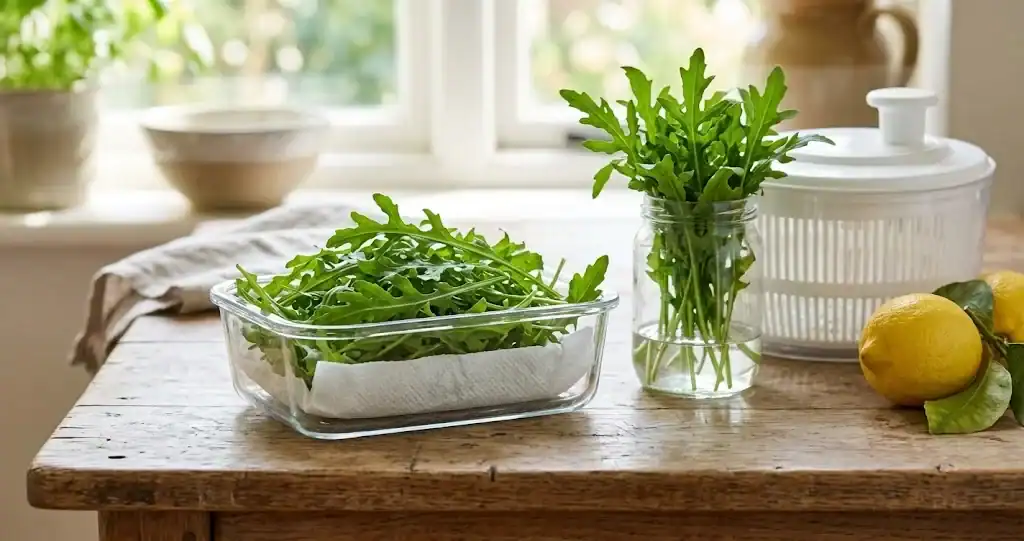
This is the most dependable technique to keep in the fridge. Line a rigid airtight container or glass dish with a clean, dry paper towel. Place dry leaves loosely inside without packing them down tightly. Cover the top with another layer of paper towel before securing the lid. The paper absorbs excess transpiration humidity, while the sealed container prevents cold drafts from wilting the foliage.
2. The Perforated Bag or Clamshell Setup
If you prefer using a plastic storage pouch or a ziploc bag, place a folded paper towel at the bottom of the bag and add unwashed greens. Leave the seal slightly cracked or use a vented produce container to prevent condensation buildup. Replace the paper towel every three to four days if it becomes damp to keep it fresh and clean.

3. The Water Jar Method for Whole Stems
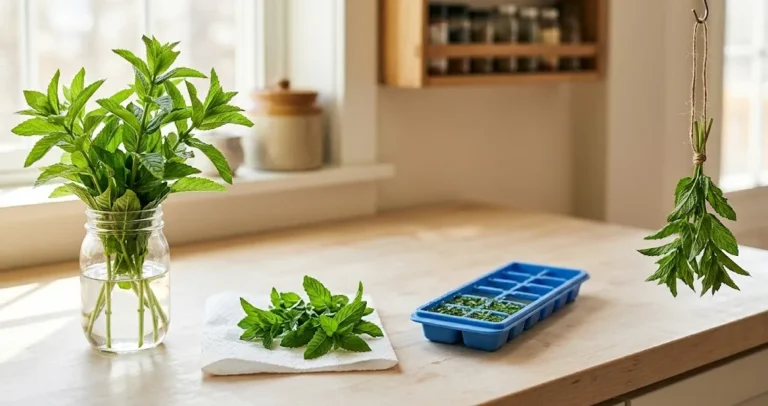
When cutting whole mature stems rather than loose leaves, treat the bundle like cut flowers. Trim stem ends and place the bouquet upright in a glass jar containing an inch of fresh water. Cover the top loosely with a plastic bag and place the jar in your refrigerator door. Change the water every two days to keep stems firm and hydrated.
Long-Term Preservation: Freezing Greens and Making Pesto
When summer heat causes plants to bolt to seed and produce excess foliage, freezing prevents unnecessary food waste. Because tender brassica leaves have high water content and delicate cell walls, freezing raw foliage directly causes leaves to thaw into a soft, watery mush unsuitable for raw salads. However, preserved greens excel in cooked recipes.

To freeze whole leaves for warm dishes, blanch the greens briefly in boiling water for thirty seconds, then immediately plunge them into an ice bath to halt cooking. Drain the blanched greens thoroughly, squeeze out excess water, and pack portioned bundles into an airtight freezer pouch. Blanching neutralizes the natural enzyme activity that would otherwise degrade color and flavor during cold storage, preserving quality for up to six months.

Another excellent preservation route is blending fresh leaves into a rich pesto. Puree clean foliage with olive oil, garlic, toasted pine nuts or walnuts, and sea salt. Spoon the mixture into ice cube trays and freeze until solid before transferring cubes into an airtight freezer container. These concentrated flavor cubes can be dropped directly into simmering pasta sauces, warm grain bowls, and skillet reductions throughout winter.
Reviving Limp or Wilted Greens
If your stored leaves lose crispness from mild dehydration, you can easily restore crisp texture with a brief cold water shock. Submerge wilted foliage in a bowl of ice water for ten to fifteen minutes. Plant cells will absorb moisture through osmosis, restoring turgor pressure and crispness. Spin the refreshed leaves completely dry in a salad spinner before serving.

Culinary Inspiration for Preserved Greens
Preserved greens bring a lively peppery dimension to countless culinary preparations. While crisp chilled leaves shine in fresh salads paired with shaved parmesan and lemon vinaigrette, frozen portions or oil purees melt effortlessly into warm risottos, savory egg frittatas, and roasted vegetable platters. Exploring delicious ways to cook with rocket ensures you make the most of every harvest, turning surplus garden crops into vibrant kitchen meals.
Frequently Asked Questions About Storing Fresh Greens
How long does fresh arugula last in the fridge?
When stored unwashed in an airtight container lined with dry paper towels, fresh leaves typically remain crisp for 7 to 10 days in the refrigerator. Whole stems kept in a jar of water last about one week.
Should you wash arugula before storing it?
It is best to leave leaves unwashed until meal preparation. If you must wash garden-fresh leaves to remove soil, dry them completely using a salad spinner before refrigeration, as trapped moisture causes rapid decay.
Can you freeze fresh leaves without blanching first?
You can freeze raw leaves by pureeing them with olive oil into a pesto or seasoned paste. Freezing whole unblanched leaves leads to significant flavor degradation and textural breakdown due to active enzymes.