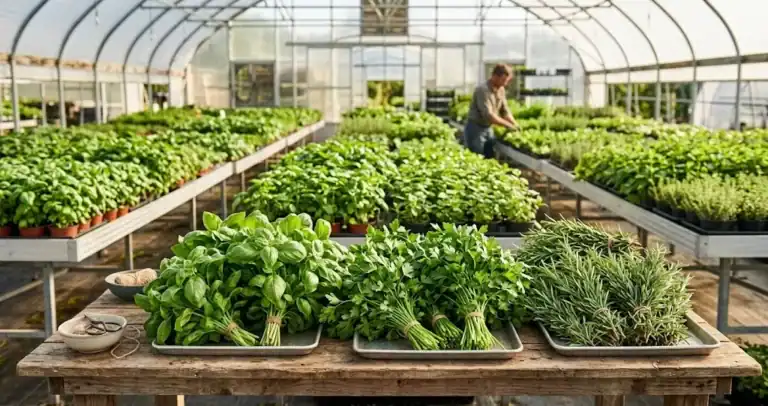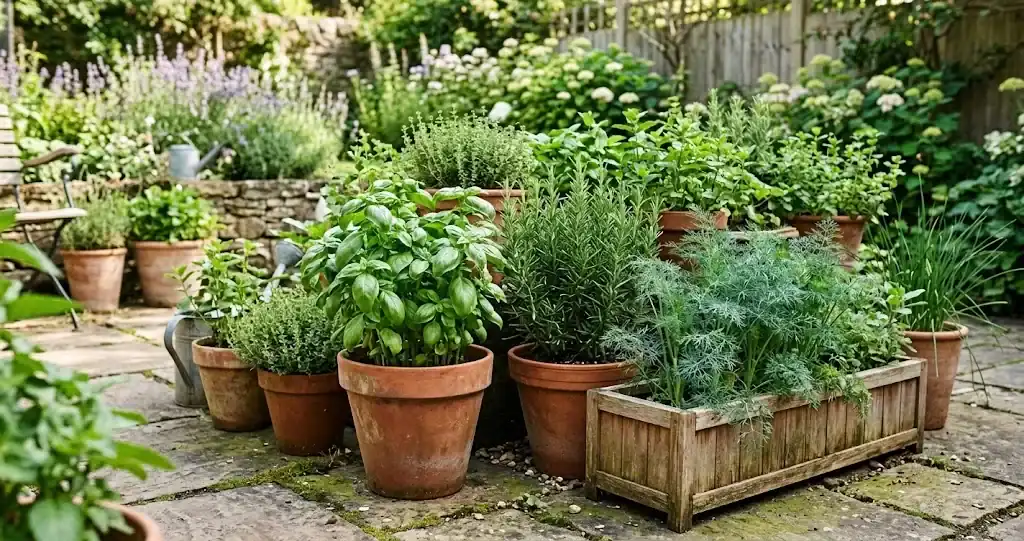
Few kitchen experiences feel as frustrating as buying a plastic clamshell of green leaves at the grocery store, using two sprigs for dinner, and discovering the rest turned to damp compost at the back of the refrigerator shelf. That cycle of expense and kitchen waste explains why so many cooks consider starting an herb patch of their own. Understanding the practical benefits of having an herb garden helps you decide what to plant, where to put it, and how much time you genuinely need to invest.
Unlike fruiting vegetables that demand deep soil, constant feeding, and months of patience before yielding a single bite, culinary herbs deliver immediate value. A healthy plant produces fragrant cuttings within days of settling into its soil. Whether you set a single pot on a sunny ledge or plant neat rows along a flagstone walkway, you gain immediate access to fresher seasonings while trimming household grocery spending.
Immediate Kitchen Flavor and Fragrance on Demand
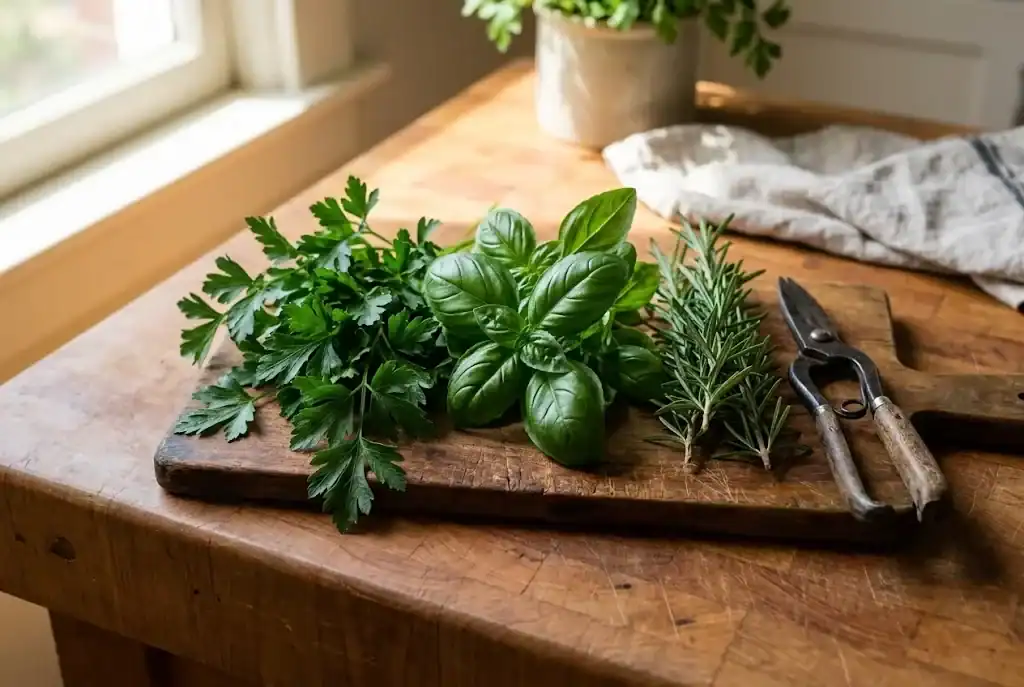
The clearest advantage of tending your own herb plants is flavor. Commercial cuttings travel through refrigerated supply chains for days before reaching retail shelves, losing volatile essential oils with every passing hour. When you snip fresh herbs right outside your kitchen door, those aromatic compounds remain intact, giving homemade meals vibrant character that prepackaged sprigs cannot match.
Having fresh herbs on hand also changes how you cook. Instead of treating culinary seasonings as expensive specialty ingredients, you use herbs generously to brighten everyday meals. Tender annuals like basil and cilantro provide bright green sweetness for summer salads and cold noodle bowls, while perennial sage and winter savory supply earthy warmth for roasted root vegetables and slow-simmered sauces. A quick handful of freshly chopped leaves turns simple scrambled eggs or a pot of white beans into something memorable.
Growing your own herbs also encourages creative cooking. When plants produce vigorously in the heat of midsummer, you naturally discover new ways to bring fresh flavor and variety to your dishes. An abundance of fragrant green leaves invites you to make rich batches of homemade pesto, while extra dill pairs naturally with pickled cucumbers or poached fish. Because the harvest is right at your fingertips, you can experiment freely without worrying about the cost of each leaf.
Stopping Grocery Waste and Trimming Food Costs
Store-bought herbs carry a steep financial and environmental price. The local grocery store routinely charges four dollars or more for a single plastic package containing barely a quarter-ounce of tender greens. Because cut culinary leaves have a notoriously short shelf life, half of that package often spoils before you find another recipe that calls for it.
When you grow herbs at home, you break that cycle of waste. You harvest only the exact sprig, leaf, or stem needed for tonight’s dinner, leaving the rest of the plant alive and thriving in its container or garden bed. Over the course of a single growing season, a single four-dollar nursery seedling or fifty-cent packet of seeds yields many times its purchase price in usable harvest.
This economic return makes starting an herb garden one of the most cost-effective food projects for home gardeners. Hardy Mediterranean species survive for years with minimal intervention, while fast-growing annuals produce continuous flushes of leaves from spring through autumn frosts. For readers seeking a broader horticultural roadmap before planting, our foundational guide to growing an herb garden details soil preparation, bed layout, and initial setup requirements.

Low-Maintenance Plants Suited for Any Living Space
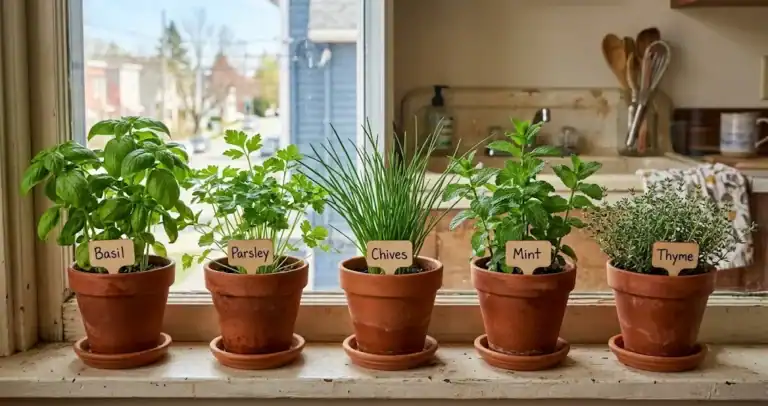
One of the greatest reasons to grow culinary greens is that they fit into spaces where traditional vegetable crops cannot survive. If you lack yard space, you can easily grow hardy herbs like chervil, chive, and thyme in shallow window boxes, balcony planters, or a simple decorative herb container. Many types of herbs require only four to six hours of sunlight and well-draining soil to flourish with minimal effort.
Caretaking is straightforward once plants establish themselves. Unlike nutrient-hungry tomatoes or cabbage, most herb plants actually develop richer flavor when grown in modest, lean soil rather than over-fertilized earth. Overfeeding often causes rapid vegetative growth that dilutes their prized aromatic oils. A light weekly soaking and occasional pruning to remove spent flowers keep most varieties compact, healthy, and productive.
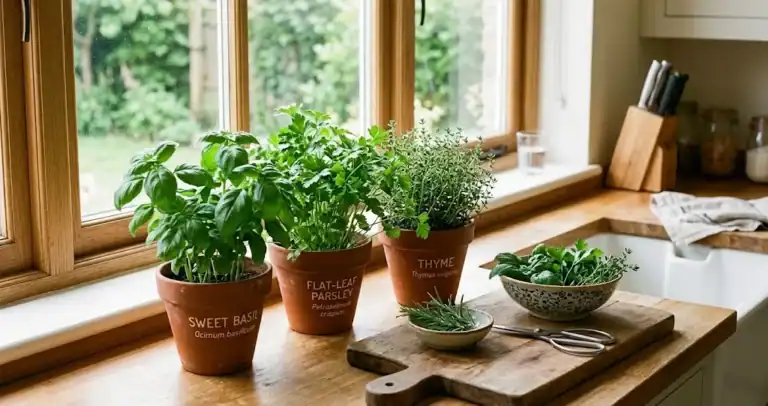
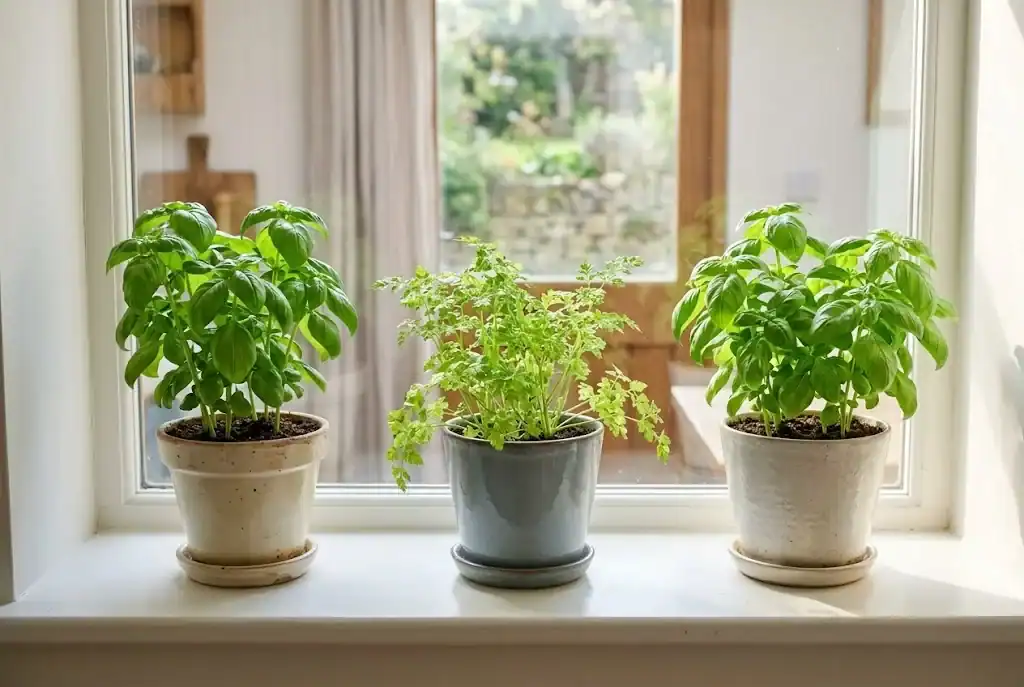
Container cultivation also allows flexible indoor growing during chilly seasons. Keeping a few pots of herbs indoors along a bright southern window lets you harvest green leaves even when outdoor beds go dormant. Gardeners who want to branch beyond basic kitchen pots can explore the practical everyday benefits of a home herb setup to see how thoughtful placement streamlines daily harvesting and household routines.
Ecological Value, Companion Planting, and Pollinator Support
Herb plants provide ecological advantages that ripple far beyond the kitchen table. When allowed to bloom, flowering herbs become a feast for beneficial insects. The open umbrella blossoms of dill and fennel attract predatory hoverflies and parasitic wasps, while the tiny purple spikes of flowering thyme and sweet marjoram draw native bees and honeybees in large numbers.
Integrating these plants into an ornamental landscape or a backyard vegetable garden provides natural pest deterrence. The strong scents produced by sage, spearmint, and peppermint confuse common garden pests, masking the presence of vulnerable brassicas and nightshades nearby. Gardeners who cultivate their beds organically rely heavily on these natural plant defenses to reduce pest damage without chemical sprays.
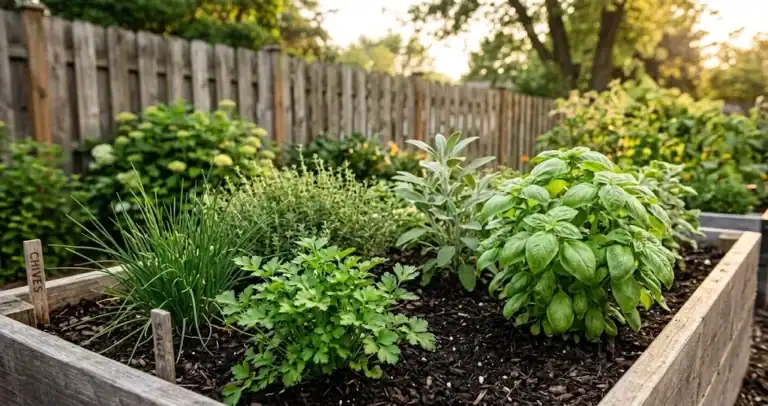
These ecological interactions become even more dynamic when plants settle into long-term ground beds. While container gardening offers convenience on a sunny deck, growing herbs directly in garden soil allows root systems to expand deeply, drawing minerals to the surface and contributing organic matter to surrounding soil biology as foliage sheds each autumn.

Traditional Home Wellness and Calming Daily Rituals
The rewards of an herb patch also reach into simple household wellbeing. For centuries, households grew gentle medicinal herbs to support daily health, brew comforting infusions, and craft soothing topical preparations. Steeping dried flowers from German chamomile into a warm evening tea offers mild relaxation, while crushed peppermint and lemon balm leaves provide a refreshing herbal infusion to help relieve everyday digestive tension after a heavy meal.
Gardeners also turn their homegrown botanical harvest into versatile personal care goods. Bright orange flower heads of calendula can be dried and infused into olive oil to formulate a gentle skin salve for chapped gardening hands, while sprigs of lavender and lemon verbena bring fresh scent to homemade cleaning sprays. Preparing a simple botanical tincture or dried leaf blend connects you intimately with the natural rhythms of plant growth and household self-reliance.
Working in the garden also offers a tangible mental reset. Taking ten quiet minutes in the morning to tend, weed, and snip fresh sprigs grounds your attention in tactile sensory details: the coarse texture of pungent evergreen leaves, the sharp citrus perfume of lemon thyme, and the hum of foraging insects among the blossoms. That brief daily communion with living plants provides genuine restoration that screen-bound indoor routines rarely match.
Reliable Herbs for Beginners to Start With
If you are ready to begin, start small with three or four reliable varieties that match your cooking habits and local sun conditions. Selecting forgiving plants builds confidence quickly and guarantees a steady supply of fresh seasonings:
- Sweet Basil: The cornerstone of summer cooking. Needs warm sun and consistent moisture; pinch stem tips regularly to prevent premature flowering.
- Italian Parsley: A resilient biennial that produces dark, deeply cut foliage packed with crisp mineral flavor for stocks, sauces, and garnishes.
- Rosemary: A drought-tolerant woody perennial that thrives in gritty, fast-draining soil and full sun, providing needle-like evergreen leaves all year.
- Greek Oregano: A vigorous groundcover that loves dry heat and lean soil, yielding intensely pungent leaves for roasted meats and marinades.
- Garden Thyme: A compact subshrub that tolerates poor soil and light neglect while offering fragrant tiny leaves for slow-cooked soups and stews.
Frequently Asked Questions
Is it worth it to grow your own herbs?
Growing your own herbs is one of the most cost-effective gardening projects you can undertake. A single nursery start or seed packet costs about the same as one supermarket clamshell, yet produces continuous harvests across multiple months or years. You eliminate food waste by harvesting only what a meal requires.
Is it better to grow herbs indoors or outdoors?
Most culinary herbs produce the highest concentrations of aromatic oils outdoors under full, direct sunlight. However, sunny south-facing windowsills or simple indoor grow lights provide plenty of energy for shade-tolerant or tender herbs like chives, parsley, and basil, allowing fresh harvests throughout winter.
What herbs should not be planted together?
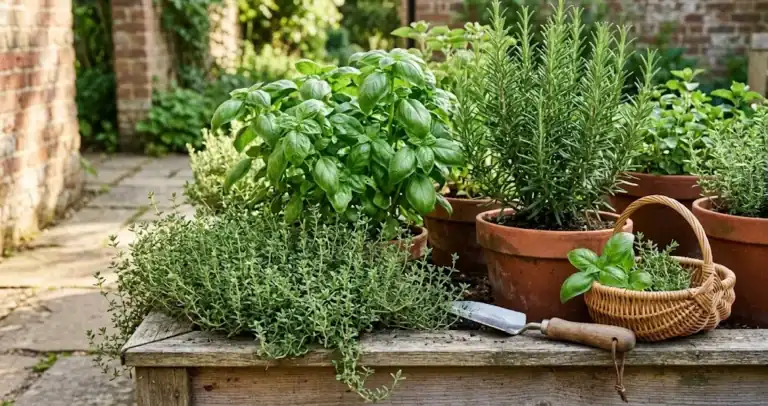
Keep herbs with contrasting moisture needs in separate containers or distinct zones. Moisture-loving plants like basil, parsley, and chives should not be crowded next to Mediterranean species like rosemary, thyme, and lavender, which require sharp drainage and suffer root rot in continuously wet soil. Aggressive spreaders like mint should always grow in dedicated pots.
Sources and Further Reading
- National Center for Complementary and Integrative Health (NCCIH). Herbs at a Glance: Botanical Profiles and Science-Based Fact Sheets. National Institutes of Health.
- Penn State Extension. Herb Gardening Basics: Selection, Planting, and Maintenance. College of Agricultural Sciences, Pennsylvania State University.