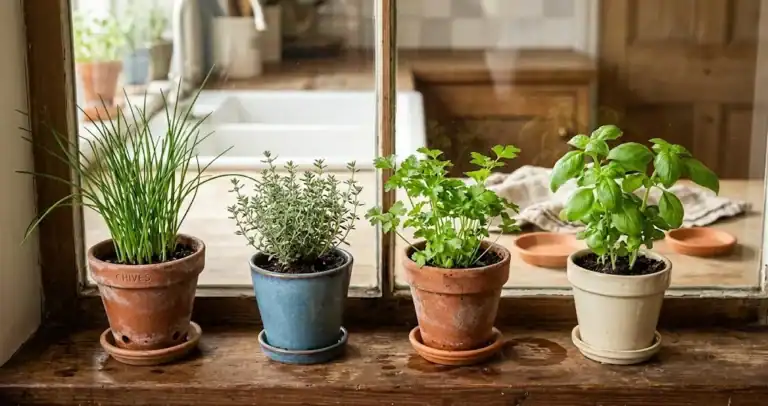
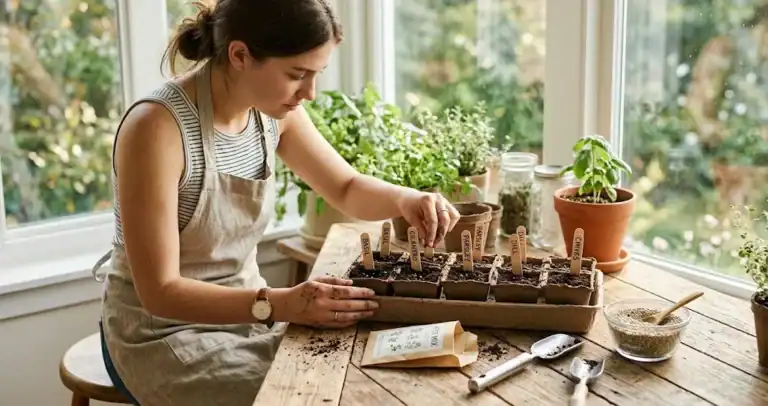
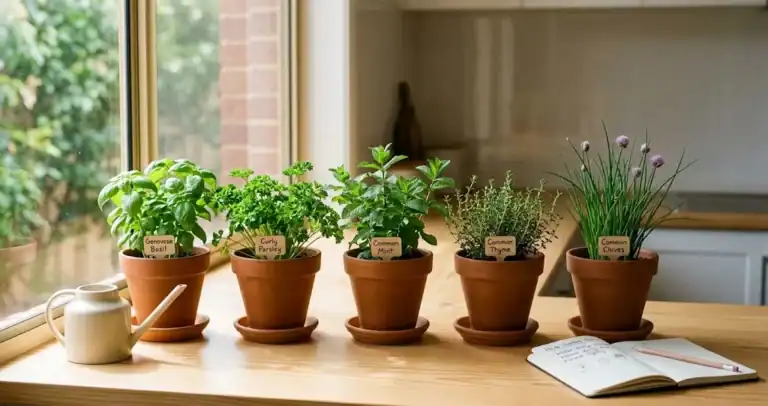
Few culinary pleasures compare to stepping across the kitchen and snipping tender basil leaves directly into a simmering tomato sauce. If you have ever bought a plastic clamshell of supermarket greens only to watch it turn dark and slimy three days later, you already know the frustration of store-bought herbs. A thriving indoor herb garden solves that problem at the source, offering vibrant sprigs whenever inspiration strikes.
Bringing edible plants into your living space creates a steady supply of culinary seasoning, reduces kitchen waste, and brightens the home. If you are new to cultivation, our beginner’s guide to growing an herb garden explains how garden planning, seasonal cycles, and basic soil care come together. Understanding the full range of indoor herb garden benefits helps every home gardener select the right containers, care for indoor herbs with confidence, and establish a rewarding daily routine.
Culinary Flavor and Peak Nutrition on Demand
The primary reason cooks grow indoor herbs is unmatched culinary flavor. Commercially packaged greens travel hundreds of miles through refrigerated distribution chains before reaching retail shelves, losing volatile essential oils with every passing day. In contrast, freshly picked herbs retain their full concentration of aromatic terpenes and moisture, lifting simple weeknight meals into memorable dinners.
When you grow herbs on a bright windowsill, you can harvest fresh herbs in exact amounts right before serving. Adding fresh herbs toward the end of cooking protects delicate foliage from high heat, ensuring you preserve the herb’s natural aroma and taste in vinaigrettes, roasted vegetables, and pasta sauces. A living windowsill garden provides immediate access to punchy seasonings without requiring a trip to the store.

Home cultivation also makes substituting fresh herbs for dried herbs simple. Because dried seasonings are concentrated, a standard culinary rule calls for three times the volume of fresh leaves when replacing dried counterparts in a recipe. Having living pots nearby encourages regular kitchen experimentation, allowing you to use fresh herbs generously across every season.
Financial Savings and Reduced Kitchen Waste
Cultivating an indoor garden delivers welcome financial relief from inflated grocery receipts. Pre-cut packaged sprigs often cost three or four dollars for a tiny bundle, even though most recipes call for only a stem or two. The remainder often wilts forgotten in the refrigerator crisper drawer, wasting money and food.
A single potted herb plant purchased from a nursery or raised from seed costs roughly the same as one plastic package, yet it yields repeated clippings for months. Because you harvest leaf by leaf, you cut only what dinner requires, leaving the root system intact to produce new growth. Over a single winter, keeping multiple indoor herbs thriving inside easily pays for the initial setup.
Growing your own herbs also protects your household budget against grocery shortages and price spikes. When freezing weather ends the outdoor growing season, retail produce prices rise while quality drops. Maintaining productive indoor herb gardens on an apartment ledge guarantees fresh herbs year-round, insulating your cooking from seasonal price hikes. For small apartments, compact herb gardens offer reliable returns with minimal investment.
Everyday Health and Well-Being Benefits
Beyond culinary convenience, the benefits of growing edible plants indoors touch everyday nutrition and household well-being. Freshly harvested culinary herbs provide valuable dietary polyphenols and antioxidant compounds that support overall health as part of a balanced diet. Nutritional analyses compiled by USDA FoodData Central demonstrate that culinary herbs supply concentrated micronutrients and protective plant compounds. Peer-reviewed phytotherapy evaluations indexed by the National Institutes of Health (NIH) confirm that common kitchen botanicals such as rosemary, oregano, and thyme contain bioactive polyphenols that exhibit notable antioxidant activity in laboratory models. While everyday kitchen garnishes do not treat medical conditions, incorporating diverse spices and herbs into home meals is a delicious way to reduce dietary sodium while enhancing flavor.
Nurturing indoor plants also provides quiet psychological grounding. Horticultural therapy research indicates that tending foliage lowers mental fatigue and encourages mindful pauses throughout a busy workday. The multisensory engagement of brushing past fragrant foliage, breathing in the scent of crushed leaves, and watching tender shoots emerge fosters an uplifting connection to the natural world. Many people discover that the routine benefits of gardening deliver a welcome sense of calm that transforms an ordinary room.
Living plants also gently influence indoor air quality and humidity. While container greens cannot replace mechanical home ventilation, transpiring foliage releases clean moisture into dry winter rooms. Combining culinary herbs with traditional houseplants creates a greener living environment that feels vibrant and inviting.
Growing organic herbs at home also gives you complete peace of mind. Commercial produce often carries pesticide residues, but growing an indoor herb garden allows you to cultivate pure, unsprayed greens without chemical treatments. Unlike an outdoor vegetable garden exposed to street dust, garden pests, or neighborhood pets, tabletop herb gardens remain clean and protected indoors.
Top Culinary Herbs That Thrive Indoors
Certain culinary varieties adapt exceptionally well to indoor growing conditions. Choosing herbs with similar moisture and temperature preferences simplifies container management and ensures consistent harvests throughout the year.

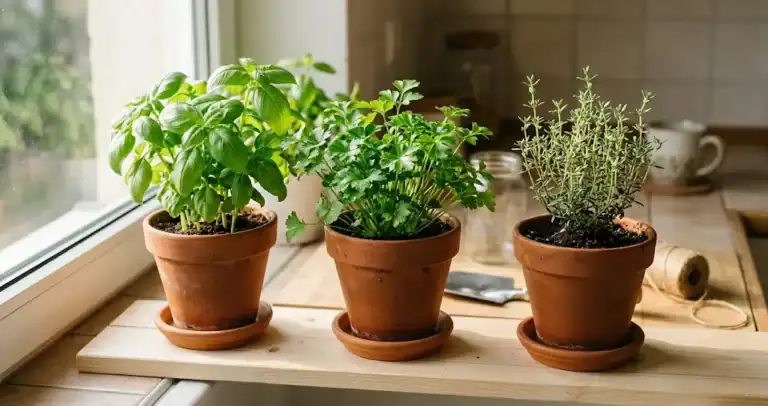
Sweet basil remains an essential favorite for warm, sunny spots. Potted basil requires warm air, rich potting soil, and steady hydration to keep its broad green leaves succulent. Regular pinching of terminal stems prevents early flowering and stimulates bushy, dense branching.
Woody perennial herbs like rosemary, thyme, oregano, and sage originate from arid Mediterranean hillsides. These varieties demand gritty, free-draining potting mix and deep, infrequent watering. They prefer their soil to dry out moderately between waterings and quickly develop root rot if left in soggy saucers.
Flat-leaf parsley and garden chive plants are cold-tolerant, resilient crops that are remarkably easy to grow. Chives grow vigorously from slender bulbs, providing mild onion flavor whenever clipped two inches above the soil line. Parsley takes up very little counter space while yielding dense umbrellas of vitamin-rich leaves.
Vigorous spreaders such as mint should always occupy an individual pot. Left unchecked, aggressive stolons can overwhelm companion roots in shared planters. Keeping spearmint or peppermint in a separate container provides fragrant sprigs for herbal teas and summer beverages without crowding delicate neighbors.
Essential Care: Setting Up for Indoor Success
Crops for an indoor herb garden are easy to start once you understand basic horticultural needs. Beginners often stumble by underestimating light levels or overwatering containers, but providing proper light and drainage forms the bedrock of long-term vitality.
If you are planning your first setup, take time to study what to consider before growing herbs indoors, including sill weight limits, temperature fluctuations near window glass, and container selection. Evaluating your space in advance ensures you match plant selections to your actual microclimate.
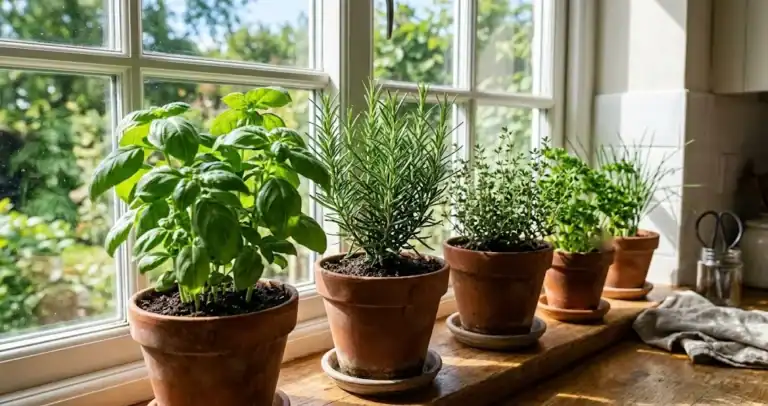
Light represents the most critical factor when you grow herbs indoors. Most culinary varieties require at least six hours of sunlight a day to build sturdy stems and concentrate essential oils. Position containers on an unobstructed south-facing or west-facing windowsill to capture maximum natural light. If a chosen spot in your home lacks sufficient light during short winter days, install a modest LED grow light or standard cool white fluorescent bulbs positioned a few inches above the foliage. Providing twelve to fourteen hours of supplemental illumination ensures plants receive enough light to stay compact and vigorous. With adequate brightness, keeping healthy indoor herbs thriving becomes straightforward.

Moisture management requires equal attention. Indoor pots must feature functional drainage holes to let excess water escape freely. Always select a sturdy pot with an accompanying saucer, and use a lightweight, porous potting mix containing peat moss, perlite, and compost rather than heavy garden soil that compacts in containers. During winter heating months when indoor air turns arid, place herbs over a pan of moist pebbles or group pots together to raise localized humidity without waterlogging roots.

Feeding indoor herbs calls for a light touch. Over-fertilizing stimulates rapid, sappy growth that lacks intense culinary flavor. During active spring and summer growth, fertilize herbs with a low dose of balanced, organic water-soluble fertilizer diluted to half strength once every four weeks. In late autumn and winter, pause feeding while plants rest under shorter daylight hours.
Connecting Your Indoor Greens to a Broader Garden
Starting an indoor herb garden serves as a welcoming gateway into broader horticultural pursuits. Small-scale container cultivation on a sunny ledge teaches essential lessons about moisture cycles, root health, and pruning techniques that apply across all plant cultivation. Dedicated herb gardens turn windowsill gardening into a practical culinary craft.
Carefully planned kitchen herb gardens offer immense daily satisfaction, supplying crisp sprigs whenever you prepare dinner. Tending these miniature plots teaches you how different varieties respond to sunlight, soil moisture, and trimming.
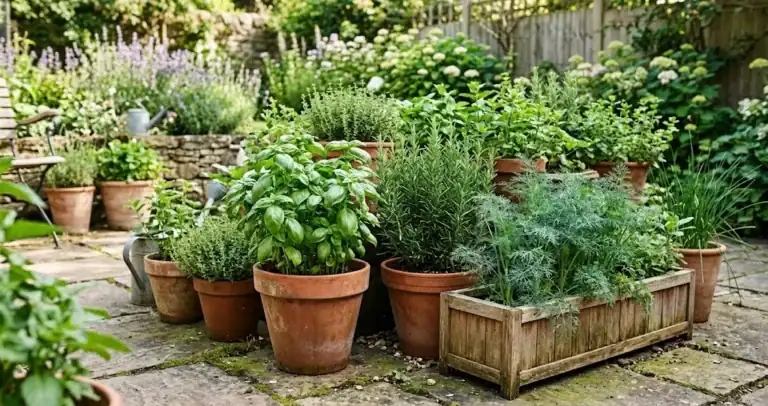
As your confidence grows, you might explore expanding beyond windowsill planters. Understanding the broader benefits of having a home herb garden can motivate you to establish patio containers, raised backyard beds, or dedicated kitchen garden plots when spring arrives. Whether you cultivate a single pot of sweet basil or maintain several productive herb gardens across your home, growing edible plants enriches your cooking, supports daily wellness, and brings lasting satisfaction to everyday life.