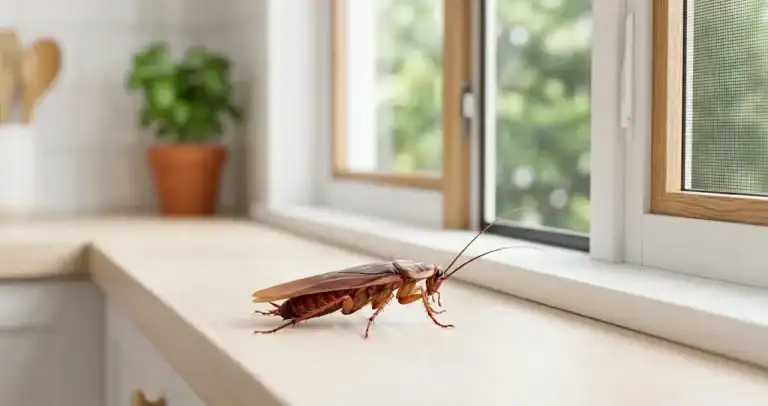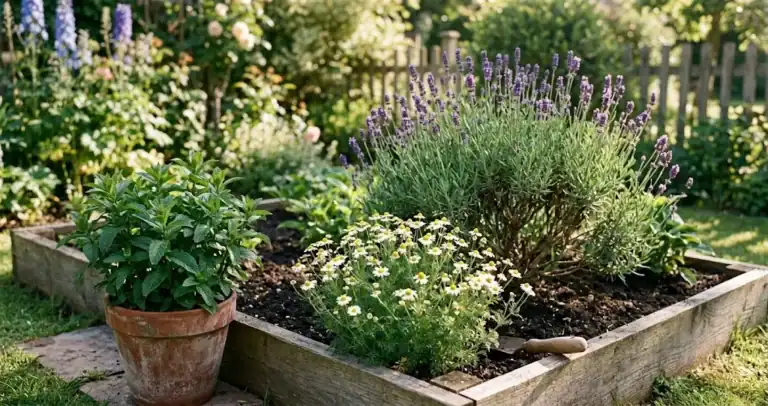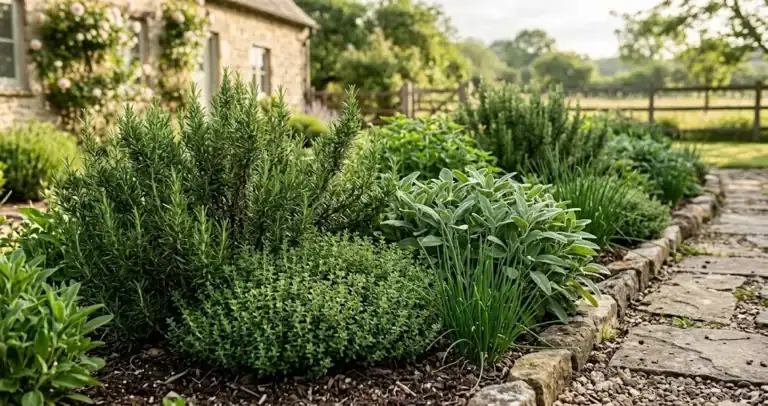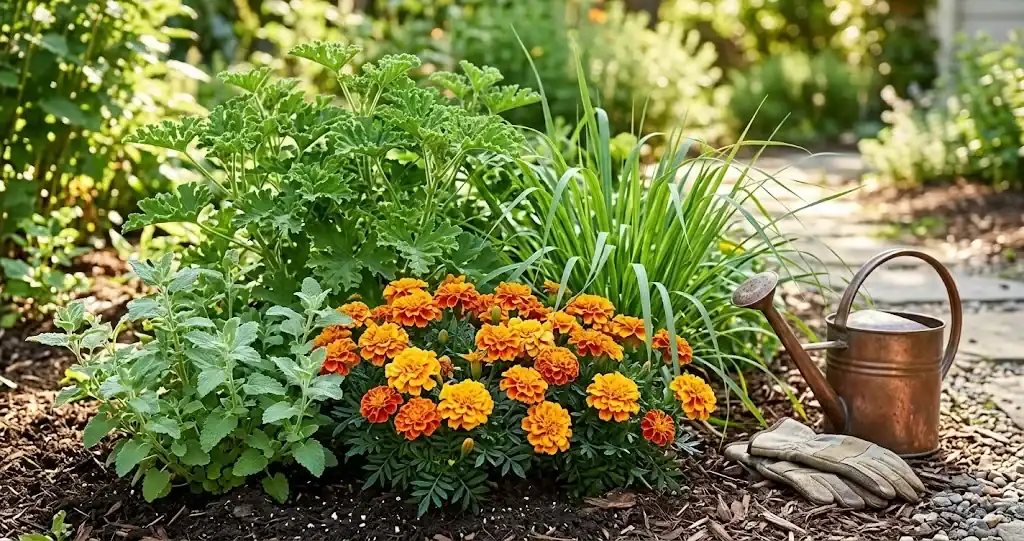
Fragrant herbs and flowers can make a patio more pleasant, but a pot of plants is not a dependable mosquito repellent. The scent is strongest when leaves are brushed or crushed, and it does not create a protective barrier around a deck or garden. Think of these plants as attractive additions to a mosquito-smart garden, not as protection from bites.

Do mosquito-repelling plants actually work?
Many aromatic plants contain fragrant compounds, but a living plant by itself has not been shown to reliably keep mosquitoes away from people. The University of Minnesota Extension notes that aromatic plants do not repel mosquitoes outright, though brushing or crushing leaves releases scent that may make it harder for mosquitoes to locate you. That can be a pleasant garden detail, but it is not a substitute for bite prevention.
If mosquitoes may spread disease where you live or travel, use a product registered with the Environmental Protection Agency, wear protective clothing, and reduce breeding sites. The CDC recommends EPA-registered repellents because the EPA evaluates their effectiveness. Plants can still earn a place beside a patio for their fragrance, flowers, and culinary value.
Start with mosquito control that works
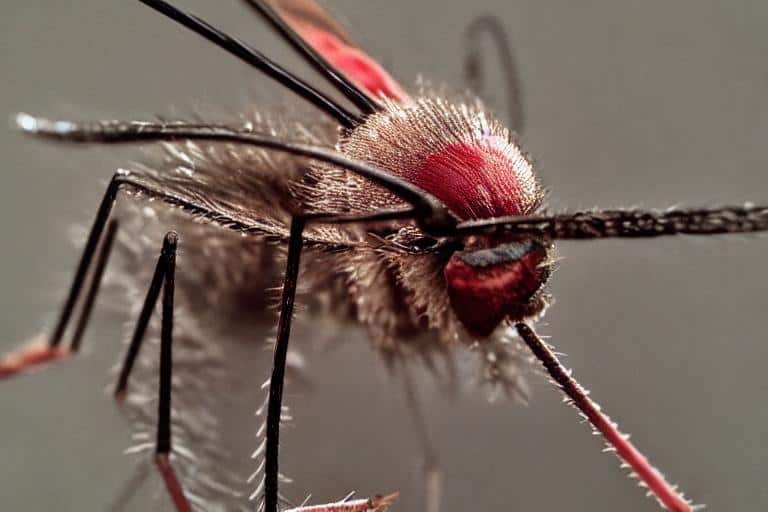
Mosquitoes lay eggs near water. Once a week, empty and scrub, turn over, cover, or discard containers that hold water, including flowerpot saucers, birdbaths, toys, buckets, and rain barrels. Repair window and door screens, and use a fan where you sit outdoors. These steps address the habitat mosquitoes need rather than asking a few plants to do all the work. See the CDC’s practical mosquito-control guidance for homes for a full checklist.
For personal protection, select an EPA-registered repellent and follow its label. CDC lists DEET, picaridin, IR3535, oil of lemon eucalyptus, PMD, and 2-undecanone among active ingredients used in registered products. Do not assume that a product described as natural has been evaluated for effectiveness. If you use sunscreen too, apply sunscreen first and repellent second.
How plants fit into a mosquito-smart garden
Place fragrant plants where you will enjoy touching them, such as near a path, a kitchen-garden edge, or containers by a seat. Their leaves and flowers can add color, fragrance, and food for pollinators. Keep saucers from holding water, give plants good airflow, and do not crowd a patio with dense foliage that creates a cool, sheltered resting place for adult mosquitoes.
Some extracts and formulated products have repellent activity, but that is different from growing the source plant. For example, citronella oil is distilled from grasses, while a citronella-scented geranium is a Pelargonium. Neither a candle nor a patio plant should be your only protection when bites are likely.
Plants worth growing for fragrance and the garden
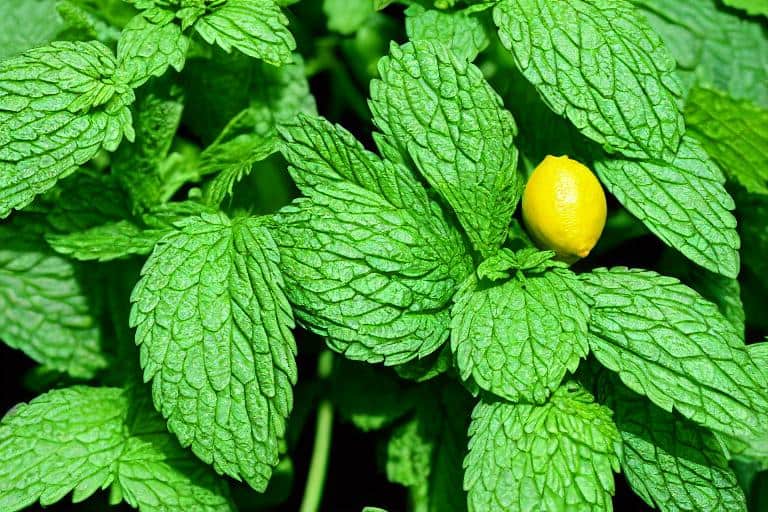
The following plants are often called mosquito-repelling plants. Grow them because you like the plant, then use proven mosquito-control measures as well. Research on individual essential oils or extracts does not prove that an intact plant in a pot will protect people nearby.
Lemongrass and citronella grass
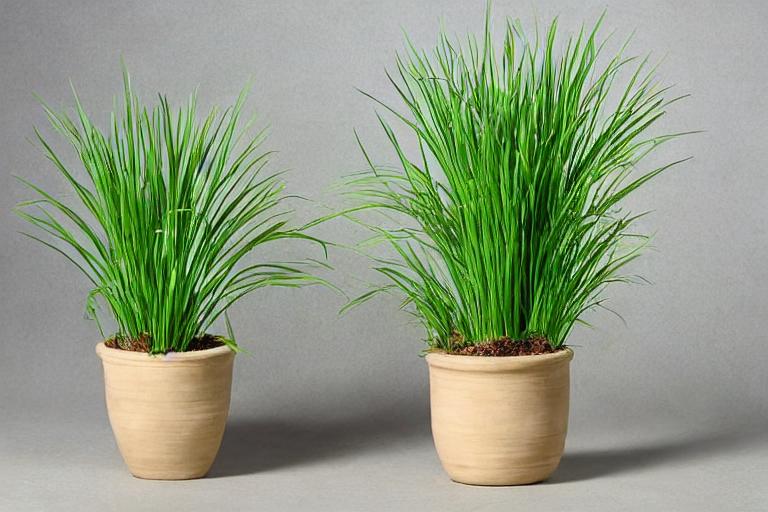
Lemongrass is a useful culinary grass with a bright citrus aroma. True citronella grass is most commonly Cymbopogon nardus or Cymbopogon winterianus, while culinary lemongrass is usually Cymbopogon citratus. Citronella oil is distilled from grass varieties and is used in some repellent products. The National Pesticide Information Center explains that the oil repels pests rather than killing them, and it should be used according to its product label.
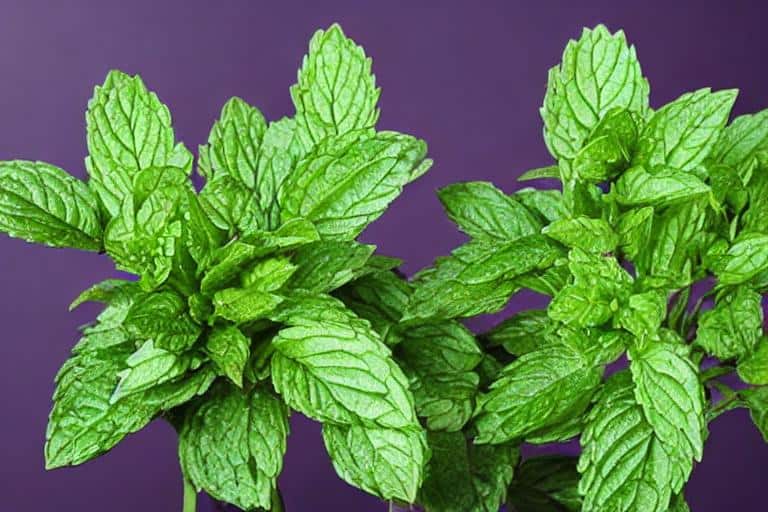
A citronella geranium, sometimes sold as a mosquito plant, is not true citronella grass. It is a scented Pelargonium, not a source of the same citronella oil. It can be a lovely container plant, but do not buy it expecting it to protect a patio from bites.
Basil, rosemary, mint, and peppermint
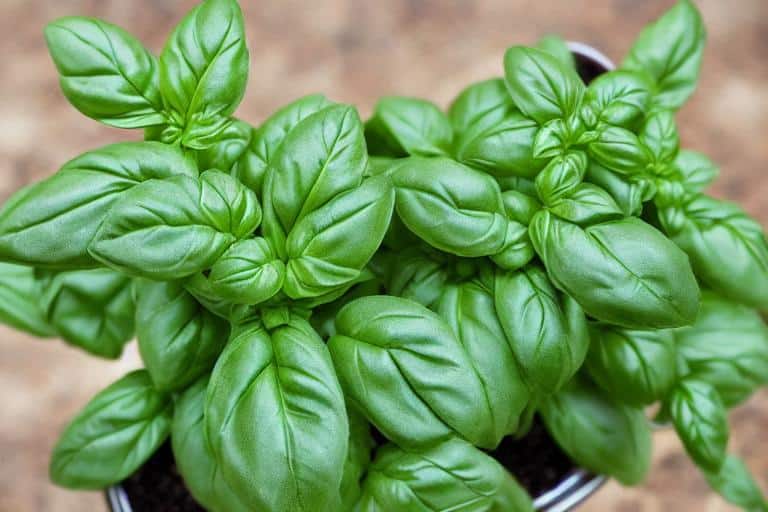
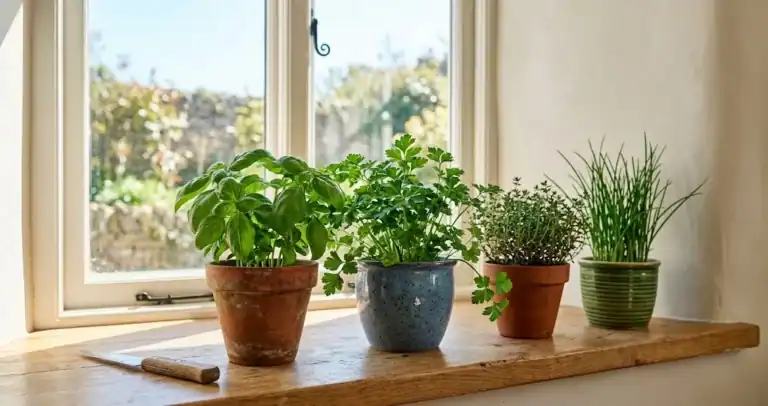
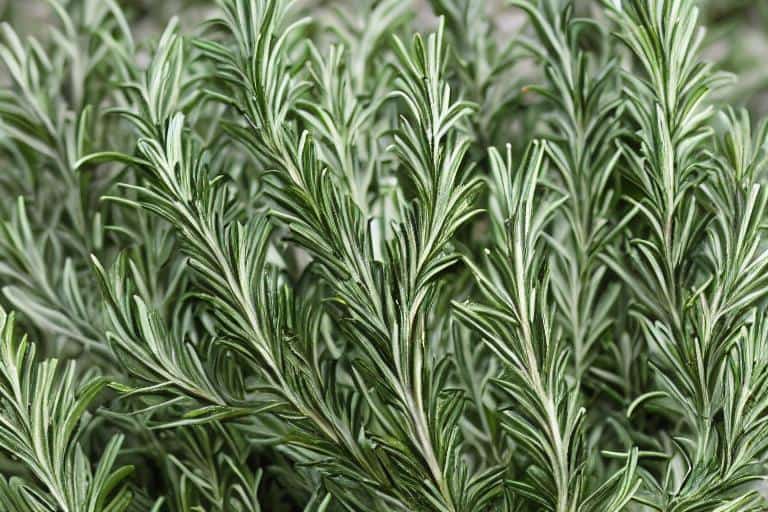
Basil, rosemary, mint, and peppermint are rewarding herbs for containers and garden beds. Basil likes warmth and regular picking. Rosemary needs sun and fast-draining soil. Mint spreads quickly in open ground, so a pot is often the simplest choice. Their fragrance is strongest when leaves are handled, but there is not good evidence that a pot of these herbs prevents mosquito bites.
Use these herbs in cooking, not as ingredients for homemade skin repellents. Essential oils are concentrated products, not interchangeable with leaves. Do not apply an undiluted essential oil to skin or make a homemade spray in place of a labeled repellent. Skin irritation and allergic reactions are possible, and a small patch test does not establish that a mixture prevents bites.
Lavender, catnip, lemon balm, bee balm, and thyme
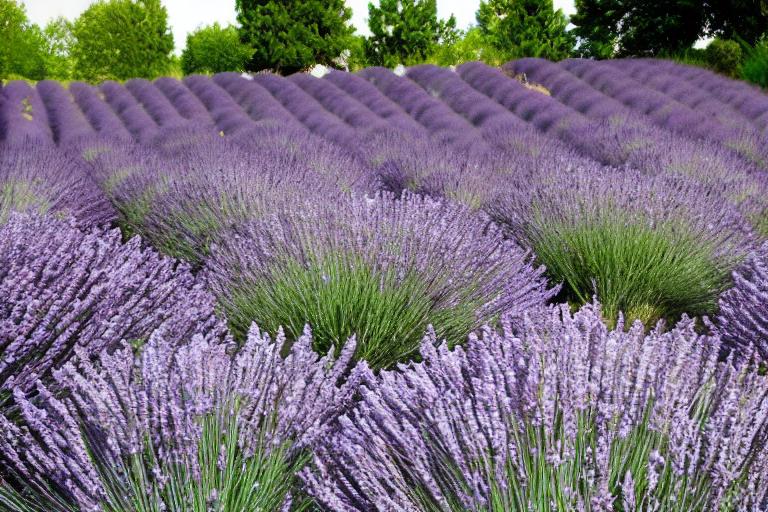
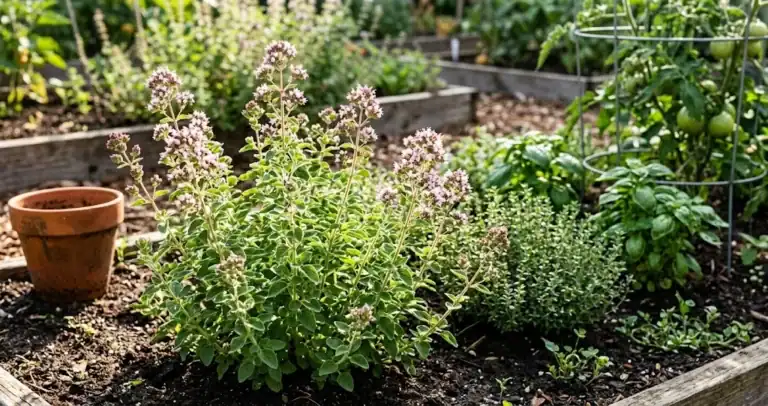
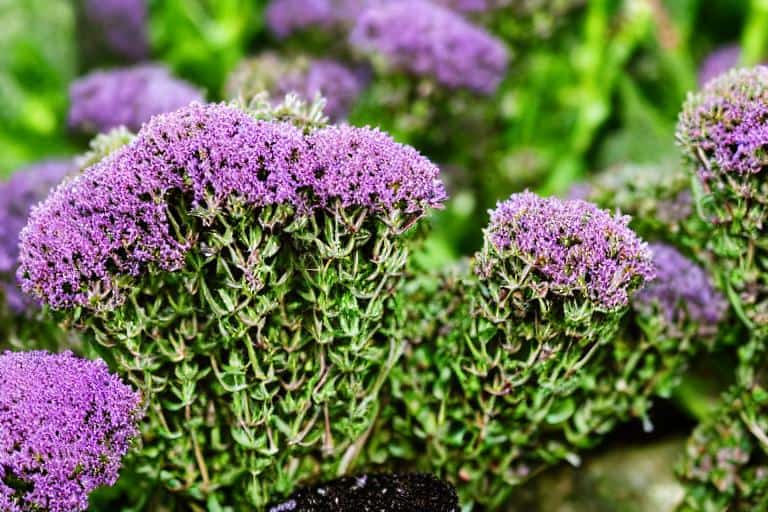
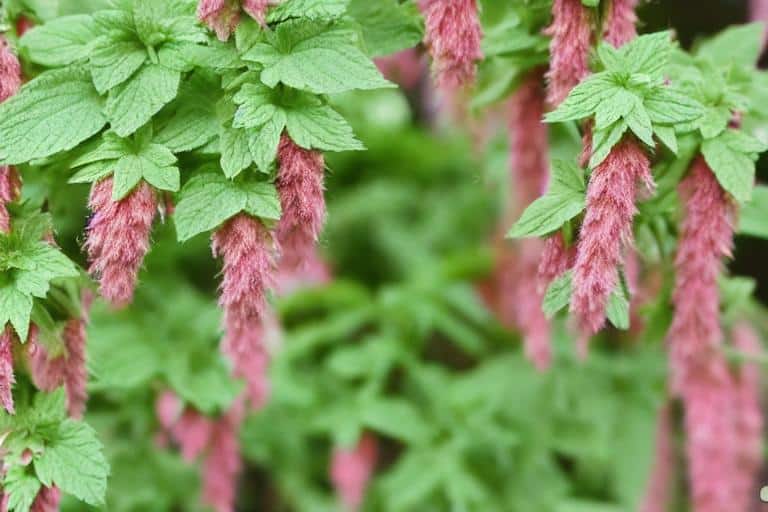
Lavender, catnip, lemon balm, bee balm, and thyme are all fragrant choices for a sunny border. Lavender needs excellent drainage, while lemon balm and bee balm can spread in favorable soil. Catnip is a hardy mint-family plant with soft foliage. Their scent may be enjoyable around a seating area, especially after leaves are brushed, but treat any mosquito-repellent claim as limited to particular tested extracts, not the whole plant.
Lemon balm has a lemony scent and belongs to the mint family. It is not a proven treatment for mosquito bites. For a mild bite, avoid scratching, wash the area, and use advice from a clinician or pharmacist if you need symptom relief. Seek urgent medical care for trouble breathing, swelling of the lips or throat, or a severe reaction.
Marigolds, ageratum, lantana, and beautyberry
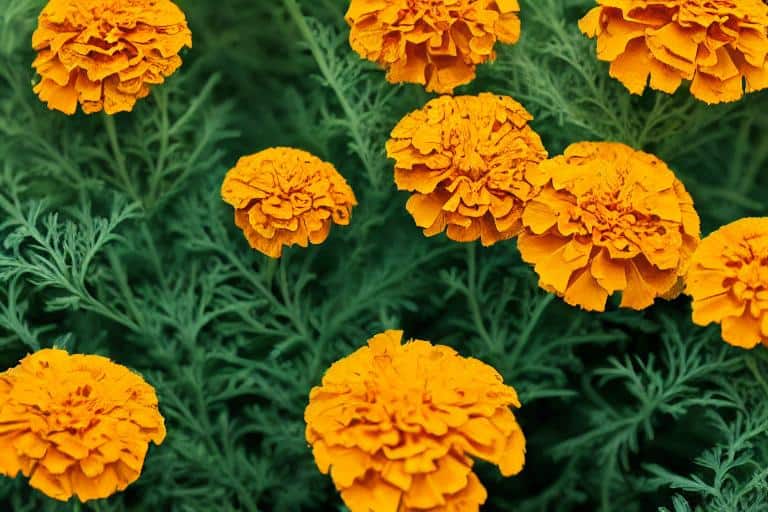
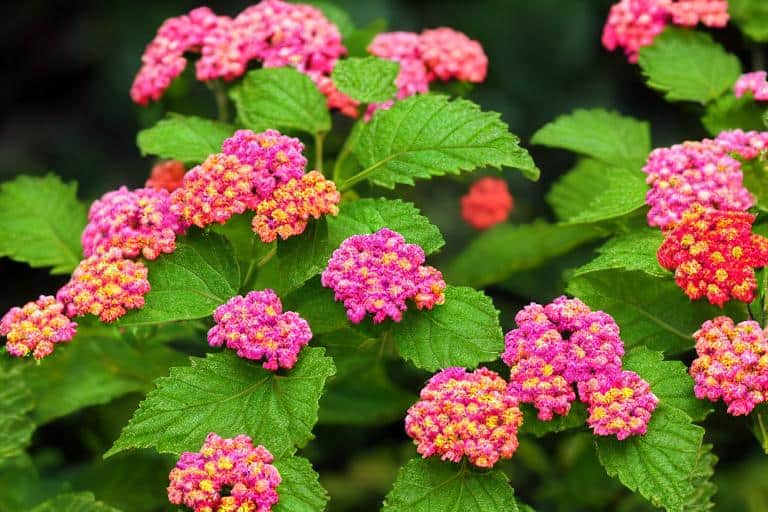
Marigolds, ageratum, lantana, and American beautyberry are grown mainly for ornament. Their flowers can bring color to beds and containers, but evidence does not support relying on them as a personal mosquito repellent. Lantana camara can be invasive in warm regions, so check local guidance before planting. Beautyberry’s purple berries are ornamental, not a mosquito repellent.

Dill, fennel, cilantro, garlic, and pennyroyal
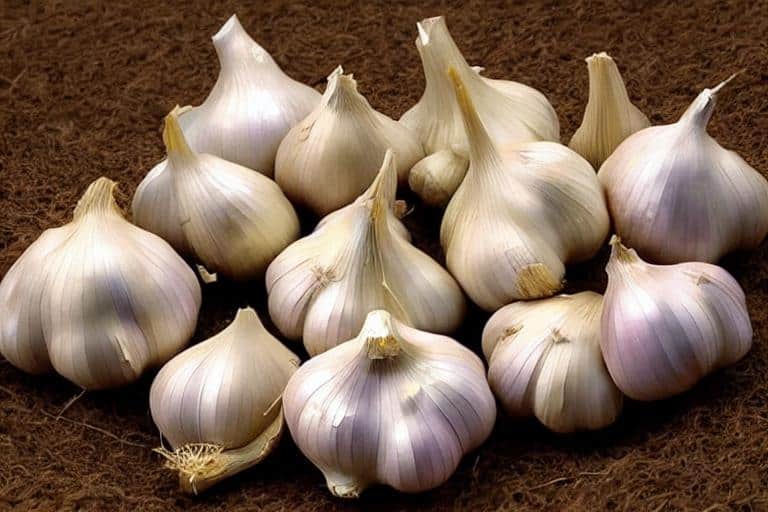
Dill, fennel, cilantro, garlic, and pennyroyal appear in many lists of mosquito plants, but they are not reliable bite prevention. Grow dill, fennel, cilantro, and garlic for the kitchen. Fennel is Foeniculum vulgare; its leaves, seeds, and bulb have different culinary uses. Cilantro is the leaf of Coriandrum sativum, and coriander usually refers to its seed.
Pennyroyal deserves special care. Both American and European pennyroyal have a history of use in folk remedies, but pennyroyal oil can be dangerous if swallowed. Do not ingest it, use it to treat bites, or make a skin product from it. Keep concentrated oils away from children and contact Poison Control or seek urgent medical help after an exposure.
More plants often included on mosquito-plant lists
It is easy to see why lists of mosquito-repelling plants became popular. A patio planted with herbs and flowers feels more inviting, and some leaves release a strong fragrance when you brush past them. The trouble starts when a pleasant scent becomes a promise of protection. Use this group of plants for ordinary garden reasons first, and let mosquito control come from the measures that are known to reduce bites.
Garlic is a sun-loving crop with white flower heads and bulbs that store well after harvest. It is useful in the kitchen, but planting garlic around a deck does not create a mosquito-free zone. A clove in the ground grows into a plant, not a personal repellent. Avoid homemade garlic sprays on skin or near eyes, where they can cause irritation.
Dill has fine, feathery leaves and yellow umbrella-shaped flowers. It is an annual that can self-seed in a good spot. Let a few flowers develop if you want to attract beneficial insects, then collect seed for the kitchen. Claims that dill leaves or carvone from a garden plant can protect people from mosquito bites are not strong enough to rely on.
Fennel is taller and more substantial than dill, with a sweet anise-like scent. Common fennel can become large and spread readily, so give it room and check whether it is invasive in your region. The edible bulb of Florence fennel is a different cultivated form from the tall herb often grown for seed. Its fragrance is not a reason to skip repellent.
Cilantro grows quickly in cool weather, while its seeds are harvested as coriander. Succession sowing every few weeks gives a longer harvest. It bolts when weather turns hot, so partial afternoon shade can help. Fresh cilantro is a flavorful herb, but it is not a dependable barrier against mosquitoes outdoors.
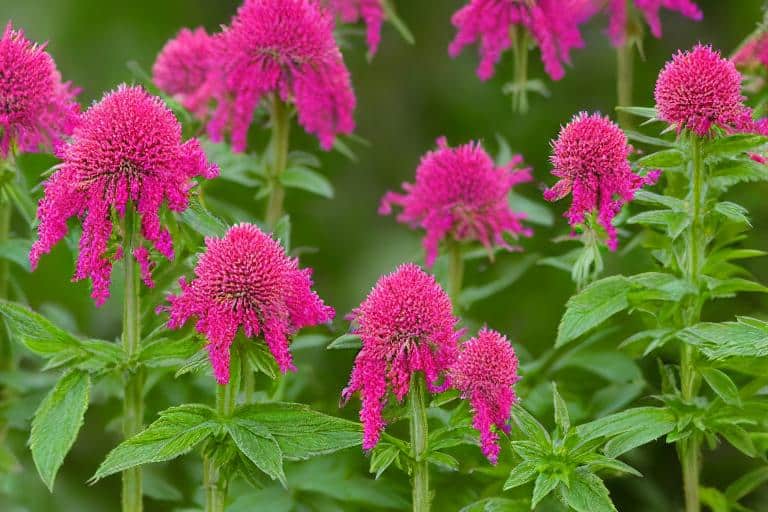
Monarda, often called bee balm, has showy flowers that attract hummingbirds and pollinators. It grows best with steady moisture and good airflow, which also helps limit powdery mildew. Rub a leaf to enjoy its spicy fragrance, but leave its role there. The plant belongs in a flower border for its blooms rather than as a replacement for bite prevention.
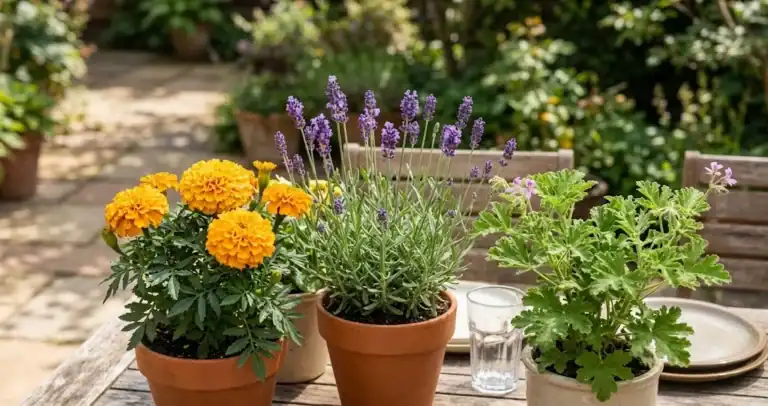
Scented geraniums are Pelargoniums with leaves that can smell of lemon, rose, or mint. The lemon-scented varieties are often marketed under citronella names. Their textured foliage and delicate flowers make them fine container plants, especially where winters are cold. A scent alone, however, does not establish that the plant repels mosquitoes from a room, porch, or yard.
Ageratum is a compact annual with fluffy blue, purple, pink, or white flowers. It is useful for filling gaps in a sunny border or container and can flower for a long season with regular deadheading. Its appearance on mosquito-plant lists should not be read as a claim of personal protection. Keep the soil surface and nearby saucers free of pooled water instead.
American beautyberry, Callicarpa americana, is a native shrub in parts of the southeastern United States. The bright purple fruit is striking in fall and can support wildlife. While beautyberry leaf extracts have been investigated, that does not mean the berries or a shrub beside a chair repel mosquitoes. Do not rub berries or leaves on skin as a do-it-yourself repellent.
Lantana produces clustered flowers in bright colors and tolerates heat once established. It can be a perennial shrub in frost-free climates and an annual elsewhere. Choose sterile cultivars where appropriate and ask a local extension office about invasiveness. Its garden value is visual and ecological, not a proven mosquito-control function.
Marigolds are easy annuals for pots, edging, and vegetable beds. French marigolds stay compact, while African marigolds grow taller and make bold cut flowers. They can make a patio cheerful, but their scent does not reliably keep mosquitoes from biting. Keep their containers from collecting water after rain.
Lavender suits a hot, sunny, well-drained site and is often happiest in a raised bed or gravelly border. It needs less water once established than many annual flowers. Harvest stems for a vase or sachet if you enjoy the fragrance. The plant may make a sitting area feel calmer, but its scent is not a substitute for a registered repellent.
Catnip and catmint are related but not identical garden plants. Both have fragrant foliage and can spread, especially in loose soil. Their flowers appeal to pollinators, while catnip may attract cats. If you plant them near a patio, choose the spot for their growth habit and flowers, not because the leaves guarantee fewer mosquito bites.
Lemon balm grows readily from divisions or young plants and appreciates regular cutting. It can spread by seed and runners, so a container can make it easier to manage. Its fresh lemon fragrance is lovely in the garden and in food, but it should not be used as a homemade treatment or repellent for mosquito bites.
Thyme is a low-growing herb that works well at the edge of a sunny bed, between stepping stones, or in a container. Many varieties need lean, well-drained soil and are damaged by wet winter conditions. Plant it for cooking and groundcover texture. There is not enough evidence to treat thyme in a pot as mosquito protection.
Peppermint and other mints are vigorous growers that appreciate moist soil. A wide pot is a practical way to keep their roots from taking over a bed. Pick leaves for tea or cooking, and remove flower stems if you want to encourage leafy growth. Do not assume the aroma means that mosquitoes will stay away from everyone nearby.
A note on research and realistic expectations
Laboratory studies can test a purified compound, a concentrated oil, or an extract at a particular dose. A plant growing outside is a different situation. Wind disperses scent, weather changes how strongly plants smell, and mosquitoes respond to several cues from people. Even a product that performs in a controlled study may offer less protection when heat, sweat, water, or friction remove it. That is why labeled products give directions for application and reapplication.
There is no need to remove fragrant plants from your garden. Use them as part of a comfortable outdoor space: grow basil and rosemary for dinner, lavender and marigolds for flowers, and lemongrass for its fresh scent. Then make the practical choices that reduce breeding and prevent bites. This approach is more honest and more useful than promising that one plant can do both jobs.
Eucalyptus and oil of lemon eucalyptus
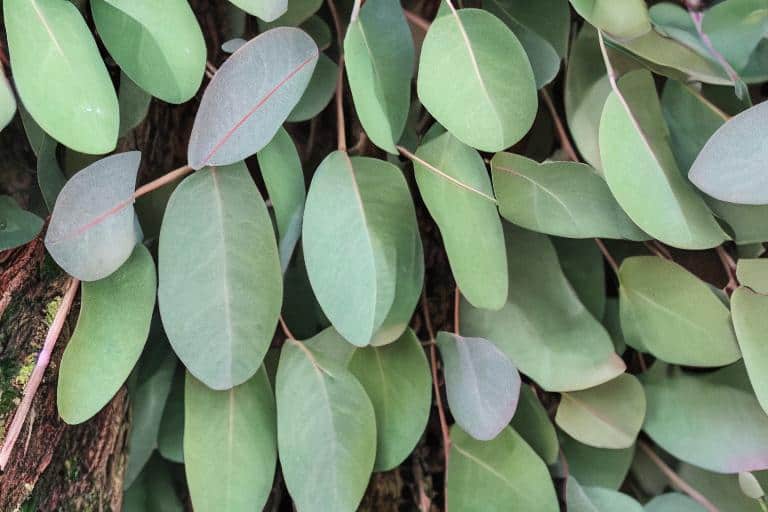
Oil of lemon eucalyptus, often abbreviated OLE, is an EPA-registered plant-derived repellent ingredient in some labeled products. It is not the same as lemon eucalyptus essential oil. The CDC does not recommend using pure lemon eucalyptus essential oil as a repellent because it has not been tested and registered in the same way. Follow the product label, and do not use OLE or PMD products on children under age three.
What about citronella candles and torches?
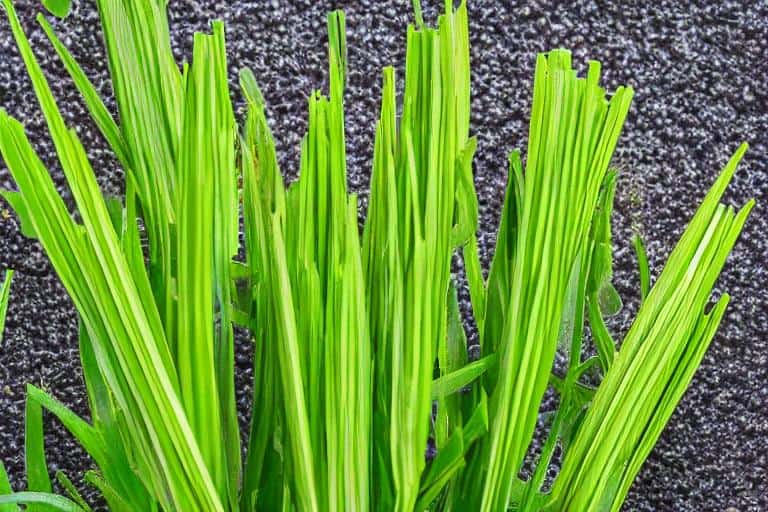
Citronella products may have a place in an outdoor setting when used exactly as labeled, but their protection is limited by wind, space, and how close you are to the product. They should supplement, not replace, an EPA-registered repellent on skin or clothing when you need dependable protection. The CDC notes that spatial repellents have not been adequately evaluated for preventing mosquito-borne disease.
Citronella oil can irritate skin or cause allergic reactions in some people. Avoid making your own lotion or applying concentrated oil directly. Keep candles, torches, and oils away from children, follow fire-safety and label directions, and choose another strategy if smoke or fragrance bothers you.
Practical tips for a patio or deck
- Empty and scrub water-holding containers weekly, including plant saucers.
- Use intact window and door screens, and consider a fan near outdoor seating.
- Wear loose-fitting long sleeves and pants when mosquitoes are active.
- Choose an EPA-registered repellent and apply it exactly as the label directs.
- Enjoy aromatic plants for fragrance, food, and flowers, but do not rely on them alone for protection.
Frequently asked questions
Do plants attract mosquitoes?
Plants do not release carbon dioxide in a way that makes a garden the main attraction. Mosquitoes are drawn to people and animals by cues such as carbon dioxide, body odor, heat, and movement. What matters most in a garden is standing water, which provides a place for mosquitoes to lay eggs. Check containers, saucers, gutters, and other hidden water-holding spots every week.
Are natural mosquito repellents safer?
Natural is not a safety rating. A product’s label, active ingredient, concentration, directions, and your individual sensitivities all matter. EPA registration means a product has been evaluated for its intended use. Use the label as your guide, especially for children, pregnancy, breastfeeding, allergies, or skin conditions. Ask a health professional for individual advice when needed.
Can plants prevent mosquito-borne disease?
No. Garden plants are not adequate protection against diseases spread by mosquitoes. The CDC recommends EPA-registered repellents, protective clothing, and mosquito control around the home. If you develop fever, severe headache, rash, or other concerning symptoms after mosquito exposure, contact a qualified health professional.