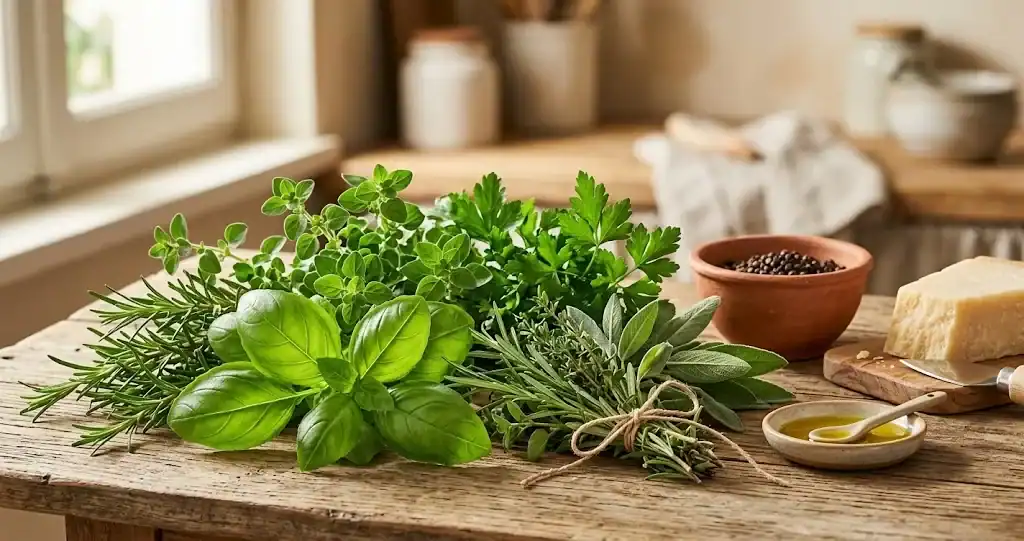
Italian cooking often relies on a small group of herbs, used with a light hand and at the right moment. Basil can brighten a tomato sauce, oregano can give it depth, and rosemary can stand up to a long roast. The useful part is not owning every herb at once. It is knowing which one fits the dish in front of you.

Start with the herbs Italian cooks use most
Basil, oregano, thyme, rosemary, sage, parsley, marjoram, and bay leaves are common choices for Italian-style cooking. Garlic and red pepper flakes belong in this kitchen too, but they are not herbs: garlic is a bulb vegetable and red pepper flakes are a spice. Use each for the job it does best instead of adding every jar to every pan.
Fresh herbs usually give the clearest flavor when you add them near the end. Dried herbs need time in a sauce, soup, or braise to soften and release their aroma. As a starting point, use about 1 tablespoon chopped fresh herbs or 1 teaspoon dried herbs for a recipe serving four, then taste and adjust.
Use oregano for tomato sauces, pizza, and beans
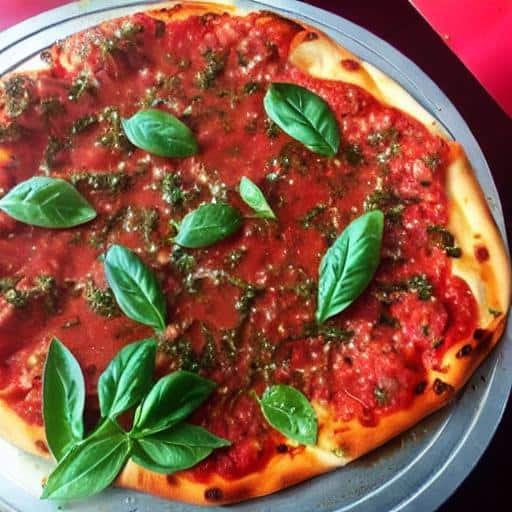
Oregano has a pungent, savory flavor that works especially well with tomatoes. Add dried oregano early in tomato sauce, pizza sauce, or a pot of beans so it has time to bloom. Start with 1 teaspoon dried oregano for four servings. Fresh oregano is milder, so add 1 tablespoon of chopped leaves near the end. It also pairs well with garlic, olives, eggplant, and roasted peppers.
Add basil late for a fresh, sweet note
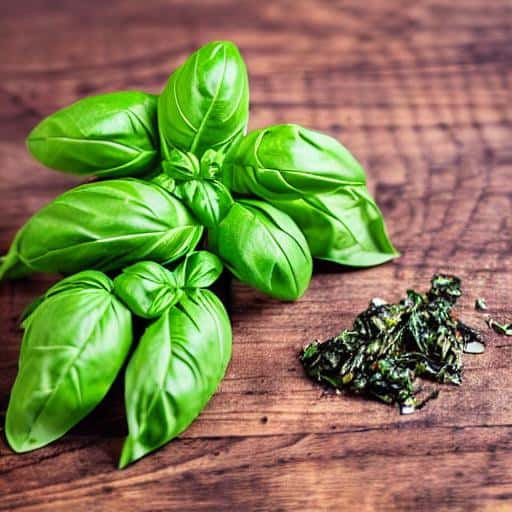
Basil tastes sweet, lightly peppery, and a little like anise. Tear or chop fresh basil and stir it into tomato sauce, pasta, soup, or pizza during the last minute or two of cooking. For four servings, start with 1/4 cup loosely packed fresh leaves. Dried basil is useful in a long-cooked sauce, but its flavor is less bright. Basil pairs naturally with tomatoes, mozzarella, garlic, beans, zucchini, and olive oil.
Let thyme support soups, braises, and roasted vegetables
Thyme has an earthy, lemony flavor that supports other herbs without taking over. Add 1 teaspoon dried thyme early in a soup, bean dish, braise, or tomato sauce for four servings. If you use fresh thyme, add 1 tablespoon of leaves or a few small sprigs during cooking, then remove woody stems before serving. Thyme is especially good with mushrooms, white beans, chicken, potatoes, and roasted vegetables.

Use rosemary early when a dish needs a piney flavor
Rosemary is piney, woody, and strong, so a little goes a long way. Add 1 teaspoon finely chopped fresh rosemary or 1/2 teaspoon dried rosemary at the beginning of a roast, stew, or sheet pan of potatoes for four servings. The tough leaves soften slowly, which makes rosemary a good match for long cooking. Pair it with potatoes, white beans, lamb, chicken, focaccia, and roasted squash. Avoid leaving whole woody sprigs in a finished dish unless you plan to remove them.
Choose sage for butter sauces and hearty fillings
Sage is savory, slightly peppery, and assertive. Fry 6 to 8 whole fresh sage leaves briefly in butter for a simple sauce for four servings, or add 1 teaspoon chopped fresh sage to a stuffing, sausage mixture, or bean dish early enough for the flavor to spread. Use dried sage sparingly, starting with 1/4 teaspoon. Sage pairs well with browned butter, winter squash, pork, mushrooms, and white beans.
Use red pepper flakes to control heat
Crushed red pepper flakes are a spice made from dried chile peppers, not an herb. Add a pinch to oil with garlic at the start of a sauce, or pass them at the table so each person can choose the heat level. For a four-serving pasta sauce, start with 1/4 teaspoon. Red pepper flakes work well with tomato, seafood, greens, beans, and pizza.
Finish pasta and salads with parsley
Parsley has a clean, grassy flavor that lifts richer foods. Flat-leaf parsley is especially convenient for chopping. Stir 1/4 cup finely chopped fresh parsley into pasta, soup, a pan sauce, or roasted vegetables just before serving. Dried parsley is best used as a background note in a cooked sauce rather than as a substitute for the fresh finish. Parsley pairs well with garlic, lemon, seafood, beans, potatoes, and tomatoes.

Try marjoram when you want a gentler oregano flavor
Marjoram is related to oregano but tastes sweeter and softer, with a mild pine and citrus note. Add 1 teaspoon dried marjoram early in soup, tomato sauce, or a meatball mixture for four servings. Use 1 tablespoon chopped fresh leaves near the end. Marjoram works well with tomatoes, mushrooms, beans, chicken, and pork, and it blends easily with oregano and thyme.

Simmer bay leaves, then remove them
Bay leaves add a quiet, herbal background to sauces, soups, braises, and beans. Add one or two dried bay leaves to a pot serving four near the beginning of cooking, then remove them before serving. They pair well with tomatoes, lentils, white beans, beef, chicken, and vegetable stock. Bay leaves are for infusing the dish, not for eating whole.
Use garlic as an aromatic, not an herb
Garlic is a bulb vegetable that gives Italian dishes a savory base. For four servings, start with 2 to 4 minced cloves. Cook it gently in olive oil until fragrant, usually 30 to 60 seconds, then add tomatoes, beans, greens, or another main ingredient. High heat can turn garlic bitter quickly, so keep the pan moving and have the next ingredient ready. Garlic pairs with nearly every herb in this guide.

Match the herb to the cooking time
- For quick tomato sauces: Begin with garlic, dried oregano, and a pinch of red pepper flakes. Finish with fresh basil or parsley.
- For long-simmered soups and beans: Add dried oregano, thyme, marjoram, rosemary, or a bay leaf early. Finish with parsley.
- For roasted vegetables and potatoes: Toss with olive oil, rosemary or thyme, salt, and pepper before roasting. Add parsley after cooking if you want a fresher note.
- For browned butter and pasta: Let whole sage leaves sizzle briefly in butter, then toss with pasta and a little pasta water.
Make a simple dried Italian-style seasoning blend
A dried Italian-style seasoning blend is convenient for sauces, soups, roasted vegetables, and meatballs. The mix varies by cook, so treat the proportions as a starting point. Oregon State University Extension uses a dried blend built around basil, oregano, parsley, rosemary, and thyme, with optional marjoram, red pepper flakes, and garlic powder.
- 2 tablespoons dried basil
- 2 tablespoons dried oregano
- 2 tablespoons dried parsley
- 1 tablespoon dried rosemary
- 1 tablespoon dried thyme
- 1 1/2 teaspoons dried marjoram, optional
Combine the dried leaves in a bowl and stir until evenly mixed. Rub a few rosemary leaves between your fingers first if they are especially large, but do not grind the blend into a fine powder. Store it in an airtight jar away from heat and light. Use 1 to 2 teaspoons in a sauce or soup serving four, then taste before adding more. See the Oregon State University Extension Italian seasoning mix for the source recipe and its optional additions.
What Italian seasoning contains and how to use it
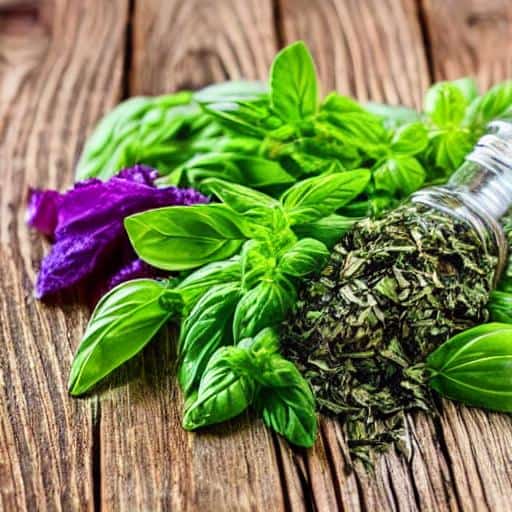
Italian seasoning is a blend of dried herbs and spices, rather than one plant or one fixed Italian seasoning recipe. A homemade Italian seasoning can lean toward oregano and basil, or include more rosemary, thyme, parsley, marjoram, sage, garlic powder, or red pepper flakes. Use Italian seasoning in pasta sauces, spaghetti sauce, soup, a marinade, or roasted vegetables. Sprinkle it into a dish early enough for the dried leaves to soften.
To make Italian seasoning at home, measure the dried leaves into a small bowl, mix, and keep the spice blend in an airtight container. A jar in a cool, dark cupboard is better than a spot beside the stove. Making your own seasoning lets you adjust the aroma and strength to suit your Italian dishes, and it can replace a store-bought blend when your spice rack is running low.
Keep a few of these herbs on hand, then build flavor in layers instead of reaching for every seasoning at once. Start with one or two herbs that fit the dish, taste as it cooks, and save delicate fresh leaves for the finish.