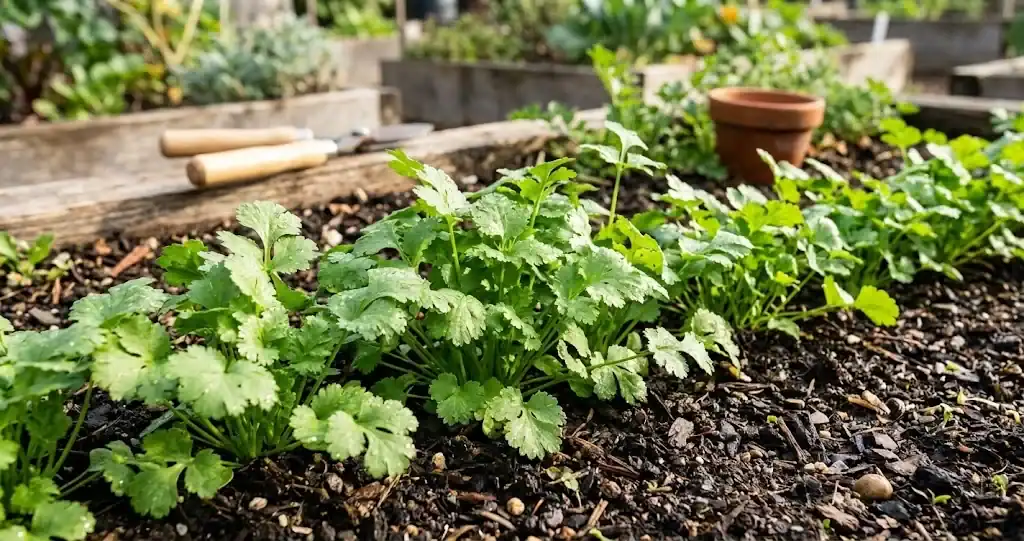
Coriander (Coriandrum sativum) yields two distinct kitchen harvests from a single planting. The tender green leaves are called cilantro in North American cooking, while the dried spherical fruits are harvested as aromatic coriander seed. Because this cool-season annual herb develops rapidly and has a delicate root system, growing it successfully comes down to planting in cool weather, providing well-drained soil, and preventing early flowering.
Whether you plant in raised beds, outdoor borders, or deep patio containers, direct sowing, consistent moisture, and succession planting keep plants productive through the season. For anyone planning an outdoor herb garden, pairing coriander with other cool-season culinary greens is an effective setup, which you can explore further in our beginner herb garden guide.
Understanding Coriander and Cilantro: Growth and Habits
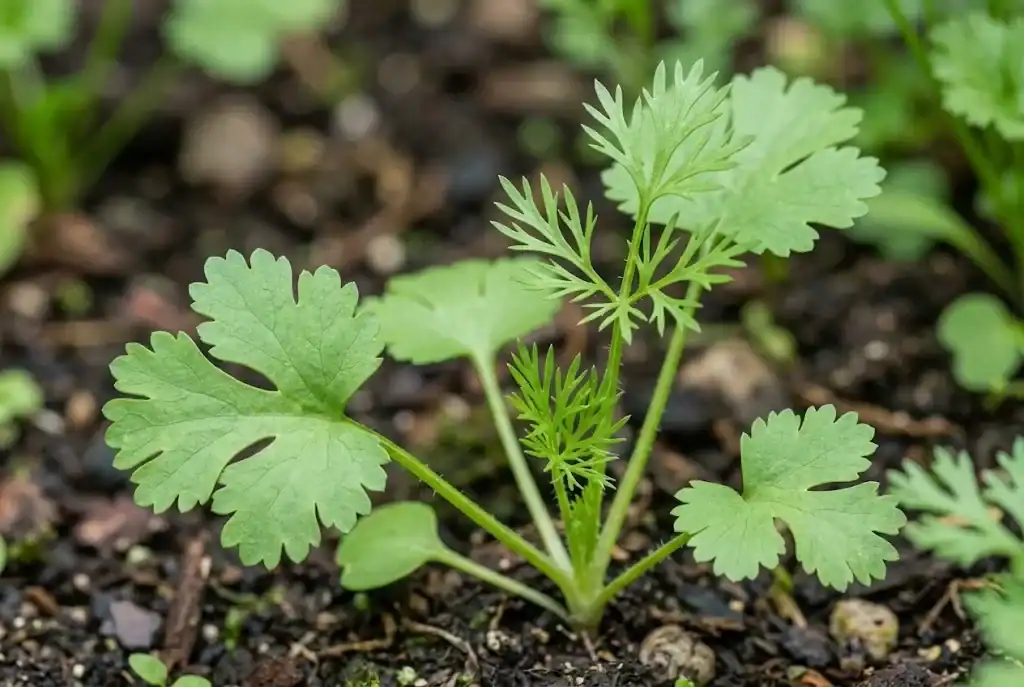
Every part of the plant is edible, from the fresh leaves and small white blossoms to the pungent roots used in traditional Thai curry pastes. This cool-season annual belongs to the Apiaceae botanical family, which also includes parsley, dill, and fennel. During the early vegetative stage, the crop produces broad, fan-shaped lower foliage with a bright, citrusy aroma. As temperatures rise, it transitions to producing feathery, finely divided foliage along a central flower stalk.
The plant develops a slender taproot rather than a fibrous root network. This taproot penetrates deep into the ground for moisture and nutrients, making established plants sturdy. However, this same root structure makes young seedlings sensitive to transplant shock. When root systems are disturbed during transplanting, seedlings often stall and quickly run to seed.
Soil, Sunlight, and Sowing Preparation
Select a planting spot that receives full sun during the cooler weeks of spring and fall. In regions with hot early summers, choose an area that receives bright morning light and filtered afternoon shade to shield tender green leaves from scorching heat. Plants thrive in mild temperatures between 50 and 70 degrees Fahrenheit, growing well during seasonal transitions.
Soil texture and drainage are central to healthy root growth. Prepare your planting bed by working a 2-inch layer of well-rotted compost into the top 6 to 8 inches of native loam to loosen heavy clay or improve sandy beds:
- Soil pH: Aim for a neutral to slightly acidic pH between 6.2 and 6.8.
- Drainage: Ensure water drains freely, as waterlogged soil encourages root rot and damping-off fungi.
- Texture: Loosen the top 8 inches of ground so the taproot can grow downward without restriction.
- Fertilizer: Work balanced organic compost into the bed before planting. Avoid heavy nitrogen fertilizer, which produces excessive foliage with weak flavor and diluted essential oil concentration.
How to Grow Cilantro from Seed in Beds or a Pot
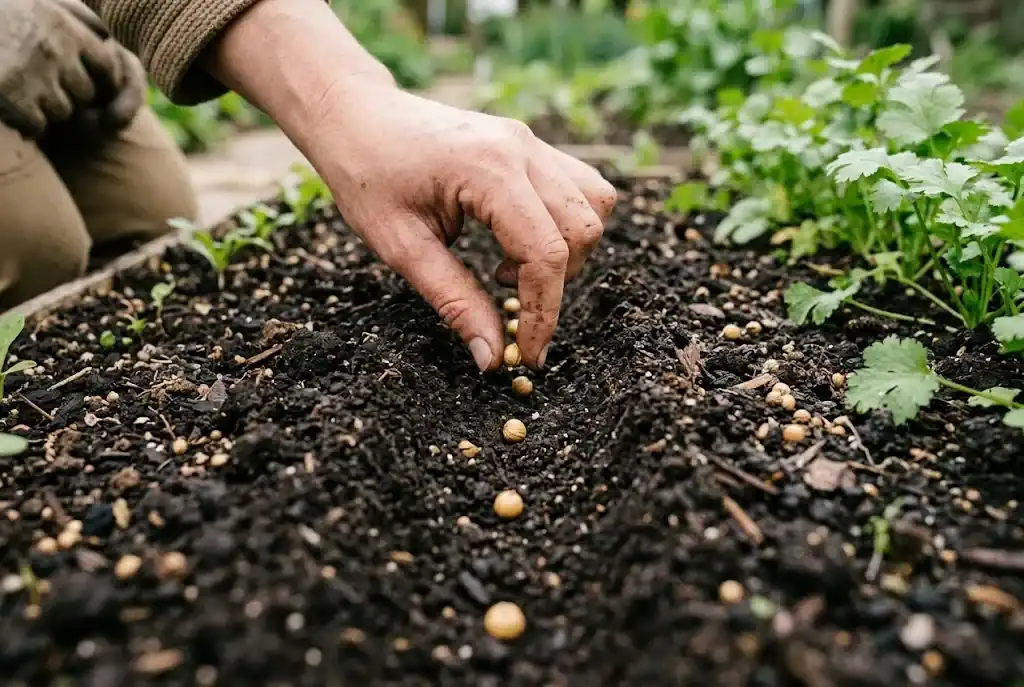
The most reliable way to start cilantro is by sowing seeds directly where the plants will mature. Each round coriander seed husk actually contains two separate seeds encased within a woody outer shell. You can gently rub the seed husks between your fingers to split them or soak them in room-temperature water for 12 to 24 hours to help seeds germinate promptly, though fresh seeds will sprout readily in moist soil without extra preparation.
To sow seeds directly in outdoor beds:
- Sowing Depth: Plant the seeds approximately one-half inch of soil deep in finely raked beds.
- Spacing: Space seeds 1 to 2 inches apart in rows set 12 inches apart.
- Germination: Keep the soil consistently moist until you see each young seedling emerge, which typically takes 7 to 14 days depending on soil temperature.
- Thinning: Once the seedlings reach 2 inches tall, thin the crop to 6 inches apart so each plant has ample room to form full, leafy rosettes.
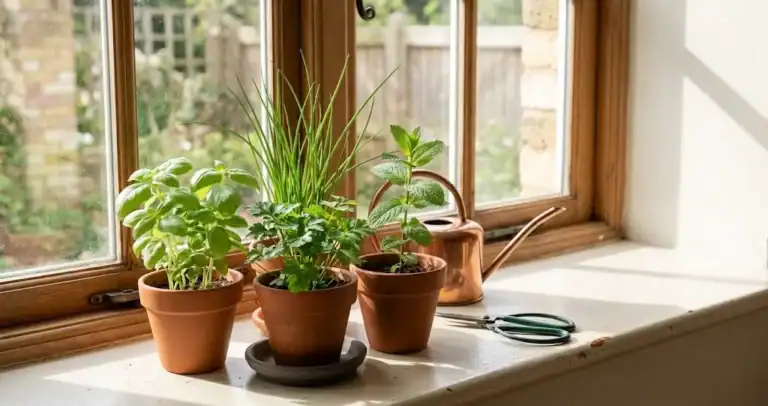
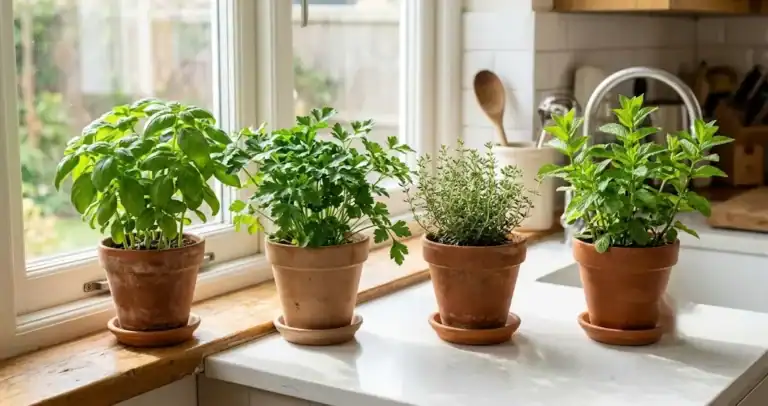
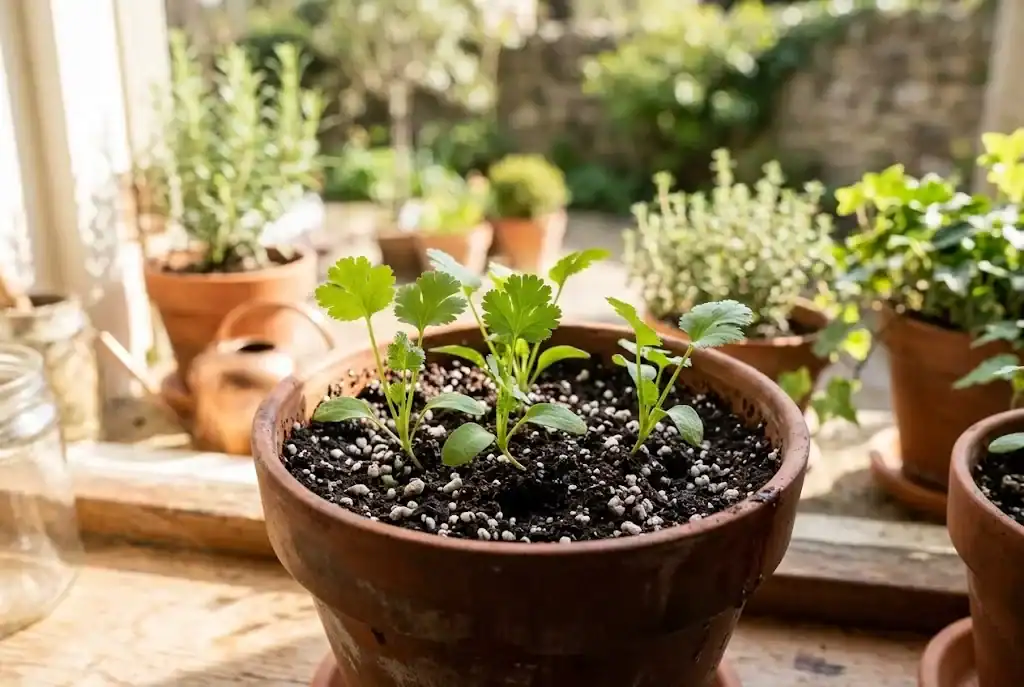
If outdoor space is limited, containers are a practical option. When growing on a balcony or sunny windowsill, choose a deep pot measuring at least 8 to 10 inches deep with bottom drainage holes. Fill it with standard potting mix amended with perlite and compost. Place potted plants in a window receiving 4 to 6 hours of natural light, or supplement with an LED grow light during gloomy winter months.
Preventing Bolting with Succession Sowing
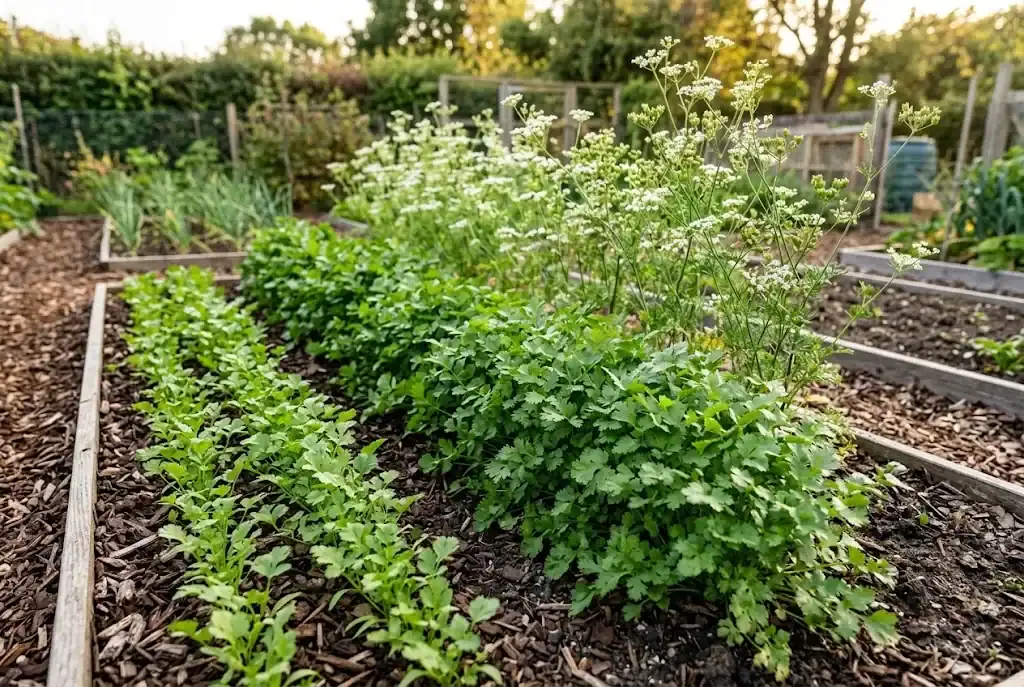
The primary challenge when growing these greens is the natural urge to bolt. Increasing day length and warm temperatures trigger the plant to send up a central flowering stalk and produce seeds. Once flower buds appear, the foliage becomes sparse, tough, and intensely bitter.
While you cannot stop a mature plant from eventually completing its biological life cycle, you can secure an uninterrupted supply of fresh leaves throughout the growing season by practicing succession planting:
- Sow Every Few Weeks: Sow seed batches every couple of weeks from early spring into early summer, and resume sowing in late summer for an abundant autumn crop.
- Succession Schedule: Staggering your plantings every 2 to 3 weeks throughout the season ensures young plants are always ready to harvest as older patches begin to flower.
- Slow-Bolt Varieties: Look for cultivars labeled as slow-bolt or long-standing, which are slower to flower during early warm spells without immediately setting seed heads.
- Moisture Management: Water the plants consistently; drought stress accelerates bolting just as rapidly as high temperatures.
Caring for Cilantro Indoors and Outdoors
Follow these basic watering, mulching, and weeding steps to maintain steady growth:
- Watering: Keep the soil evenly moist but never overwater. Allow the top inch of soil to dry slightly between waterings, and check that container drainage holes remain open for free runoff.
- Mulching: Spread a light 1-inch layer of clean straw or shredded bark around the plants to conserve soil moisture and keep root zones cool in warm weather.
- Weeding: Hand-weed gently around young seedlings so sensitive taproots do not face competition for moisture and nutrients.
Managing Common Pests on Cilantro
While coriander generally grows without major insect trouble, a few common garden pests can appear during the growing season:
- Aphids: An occasional aphid colony can congregate on tender new growth and leaf undersides. Dislodge them with a firm spray of water or apply organic insecticidal soap if any pest pressure persists.
- Slugs and Snails: Damp spring conditions can bring slug damage to young seedlings. Protect planting beds with organic iron phosphate bait or beer traps along the bed perimeter.
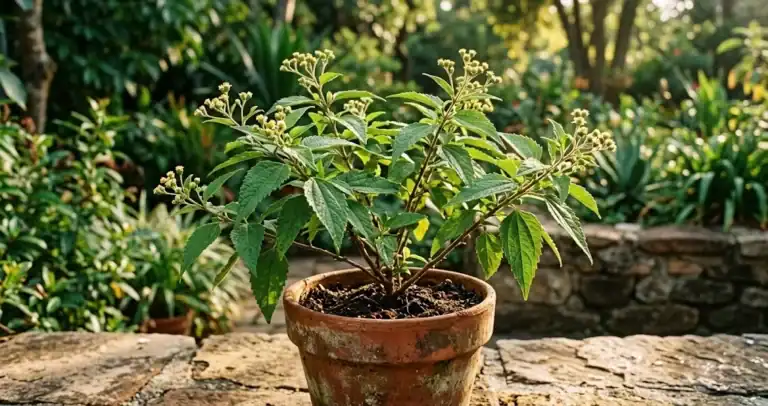
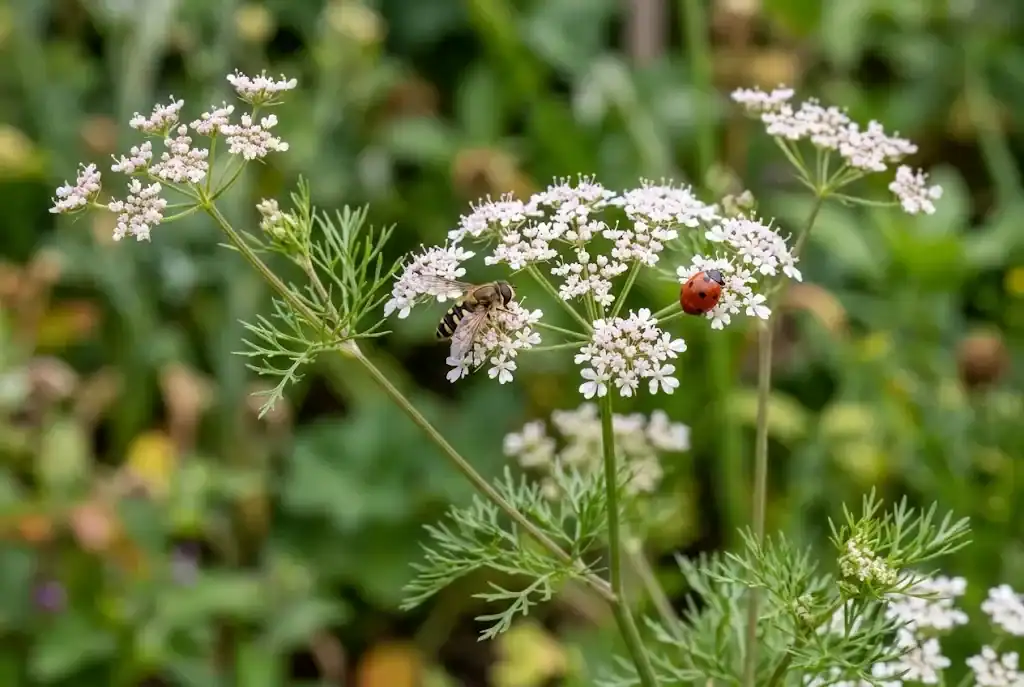
- Beneficial Insects: Flowering plants produce umbrella-like floral clusters (umbels) that attract beneficial insects like hoverflies, ladybugs, and lacewings, which prey on nuisance insects.
Harvesting Leaves and Collecting Seeds
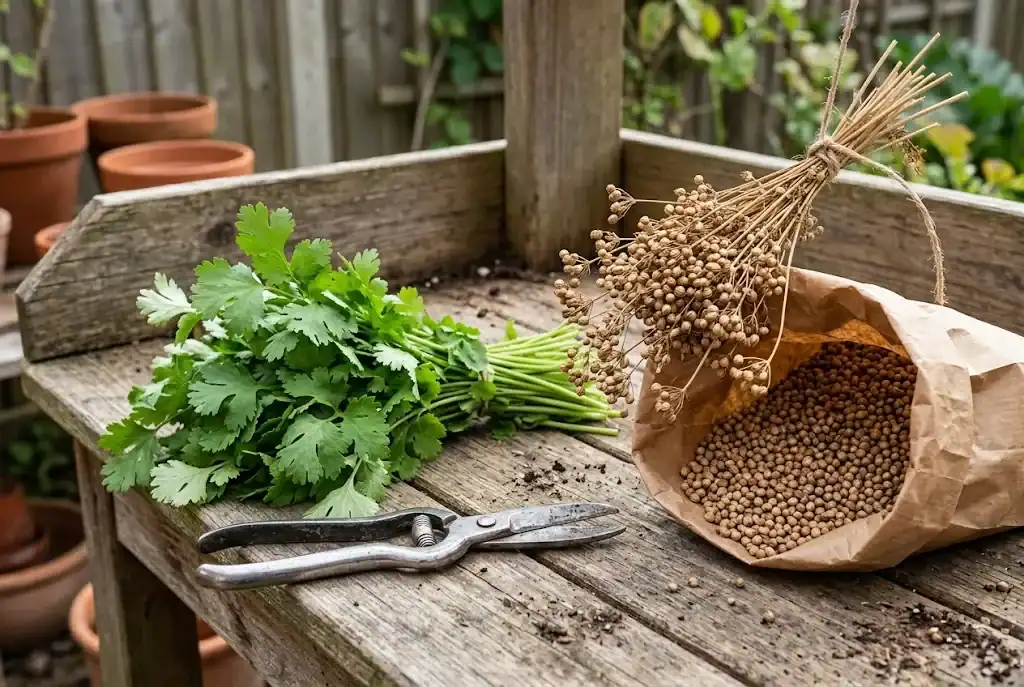
You can start to harvest fresh cilantro leaves once the plants reach 6 inches tall, usually 40 to 45 days after germination. Snip individual outer stems near the base with sharp shears, allowing the inner leaves to continue growing for future pickings. When using cilantro in fresh recipes, add leaves near the end of cooking to protect their bright flavor.
For detailed step-by-step cutting techniques that extend your cilantro harvest and prevent stem bruising, refer to our comprehensive guide on harvesting coriander leaves and seeds.
To collect seeds, allow several plants to go to seed in early summer. The flowers will transform into round green seed heads that turn tan as they dry on the stalk. Cut the seed heads with 4 inches of stem attached, place them upside down to dry in a brown paper bag, and hang the bag in a dry, well-ventilated room for two weeks. When fully dried, the seeds drop cleanly into the bottom of the bag. You can use the seeds whole in spice rubs or crush them for curry powders. Store in an airtight container in a cool, dark pantry where they retain their aromatic quality for up to two years.
To protect your harvest after cutting, whether through refrigeration or freezing the leaves in oil, follow our detailed recommendations on how to store coriander.
Frequently Asked Questions About Growing Coriander
Does coriander grow back after cutting?
Yes, plants continue producing foliage if you harvest only the outer stems and leave the central growing crown intact. Once the plant sends up a flower stalk, new leaf growth slows dramatically and remaining leaves turn bitter.
Is coriander easy to grow for beginners?
The herb is very easy to grow from seed when planted in cool weather and direct-sown into loose, well-drained soil. It matures quickly and requires minimal supplemental feeding.
Does coriander come back every year?
This herb is a true annual plant that completes its life cycle in one season and does not return from its roots. However, plants that drop ripe seed in the soil will often volunteer new seedlings the following spring.
How do you keep potted coriander alive?
Plant in a container at least 8 inches deep with good drainage, provide 4 to 6 hours of direct light, keep the container away from direct heating vents, and water when the top inch of potting mix feels dry.
Gardening Extension Sources and References
- Oregon State University Extension Service. “Growing Herbs in Oregon Gardens.” Extension publication on culinary herb cultivation and soil requirements. https://extension.oregonstate.edu/gardening/herbs
- Clemson Cooperative Extension Home & Garden Information Center. “Cilantro / Coriander Gardening Guide.” Factsheet HGIC 1315 on planting, care, and bolting management. https://hgic.clemson.edu/factsheet/cilantro/