Growing herbs for sale starts with a smaller question than most people expect: who will buy them first? A few dependable bunches of basil can be more useful than a large, mixed herb garden with no clear customer. Start with a crop, a growing space, and a selling plan that fit together.
This guide is for home growers who want to sell fresh cooking herbs, starter plants, or small bundles locally. It focuses on making sensible choices before you invest in trays, pots, or a larger garden bed.
Some people searching for herb plants for sale are shoppers, while this guide is for the grower planning a small local crop. A new gardener can begin with easy to grow herbs instead of adding another vegetable or flower crop. That focus makes it easier to learn the work, protect quality, and build a reliable offer.
Choose one sales path before you choose plants
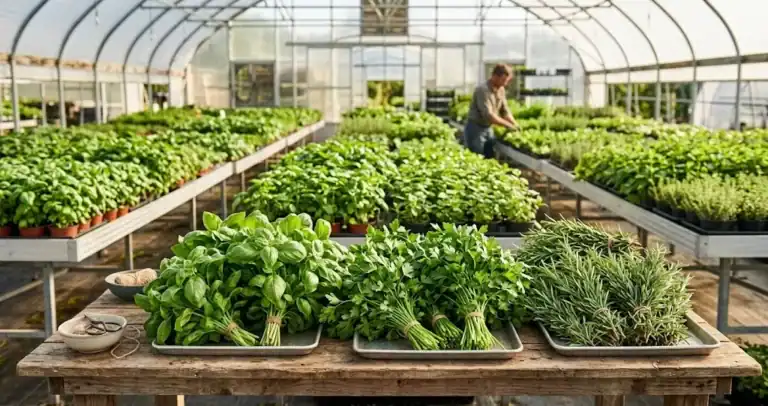
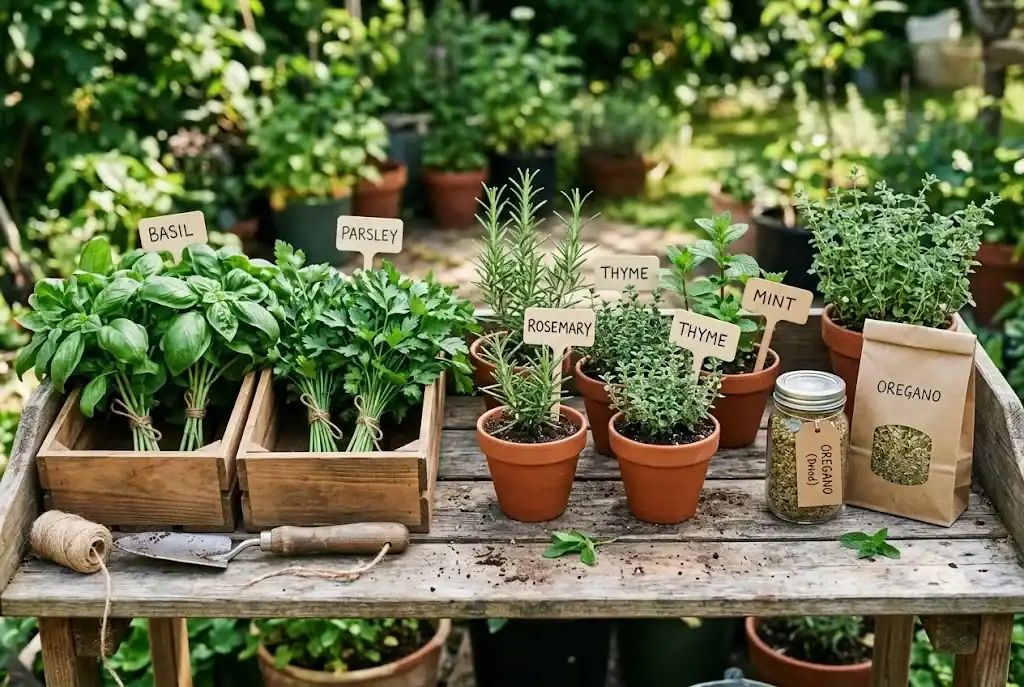
Herbs can be sold in several forms, and each one needs a different growing rhythm. Fresh-cut bunches suit cooks and small food businesses. Potted starter plants suit gardeners who want a quick start. Dried herbs can extend the season, but they need clean handling, drying space, and packaging that protects aroma.
- Fresh bunches: Best when you can harvest, cool, and deliver quickly.
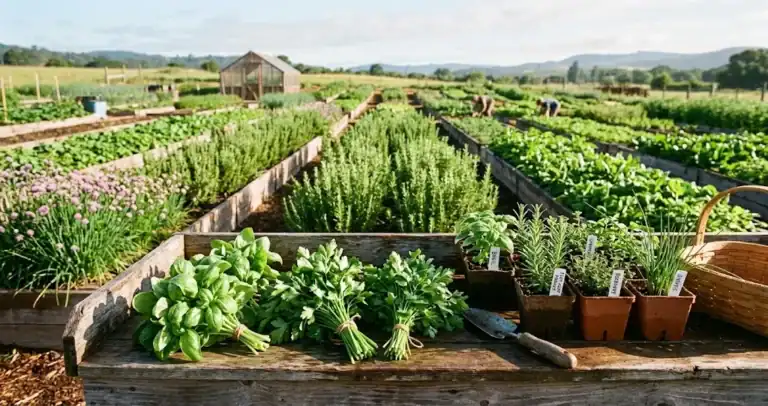
- Starter plants: Useful for spring markets and local pickup.
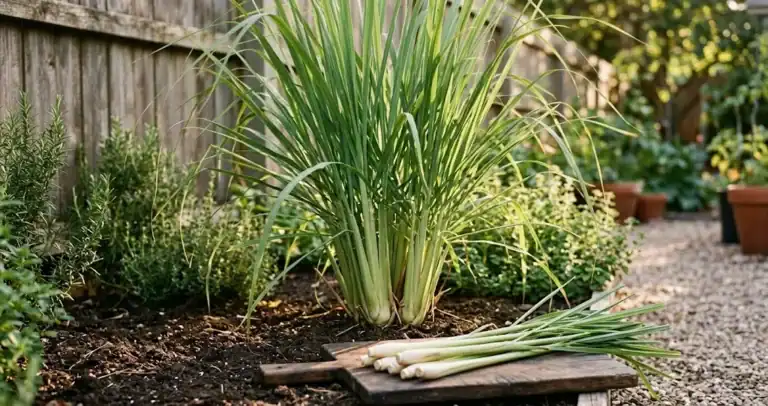
- Specialty plants: Good for a small nursery with customers seeking lemon thyme, lemon balm, unusual basils, or other hard-to-find herb varieties.
- Dried herbs: A later option once you can produce a consistent, clean crop.
Pick one main path for your first season. It gives you a clearer answer to how much to sow, when to harvest, and what a customer is actually buying. For the foundation underneath any of these plans, review soil, spacing and the rest of the basics before expanding your growing area.
Start with herbs people recognize and use often
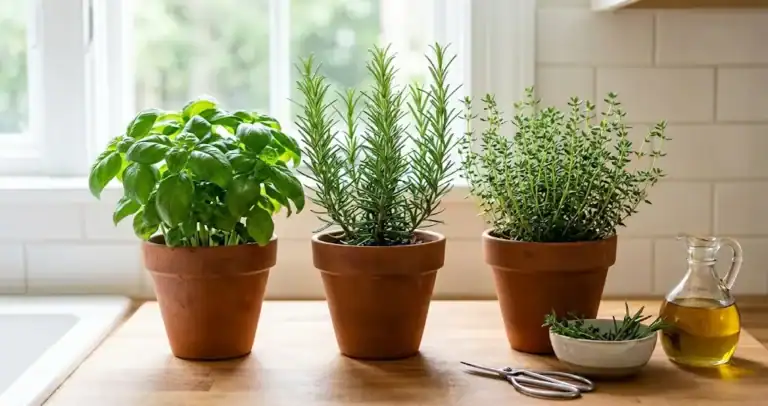
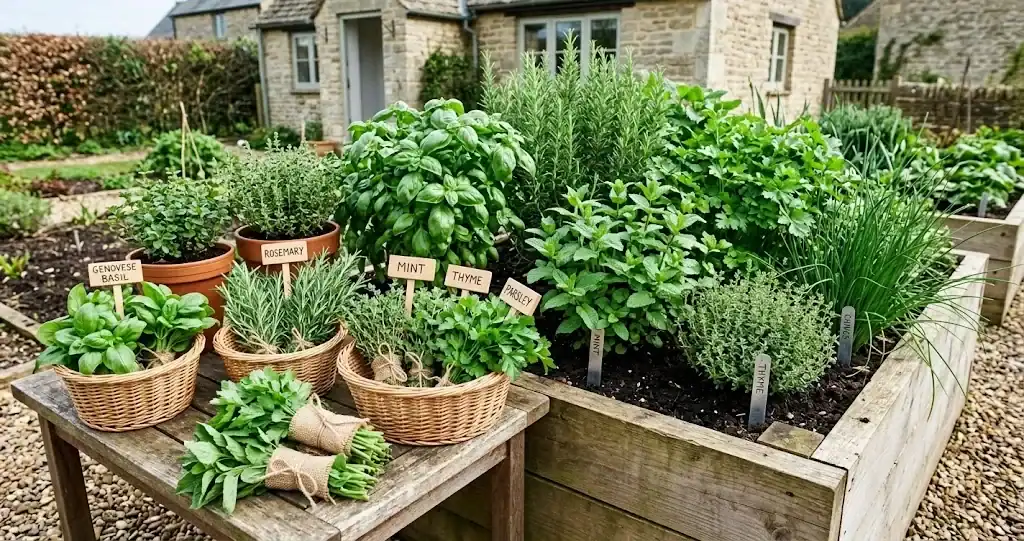
Reliable kitchen herbs are usually the best plants to grow when you are testing local demand. Basil, parsley, mint, thyme, oregano, rosemary, sage, chives, and cilantro give cooks familiar flavors and give you several harvest windows. They also make it easier to explain how a fresh bunch fits into a salad, soup, roasted vegetables, or a weeknight meal.
Do not plant every crop at once. Start with three to five crops, then add one distinctive choice that matches your climate and buyers. Lemon balm and a lemon-scented thyme can be appealing aromatic options, but only if you have a likely outlet for them. A broad selection is not automatically a better business. A small list that stays healthy and sells through is easier to manage.
Match each herb to the place where it will grow
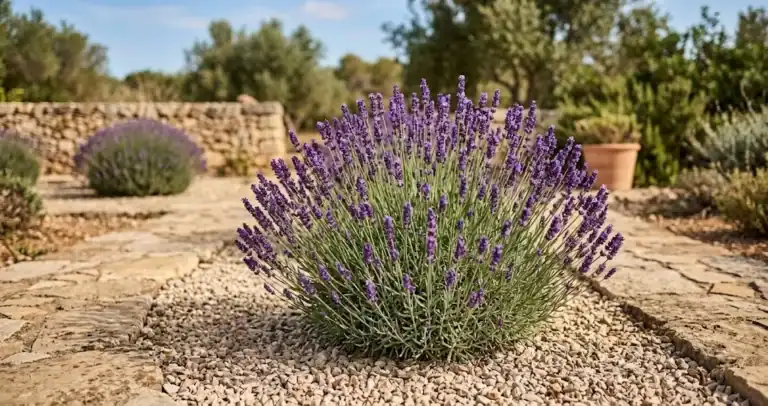
Most culinary herbs do best with light, airflow, and good drainage. Warm-season herbs need a sunny spot, while rosemary and sage prefer full sun and well-drained soil. Parsley and cilantro tolerate cooler weather, while mint is vigorous enough to deserve its own pot or contained bed.
A container garden can be a sensible first step because it keeps crops portable and lets you test demand without committing a whole yard. Use pots with drainage holes and a quality potting mix. For a garden bed, work toward loose, well-draining soil and plan paths wide enough for watering, harvest, and cleanup. Raised beds can help where native soil stays wet or compacted.
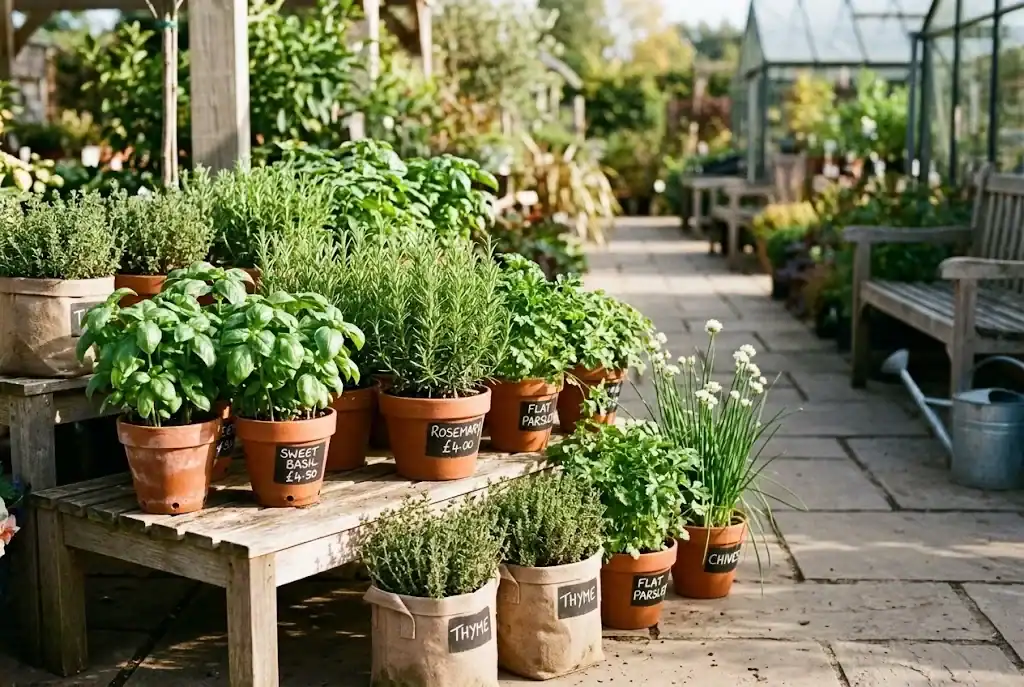
Choose plants for your climate rather than copying a list from another region. Perennial herbs may return for years in a suitable hardiness zone, while tender annuals need a fresh start each growing season. A basic production calendar should note your last frost, peak summer heat, and the cool-weather window for parsley, cilantro, and chives.
Seeds or starter plants: choose for speed and reliability
Growing from seed costs less per plant and gives you more control over variety. It also asks for steady light, gentle watering, and time. Basil, cilantro, parsley, and chives can be started from seed, although parsley can be slow and uneven. A seedling needs careful transplanting and a protected first week outdoors.
Starter plants cost more, but they can shorten the path to a first harvest. They are useful when you need a spring market display or want to learn a crop before producing it yourself. If you buy herb plants or other live plants, inspect foliage, roots, and soil moisture. Avoid plants with pests, yellow leaves, or roots packed tightly around the pot.
Many growers use both methods. They start easy-to-grow annuals from seed, buy a few dependable perennials, and keep notes on which choice produced the best plants for their customers.
Choose plants that match how customers will use them
Customers buying herb plants for sale at a market want more than a pretty container. They need healthy plants that can settle into a container garden, a garden bed, or a sunny kitchen space. Keep labels practical: name the herb, say whether it prefers full sun or partial shade, and explain how to water it without leaving roots in wet soil.
For starter plants, select compact plants with sound roots and fresh foliage. Avoid treating herbs like vegetable plants or flower-bed color. A woody Mediterranean herb, a tender annual, or a vigorous spreading plant needs its own care advice, and a buyer who succeeds is more likely to return. If you sell plants online later, learn shipping and local plant-sale requirements before promising live plants across a wider area.
Build a harvest schedule, not just a planting list
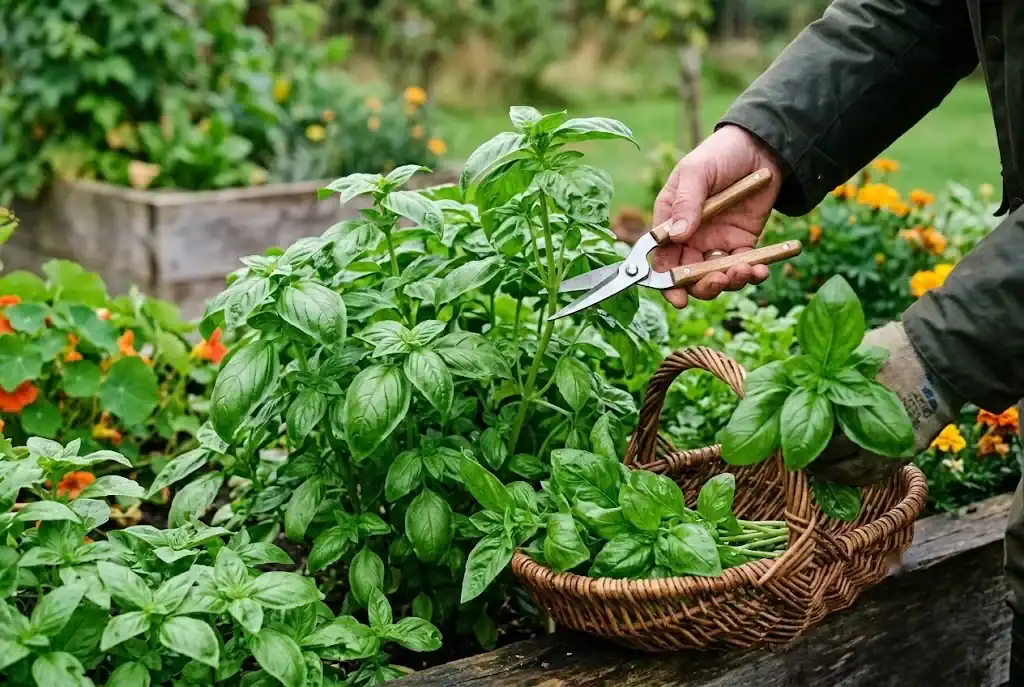
A buyer needs predictable availability. Planting every basil seed on one day can leave you with a brief flush and then a gap. Small succession sowings help fresh herbs keep coming. For fast crops, sow a modest amount every two to three weeks during suitable weather. For perennial crops, plan regular trimming so plants stay compact and produce new growth.
Harvest in the cool part of the day once foliage is dry. Use clean snips, keep bunches out of sun, and move them to a cool place quickly. Do not strip a plant bare. Take a portion of healthy stems, leave enough leaves for recovery, and watch how each variety responds. The goal is a crop that can thrive through repeated harvests, not one oversized first cut.
Set standards for quality before customers do
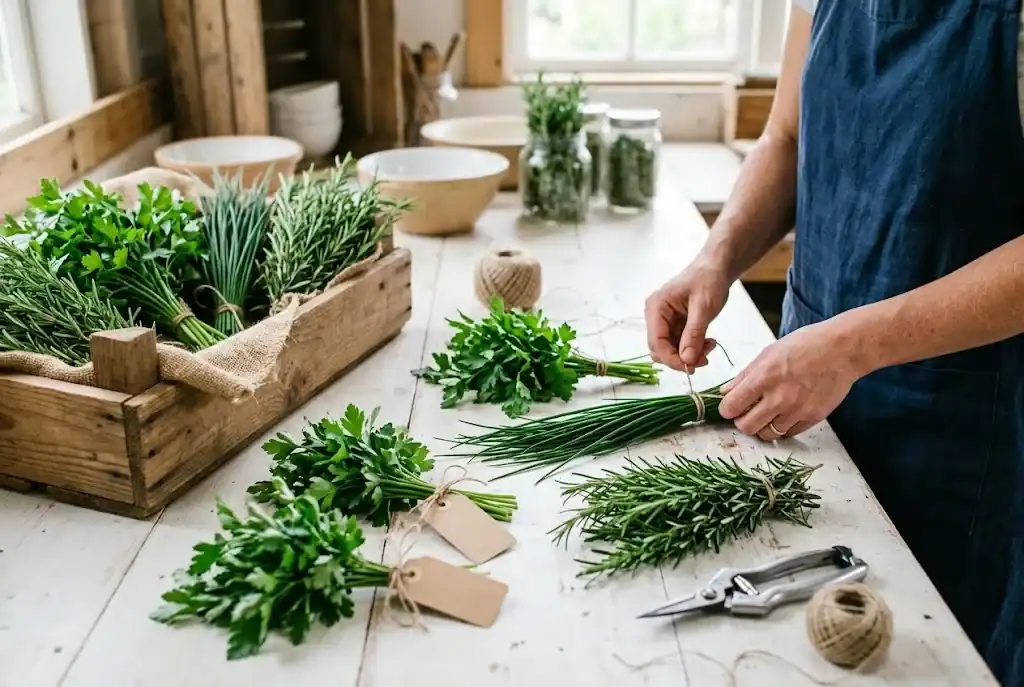
Fresh herbs sell on appearance and scent. Offer clean, undamaged stems with full leaves and clear variety labels. Remove yellow foliage and avoid mixing varieties in a bunch unless you are deliberately selling a labeled blend. A simple label can include the herb name, harvest date, storage advice, price, and your contact information.
Keep harvest tools, containers, and work surfaces clean. Use drinkable water for rinsing when rinsing is needed, then dry leaves carefully. Local rules for selling food and nursery stock differ, so check the requirements that apply to your town, market, and product before your first sale. That step is part of good planning, not a detail to postpone.
Price from your real costs
Set a price after you know what it costs to produce a usable bunch or plant. Include seed, potting mix, pots, labels, water, market fees, delivery time, and the plants that do not meet your quality standard. Then compare your price with similar fresh herbs or starter plants in your local area.
Keep the first calculation simple. If a bunch takes five minutes to harvest, wash, label, and pack, that time has value. If you sell potted herbs, include the pot and the time needed to keep the plant looking healthy until pickup. Tracking these details shows which crops are worth repeating.
As your plan grows, the next business decisions may include larger batches, repeat customers, and a wider sales mix. This companion guide on growing and selling herbs can help you think through that next stage without turning this starter plan into a full business manual.
Find customers close to the harvest
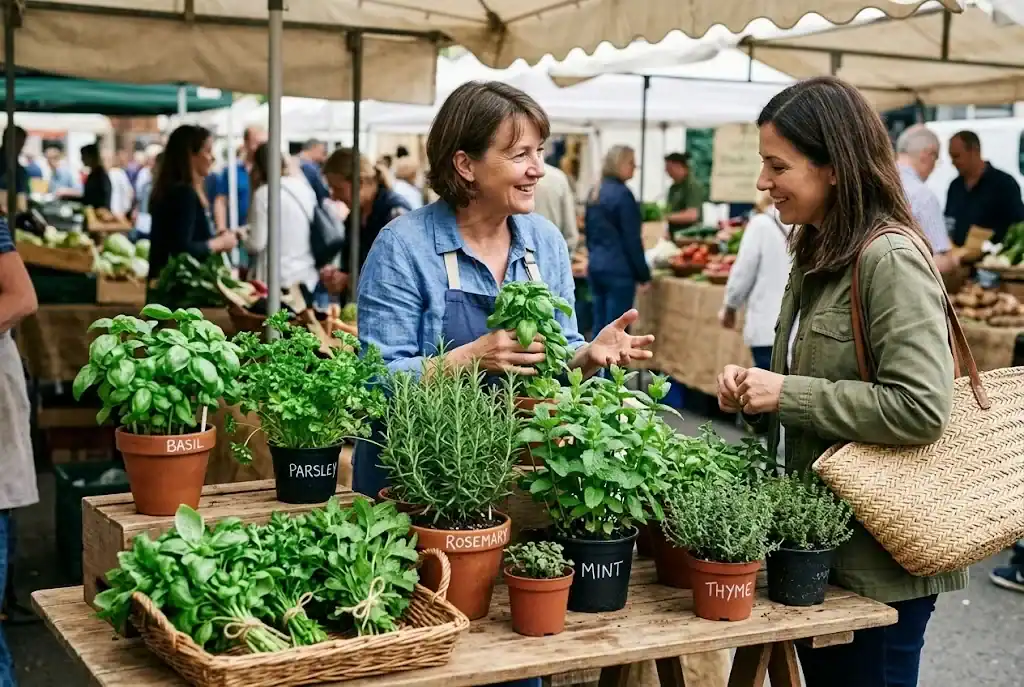
For a first season, local channels are often easier to test than shipping. Consider a farmers market, a neighborhood pickup day, a small community group, or a conversation with a local cook or café. Ask what herbs people already buy, how they prefer them packed, and which days they shop.
Photographs of your own healthy plants, a short availability list, and reliable pickup times can do more than a long sales pitch. Avoid promising a crop before it is ready. A smaller, dependable offer earns more trust than a large list that changes every week.
If you discover that customers mostly want potted plants rather than cut bunches, adjust next season’s plan. The related guide to growing herbs to sell offers another angle on moving from a home plot toward a more deliberate local business.
Common mistakes when growing herbs for sale
- Starting too large: Test a few crops and outlets before adding more beds or containers.
- Ignoring plant spacing: Crowded foliage holds moisture and makes harvest slower.
- Growing only one harvest: Use succession planting and careful trimming to keep supply moving.
- Choosing novelty over demand: Grow a few specialty herbs, but let familiar culinary herbs carry the first season.
- Skipping records: Note sowing dates, harvest weight, sales, weather, and customer requests.
- Forgetting local rules: Confirm market, food-handling, and plant-sale requirements before opening for business.
Frequently asked questions
What are the most profitable herbs to grow for sale?
The most profitable crop is usually one that fits your climate, grows well in your available space, and already has local buyers. Basil, parsley, mint, chives, and rosemary are practical places to begin because many cooks know how to use them. Your records will show whether fresh bunches, starter plants, or specialty varieties pay better in your area.
Can I grow herbs indoors to sell?
You can grow some herbs indoors if you have strong light, airflow, clean growing space, and room to keep plants apart. Indoor production costs more to set up and manage, so it is often better for small starter plants or a limited specialty crop than for large volumes of fresh herbs.
Is it cheaper to grow or buy herbs?
Growing can save money for a household that uses fresh herbs often, especially with productive plants such as chives, mint, oregano, and rosemary. For a seller, the question is different: calculate every production and selling cost before deciding whether the crop is worth expanding.
Start small, learn fast, and grow what sells
A strong first herb business is usually modest. Choose a few plants, grow them well, harvest carefully, and listen to the people who buy them. With a workable crop calendar and clear records, you can build from a kitchen garden experiment into a dependable local offering.