Herbs are among the most rewarding and flexible crops for any small scale grower. Because they produce high yields in compact spaces and command strong prices per ounce and per square foot, growing herbs to sell offers a realistic way to generate farm income from a backyard plot, raised beds, or a small commercial homestead. Whether you want to sell potted live plants in the spring, harvest fresh-cut bunches for a local restaurant, or dry aromatic botanicals for tea blends, success depends on matching your production methods to reliable sales outlets.
Starting an herb farm does not require vast acreage or expensive equipment. With thoughtful crop selection, good soil preparation, and consistent post-harvest cooling, an attentive gardener can build a resilient, profitable enterprise that expands over time. Here is how to plan your production, choose high-value crops, and connect with buyers who value a fresh, high-quality product.
Decide Your Sales Model: How You Will Sell Herbs
Before planting your first bed, decide which product formats best match your available space, labor, and local demand. When getting started, most successful herb growers diversify across two or more of these core models to create an extended sales season and reduce market risk:
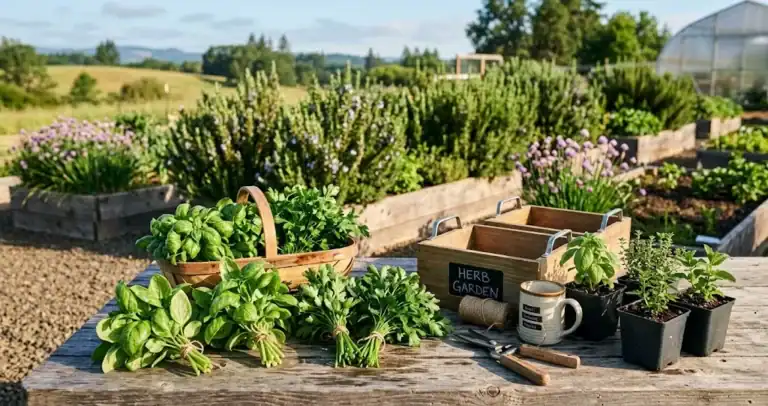
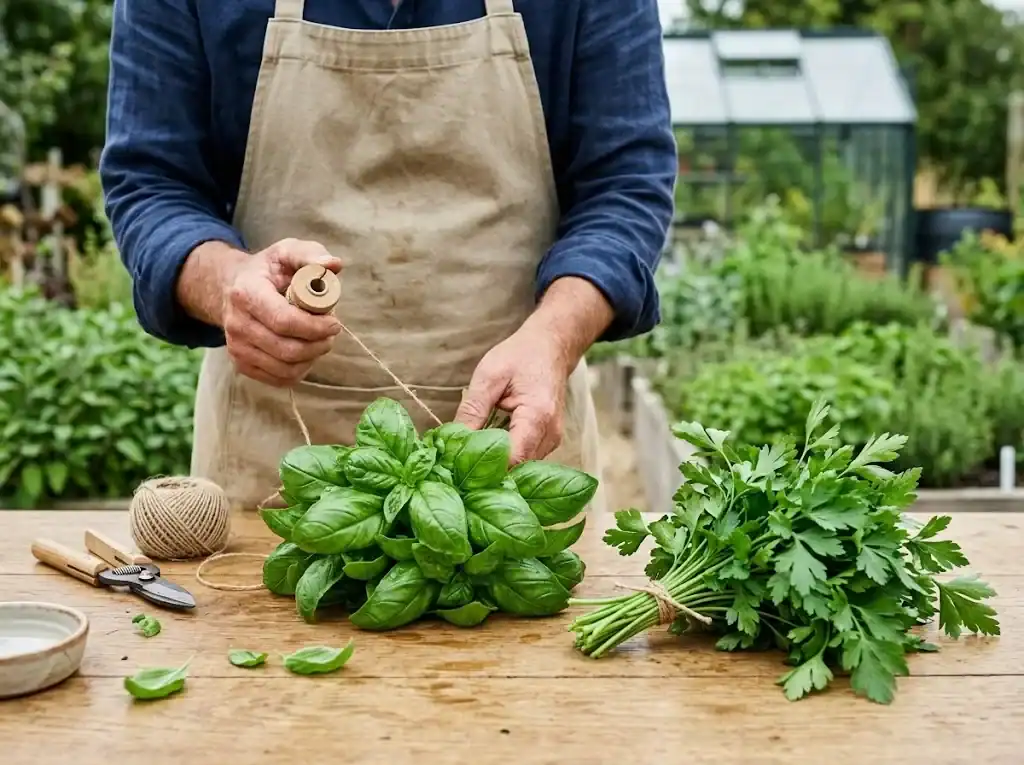
- Fresh-cut culinary herbs: Selling stems freshly cut for culinary use in tied bundles or vented clamshells provides steady cash flow throughout the summer. Professional chefs and home cooks pay premium rates for fresh herbs like sweet basil, Italian parsley, and aromatic greens that retain their vibrant aroma and crisp texture.
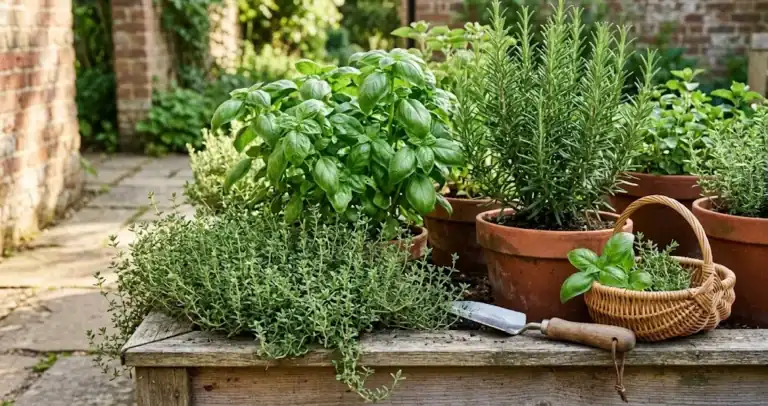
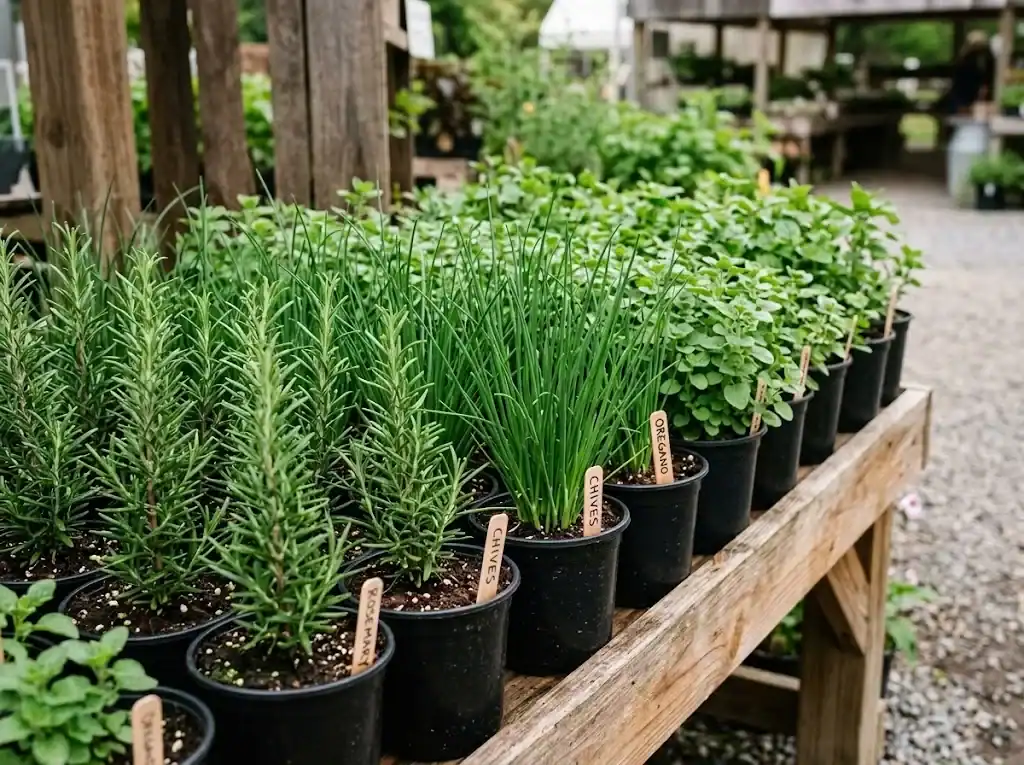
- Live plants and nursery starts: Selling potted herb plants in 3-inch or 4-inch containers is one of the fastest ways to generate spring income. Backyard gardeners eagerly buy robust, well-rooted culinary and medicinal varieties to transplant into their home herb garden.
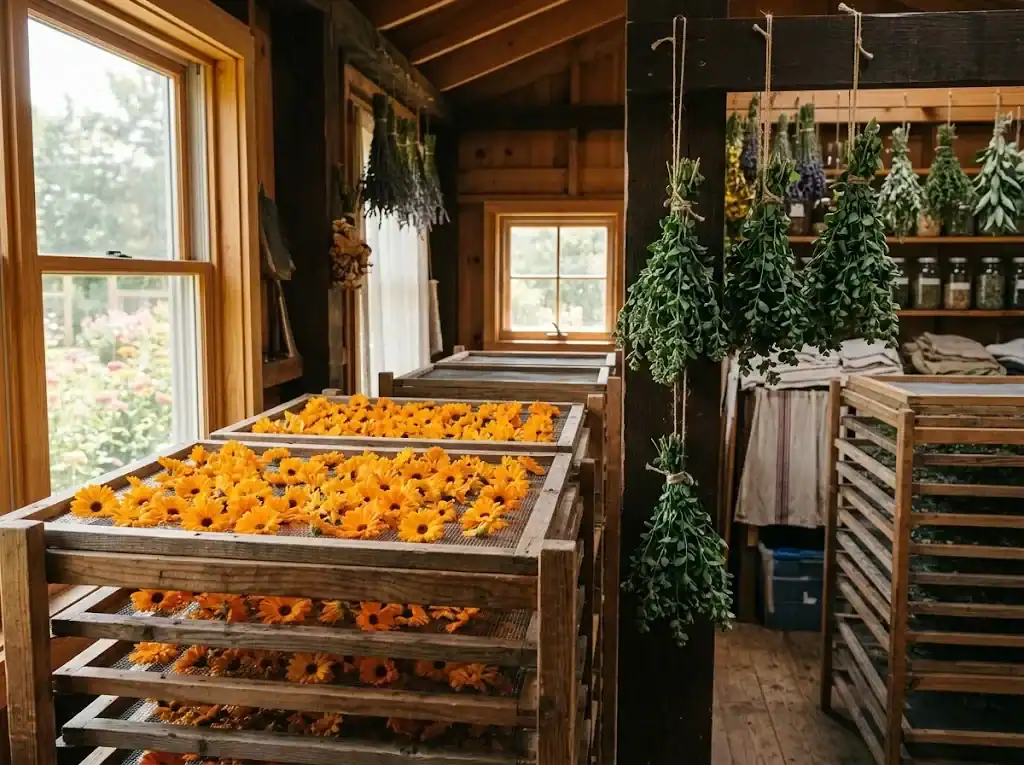
- Dried seasonings and herbal infusions: Dehydrating surplus harvest allows you to preserve extra leaves and flowers without waste. Packaged dried herbs, loose-leaf herbal teas, and specialty seasoning rubs provide shelf-stable products to sell during the winter months.
- Value-added herb products: An herbalist or craft producer can turn botanicals into infused oils, topical salves, bath soaks, and decorative bouquet bundles. These value-added items capture higher prices and expand your customer base through farm stand displays and online marketplaces.
If you are exploring overall business feasibility and initial startup budgeting, review our practical guide on making money growing herbs to calculate potential yields, overhead costs, and realistic revenue streams for small plots.
Top Culinary Crops and Medicinal Herbs for Commercial Production
Selecting the right crops is critical when researching which herbs will deliver the best return on your investment of time and garden space. A balanced planting combines fast-growing annual varieties that provide immediate harvest alongside dependable multi-year crops that return season after season.
Fast-Growing Annual Crops
Single-season crops sprout quickly from seed and produce heavy yields within weeks, making them essential for maintaining a good supply of fresh cuttings throughout the season:
- Sweet basil and specialty basils: Sweet basil is the undisputed anchor of fresh-market sales. In addition to classic Genovese types, herbs like basil with unique flavor profiles, such as citrusy lemon basil and purple foliage varieties, attract chefs seeking distinctive garnishes. Basil requires warm soil and ample sunshine, and regular harvesting encourages vigorous regrowth.
- Parsley: Both flat-leaf and curly varieties are kitchen staples in constant demand. Flat-leaf types are favored by every chef for their rich flavor in cooked dishes, while curly varieties add visual appeal to retail displays.
- Cilantro: A high-demand favorite for salsas and summer cooking, this leafy green grows rapidly in cool weather. Because it bolts quickly in summer heat, plan to replant small successions every two to three weeks to sustain unbroken harvest windows.
- Dill: Grown for both tender foliage and fragrant seed heads, dill sells steadily to home preservers and pickling enthusiasts during the peak season.
Dependable Perennial Herbs
Perennial herbs require an initial establishment season but provide years of steady harvest without repeated seeding costs:
- Rosemary: With its woody stems and intense piney fragrance, rosemary commands reliable sales as both live nursery pots and freshly clipped sprigs. It thrives in well-drained soil with moderate watering and full sun.
- Oregano and marjoram: Oregano is exceptionally hardy and vigorous, producing aromatic leaves that sell well when sold fresh or dried. Sweet marjoram offers a milder, floral counterpart prized in delicate Mediterranean recipes.
- Chives: Chive clumps are easy to grow and among the first greens to emerge in early spring. They produce tender hollow leaves and edible flowers that add vibrant purple accents to specialty salad mixes.
- Lemon-scented foliage and mint: Fragrant lemon balm and spearmint produce abundant aromatic foliage for soothing infusions and summer beverages. Grow mint varieties in dedicated beds or containers to keep their vigorous runners contained.
For a detailed breakdown on evaluating crop profitability and choosing commercial varieties suited to your climate, consult our comprehensive guide to growing and selling marketable herbs across different market tiers.
High-Value Medicinal Crops and Edible Flowers
Cultivating specialty botanicals and edible blooms allows an organic herb farm to serve expanding wellness and artisanal culinary markets. Calendula is an outstanding choice: bright orange calendula flowers yield resinous petals sought by herbal makers for salves and topical oils. Other profitable botanicals include German chamomile, lavender, and borage, all of which attract beneficial pollinators while yielding saleable blossoms.
Growing Systems: From Small Beds to Greenhouse Production
Whether managing a small plot or investing in greenhouse production, healthy soil and efficient infrastructure are the foundations of profitable herb farming. Commercial growers follow clear guidelines from agricultural research stations, such as the Penn State Extension guide to commercial herb production and the NC State Extension commercial herb production guide, which emphasize that culinary and botanical crops develop their strongest aroma in fertile, well-drained loam.
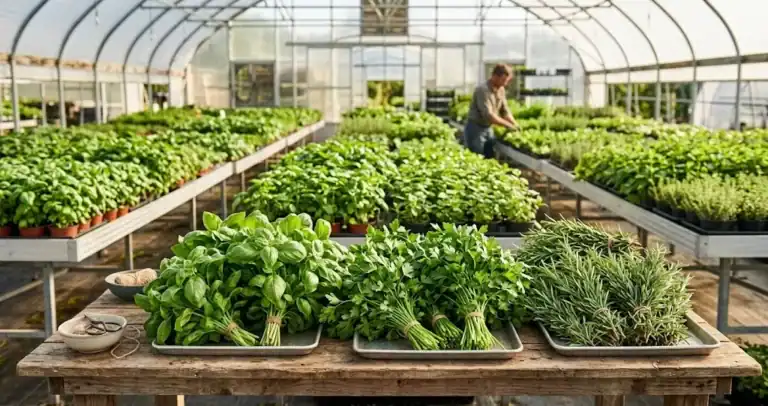
Avoid excessive applications of high-nitrogen chemical fertilizers, which stimulate lush vegetative bulk at the expense of aromatic essential oils. Instead, apply mature compost and balanced organic fertilizers to foster healthy root systems. Laying a clean layer of straw or organic mulch around field beds helps conserve moisture, suppress weed competition, and prevent soil splash during heavy rainfall, keeping your freshly harvested sprigs clean and market-ready. For year-round production or early spring plant starts, unheated hoop houses and nursery tables provide valuable frost protection and extend your selling window by several critical weeks.
Sales Channels and Finding Local Buyers
Connecting with the right customer base ensures that your harvest moves quickly before freshness fades. Because the consumer market is growing for locally grown food, successful herb farmers combine direct-to-consumer and wholesale sales channels:
- Farmers markets and community farm stands: Setting up an attractive display at a weekly farmers market lets you sell your herbs directly to consumers, build a loyal customer following, and test customer interest in new botanical varieties. Be sure to account for weekly booth rental and market fees when calculating your net margins.
- Restaurant accounts and culinary sales: Delivering freshly cut sprigs directly to local dining establishments solves a major challenge for kitchen teams tired of wilted commercial produce. Offer sample bunches of specialty varieties like lemon basil, edible flowers, or fresh marjoram to establish standing weekly wholesale orders.
- Online marketplaces and farm subscriptions: Packaged dried goods, seed packets, and wellness blends can be sold through e-commerce platforms and local buying clubs, providing steady income regardless of seasonal weather shifts.
To learn more about cooperative distribution, wholesale standards, and peer networking, explore joining regional herb growing and marketing associations that support independent producers with business tools, regulatory updates, and trade connections.
Pricing, Packaging, and Post-Harvest Handling
Post-harvest care directly determines whether your products command premium rates or spoil before reaching the customer. Harvest early in the morning after the dew has evaporated but before midday heat warms the leaves and dissipates delicate volatile oils. Move freshly cut stems into a cool, shaded packing area immediately after harvest.
When packaging fresh-cut herbs, bundle stems neatly with rubber bands or food-grade twist ties, or pack them into breathable vented clamshell containers to prevent bruising. Price your offerings based on local market benchmarks, packaging costs, and labor inputs. While culinary seasonings are often sold by the bunch at retail markets, restaurant accounts and bulk buyers frequently purchase by weight with per ounce or per pound pricing. Maintaining consistent quality and dependable delivery schedules allows you to earn higher prices and establish a trusted reputation as a dependable local grower.
Frequently Asked Questions About Growing Herbs to Sell
How much space do I need to grow herbs for profit?
You can begin on a very small footprint. A sunny backyard plot of 500 to 1,000 square feet or a modest greenhouse bench setup is sufficient to produce hundreds of potted starts or dozens of fresh-cut bunches each week. As your business grows, you can expand into intensive raised beds or lease additional garden plots.
Which herbs are easiest to grow and sell for beginners?
Sweet basil, chives, dill, and spearmint are ideal starter crops. They germinate readily, grow vigorously, and have universal culinary demand in virtually every local market.
Do I need special licenses to sell herbs from home?
Requirements for selling live plants and fresh-cut herbs vary by location, product, and sales channel. Check with your state agriculture department and local business licensing office before selling. If you plan to sell dried seasonings, herbal blends, or processed botanical goods, consult your state cottage food laws and local health department guidelines regarding kitchen certification and package labeling requirements.