Planting a perennial herb garden gives you dependable culinary flavors and aromatic foliage that return season after season. Unlike fast-growing annual herbs such as sweet basil, dill, or cilantro (often grown for its seeds as coriander) that complete their entire lifecycle within a single summer, perennial culinary herbs fall into two groups based on how they survive the seasons. Woody Mediterranean subshrubs develop persistent woody stems and low rosettes of foliage that hold through mild winters but may suffer damage or require protection in colder zones. Herbaceous perennials die back to the soil line in autumn and push fresh growth from their roots each spring. Whether a particular plant survives your winter depends on the species, the cultivar, and your local USDA hardiness zone. While biennial plants like parsley take two seasons to flower and set seed, these long-lived plants come back year after year, providing continuous harvests with minimal replanting. As your herbs grow across successive seasons, their root networks strengthen and yield deeper flavor.
Success with perennial herb gardening tips begins with understanding how each herb differs from tender garden vegetables. Most common long-lived species hail from Mediterranean hillsides or hardy temperate meadows, meaning they thrive on modest fertility and sharp drainage rather than frequent feedings and heavy fertilization. Aromatic herbs are easy to grow once you establish the proper soil conditions and sunlight exposure, rewarding any home gardener with bountiful fresh herbs for cooking, drying, and herbal tea blends. Just as tender sweet basil anchors the summer vegetable patch, permanent herb plantings anchor the perimeter of your garden with lasting structure.
Choosing the Best Perennial Herbs to Grow
When you select herbs to grow, consider their winter hardiness in your local growing zone, their adult size, and their culinary value. Grouping different types of herbs by moisture preference prevents common cultivation mistakes. Many herbs thrive in mixed beds, but matching their water needs is essential for long-term health and vigorous herb production.
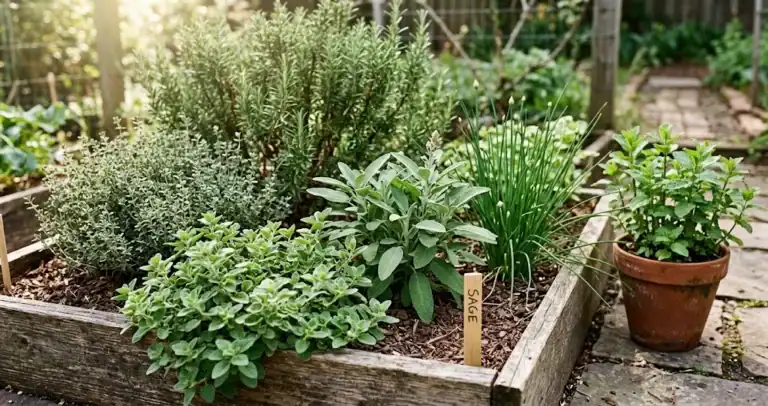
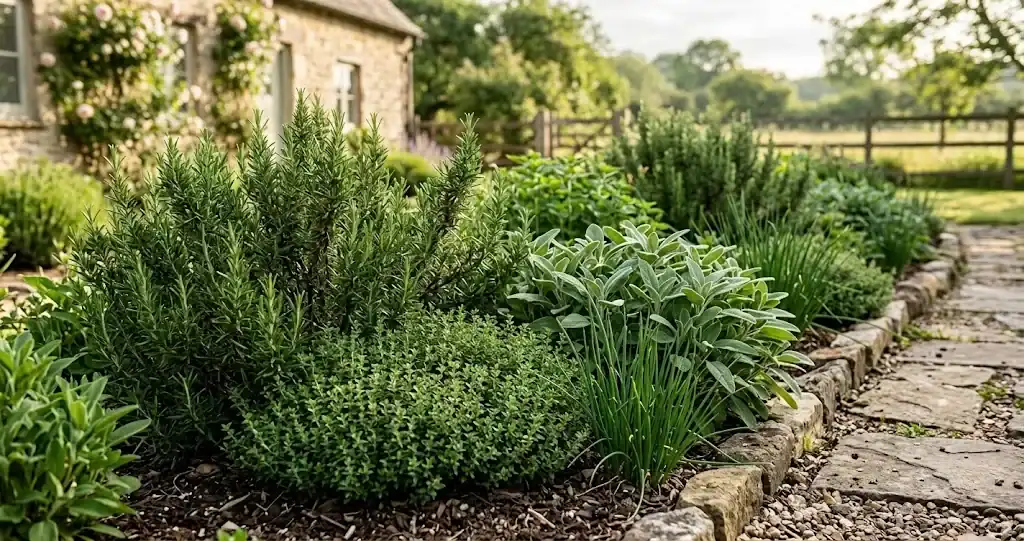
Woody Mediterranean species prefer lean, gritty soil and full sunlight. Notable culinary herb varieties in this group include:
- Rosemary (Salvia rosmarinus): A pungent, resinous shrub with needle-like leaves that loves sunny borders. This shrub is evergreen in mild climates but acts as a tender perennial in zones cooler than USDA Zone 7.
- Thyme (Thymus vulgaris): A versatile, low-growing groundcover with tiny aromatic leaves. The plant forms tidy mounds that tolerate light foot traffic and dry soil.
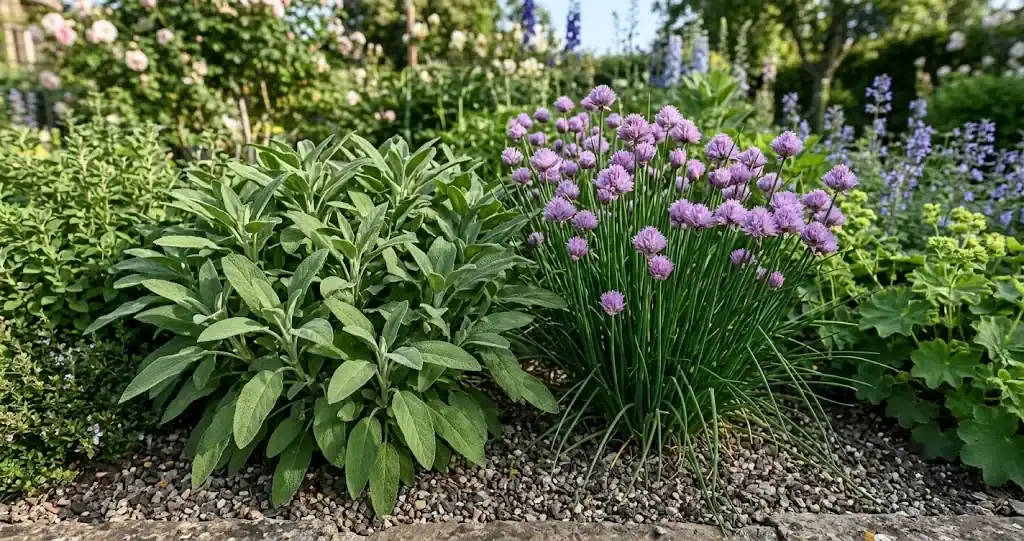
- Sage (Salvia officinalis): Known for textured, velvety grey-green foliage and earthy flavor, it handles summer heat and dry spells with ease.
- Oregano (Origanum vulgare): A hardy, vigorous spreader that produces peppery leaves ideal for tomato dishes and savory roasts. Greek oregano offers superior culinary flavor compared to wild varieties.
- Lavender (Lavandula angustifolia): English varieties carry fragrant violet blooms on slender stems above narrow, silvery-grey foliage that releases a clean, herbal scent when brushed.
Herbaceous perennials die back to the soil line in autumn and grow back with vigorous new shoots in spring. Reliable choices include the common chive (Allium schoenoprasum), which offers mild onion-flavored greens and edible purple pompom blossoms, French tarragon (Artemisia dracunculus), prized for its delicate anise note, and lemon balm (Melissa officinalis), a citrus-scented plant popular in a backyard tea garden.
Soil Preparation and Sunlight Essentials
Sharp soil drainage is the single most critical factor in keeping long-lived herbs healthy. Heavy, waterlogged clay suffocates delicate herb roots and invites fungal rot, especially during cold winter months. Most aromatic herbs prefer a soil pH between 6.5 and 7.5 with loose, porous texture.
Before you plant herbs in the ground, amend native soil with coarse horticultural sand, pumice, or fine gravel to improve porosity. While annual and returning plantings both appreciate organic matter, culinary herbs thrive best without heavy applications of rich manure. A thin layer of mature compost provides adequate baseline nutrition without overfeeding each herb plant.
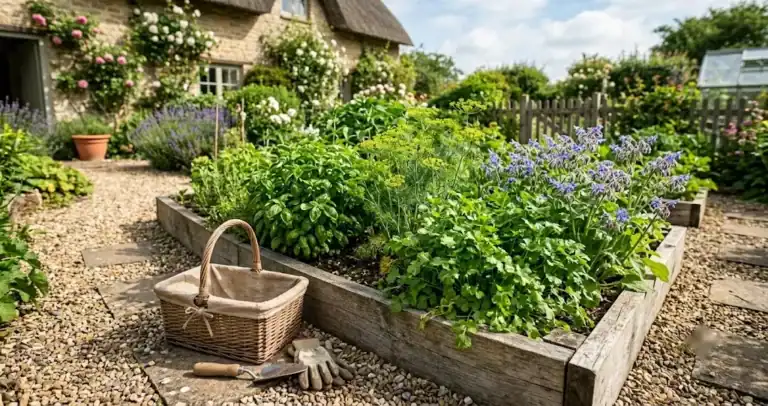
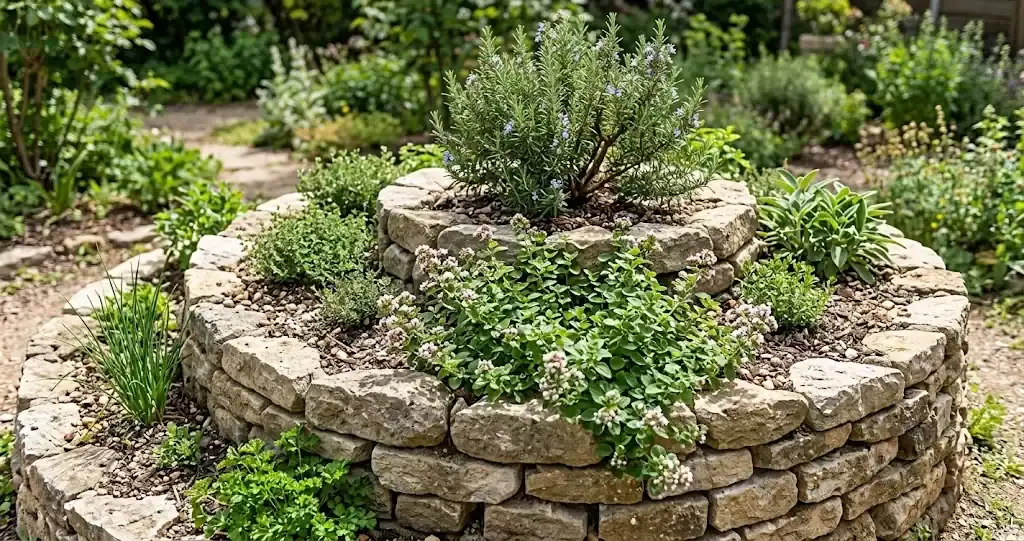
Full sunlight is equally vital. Most herbs prefer at least six to eight hours of direct, unfiltered sunlight each day. Positioning your herb planting bed near the kitchen or along a south-facing stone wall maximizes sun exposure and warmth. In landscapes with heavy clay or limited room, raised beds or a traditional herb spiral offer exceptional drainage control. An herb spiral creates distinct microclimates, allowing a moisture-tolerant herb to sit near the base while a drought-tolerant herb claims the sunny summit. If you are laying out a new plot, reviewing the fundamentals of growing herbs from the ground up will help you map orientation, access paths, and herb spacing before planting.
Watering, Pruning, and Feeding Established Plants
Caring for established herbs changes as plants transition from tender transplants to mature, established plantings. During their initial growing season, give young starts regular moisture to help roots settle into native soil. Once an established plant develops deep roots, reduce watering frequency significantly. Let the top 2 inches of soil dry completely before watering deeply at the herb root zone.
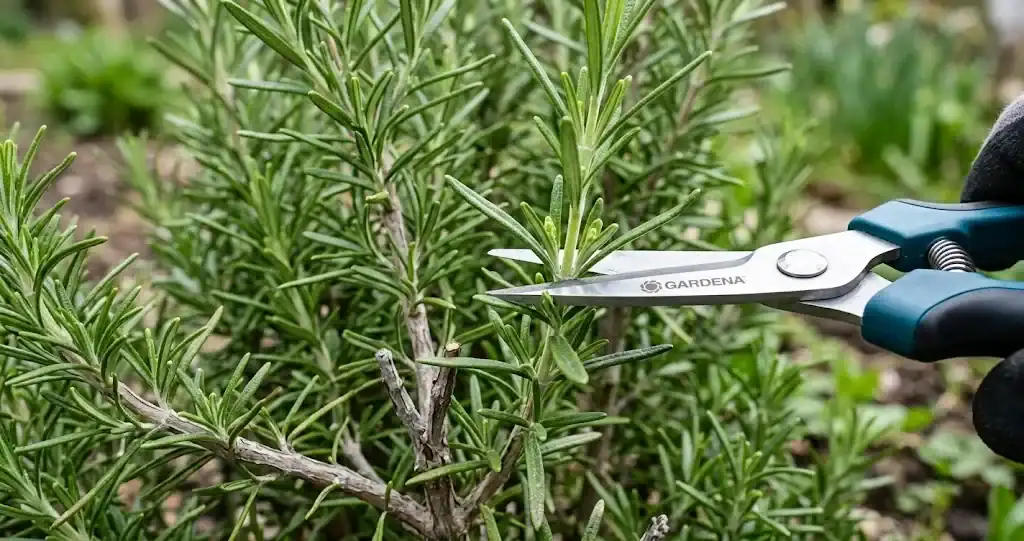
Routine pruning maintains plant vigor and prevents sprawling, leggy branches. Shear woody herbs like lavender, rosemary, and winter savory back by one-third in early spring just as green growth emerges. Never prune deeply into bare, woody branches that lack visible green buds, because old wood rarely regenerates new foliage. For herbaceous varieties like chives and mint, shear foliage back to 2 inches above the crown after flowering to stimulate a crisp secondary flush of culinary leaves.
According to research from the Penn State Extension, long-lived culinary herbs require significantly less fertilizer than annual vegetables, as excess soil nutrients produce rapid, sappy growth with diluted essential oil concentrations. A simple spring topdressing of aged compost supplies all the minerals each herb needs.
Growing Perennial Herbs in Containers and Small Spaces
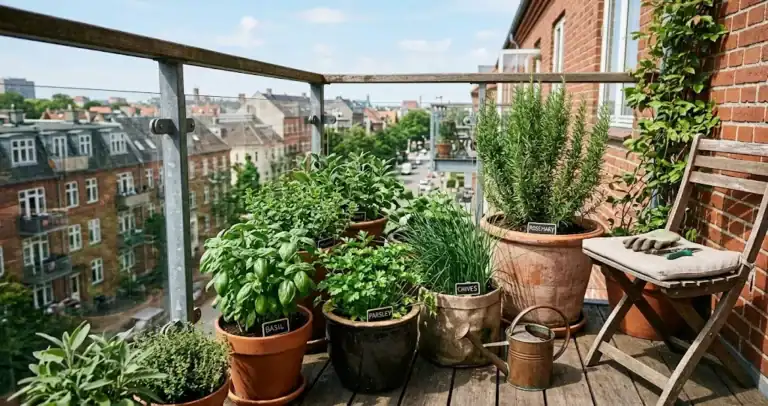
Creating a perennial herb container garden offers flexible solutions for patio gardeners, urban balconies, and climates with severe winter freezes. Many culinary varieties grow well in containers because pot culture ensures rapid drainage and allows you to relocate each herb container to track seasonal sun.
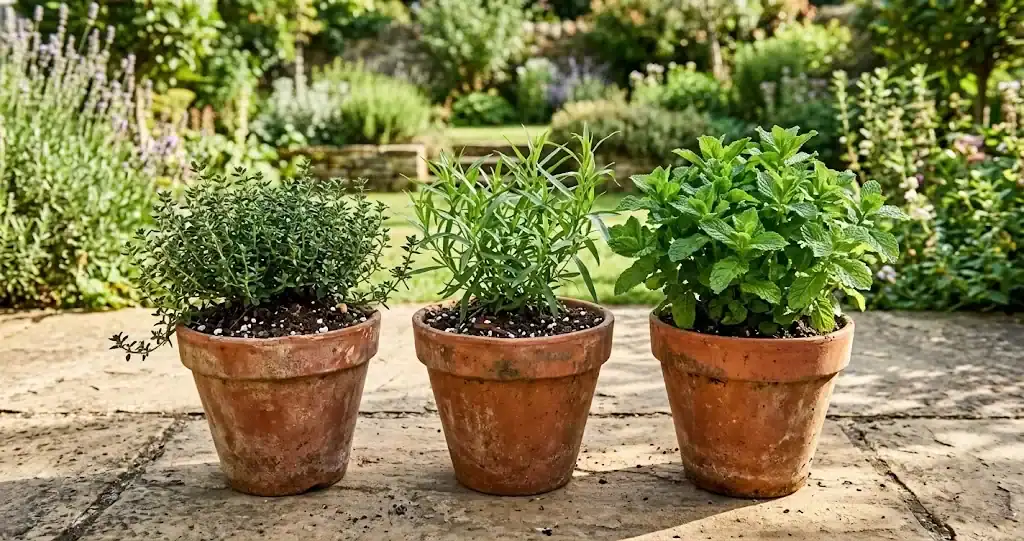
Select unglazed terracotta or porous fabric containers with generous drainage holes. Ensure each container is at least 10 to 12 inches in diameter to accommodate expanding root crowns. Use a premium potting mix amended with 25 percent perlite or pumice to prevent soil compaction around each herb specimen.
Container culture is also the safest strategy for vigorous spreaders. Mint and related vigorous spreaders travel aggressively via creeping underground runners and will quickly crowd out slower companions in open soil. Keeping mint confined to an individual pot isolates root growth while supplying steady leaves for fresh teas and garnishes.
Overwintering Perennial Herbs and Cold Protection
Preparing your herb patch to overwinter successfully ensures plants awaken with renewed vigor in spring. In moderate climates, hardy species such as chives and thyme need little cold protection. In colder regions where frost penetrates deeply, apply a 2-inch layer of organic mulch around crowns after the first hard freeze. Straw, shredded leaves, or evergreen boughs insulate roots from rapid freeze-thaw cycles without trapping excessive moisture against woody stems.
As detailed by the Oregon State University Extension Service, pruning woody perennials like lavender and sage should be done just as spring buds swell, avoiding late-autumn cuts that leave tender interior wood exposed to frost damage.
For container-grown perennials in freezing zones, roots lack the insulating thermal mass of in-ground soil. Move pots against a sheltered south-facing house wall, place them inside an unheated garage, or use a cold frame to shield root balls from biting winds. Check container moisture monthly through winter so roots do not dry out completely during dormancy.
Harvesting and Preserving Your Garden Yield
Regular harvesting encourages continuous branching and denser foliage. The best time to harvest herbs is mid-morning, after night dew has evaporated but before the day’s heat peaks. Snip sprigs with clean, sharp floral shears just above a leaf node or branch junction.
Follow the standard one-third harvesting rule: never harvest more than one-third of a plant’s total green growth in a single session. This leaves sufficient foliage for photosynthesis and carbohydrate storage. Cease heavy harvesting about four to six weeks before your area’s first fall frost date so late growth hardens off before sub-freezing temperatures arrive.
Aromatic herbs dry beautifully for winter storage. Bundle small clusters of rosemary, sage, or oregano stems with cotton twine and hang them upside down in a dark, warm, well-ventilated room. Alternatively, strip whole leaves and dry them flat on mesh screens. For delicate leaves like chives and dill, chop them finely and freeze them in ice cube trays with olive oil or water to preserve fresh color and aroma.
For gardeners looking to expand their hardy herb collections through division or stem cuttings, our companion guide on how to grow perennial herbs covers step-by-step propagation techniques for healthy home beds.
Frequently Asked Questions About Perennial Herbs
What is the 3-year rule for perennial herbs?
The 3-year rule describes the typical growth pattern of long-lived garden plants: in the first year they sleep, in the second year they creep, and in the third year they leap. During their first season, plants focus energy underground developing root infrastructure. In year two, root expansion continues with moderate top growth. By the third year, plants are fully established and produce bountiful harvests.
Which herbs should never be planted together?
Never combine herbs with opposite moisture and soil requirements in the same bed or planter. Moisture-loving herbs like mint, chives, and parsley should not share soil with drought-tolerant Mediterranean herbs like rosemary and thyme. In addition, mint should always be planted in isolated containers to prevent its invasive runners from choking adjacent herbs.
Can perennial herbs be grown indoors successfully?
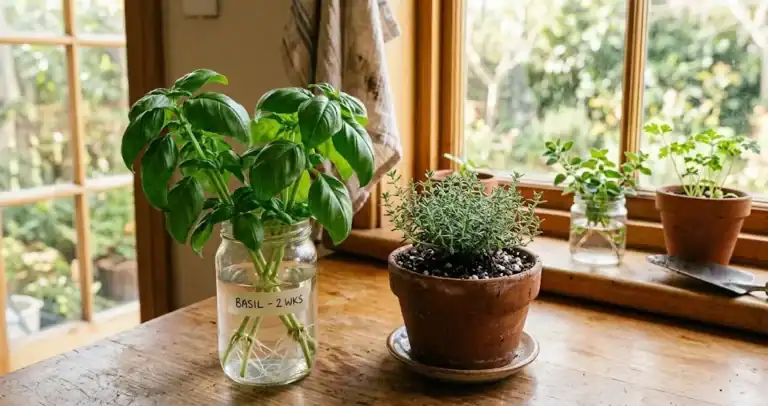
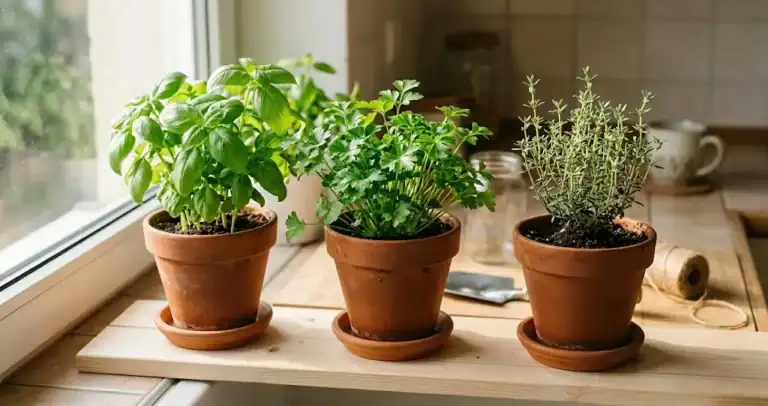
Yes, many hardy herbs can grow inside on a bright, south-facing windowsill that receives at least six hours of direct sunlight. Supplementing natural window light with an LED grow light placed 6 inches above the foliage ensures compact growth and prevents leggy stems during darker winter months.
How long do perennial herb plants last?
Herbaceous perennials like chives and mint can thrive indefinitely when clumps are divided every three to four years. Woody sub-shrubs such as lavender and garden sage typically maintain peak vigor for seven to ten years before stems turn excessively thick, woody, and less productive, at which point starting fresh plants from cuttings is recommended.