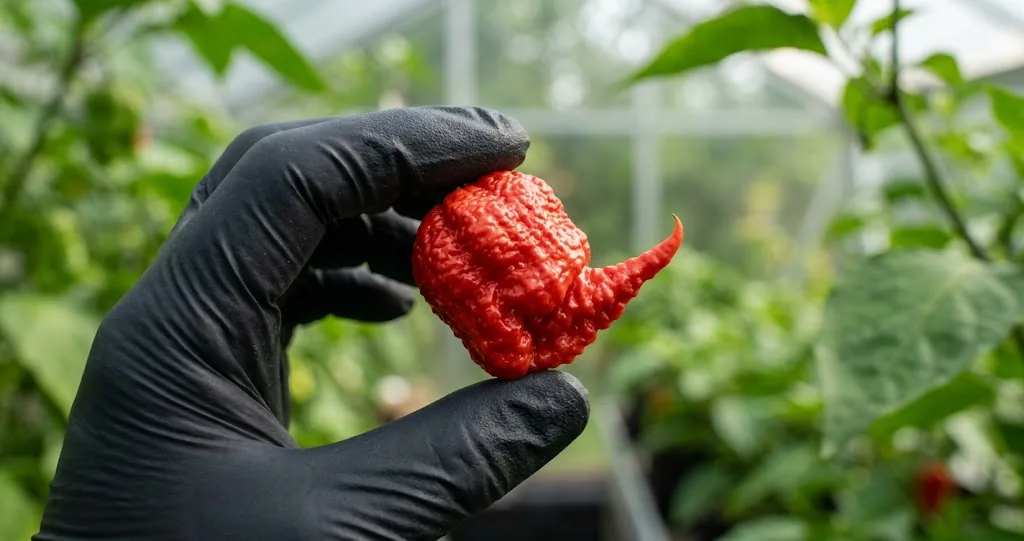
The Trinidad Scorpion pepper is one of the most intense varieties within the species Capsicum chinense. Originating in the Caribbean nation of Trinidad and Tobago, this renowned super hot chili pepper gained worldwide fame for its searing pungency and distinctive pointed stinger. While it demands cautious kitchen handling, growers cherish the plant for its productive yields and complex fruitiness.

Origins and History in Trinidad and Tobago
The name covers a family of related superhots from Trinidad and Tobago, not one single plant. The Trinidad Moruga Scorpion is a landrace from Moruga, a village on Trinidad’s south coast, according to the Chile Pepper Institute, and local gardeners grew it for generations before commercial breeders took notice. The Trinidad Scorpion Butch T came later, when Butch Taylor of Zydeco Farms in Mississippi propagated the strain and Neil Smith of the Hippy Seed Company named the strain after him.
In March 2011, a laboratory test measured a Butch T specimen at 1,463,700 Scoville heat units, and it was ranked the hottest pepper in the world for about three years. That title passed to Carolina Reaper peppers in 2013.
Botany and Pod Characteristics of Capsicum chinense
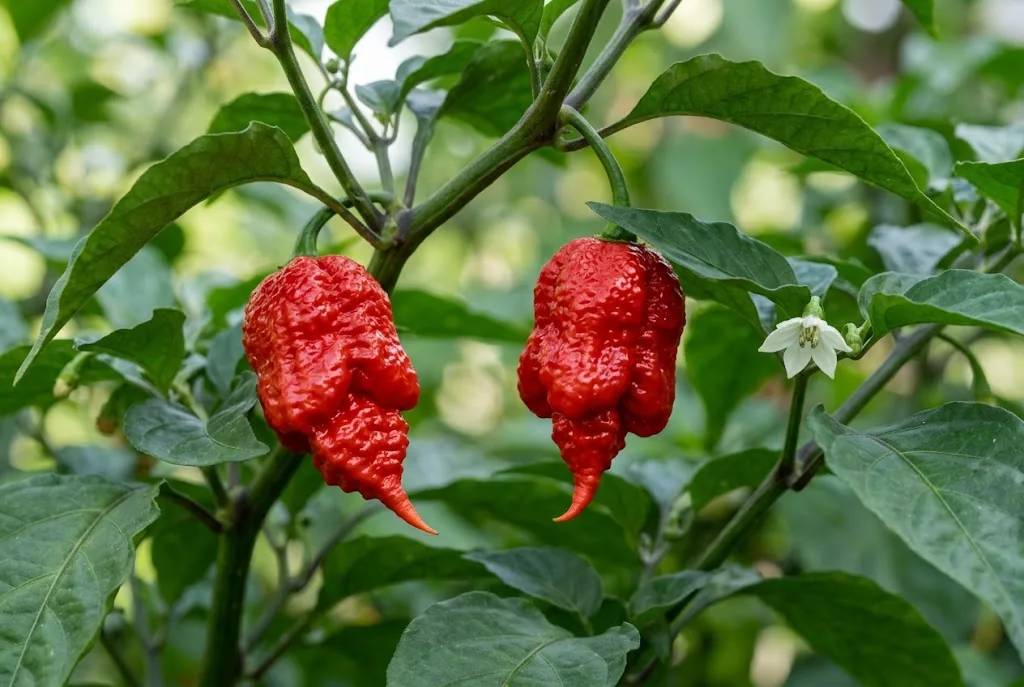
Like other members of the species Capsicum chinense, the Trinidad Scorpion plant exhibits a branching habit, broad ovate leaves, and small greenish-white flowers. Pods mature from bright green to vibrant scarlet, measuring roughly two to three inches in length. In contrast to smooth-skinned chili pepper types, the pod surface displays a wrinkled, bumpy, and pebbled texture.
The defining visual feature is the sharp stinger tail at the blossom end, giving the fruit its arachnid namesake. When studying the diverse types of chili peppers grown around the globe, few cultivars show such unmistakable, rugged pod architecture.

Scoville Heat Rating and Flavor Profile
Extreme pungency sets this cultivar apart from common culinary chilies. The Chile Pepper Institute measured the Moruga Scorpion at an average of 1,207,764 SHU in 2012 and lists the pepper at about 2 million SHU, while the Butch T tested at 1.46 million. Most capsaicin concentrates within the dense internal placental tissue rather than the seeds, generating a stinging burn that builds steadily across several minutes.
Is it hotter than the Reaper? On average, no. Guinness World Records puts the Reaper at an average of 1.64 million SHU, above the Butch T. Because the Moruga’s range reaches about 2 million, a single hot pod can still match or beat a typical Reaper.
Beneath the searing intensity lies an aromatic, fruity flavor with subtle floral undertones. Tasters who try a tiny sliver notice the natural sweetness before the fire builds. Because this variety ranks among the hottest chili peppers in the world, even small amounts add formidable spice to prepared dishes.
Germination and Growing Requirements
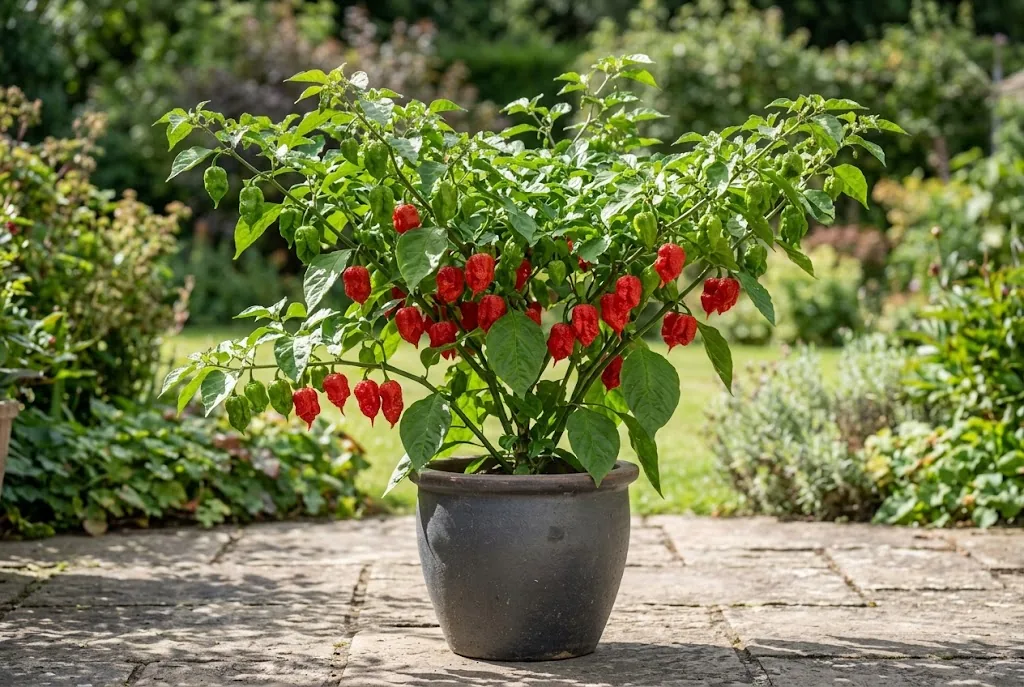
Starting seeds indoors requires patience and warmth. Sow each seed one-quarter inch deep in sterile starting mix eight to ten weeks before your final spring frost. Trays need a consistent root zone temperature between 80 and 85 degrees Fahrenheit to sprout reliably, often taking 14 to 28 days to emerge. The Chile Pepper Institute notes that Moruga can take up to 36 days to germinate.
Transplant seedlings into nutrient-rich, well-draining garden soil once outdoor nighttime temperatures stay consistently above 60 degrees. If planting in a container, select a minimum five-gallon pot with generous drainage holes so root systems thrive. Give the plants full sun and even moisture, and plan for a very long season, since the same institute cites up to 160 days from seed to pods.
Safe Harvesting and Handling Guidelines
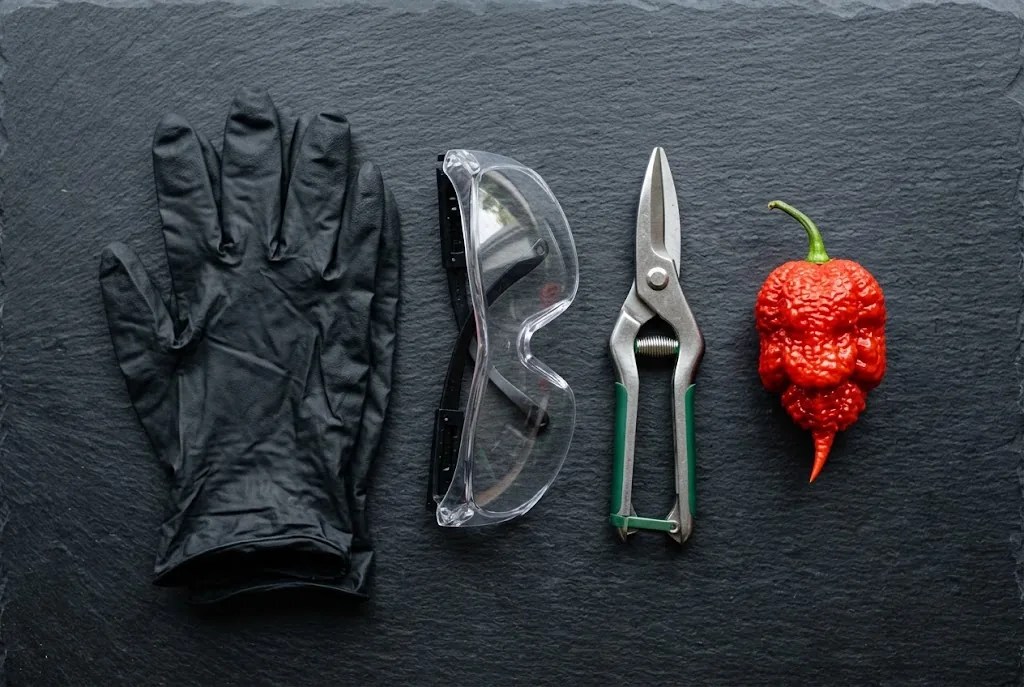
Harvest pods when they turn fully crimson for peak flavor and pungency. Wear heavy nitrile gloves when picking, washing, or slicing fresh fruit, and add glasses for eye protection, as Penn State Extension advises. Never touch your face, nose, or eyes while working with these peppers, and wash your hands thoroughly with soap and water afterward.
Preserving Methods and Culinary Uses
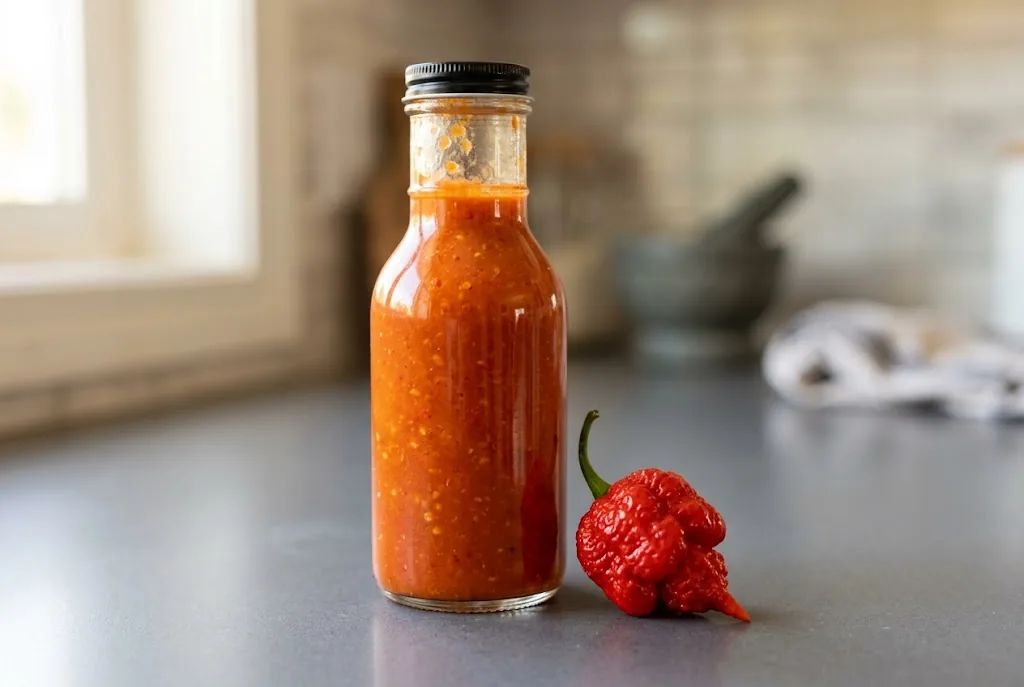
Bountiful harvests yield far more fiery pods than a household can consume fresh. Dry whole or halved pods in a dehydrator at 135 degrees Fahrenheit until brittle, then grind them into concentrated seasoning flakes. Wear gloves again when handling the dried pods and grinding them.
In cooking, home chefs use minute quantities of fresh pulp to create tropical hot sauces, fiery fruit salsas, and Caribbean jerk marinades. Combining a single pod with mango, pineapple, vinegar, and garlic yields a balanced sauce where the fruit’s sweetness and the vinegar’s acidity temper the explosive punch of the pepper.
