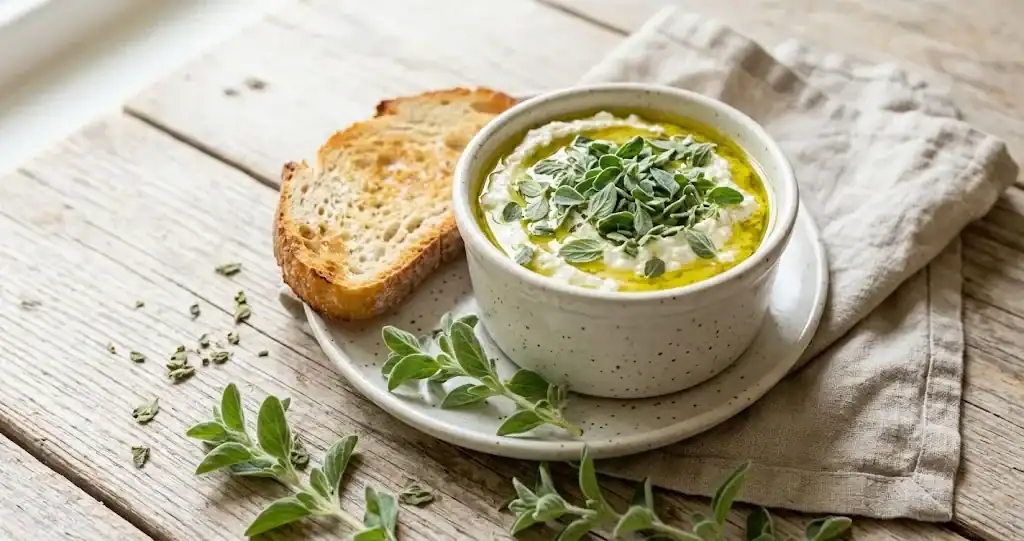
The marjoram plant earns a permanent place in a small kitchen garden because it asks for very little and gives a lot back. A few sprigs folded into a simmering pot of beans, scattered over roasted vegetables, or steeped into a light vinaigrette turns an ordinary dish into something gently Mediterranean, with roots in Italian and Greek kitchens. This guide explains what the plant is, how it differs from a close relative, what it tastes like, how to buy and store it, and how to use it confidently across everyday cooking.
The plant and its relatives
Sweet marjoram (Origanum majorana) is a tender perennial member of the mint family, often called origanum or knotted marjoram. It grows as a small bushy plant with soft oval leaves and small pale flowers. A home gardener treats it as an annual in cooler climates because the plant struggles below about 40 degrees Fahrenheit, but it overwinters happily indoors on a sunny windowsill.
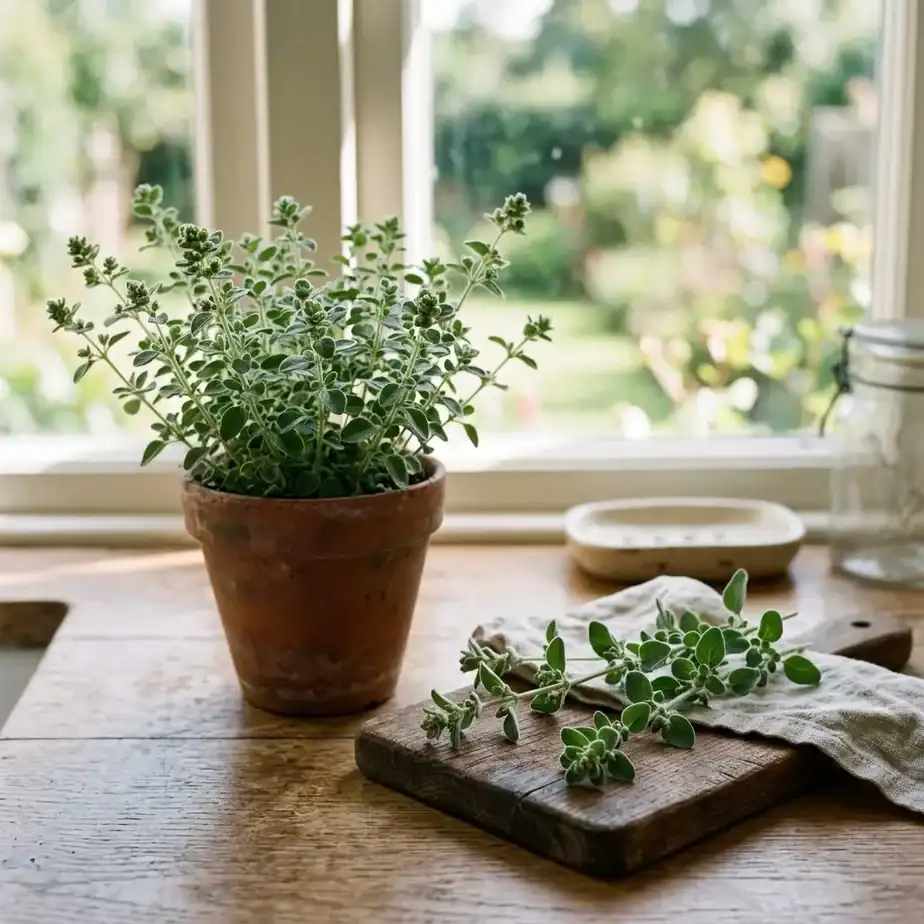
Inside the kitchen, it is valued for its delicate leaves and floral aroma. Both fresh and dried leaves are used, and the dried form keeps much of its character when stored properly. Sweet marjoram is sometimes confused with oregano, and the two do share the same genus. In cooking, it is the gentler cousin: a touch sweet, faintly minty, and never sharp.
For readers building a broader picture of which herbs to keep in the kitchen, the facts about culinary herbs overview is a useful reference that puts this seasoning next to its peers.
What it tastes like
It has a layered flavor that is hard to pin down with one word. Most cooks describe it as a soft blend of sweet pine, citrus, and a gentle aftertaste of mint, milder than oregano. The leaves are slightly fuzzy and release their aroma when bruised or warmed.
Fresh leaves are more vivid and grassy. Dried leaves deepen into warmer, more savory tones and lose the bright top notes, which is why dried is often preferred in slow-cooked dishes and fresh is preferred in finishing and salad work.
A simple taste test: rub a fresh leaf between your fingers and inhale. If you smell warm pine with a hint of citrus and a faint sweetness, you are holding the herb. If the smell is sharper and more peppery, you are probably holding a different leaf.
How marjoram and oregano differ
Marjoram and oregano are easy to swap by mistake. They look similar, belong to the same genus, and show up in overlapping recipes. They are not interchangeable in flavor.
- Marjoram is mild, slightly sweet, and floral. The leaves carry a soft citrus and pine note and a faint, sweet aftertaste of mint. They fade fast in long cooking, so they are best added in the last few minutes of cooking.
- Oregano is sharper and more pungent. It tolerates long, slow braises and stands up to bold flavors like tomato, lamb, and chili. A little goes a long way.
In a delicate sauce, the gentler leaf settles in without taking over. If a recipe calls for one and you only have the other, swap carefully: a teaspoon of oregano is usually too much where a teaspoon of the herb would be just right.
How to buy and store fresh sprigs
Look for fresh sprigs in season from late spring through early fall at farmers’ markets, in the spice aisle, or cut from your own garden. Choose bunches with bright green leaves and no yellowing or wilting. The leaves should look fuzzy and feel soft.
Dried leaves are sold in jars and small pouches in the spice aisle. Buy in small quantities, because the flavor fades within six months once opened. If the jar smells faintly of sweet pine when you open it, it is still good.
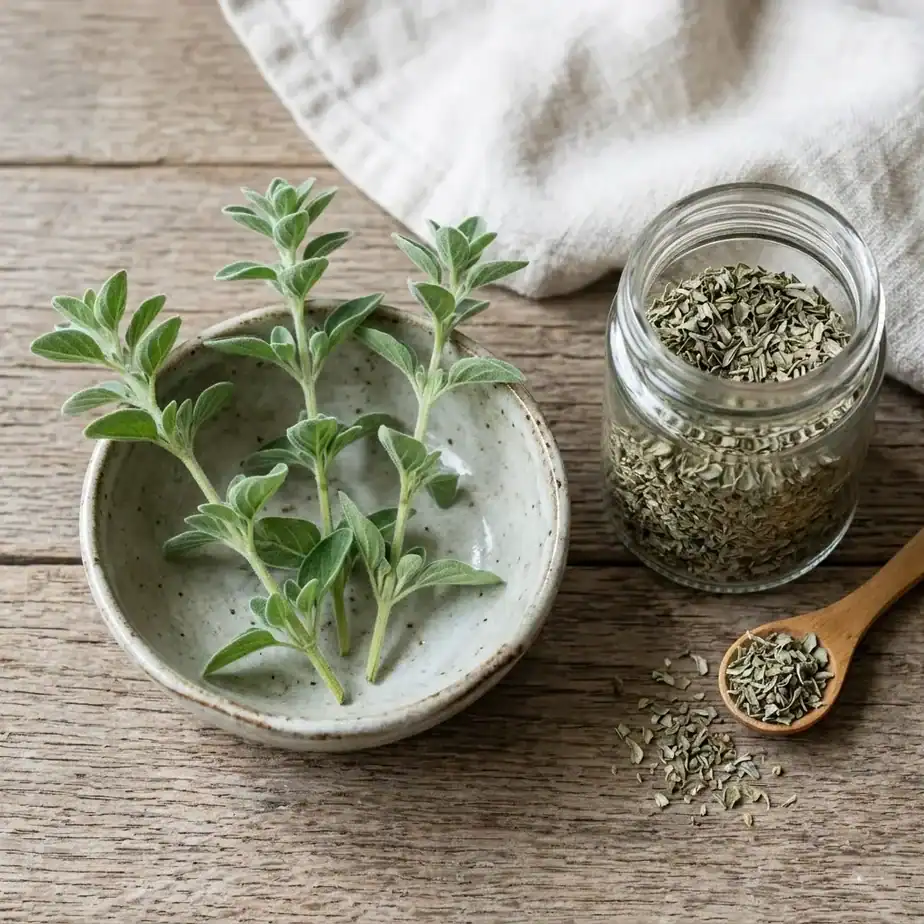
For longer storage of fresh leaves, see the guidance on how to store marjoram. Briefly, you can:
- Wrap fresh sprigs loosely in a damp paper towel, slip them into a plastic bag, and refrigerate for up to a week.
- Stand cut stems in a small jar of water on the counter, loosely covered with a plastic bag, for about a week.
- Dry whole stems in a warm, dark, airy spot, then strip the leaves and store them in an airtight jar away from light.
- Freeze chopped leaves in olive oil in ice cube trays, then pop the cubes into a freezer bag for cooked dishes.
How to use marjoram in cooking
It is at its best when added toward the end of cooking or used raw in finishing steps. Long heat dulls its delicate flavor, so a general rule is to treat it like chervil or chives: stir it in during the last few minutes of cooking or scatter it on just before serving.
Strip the small leaves from the woody stems before chopping. The stems can be bundled and added to a stock or braise for background flavor, then removed before serving.
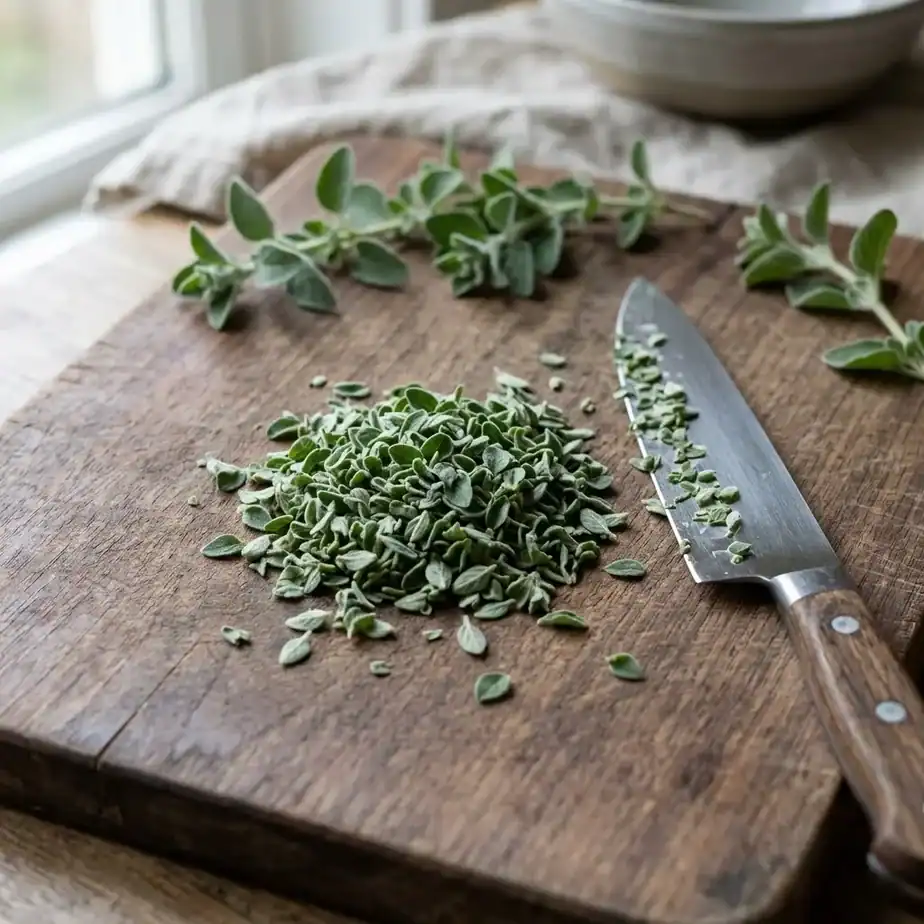
Pair the leaves with olive oil, lemon, garlic, white beans, eggs, and mild cheese. The leaves blend into all of them without overpowering. Add it to dressings, marinades, and yogurt sauces where you want a savory lift without heat. Stir it into stuffings, meatloaf, and sausage mixes, where a stronger herb would be the more traditional choice, but marjoram gives a softer result.
Best food pairings
It shines with vegetables and proteins that benefit from a gentle, savory lift. Good pairings include:
- Vegetables: green beans, asparagus, summer squash, peas, mushrooms, tomatoes, roasted root vegetables, and braised greens.
- Legumes: white beans, lentils, chickpeas, and split peas. A pinch in a pot of slow-cooked beans makes them taste rounded and finished.
- Eggs: folded into omelets, frittatas, and savory custards.
- Poultry: tucked under the skin of a roast chicken, mixed into breading, or scattered over pan-seared breasts at the end of cooking.
- Ricotta: stirred into ricotta for stuffed pasta, layered into a savory tart, or folded into a soft spread.
- Sauces: cream sauces, light tomato sauces, simple pan sauces for fish, and oil-based finishing sauces for vegetables. A few capers brighten a finishing sauce for white fish.
It also works well with other Mediterranean flavorings. It blends with sage and other Mediterranean flavorings without dominating them. Combined with sage, it contributes to a balanced rub for roast meats and roasted vegetables.
Simple recipes
These three recipes use the leaves the way they work best: added at the end, paired with a mild supporting ingredient, and allowed to stay in the foreground. For more recipes that lead with this ingredient, see the marjoram recipe ideas collection.
Lemon and marjoram green beans
Bring a pot of salted water to a boil and have a bowl of ice water ready. Blanch a pound of trimmed green beans for three minutes, drain, and plunge into the ice water to stop the cooking. Heat 1 tablespoon of olive oil in a wide skillet over medium heat, add a finely chopped shallot and cook for two minutes. Add the beans and a tablespoon of chopped fresh leaves, toss for a minute to warm through, then finish with the zest and juice of one lemon, salt, and pepper.

Marjoram ricotta on toast
Stir a tablespoon of chopped fresh leaves and a small grated garlic clove into a cup of fresh ricotta with a pinch of salt and a drizzle of olive oil. Spread on toasted sourdough, finish with cracked pepper, and serve as a light lunch or appetizer.
Marjoram compound spread for vegetables or fish
In a small bowl, mash half a cup (one stick) of softened unsalted butter with a tablespoon of finely chopped sweet marjoram, a small grated garlic clove, the zest of half a lemon, and a quarter teaspoon of salt. Spoon the mixture into a small dish, chill until firm, and use a tablespoon or two to finish steamed vegetables, grilled fish, or a pan-seared chicken breast.

White beans with marjoram
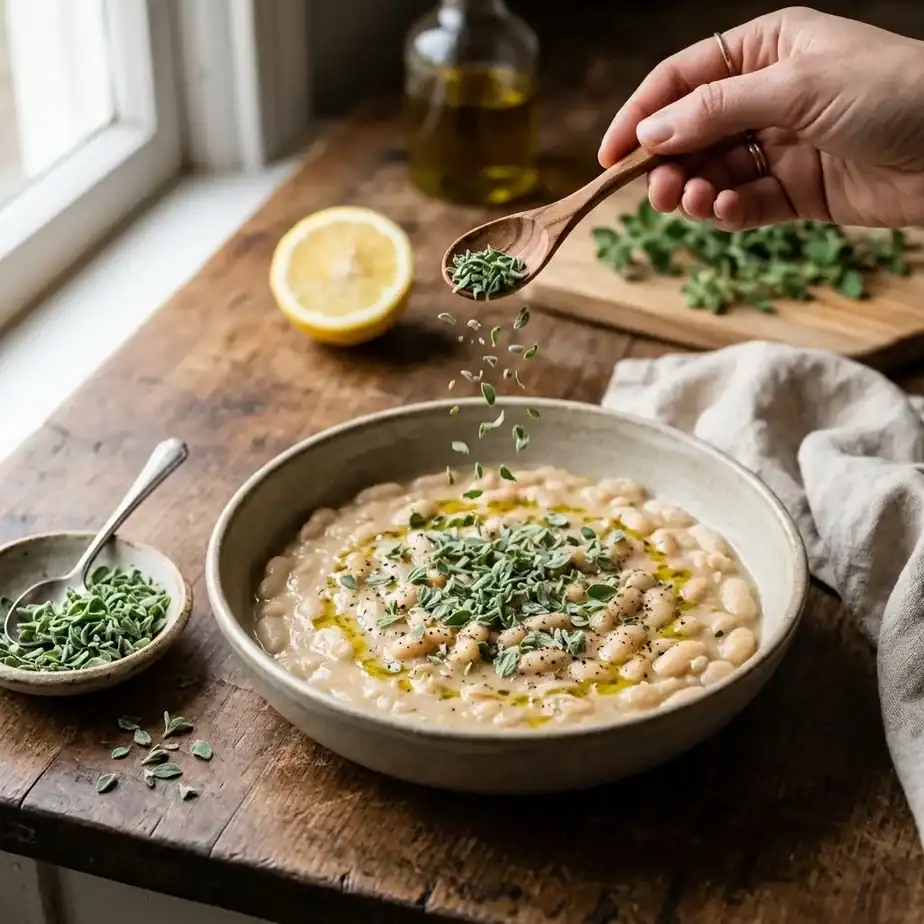
Warm a quarter cup of olive oil in a wide pan over medium heat. Add a chopped onion and a pinch of salt and cook until soft, about eight minutes. Add two drained cans of cannellini beans, a minced garlic clove, and a strip of lemon peel. Simmer gently for ten minutes, mashing a few beans to thicken the sauce. Finish with a generous tablespoon of chopped leaves, a squeeze of lemon, and pepper.
Common substitutes
When you cannot find sweet marjoram, the closest substitutes depend on the dish:
- Oregano, used in smaller amounts. Use about half that you would use of the leaves, because it is stronger.
- Thyme with a pinch of sugar, which makes it more savory.
- Fresh basil in uncooked dishes, where it shares a soft, sweet character and works in place of the leaves in salads and dressings.
- A blend of parsley and a small pinch of oregano for soups and braises.
None of these is an exact match. If a recipe turns on this flavor, try to find the real thing. If you cannot, oregano at half strength is the most reliable backup.
Health and safety notes
Sweet marjoram is a culinary herb. For medicinal use, the European Medicines Agency monograph recognizes traditional use of certain marjoram preparations for mild indigestion, while noting that clinical-trial evidence is insufficient to support broader health claims. This article covers culinary leaves, not concentrated essential oils. If you have a medical condition or are considering a concentrated product, ask a qualified clinician for individual advice.
Frequently asked questions
Is sweet marjoram different from regular marjoram?
In everyday cooking, the terms are used interchangeably. The common culinary species is Origanum majorana. Wild marjoram is another name for the wild-growing Origanum vulgare, which is sharper. When you see “marjoram” in a recipe, it almost always means the cultivated form.
Can you eat the leaves after it flowers?
Yes. The leaves remain safe to eat after the plant flowers, though the flavor can turn slightly bitter once the plant puts energy into blooms. For the best flavor, harvest leaves before flowering or cut the plant back after flowering to encourage a fresh flush of tender leaves.
What does the plant taste like?
It tastes mildly sweet with warm pine notes, a touch of citrus, and a faint, sweet aftertaste of mint. It is much softer than oregano and never sharp.
How do you store fresh sprigs?
Wrap the sprigs in a damp paper towel, slip them into a plastic bag, and refrigerate for up to a week. You can also stand cut stems in a jar of water on the counter, loosely covered, for about a week. For longer storage, dry or freeze the leaves.
What foods pair best with it?
Green beans, asparagus, summer squash, peas, white beans, eggs, ricotta, chicken, and mild fish all pair well. Use it in dressings and finishing sauces where you want a savory lift.
A simple way to start
Start small. Buy a fresh bunch, taste a leaf raw, and chop a teaspoon of leaves into a pot of cannellini beans in the last few minutes of cooking. Or stir a teaspoon of chopped leaves into a bowl of ricotta with lemon zest for toast. Once you get a feel for the flavor, fold it into dressings and finishing oils for vegetables, eggs, and fish.
Marjoram is not a showy one, and that is the point. It is a versatile herb that quietly makes a dish feel finished. Used with care, it becomes a regular part of how a home cook builds flavor.