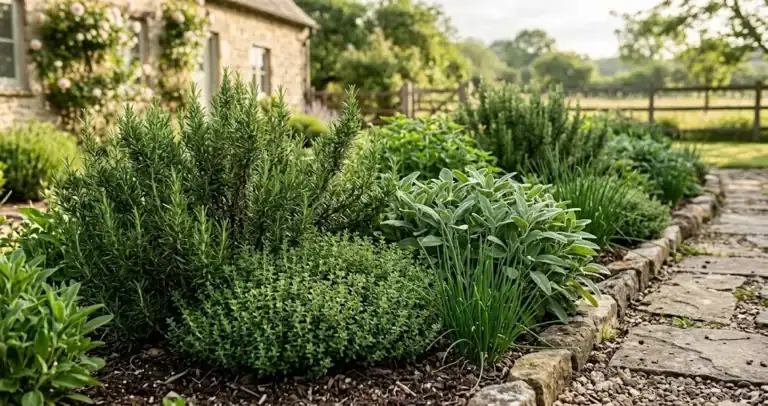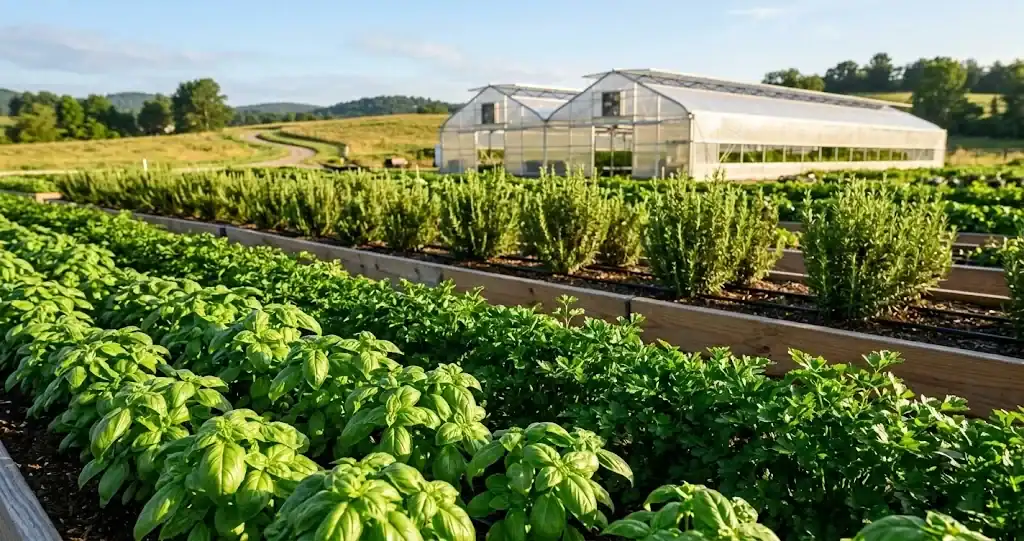
Turning a passion for plants into a profitable venture is one of the most accessible ways to generate farm income from limited acreage. Unlike standard field vegetables that require heavy machinery and expansive acreage, specialty herbs generate exceptional revenue per square foot. Whether managing a quarter-acre homestead, a suburban backyard, or a commercial market garden, making money growing herbs hinges on selecting fast-turning crops, matching production to local market demand, and maintaining strict post-harvest quality.
Commercial herb production offers flexible entry points for any aspiring grower. You can sell freshly cut sprigs to neighborhood restaurants, potted culinary starts to home gardeners in spring, or dried botanical blends to local apothecaries. By understanding enterprise margins, cultivation cycles, and field logistics, an operator can build a resilient enterprise that generates consistent cash flow from early spring through late autumn.
Why Growing Culinary Herbs Offers High Value on a Small Farm
For any small farm seeking diversified cash flow, culinary herbs represent one of the most reliable crop categories. Culinary cultivars enjoy year-round culinary appeal, rapid maturity cycles, and premium retail pricing compared to commodity produce. While a head of cabbage might occupy a square foot of garden space for eighty days before yielding two dollars, intensive cut-and-come-again herbs like basil or cilantro yield multiple harvests from the exact same footprint throughout the season.
High planting density is the primary engine behind small-scale profitability. In intensive raised beds or high-tunnel ground beds, commercial growers plant leafy varieties at four- to six-inch spacings. This close spacing produces continuous canopies that shade out competing weeds, conserve precious soil moisture, and produce dozens of uniform stems per square foot. With restaurant kitchens consuming fresh aromatics daily, local growers who guarantee same-day picking freshness easily command higher prices than distant industrial suppliers whose produce spends days in transit.
Culinary varieties also simplify operational planning. Most kitchen staples share standard growing requirements: fertile, well-drained loam, balanced moisture, and full sunlight exposure. By integrating high-value aromatic beds alongside vegetables, market gardeners diversify their weekly offerings and create reliable upsell opportunities at regional sales outlets.

Top Fresh-Cut Herbs for Consistent Harvests
Farmers who grow herbs for profit must balance market demand against labor requirements when choosing which crops to prioritize. While hundreds of aromatic species exist, profitable herb farmers focus their initial acreage on proven, high-demand kitchen staples that yield heavily and sell quickly.
Sweet basil remains the undisputed volume leader across direct-to-consumer and wholesale restaurant markets. This warm-season annual germinates rapidly, reaches cutting maturity in four to five weeks, and generates repeated weekly flushes when harvested above lateral leaf nodes. In addition to standard Genovese types, specialty offerings like lemon basil and Thai basil provide distinct aromatics that attract an artisan chef looking for unique flavor profiles. Because basil foliage wilts rapidly under refrigeration, local farms have an immense competitive advantage over long-distance distributors.
Italian parsley and curly parsley provide dependable shoulder-season production. This cool-hardy biennial tolerates early spring freezes and late autumn frosts, allowing growers to maintain a good supply of fresh bunches when tender summer crops are unavailable. Flat-leaf parsley is particularly prized in commercial kitchens for its clean, robust flavor and dense foliage yield.
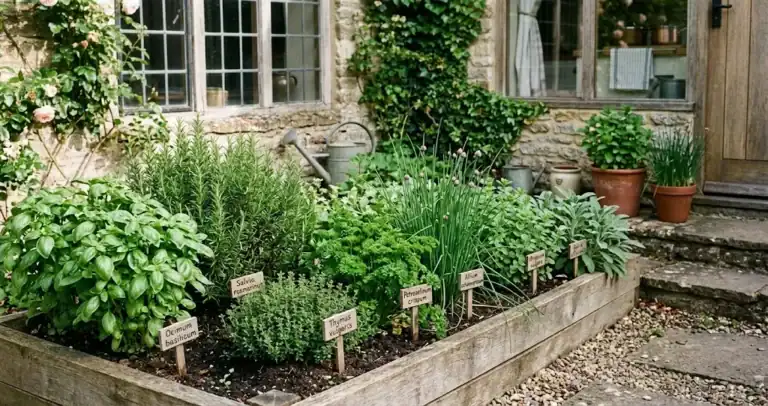
Rosemary, thyme, and oregano form the backbone of the long-lived crop category. Once established in well-drained ground, perennial herbs yield woody sprigs year after year without the seasonal labor of tilling and reseeding. Rosemary plants withstand hot summer droughts and produce sturdy, aromatic stems that dry cleanly or sell fresh in clamshell packages. Similarly, Greek oregano establishes vigorous mounds that provide dependable cutting volume across multiple seasons.
Dill and cilantro round out the single-season production rotation. Both crops grow rapidly from direct seeding but tend to bolt quickly once summer temperatures climb. Successful producers solve this challenge by practicing continuous succession planting every ten to fourteen days, ensuring fresh-market bundles are available without interruption. Chive patches provide an easy to grow perennial crop that awakens early each spring, offering tender green scapes and edible lavender blossoms that command premium restaurant pricing.
Profitable Medicinal Herbs and Value-Added Products
Beyond the culinary trade, the demand for certified organic and responsibly grown medicinal herbs continues to surge. The retail herbal market is growing as consumers seek out loose-leaf wellness blends, handcrafted skincare preparations, and artisanal teas. Cultivating botanicals for their recognized medicinal properties allows growers to tap into dedicated herbalist communities and specialty retail shops.
Calendula is an outstanding entry-level cash crop for organic producers. Bright calendula flowers bloom profusely from early summer until the first hard autumn freeze. Regular picking encourages continuous bud formation, yielding dense trays of resinous petals. When dried slowly at low temperatures, calendula blossoms retain their vivid orange hue and are sold as bulk botanicals, infused into cosmetic oils, or formulated into soothing skin balm products.
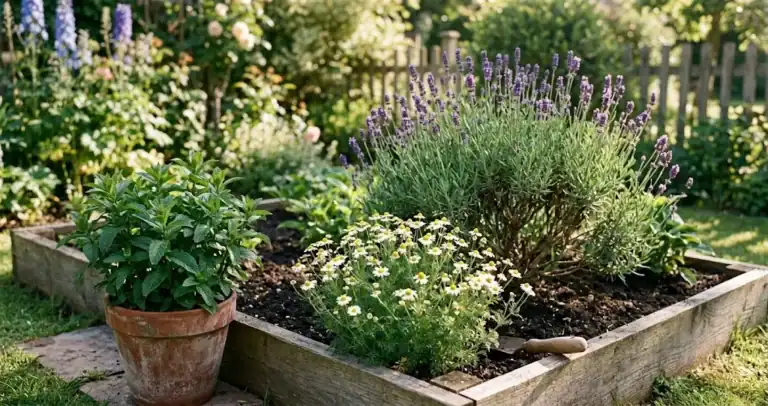
Lemon balm and German chamomile serve as core ingredients in regional tea formulations. Lemon balm produces abundant leafy foliage packed with bright citrus aromatics, regrowing vigorously after repeated seasonal cuttings. German chamomile produces delicate floral heads that are harvested with specialized berry rakes and dried for calming herbal teas. Selling packaged loose-leaf herbal products transforms raw farm harvests into shelf-stable goods with extended sales season potential, insulating the grower from midsummer perishable gluts.
When entering herbal medicine markets, small growers should focus on clean handling and batch traceability. Herbalists and compounding apothecaries pay top dollar for whole, unblemished leaves and flowers that have been dried out of direct sunlight to preserve delicate essential oils. Establishing relationships with regional practitioners provides a steady commercial outlet for specific herbs tailored to their custom formulation needs.
Growers should consult regional enterprise budgets and horticultural production benchmarks provided by university agricultural extension offices, such as the Penn State Extension commercial herb guide, to evaluate accurate yield projections and drying facility requirements for medicinal botanicals.

Production Models: Live Plants, Fresh-Cut Bunches, and Nursery Sales
To maximize total farm revenue, experienced operators rarely rely on a single sales format. Diversifying production into live plants, fresh-cut bunches, and value-added items balances cash flow across different seasons and weather conditions.
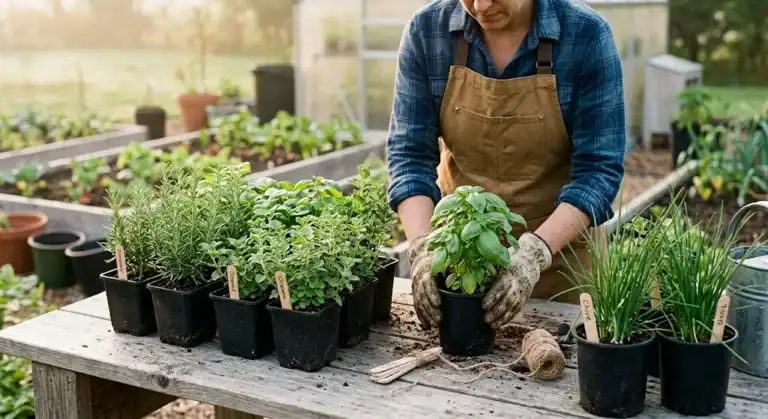
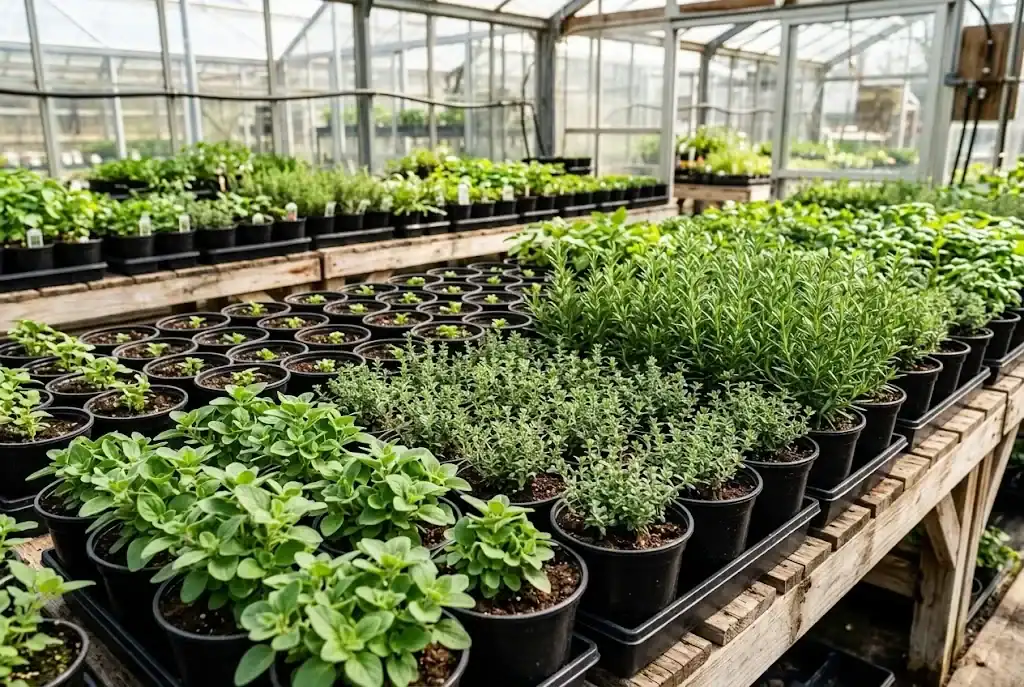
Spring nursery plant sales provide immediate upfront cash before outdoor field crops reach harvestable size. Home gardeners, urban homesteaders, and culinary enthusiasts eagerly purchase live plants in four-inch containers during April and May. Propagating herbs from seed, root division, or vegetative cutting allows an operator to produce thousands of nursery pots inside modest cold frames or poly tunnels with minimal heating expense. Offering certified organic starts, heirloom varieties, and pre-mixed patio planter bowls enables growers to capture higher retail price points than industrial garden centers.
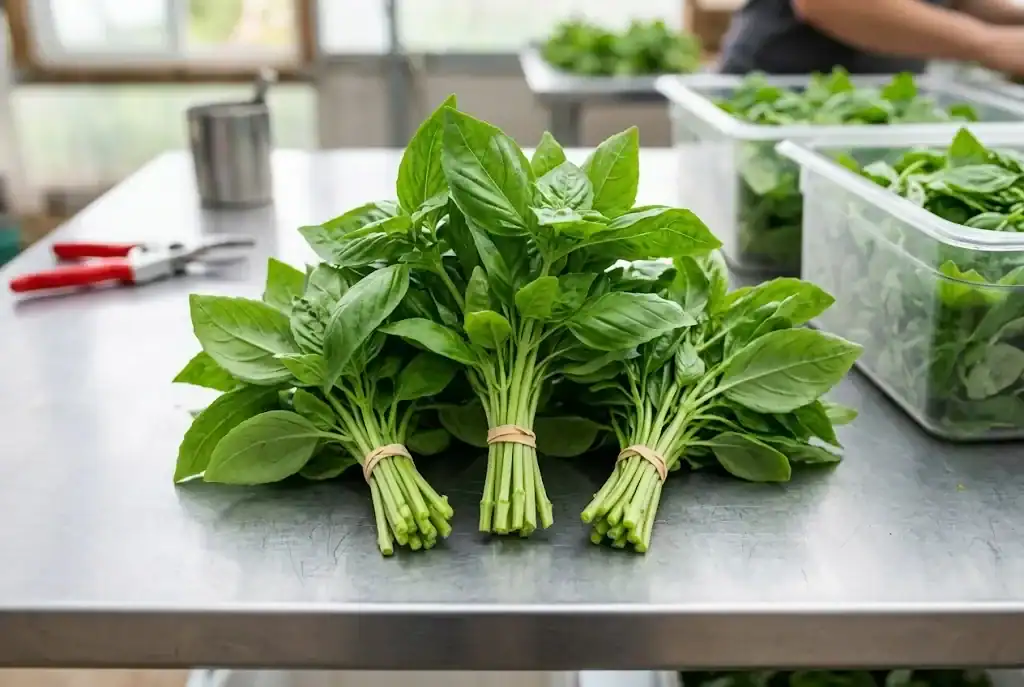
Fresh-cut field production generates steady weekly income throughout the peak season. Cut stems are bundled with rubber bands, trimmed to uniform lengths, and packed into vented food-grade bags or clear clamshells. Maintaining rapid cold-chain handling, harvesting during early morning hours, and chilling product promptly preserves cellular crispness and prevents blackening in delicate leafy greens like sweet basil and cilantro.
Transforming surplus yield into shelf-stable dried herbs and infused seasoning salts eliminates waste and stabilizes income. When summer harvests outpace weekly sales, unblemished stems move straight into commercial dehydrators. Packaged in airtight glass jars or food-grade pouches, dried culinary herbs and herb products provide profitable winter inventory that can be sold through holiday craft markets, farm stands, and online stores.
Where and How to Sell Herbs Directly and Wholesale
Establishing dependable marketing channels is just as critical as mastering soil chemistry and irrigation timing. Even the highest-quality product will not generate profit without clear sales pathways established before seeds touch the ground. For a complete look at expanding market access and establishing wholesale distribution agreements, explore our in-depth resource on growing herbs to sell across regional agricultural hubs.
Selling direct to consumers at a local farmers market delivers the highest gross profit margin per pound of harvested produce. A vibrant market booth featuring live potted culinary starts, fresh-cut bundles in chilled displays, and dried seasoning mixes appeals to both casual weekend shoppers and dedicated home cooks. Sampling fresh herbal teas or offering recipe cards encourages shoppers to try unfamiliar kitchen varieties, boosting basket size and building repeat customer loyalty.
Direct wholesale accounts with an independent restaurant chef provide steady, predictable weekly volume. Commercial kitchen managers value local growers who deliver immaculate, freshly cut culinary herbs with zero transit damage and extended shelf life. When approaching restaurant kitchens, deliver sample containers of unwashed, dry-packed specialty items between lunch and dinner prep hours. Establishing standing weekly delivery schedules provides baseline revenue that covers core operational overhead.
Independent grocery stores, natural food co-ops, and local farm stands represent additional commercial outlets. These retailers prefer packaged clamshells featuring clear labeling, unified branding, and scannable bar codes. Furthermore, networking with regional trade groups and joining established herb growing and marketing associations helps new producers uncover shared distribution routes, bulk supply discounts, and cooperative wholesale contracts.
Soil Prep, Irrigation, and Greenhouse Production for Maximum Yield
Consistent commercial yields depend on robust soil fertility and disciplined bed preparation. Most culinary and medicinal crops thrive in loose, fertile soil with a neutral pH between 6.2 and 6.8. Incorporating finished compost and balanced organic fertilizers before spring transplanting supplies necessary nitrogen, phosphorus, and potassium without causing excessive, watery vegetative growth that dilutes aromatic essential oil concentration.
Mulch management plays a pivotal role in maintaining clean foliage and conserving moisture. Applying straw, wood shavings, or woven landscape fabric between planting rows prevents soil particles from splashing onto low-growing leaves during heavy rainstorms, dramatically reducing post-picking washing time. Organic mulches also keep root zones cool during summer heatwaves and help plants endure prolonged dry spells.
Precision drip irrigation delivers water directly to plant crowns while keeping upper foliar canopies completely dry. Wet foliage encourages fungal blights, powdery mildew, and bacterial leaf spot, all of which quickly render fresh herbs unsaleable. Installing automated drip lines connected to simple timer valves ensures consistent soil moisture, promoting vigorous vegetative flushes after each successive cut.
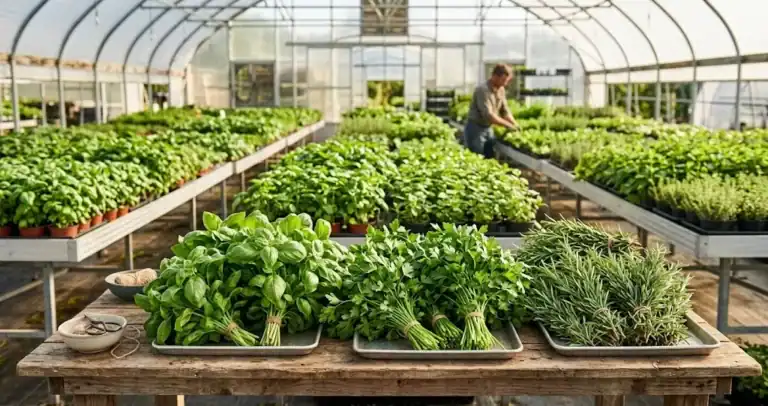
Investing in unheated hoop houses or heated greenhouse production extends the harvest season at both ends of the calendar. Protected environment structures shelter tender annual crops from unseasonable frosts, heavy winds, and pounding hailstorms. Greenhouse benches also allow growers to start transplants weeks ahead of the outdoor schedule, ensuring strong, healthy starts are ready when customer buying enthusiasm peaks in spring.
Enterprise Budgeting: Calculating Farm Income and Profit Margins
Running a successful commercial growing operation requires treating plants as an integrated business rather than a casual gardening hobby. Developing a detailed enterprise budget allows an entrepreneur to track startup expenses, calculate production costs per bed foot, and set profitable wholesale and retail prices.
Startup capital requirements for a small herb farm remain modest compared to traditional livestock or row-crop enterprises. Primary initial expenses include propagation trays, seed stock, quality potting mix, irrigation tubing, pruning shears, food-grade storage bins, and simple drying racks. Using an online or spreadsheet farm calculator allows producers to accurately allocate equipment depreciation and seasonal seed costs across individual crop rows.
Labor represents the largest ongoing variable cost on any diversified market garden. Seeding, transplanting, weeding, harvesting, bundling, and delivering delicate botanical crops demands careful time management. Tracking harvest labor per bunch reveals which varieties generate true net income. If hand-picking fine-leaf thyme takes twenty minutes per four-ounce bunch, the retail price must reflect that labor investment, or production should pivot toward faster-harvesting crops like sweet basil or flat-leaf parsley.
As your acreage matures and operational workflows become second nature, expanding capacity requires strategic planning and capital reinvestment. Learn actionable methods for expanding bed capacity, managing farm teams, and scaling up an herb business to achieve long-term agricultural profitability.
Agricultural economists and small farm specialists at land-grant universities, including the NC State Extension small farms program, provide downloadable enterprise budgets and crop comparison worksheets that help commercial growers verify economic viability before investing significant capital.

Frequently Asked Questions About Making Money Growing Herbs
Which herbs are the most profitable to grow for beginning market farmers?
Sweet basil, flat-leaf Italian parsley, cilantro, and rosemary are generally the most profitable crops for beginners. Basil and parsley deliver rapid turnover and high yields per square foot, while established rosemary provides dependable cuttings without yearly replanting costs.
Can you make a full-time living growing herbs on small acreage?
Yes, many professional growers earn substantial farm income on one to two acres by combining intensive fresh-cut culinary production with spring nursery plant sales and high-margin dried botanical goods. Maximizing revenue requires intensive succession planting, direct marketing to restaurants and farmers markets, and disciplined labor tracking.
How do you keep freshly cut herbs from wilting after harvest?
Pick herbs during the cool early morning hours before direct sunlight causes moisture loss. Remove field heat immediately by gently transferring harvested stems to cool, shaded holding areas. Most culinary crops benefit from clean trimming, light misting, and storage at 38 to 42 degrees Fahrenheit with high relative humidity, with the exception of basil, which must be stored between 50 and 55 degrees to prevent cold damage.
Do I need a commercial greenhouse to start selling herbs?
A heated greenhouse is helpful for early spring transplant propagation, but it is not mandatory for starting a profitable operation. Simple low tunnels, outdoor cold frames, and well-managed open raised beds allow growers to produce premium-quality summer culinary bunches and field-grown hardy plants with minimal initial infrastructure.