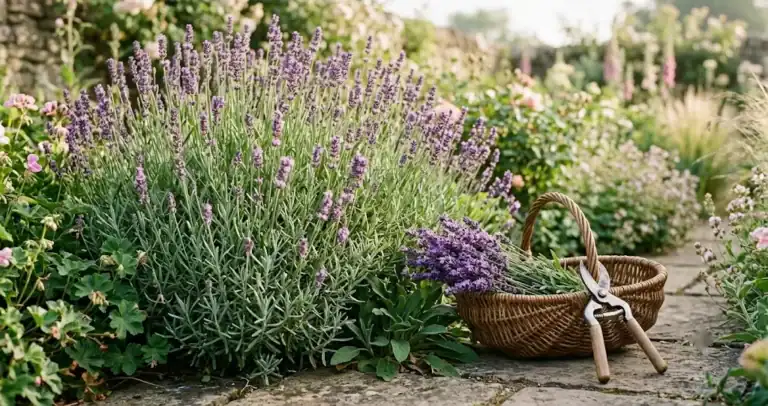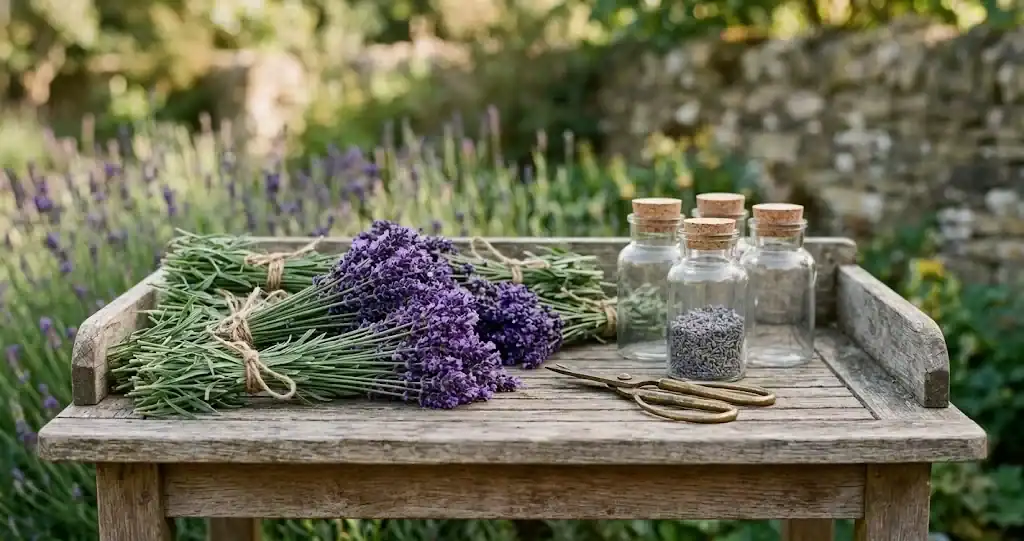
Few sensory experiences in the garden rival a summer lavender patch in full bloom. The soothing scent, vibrant dark purple flowers, and gentle hum of pollinators make this hardy shrub a garden favorite. Yet once blooms open in late spring or early summer, gardeners face an immediate question: how do you collect and store those fragrant stems before weather and heat scatter their delicate perfume?
Learning how to store lavender correctly protects the natural oils and fragrance locked inside every tiny bud. If fresh stems sit in a damp room, they spoil quickly with mould. If they bake on a sunny windowsill, heat destroys their rich aromatic compounds. Following foundational guidelines for harvesting herbs ensures that your stems retain their vibrant color and soothing qualities for months to come.
Whether you have a single container on a patio or lavender growing in your garden borders, a thoughtful storage process turns fleeting summer beauty into a pantry staple you can enjoy through winter.
Selecting and Preparing Fresh Lavender for Drying
Successful storage begins well before you hang your cuttings. The moisture level in your stems directly influences how evenly they dry and how long the cured flowers last in storage.
Always plan to cut stems on a dry day. Plants grown in full sun develop richer concentrations of aromatic lavender oil, but timing your harvest during the day matters. Wait until morning dew has evaporated and the dew has dried under the gentle morning air, but clip before the midday sun bakes the plant. Never harvest during rainy weather, because excess water trapped between stems invites grey mould during the drying process.
When selecting lavender for harvest, examine the flower spikes carefully. For drying and preserving, cut when the bottom one or two rings of flowers have just opened while the upper buds remain tight and firm. If you wait until every blossom bursts wide open, the dried flowers shatter easily during handling. For detailed cutting steps and garden tool selection, review our guide on how to harvest lavender properly without injuring the plant’s crown.
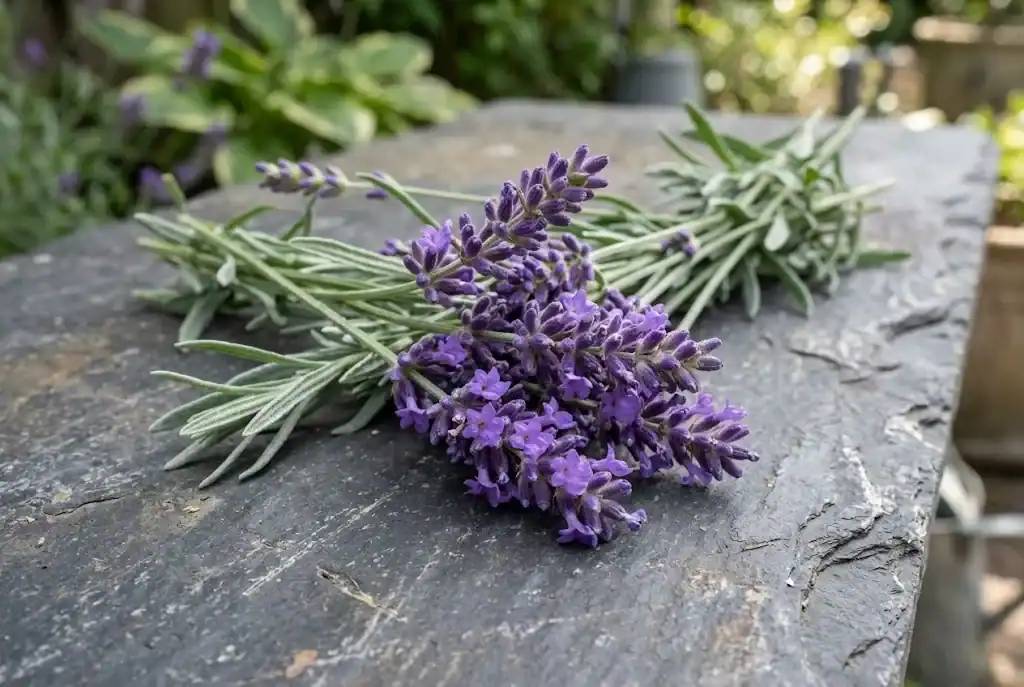
Because lavender is a perennial shrub, take care when gathering stems. Use clean, sharp pruners to take long cuttings. Lightly prune stems just above a leaf node on green new growth, avoiding the thick woody part of the shrub so you do not damage future seasonal development.
Hanging Bundles to Dry Your Lavender Naturally
Air-drying in hanging bunches remains the traditional, most reliable way to dry your lavender without losing delicate floral notes. Techniques practiced on a commercial lavender farm translate easily to home gardens: slow, gentle airflow allows ambient moisture to dissipate while the stems keep their natural shape.
To prepare your harvest, gather 15 to 20 stalks to form small bundles. Keeping each bundle modest ensures rapid, even moisture loss and prevents damp pockets from developing in the center. Strip off the lower leaves along the bottom two inches of each stem so air can circulate freely. Adjust your setup depending on the total amount of lavender you have gathered.
Secure each bunch firmly with rubber bands near the stem bases. As cut stems lose moisture, they shrink noticeably. While natural twine or cotton string tends to slip loose as stalks narrow, rubber bands contract continuously, keeping every stem securely fastened throughout the drying period.
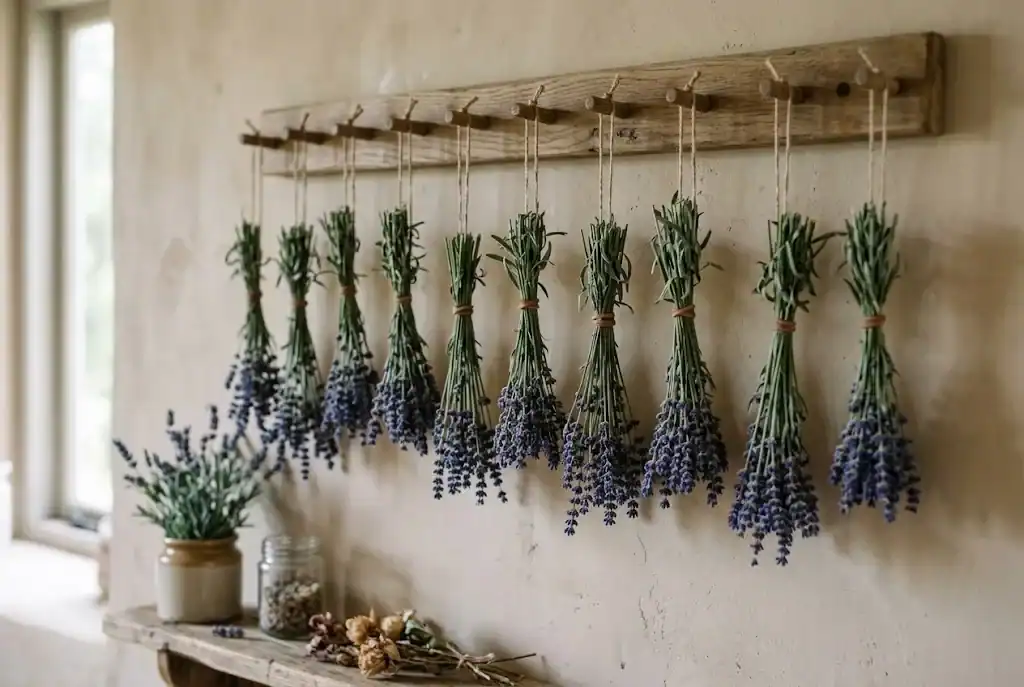
Hang the upside-down bundles in a dark place with good airflow, strictly away from direct sunlight. A cool spare bedroom, pantry, closet, or dark well-ventilated area works beautifully. Keeping bundles away from sunlight preserves the deep purple pigmentation of the petals; bright light bleaches the flowers dull grey and degrades their aromatic potency. In standard household conditions with moderate humidity, it typically takes two to four weeks to dry stems until they feel completely dry and crisp to the touch.
Stripping Dried Lavender Flowers for Long-Term Storage
Once the stems snap crisply when bent, you have successfully finished the drying process. You can keep whole bundles displayed in decorative vases without water, or strip the dried lavender flowers for culinary use, herbal teas, and household crafts.
To strip the dried buds cleanly, hold a bundle upside down over a wide shallow bowl or clean baking sheet. Gently roll the flower heads between your thumb and fingers. The dried calyxes and florets will fall freely away from the woody central spike. Sift through the harvest to remove any stray bits of dry stem or brown foliage.
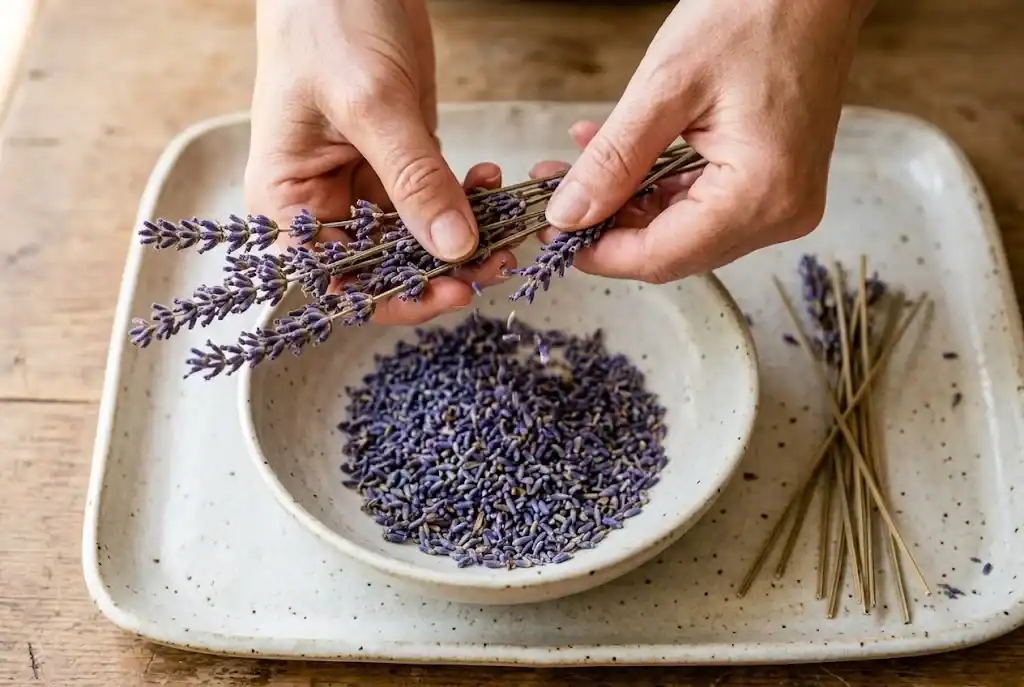
Transfer the clean lavender buds immediately into a clean, airtight glass container. Non-porous glass jars with rubber gasket lids or tight screw caps are ideal because they do not absorb aromas or allow ambient humidity to seep in. Store the sealed jars inside a dark kitchen cabinet or pantry shelf away from heat sources such as the stove or oven.
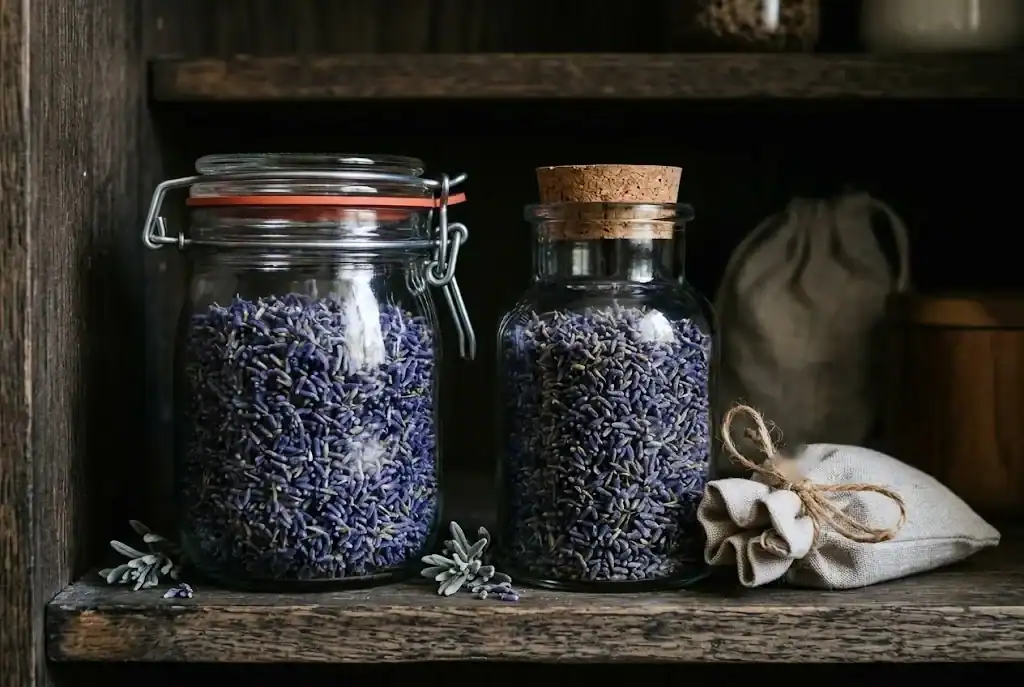
When sealed securely in an airtight container and kept in cool darkness, whole dried buds retain strong fragrance for up to two full years. Avoid opening the jar unnecessarily so the captive aromatic compounds do not evaporate into the room.
Alternative Methods to Preserve Lavender at Home
While hanging bundles is the standard approach to dry lavender, alternative preservation methods offer flexibility depending on your climate and intended kitchen recipes.
If you live in a humid coastal region where air drying takes too long, an electric food dehydrator provides controlled moisture removal. Spread clean stems in a single layer across dehydrator trays. Set the appliance to its lowest herbal temperature setting, ideally between 95 and 100 degrees Fahrenheit. Check the trays every hour; dehydration usually finishes within two to four hours. Avoid higher heat, which cooks out delicate floral esters and leaves the buds smelling bitter.
For culinary cooks, liquid preservation captures fresh herbal flavor instantly. Simmering equal parts water and sugar with fresh or dried buds yields a fragrant lavender simple syrup that keeps in the refrigerator for four weeks. This sweet lavender syrup makes a delightful addition to summer lemonade, iced tea, and club soda. You can also steep clean stems in white wine vinegar or olive oil to create distinct pantry dressings.
Freezing fresh stems provides another practical option for the kitchen. Lay freshly cut, dry stems on a parchment-lined baking sheet and place them in the freezer for two hours until solid. Transfer the frozen stalks into an airtight freezer bag, press out excess air, and store for up to six months. When you need fresh floral flavor for baking, simply crumble the frozen buds directly into your mixing bowl.
Practical Ways to Use and Store Lavender Around Your Home
Having a plentiful supply of cured lavender creates rewarding opportunities to use and preserve botanical harvests across home living, relaxation, and cooking.
Scented lavender sachets are among the easiest and most practical craft projects. Fill small breathable cotton or linen pouches with dried buds and place them inside a linen closet, coat drawer, or wardrobe. The natural scent gently refreshes stored fabrics while naturally deterring clothing moths. If a sachet begins to lose its punch after several months, gently squeeze the pouch between your fingers to crush a few interior buds and release a fresh burst of aroma.
In decorative arrangements, combine whole dried stalks with complementary dried botanicals such as chamomile, strawflowers, or eucalyptus. Dried floral spikes bring calming visual texture to flower arrangements without requiring water or maintenance. You can also blend crushed buds with dried citrus peel and rose petals to create custom potpourri for bowls around your home, or use them in calming aromatherapy blends.
When storing herbs for the kitchen, always confirm you have culinary varieties clearly labeled and separated from craft harvests. True English lavender (Lavandula angustifolia cultivars like ‘Munstead’ or ‘Hidcote’) delivers sweet floral flavor, whereas Spanish lavender (Lavandula stoechas) contains harsh camphor notes unsuitable for cooking. You can blend culinary buds with mint or steep a soothing cup of lavender chamomile tea before bed. A pinch of crushed culinary buds also enlivens shortbread cookies and roasted root vegetables. For sweet and savory recipe inspiration, explore our creative culinary ideas for cooking with lavender.
Frequently Asked Questions About Storing Lavender
How long does dried lavender keep its fragrance?
When stored in an airtight glass jar away from light and heat, dried lavender holds potent fragrance for one to two years. Sachets kept in open wardrobes or linen closets usually remain fresh and fragrant for six to twelve months before needing a gentle squeeze to refresh their oils.
Can you store fresh lavender stems in water like cut flowers?
You can keep fresh stems in a vase of water for three to five days as a fresh table bouquet. However, if your goal is long-term storage or drying, do not place stems in water. Waterlogged stems absorb moisture that prolongs drying time and significantly increases the danger of fungal mould.
Why did my dried lavender lose its purple color?
Color loss usually results from exposure to bright light or drying in hot spaces. Light bleaches floral anthocyanin pigments rapidly. Drying your stems in a pitch-black closet or dim room protects their rich purple hue.
Sources and Further Reading
- Penn State Extension: Harvesting and Preserving Herbs
- Oregon State University Extension: Drying Herbs at Home
- USDA Plants Database: Lavandula angustifolia Mill.