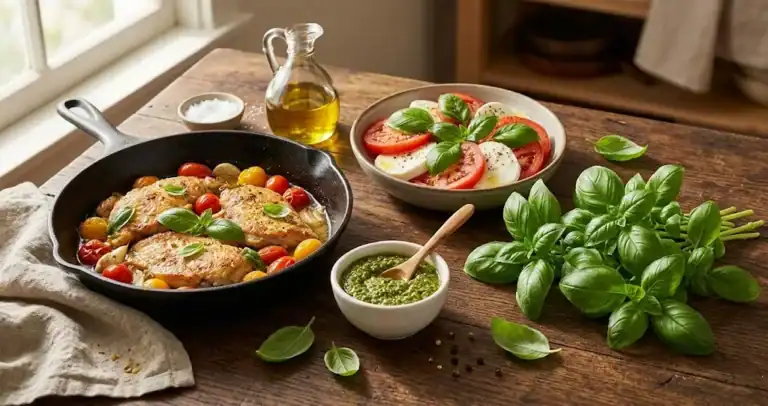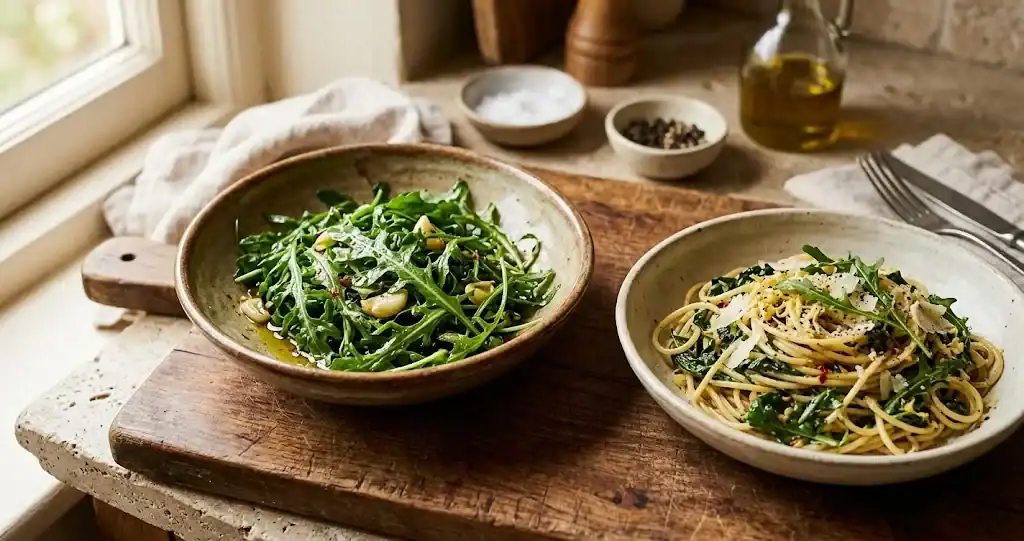
When most home cooks think of this leafy green, they picture a simple bowl of raw salad leaves tossed with vinaigrette. While fresh leaves make a wonderful crisp base, cooking with rocket unlocks an entirely new range of kitchen uses. Heat mellows the pungent bite of this ancient leafy green, turning sharp mustard notes into a warm, nutty savory flavor that enriches warm supper dishes.
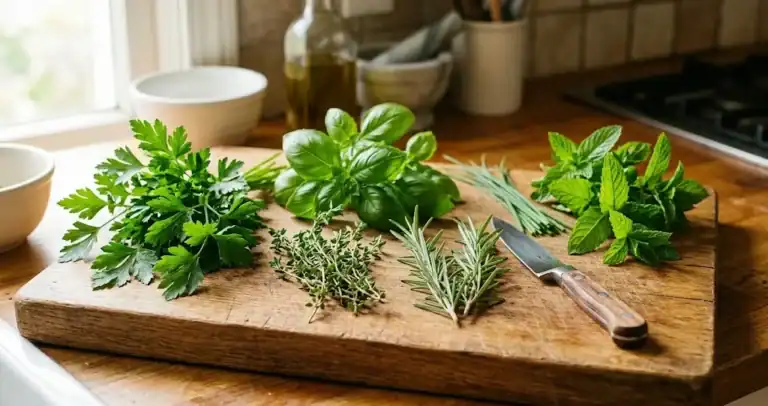
Rocket, known botanically as Eruca vesicaria subsp. sativa, is also called arugula in the United States and rucola in Italy. In the wider culinary world, it belongs to the Brassicaceae family alongside mustard greens, kale, and watercress. If you want to understand how different culinary greens behave across every traditional recipe, our broader culinary herb guide provides a clear comparison of kitchen herbs and their cooking characteristics.

Flavor Profile and Culinary Characteristics
Fresh leaves deliver a distinct peppery flavor with an earthy, mustard undertone. Young baby leaves are tender and mild, making them ideal for delicate preparations. As the plant matures under the summer sun, the leaves develop deeper notches, a firmer texture, and a more punchy profile. When you cook mature greens, the intense bite softens into a pleasant, rich taste that balances hearty meats, cheeses, and starches.
In temperate climates, the main outdoor season runs from late spring through the first frost, while mild winter regions and indoor growers can harvest throughout the colder months. When handling freshly gathered greens in the kitchen, keeping moisture under control is the secret to protecting their quality. For complete guidance on keeping harvested bundles crisp before prep, see our guide on how to store rocket herbs.
Can You Cook These Greens or Should You Eat Them Raw?
You can certainly cook this herb, and European home cooks have prepared it hot for generations. In southern Italy, cooks often simmer the greens in broths or wilt them directly into boiling water during the final minute of cooking. The key to success in any warm recipe is brief heat exposure. Because the leaves are delicate, prolonged boiling or stewing can make them dull and watery.
Treat the leaves like tender spinach or baby kale. You only need thirty to sixty seconds of gentle heat to soften the stems and reduce the volume. Brief heat softens the leaves and keeps their flavor distinct, giving you a tender, nutritious vegetable side or filling for your favorite evening recipe.

Best Ways to Cook Rocket Leaves in Warm Dishes
Cooking with these greens does not require complicated techniques. A few reliable methods bring out the best in this foliage across weekday dinners:
- Quick Pan Saute: Warm a thin film of olive oil in a wide skillet over medium heat. Add a crushed garlic clove and sliced mushrooms. When the mushrooms brown, toss in two generous handfuls of leaves. Toss with tongs until the leaves begin to collapse, then remove from the heat immediately.
- Warm Pasta Fold-In: Prepare your favorite pasta dishes or a batch of potato gnocchi. Just before serving, fold raw greens directly into the steaming pot along with grated pecorino cheese and pasta cooking water. The residual heat wilts the leaves into silky ribbons that cling to the noodles.
- Silky Rice Stir-In: Stir chopped greens into a classic rocket risotto during the final resting phase, right after stirring in cold butter and cheese. The greens gently melt into the creamy rice without losing their vibrant identity.
- Off-Heat Finish: Pull the pan off the burner and add the leaves, stirring for ten seconds. The residual warmth wilts the greens without scorching their delicate edges.

Making a Savory Rocket Pesto for Home Cooking
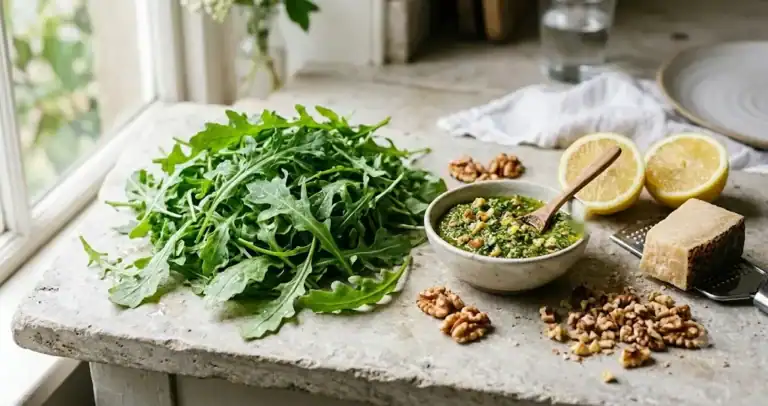
One of the finest ways to capture the essence of this herb is blending a batch of homemade pesto. While traditional Genovese pesto relies strictly on sweet basil, substituting or combining it with rocket creates a savory spread packed with flavor.
To prepare fresh pesto at home, place four cups of washed and thoroughly dried greens into a food processor. Add toasted pine nuts, a pinch of sea salt and pepper, minced garlic, and freshly grated parmesan cheese. You can also experiment with toasted walnut or roasted hazelnut halves for a deeper rustic taste. Pour in quality extra virgin olive oil while you blitz the mixture into a thick, emerald paste.
This versatile green paste works far beyond noodles. Swirl a spoonful into warm vegetable broths, spread it over a toasted chicken sandwich, or serve it as a vibrant party dip alongside warm flatbreads and roasted veggies.
Pairing This Green with Cheese, Vegetables, and Meats
Because this herb carries natural bitterness and savory heat, it pairs naturally with rich, sweet, and acidic counterpoints in cooking. Balancing these elements ensures your finished recipe tastes harmonious rather than harsh:
- Cheeses: Creamy ricotta, sharp aged parmesan, melted mozzarella, and salty feta offer lush fats that round out pungent greens. When folded into baked lasagne or layered in a savory rocket tart, the combination creates a delightful contrast.
- Vegetables and Fruit: Sweet roasted beetroot, shaved fennel, caramelized onions, and ripe pear slices provide gentle sweetness that cuts through the mustard notes.
- Savory Meats and Seafood: Crispy slices of cured prosciutto, browned pancetta, and seared garlic prawn tails pair wonderfully with wilted greens, creating balanced meals in minutes.
- Dressings and Glazes: A simple drizzle of lemon juice, reduced balsamic glaze, or a tangy mustard dressing brightens the earthy greens and cuts through heavy fats.

Adding Fresh Greens to Pizza, Stews, and Sandwiches
These greens also shine when used as a hot-and-cold topping for baked comfort foods. On artisanal rocket pizzas, scatter a handful of crisp greens over the bubbly crust the instant it emerges from the oven. The bottom layer of leaves wilts against the hot cheese, while the top leaves stay refreshingly crunchy.
For comforting vegetarian recipes, stir chopped greens into brothy white bean stews, tomato soups, or grain bowls during the last minute on the stove. If you enjoy discovering new meal concepts that feature this leafy green, explore our creative rocket recipe ideas for tested dishes and menu inspiration.
Simple Cooking Tips and Common Mistakes to Avoid
For dependable results, keep these practical kitchen rules in mind:
- Dry the leaves thoroughly: Wet leaves are harder to saute and brown, since surface moisture slows browning and lengthens cook time. Dry them well with a salad spinner or clean towels before cooking for quick, even wilting.
- Watch the heat: Never leave greens in a simmering skillet unattended. Turn off the flame the moment the leaves begin to shrink.
- Balance the salt and acid: A squeeze of fresh citrus with lemon zest and a sprinkle of flaky salt temper bitter plant compounds and brighten the entire dish.
- Adjust for plant-based meals: For satisfying vegan and vegetarian suppers, swap traditional dairy cheeses with nutritional yeast, toasted seeds, and marinated tofu cubes.
Frequently Asked Questions About Cooking These Greens
Can you cook rocket without it becoming bitter?
Yes. A brief pan saute or folding the greens into a creamy sauce rounds out the peppery bitterness, while a splash of fat tames any lingering sharpness. Pairing the greens with sweet ingredients like roast root vegetables or pears also balances the palate.
How long should you saute the leaves?
These greens need only thirty to forty-five seconds in a medium-hot pan. As soon as the leaves wilt halfway, remove the pan from the stove. The residual heat completes the cooking without turning the texture limp.
Can you freeze cooked greens?
Whole cooked leaves do not freeze well because their high water content breaks down upon thawing. However, you can easily freeze them blended into pesto or pureed with cooking oil in ice cube trays for up to three months.
What is a good substitute in hot dishes?
Watercress provides a similar spicy kick, while baby spinach offers the same tender wilting texture with a milder flavor. Mustard greens or dandelion greens also work well in cooked preparations that benefit from a robust savory bite.