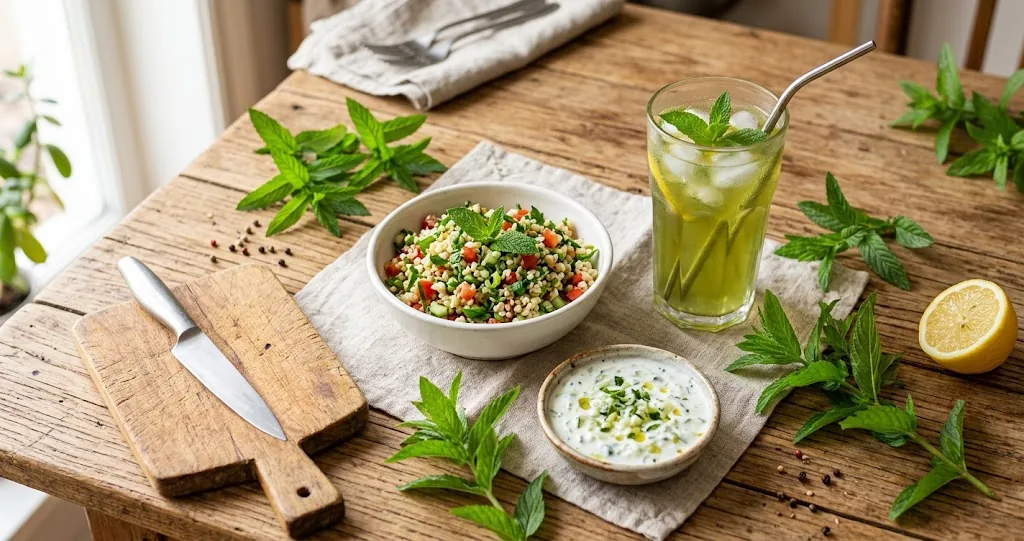
Few garden greens bring the instant brightness of fresh mint to the kitchen table. While many people think of mint strictly as a candy flavoring or a festive cocktail garnish, spearmint is one of the most versatile fresh herbs you can bring into your daily cooking. Its gentle sweetness and herbal warmth enhance savory grain salads, grilled meats, chilled soups, summer beverages, and fruit desserts without overwhelming delicate ingredients.
Understanding how to handle this fragrant perennial allows you to unlock complex flavors across Mediterranean, Middle Eastern, and Asian cuisines. Whether you harvest a generous bunch of fresh mint from backyard pots or pick up fresh bundles from a local farm stand, learning the right culinary techniques will elevate your favorite recipes. For a wider look at kitchen garden varieties, explore our guide to culinary herbs.
Understanding This Fragrant Herb in the Kitchen
Botanically classified as Mentha spicata, garden mint differs significantly from peppermint (Mentha x piperita). Peppermint contains high concentrations of menthol, which creates an intense flavor and sharp cooling sensation best suited for confectionery and medicinal teas. This variety, by contrast, owes its softer, rounded profile to natural compounds such as carvone and limonene. Because it has minimal menthol, cooking with this herb adds balanced herbal sweetness rather than a bracing medicinal punch.
This perennial is exceptionally easy to grow in home gardens or containers, producing lush spear-shaped foliage throughout spring and summer. In the kitchen, its aromatic leaves harmonize beautifully with rich meats, tangy dairy, sweet garden vegetables, and warm pantry spices such as coriander, black pepper, cumin, and garlic.

Savory Pairings: Lamb, Grains, and Mediterranean Classics
In Mediterranean and Middle Eastern cooking, mint is treated as an essential savory seasoning rather than a sweet accent. The herb cuts through the rich fat of roasted lamb, beef, and poultry while adding a lively herbal note to wholesome grain dishes.
- Bulgur grain salads: Traditional Lebanese tabbouleh combines finely chopped flat-leaf parsley, mint leaves, cracked wheat bulgur, diced tomatoes, and green onion, dressed lightly with extra-virgin olive oil and fresh lemon juice.
- Grilled meats and skewers: Minced leaves blended into seasoned ground lamb meatballs or beef kofta skewers infuse the meat with moisture and bright aroma during grilling.
- Rice pilafs and stuffed vegetables: Stir chopped mint into warm basmati rice alongside toasted pine nuts, dried currants, and warm spice blends to fill roasted zucchini, eggplants, or grape leaves.
- Meze platters: Sprinkle whole small leaves over creamy chickpea hummus, warm pita wedges, and grilled halloumi or salty feta cheese.
Fresh Vegetables and Crisp Salads with Mint
Garden mint has a natural affinity for summer produce. Pairing fresh leaves with sweet, crisp, or earthy vegetables creates vibrant contrast on the dinner plate.
One classic combination pairs tender green snap peas or sweet English pea pods with gently melted butter, shallots, and finely ribboned mint. The herbal warmth accentuates the natural sugars of the legumes without masking their delicate garden flavor. You can also blend steamed legumes with chicken broth, olive oil, and a handful of leaves into a silky chilled sweet pea soup for warm afternoons.
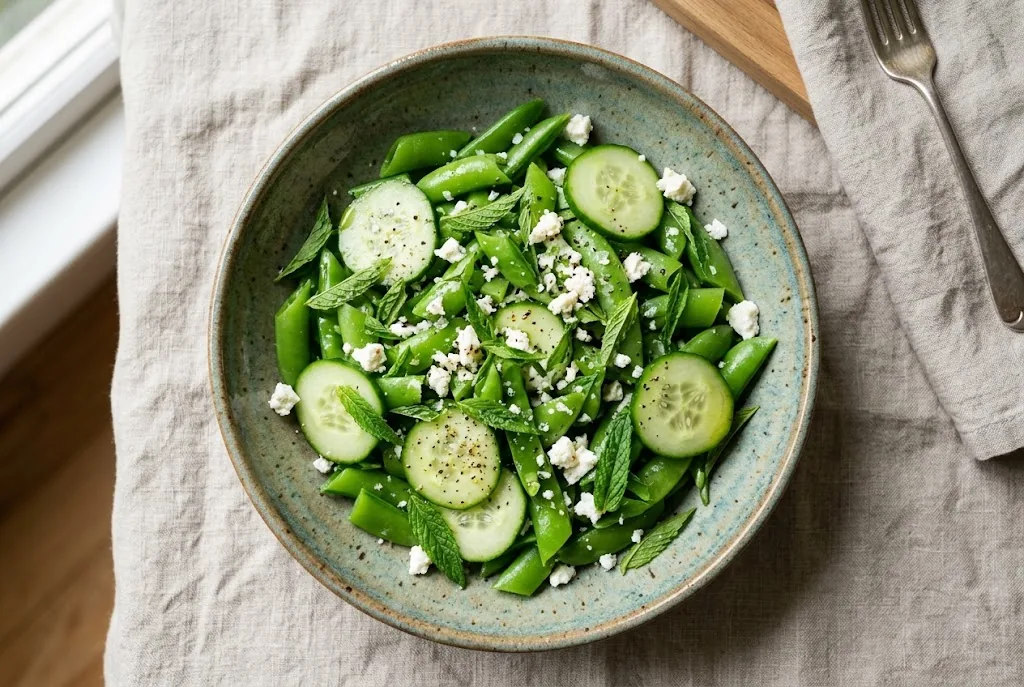
In chilled salads, mint shines alongside crisp sliced cucumber, shaved radishes, and crumbled feta cheese tossed in a bright citrusy vinaigrette. For an unexpected summer side, combine cubed chilled watermelon, red onion, kalamata olives, and torn leaves with a splash of white balsamic or rice vinegar. Earthy roasted beet salad also benefits from a final toss of mint, goat cheese, and toasted walnuts, giving each bite a refreshing minty finish.
Cooling Yogurt Sauces, Marinades, and Pestos
Dairy and mint create a classic culinary balance. The lactic tang of cultured dairy softens the essential oils of the herb, while the herb lifts the rich texture of the sauce.
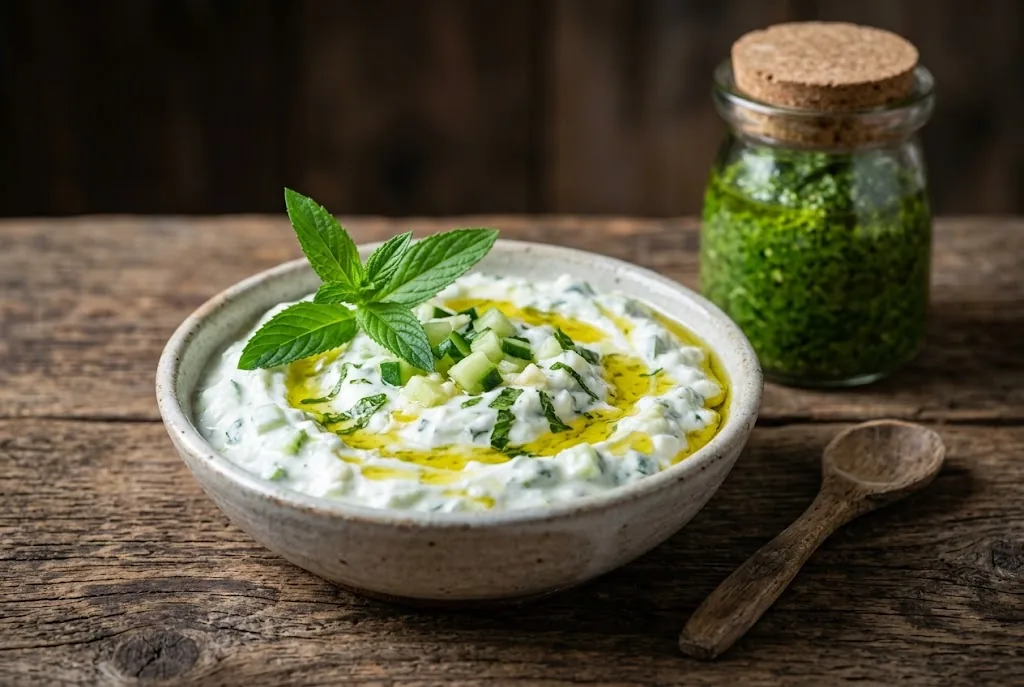
Greek tzatziki and Indian raita both rely on thick Greek yogurt folded with grated cucumber, minced garlic, sea salt, and chopped fresh mint. Serving a generous dollop of cool yogurt sauce alongside spicy grilled chicken breast, roasted lamb, or roasted fresh veggies balances heat and refreshes the palate.
You can also craft a bright summer pesto by pulsing mint, sweet basil, flat-leaf parsley, toasted walnuts or pine nuts, grated Parmesan cheese, garlic, and extra-virgin olive oil in a food processor. Spoon this herby sauce over pasta, grilled shrimp, or roasted seafood just before serving. When preparing a meat marinade, combine lemon zest, olive oil, crushed garlic, fresh thyme, and crushed mint to marinate chicken or pork chops before searing.
Refreshing Coolers, Teas, and Infusions
No discussion of mint is complete without cold drinks and traditional warm infusions. From morning teas to evening cocktail hour, fresh stems provide unmatched aroma.
- Moroccan mint tea: The gold standard of hot tea blends combines gunpowder green tea pellets with generous handfuls of fresh leaves and a touch of sugar, steeped in boiling water to create a soothing, ceremonial beverage.
- Iced tea coolers: Bruise a fresh sprig against the side of a pitcher with lemon slices and brew black or herbal tea over ice for a revitalizing afternoon drink.
- Classic cocktails: Muddle tender leaves with lime juice and simple syrup for a crisp Cuban mojito, or churn crushed ice and bourbon in a silver cup for classic Derby mint juleps.
- Fruit-infused water: Add crushed mint, sliced strawberries, and cucumber ribbons to a cold water carafe for a crisp, refreshing drink throughout the day.
If you enjoy creative home cooking and want structured recipe cards for main courses, sauces, and drinks, browse our recipe collection.

Sweet Touches: Fresh Fruit and Summer Desserts
While garden mint excels in savory preparations, its natural sweetness makes it a wonderful finishing touch for fresh fruit and light desserts. Toss diced honeydew melon, cantaloupe, and berries in a lime juice syrup with chiffonade mint for a vibrant fruit salad.
You can also experiment with other specialty mint varieties in sweet dishes. Cultivars like strawberry mint, lime mint, chocolate mint, and fruity apple mint provide unique flavor notes when steeped into simple syrups, baked into sugar cookies, or churned into fruit sorbets. Garnish dark chocolate mousse, fresh berry tarts, or lemon gelato with small whole leaves to add visual charm and fragrance.
Selecting, Prepping, and Preserving Your Harvest
To get the best results when you use fresh mint in cooking, harvest or purchase healthy stems with bright green, unblemished leaves. Avoid wilted, yellowing, or blackened sprigs.
When preparing the herb, strip the tender leaves from fibrous woody stems. Wash the foliage in cold water and spin dry thoroughly in a salad spinner. Because mint leaves bruise easily and turn dark when roughly chopped with a dull knife, use a very sharp chef knife to slice the leaves cleanly in a single stroke, or simply tear them by hand.
For cooked dishes, stir fresh leaves in during the final two minutes of cooking or immediately after taking the pan off the heat to preserve delicate herbal oils. While fresh leaves provide the brightest punch, dried mint retains concentrated herbal notes that work wonderfully in winter soups, dry rubs, and slow-simmered stews. You can also make a homemade mint extract by steeping clean stems in neutral alcohol for baking. For step-by-step guidance on keeping cuttings fresh for weeks, see our practical tutorial on how to store harvested mint.
Evidence-Based Kitchen and Wellness Notes
Beyond its culinary versatility, herbs have long been valued in household wellness traditions. Culinary greens contribute dietary antioxidants and polyphenols to home-cooked meals without adding excess sodium or processed additives.
According to nutrient profiling data maintained by USDA FoodData Central, fresh culinary leaves provide trace minerals including iron, manganese, and potassium alongside vitamin A and vitamin C. Furthermore, peer-reviewed phytochemical research highlights that the essential volatile oils in Mentha spicata, particularly carvone and limonene, demonstrate meaningful antimicrobial and antioxidant properties in laboratory evaluations.
When cooking for wellness, enjoy mint freely as a flavorful, wholesome culinary ingredient. If using concentrated essential oils or supplemental herbal preparations, consult a healthcare professional, especially during pregnancy or if taking prescription medications.
