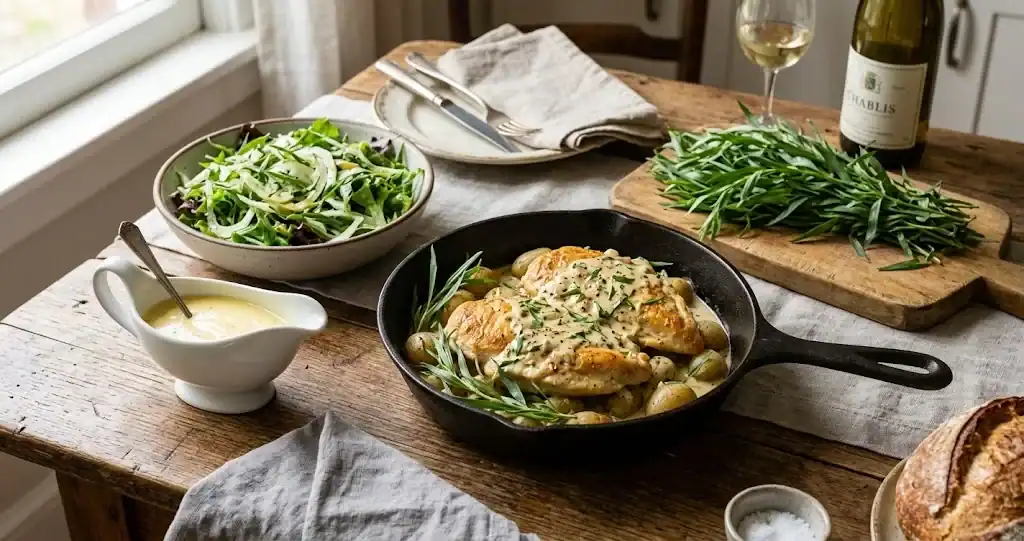
French tarragon is one of the most distinctive culinary herbs in classic cooking, celebrated for its sweet, subtle anise-like flavor and delicate herbal finish. Often called the king of herbs in classic French cooking, the plant brings a bright, bittersweet character to poultry, seafood, egg dishes, and light pan sauces. Learning how to cook with this aromatic greenery unlocks a wide range of quick and delicious meals that taste like they came straight from a Parisian bistro.
Whether you are harvesting fresh leaves from your herb garden or picking up a fragrant bunch from the local farmers market, using fresh herbs with care elevates everyday dinners. Exploring how aromatic culinary herbs transform simple ingredients is one of the most rewarding parts of cooking from scratch. Here is a curated collection of the best tarragon recipes, complete with practical culinary tips to help you master this essential ingredient.
Latest Recipes and Inspiration for French Tarragon in Home Cooking
French tarragon (Artemisia dracunculus) contains estragole and ocimene, natural essential oils that produce its signature sweet licorice note and warm aroma. In traditional French cuisine, it is prized in fine aromatic blends and delicate pan reductions. If you are growing tarragon in your backyard or container pots, you know that tender leaves release their aromatic oils rapidly when exposed to heat. Adding minced leaves too early in a long boil can cause their sweetness to dissipate, leaving behind a faint bitterness. Professional chefs recommend adding fresh tarragon last so its fragrant bouquet remains lively.
For the best balance, fold snipped leaves into warm pan drippings, whisk them into a cool vinaigrette, or stir them into rich sauces right before serving. While you can use dried tarragon in long-simmered stews or braises, fresh sprigs deliver a vibrant lift that dried seasonings cannot fully replicate.
1. Classic French Bearnaise Sauce with Fresh Herbs
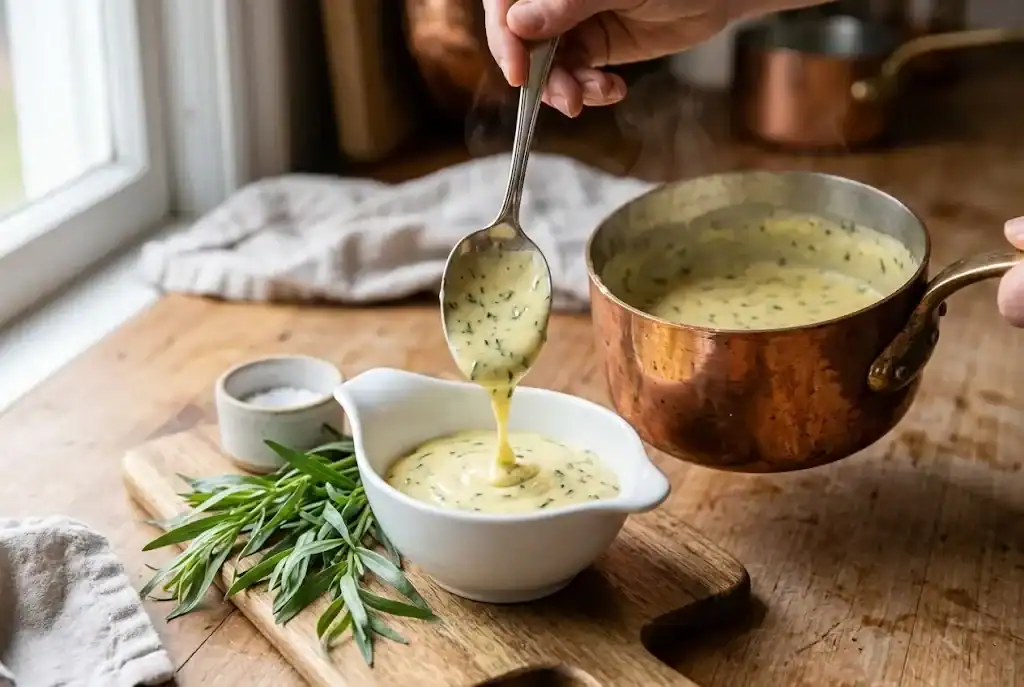
Bearnaise sauce is arguably the most famous sauce made with tarragon in classic French cooking. This luxurious emulsion combines warm clarified butter, whisked egg yolks, and an aromatic reduction of dry white wine, wine vinegar, minced shallot, and fresh tarragon sprigs.
To prepare this classic emulsion, simmer gently the shallots, vinegar, and dry white wine in a small saucepan until the liquid reduces to two tablespoons. Strain the reduction into a heatproof bowl set over a pot of barely simmering water. Whisk in the egg yolks vigorously until pale and thickened, then slowly drizzle in warm melted butter in a steady stream to create a velvety emulsion. Finish by folding in two tablespoons of finely chopped tarragon and a pinch of salt. Spoon this rich sauce over grilled steak, pan-seared fillet of beef, or roasted spring vegetables.
2. Skillet Creamy Chicken Breast with White Wine and Mustard Sauce
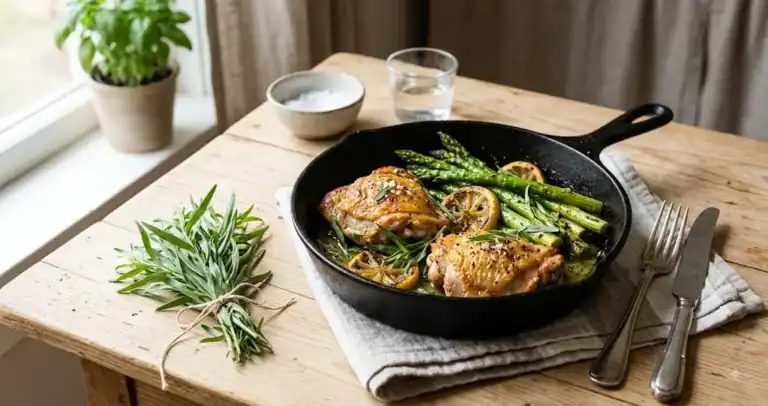
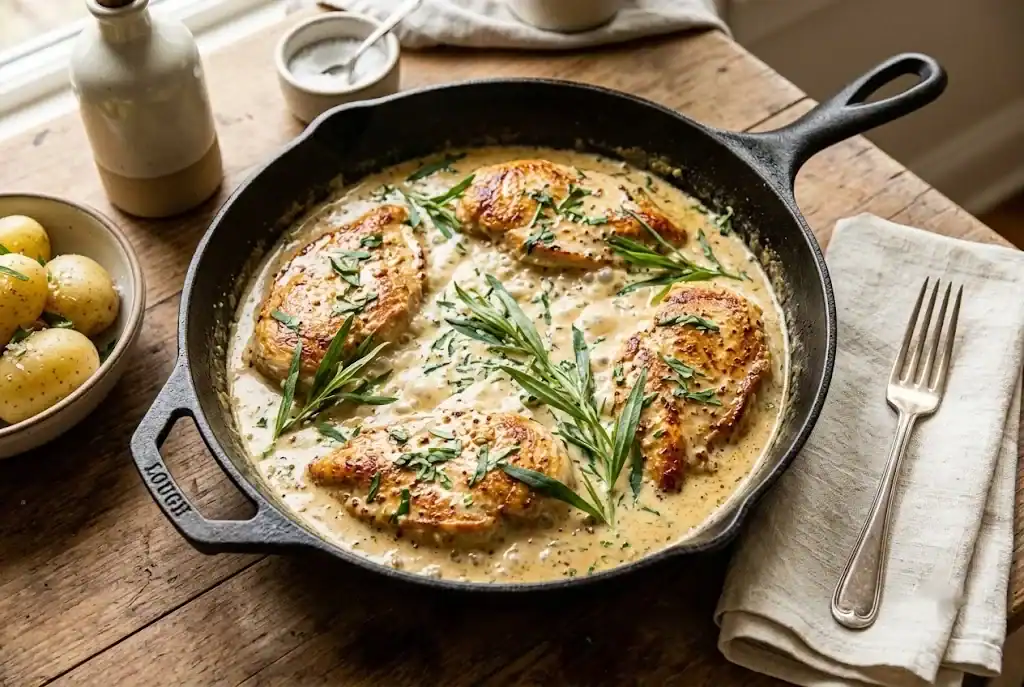
This creamy tarragon chicken recipe is a beloved 30 minute weeknight dinner that feels thoroughly sophisticated. Tender chicken breast cutlets are seared until golden, then simmered in a velvety sauce made with dry white wine, chicken stock, Dijon mustard, and rich creme fraiche.
In a large skillet over medium-high heat, sear seasoned chicken breast cutlets in butter and olive oil for four minutes per side until fully cooked. Remove the meat to a plate and add a minced shallot and a splash of dry vermouth to deglaze the pan, scraping up any browned bits. Pour in a half cup of water or stock and simmer for two minutes before stirring in two tablespoons of Dijon mustard and a third cup of creme fraiche. Return the sauteed chicken to the pan and stir in two tablespoons of chopped fresh tarragon. This creamy pan sauce pairs beautifully with buttered egg noodles, roasted potatoes, or steamed rice.
3. Classic Chicken Salad with Sliced Green Grapes and Fresh Herbs
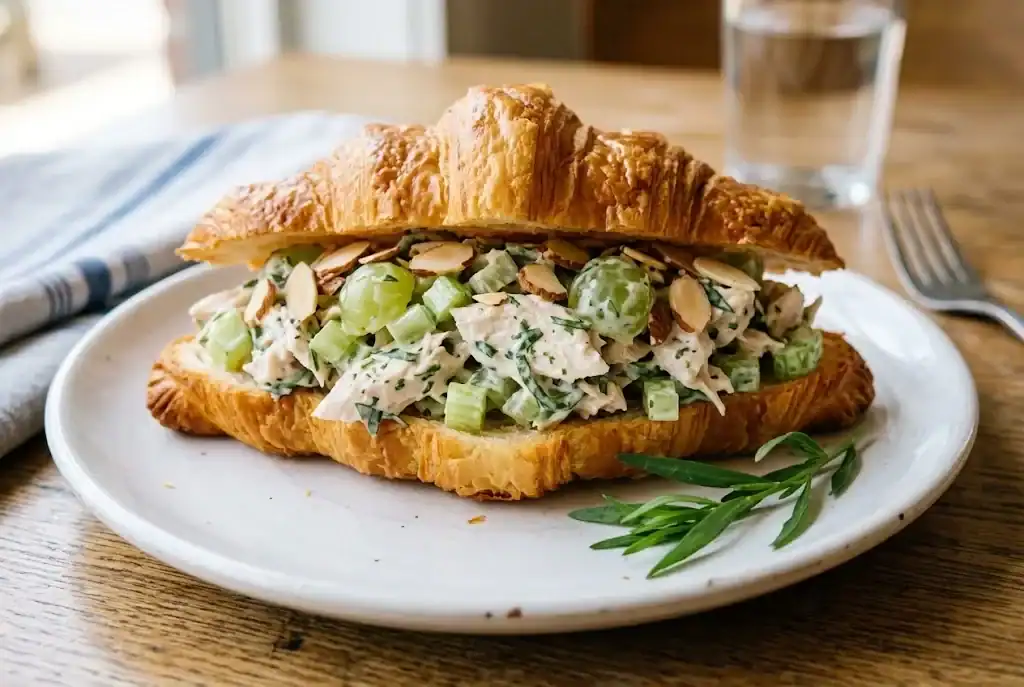
In chicken salad, the herb provides an aromatic, refreshing lift that cuts through creamy mayonnaise mixtures. This classic salad combines tender poached chicken breast cut into bite size pieces, crisp diced celery, toasted sliced almonds, sweet green grapes, and a bright herb dressing.
Whisk together equal parts mayonnaise and whole-milk Greek yogurt with fresh lemon juice, sea salt, cracked black pepper, and two tablespoons of minced tarragon. Gently toss the dressing with the diced chicken, halved green grapes, and crunchy celery. Let the mixture chill for twenty minutes so the flavors meld together. Serve this delightful chicken salad on buttery croissants, over a bed of mixed greens, or tucked into warm pita pockets for a quick and satisfying lunch.
4. Compound Herb Butter with Fresh Lemon Zest and Garlic
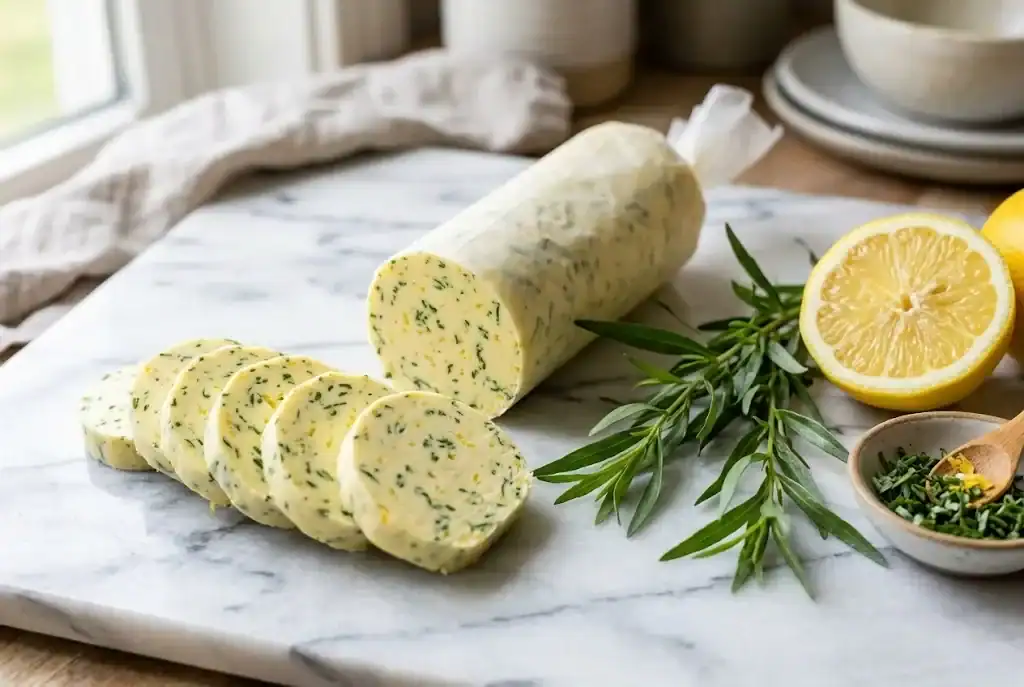
Compound herb butter is one of the simplest recipe ideas for capturing the natural synergy of tarragon and lemon. Having a log of homemade seasoned butter in your refrigerator makes it effortless to finish hot steaks, roasted poultry, grilled seafood, or steamed vegetables.
In a medium bowl, combine one stick of softened unsalted butter with two tablespoons of finely chopped fresh tarragon, one teaspoon of finely grated lemon zest, one small clove of minced garlic, and a pinch of flaky sea salt. The garlic creates rich savory depth. Mash the ingredients together with a fork until thoroughly blended. Roll the seasoned butter into a tight cylinder using parchment paper or plastic wrap and chill until firm. Slice coin-sized rounds and place them directly onto hot grilled meats or warm vegetables just before eating.
Before preparing your meals, understanding how to store tarragon in the refrigerator or freezer ensures you always have aromatic stems ready to use for compound butters and pan sauces.
5. Pan-Seared Sea Scallops with Herb and Wine Pan Reduction
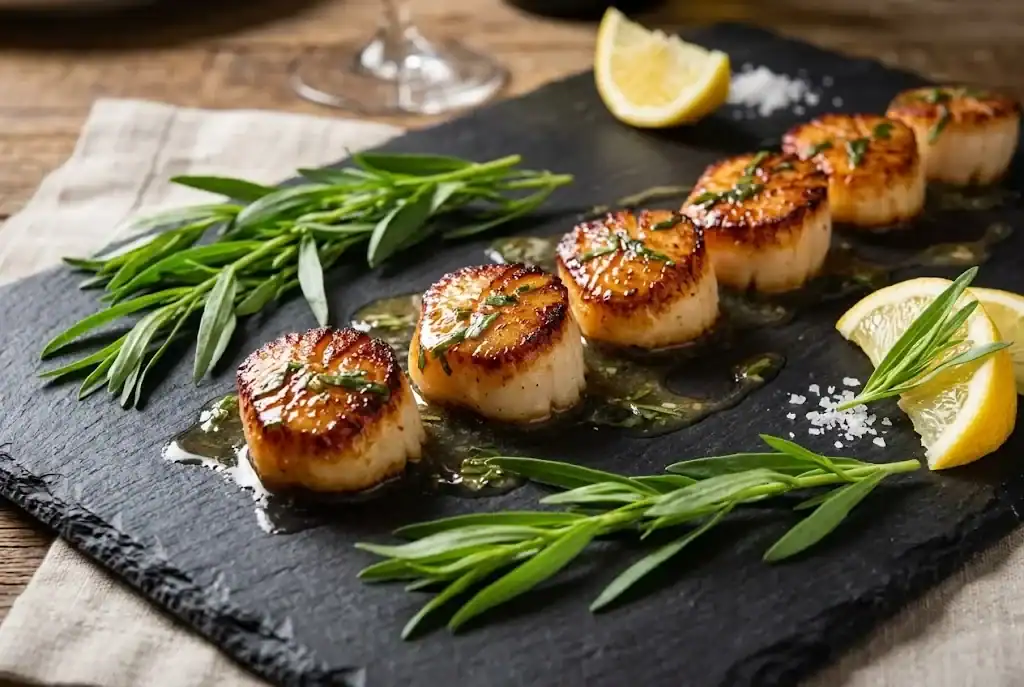
Delicate sea scallops are quick to cook in under five minutes and pair wonderfully with sweet herbal accents. A quick pan sauce made with Riesling, fresh lemon, and butter complements the natural sweetness of the caramelized shellfish.
Pat large sea scallops thoroughly dry with paper towels and season with salt and white pepper. Heat clarified butter in a large skillet over high heat until shimmering, then sear the scallops for two minutes on the first side without moving them. Flip and sear for another minute until golden and just opaque. Transfer the scallops to a warm platter. Lower the heat, deglaze the pan with a splash of Riesling, and swirl in two tablespoons of cold unsalted butter, a squeeze of lemon juice, and two tablespoons of minced fresh tarragon. Drizzle the velvety pan sauce over the scallops and serve immediately.
6. Herbaceous Green Goddess Salad Dressing with Fresh Parsley and Dill
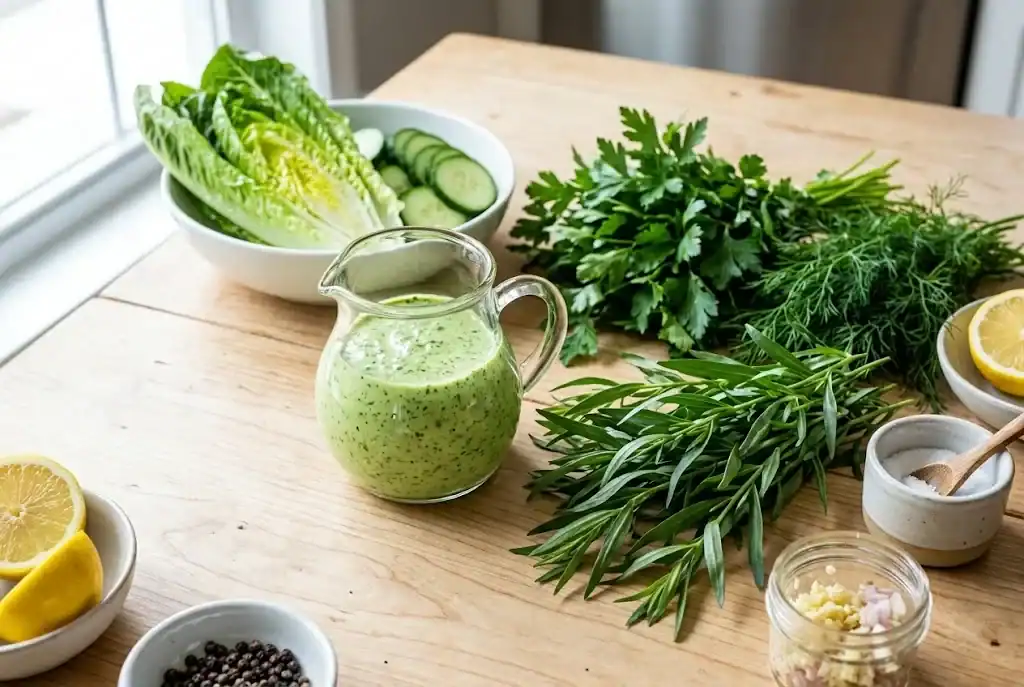
Classic green goddess dressing is a vibrant sauce that showcases a blend of fresh garden greens. Combining aromatic herbs with fresh parsley, fresh dill, and chives creates a rich, creamy topping that works as a vegetable dip or sandwich spread.
In a food processor or blender, combine half a cup of mayonnaise, half a cup of sour cream or Greek yogurt, one tablespoon of lemon juice, one anchovy fillet or caper spoonful, one minced garlic clove, and a cup of mixed fresh herbs, including a quarter cup of fresh tarragon along with fresh parsley, chives, and dill. Pulse until smooth and bright green. Drizzle this creamy mixture over crisp romaine lettuce, sliced cucumbers, and radishes for a showstopping green goddess salad.
7. Creamy Spring Soup with Tender Asparagus and Steam Cooked Peas
A light spring soup brings the vibrant flavors of the season directly to your table. Tender spring spears, sweet green peas, and leeks simmer gently in aromatic broth before being blended into a velvety, comforting soup.
Saute chopped leeks and garlic in olive oil until soft, then add chopped vegetable pieces and four cups of vegetable broth. Simmer gently for eight minutes until the vegetables are tender. Stir in one cup of fresh or frozen green peas and two tablespoons of chopped fresh tarragon. Puree the soup in batches until silky smooth, then stir in a quarter cup of heavy cream or creme fraiche and a squeeze of fresh lemon juice. Garnish bowls with steam cooked spring vegetables, edible blossoms, and snipped leaves.
8. French Mustard Vinaigrette over Warm Fettuccine or Greens
A classic French vinaigrette made with stone-ground Dijon mustard, wine vinegar, extra virgin olive oil, and minced tarragon is an everyday staple. This tangy herbal mustard blend brings instant brightness to warm pasta dishes, roasted vegetables, and crisp endive salads.
Whisk together one tablespoon of Dijon mustard, two tablespoons of wine vinegar, one minced shallot, and a quarter cup of extra virgin olive oil until emulsified. Season with salt, pepper, and one tablespoon of chopped fresh tarragon. Toss this zesty vinaigrette with warm cooked fettuccine, shaved Parmesan cheese, and sauteed chicken breast for a fast dinner, or spoon it over roasted beets and goat cheese.
9. Pan-Roasted Golden Mushrooms with Garlic and Leafy Herb Butter
Earthy mushrooms sauteed until golden brown create an exceptional foundation for herbal aromatics. The savory umami of cremini or wild chanterelles pairs seamlessly with sweet herbal notes and rich butter.
Heat olive oil in a heavy skillet over medium-high heat. Add sliced mushrooms in a single layer and cook undisturbed for three minutes until deep golden brown. Toss and cook for another two minutes, then lower the heat and add two tablespoons of unsalted butter, one minced shallot, and one minced garlic clove. Cook for one minute until fragrant, then remove from heat and fold in two tablespoons of minced fresh tarragon and a pinch of flaky salt. Serve over toasted rustic sourdough or alongside roasted poultry.
10. Crisp Cucumber Salad with Creme Fraiche and Snipped Herbs
This cooling cucumber salad is quick to assemble and makes an ideal side dish for grilled fish, roasted pork, or poultry. Thinly sliced English cucumbers are tossed in a light, creamy sauce accented by fresh greenery and lemon.
Thinly slice two English cucumbers using a mandoline and toss them with a half teaspoon of salt in a colander for ten minutes to draw out excess moisture. Pat dry with clean kitchen towels. In a mixing bowl, stir together a third cup of creme fraiche, one tablespoon of wine vinegar, one teaspoon of honey, and two tablespoons of minced tarragon. Gently fold in the sliced cucumbers and thinly sliced red onions. Chill for ten minutes before serving alongside sauteed chicken cutlets or grilled salmon.
Essential Guidelines for French Culinary Herb Recipes and Technique
To get the best results from your kitchen projects, keep a few fundamental culinary principles in mind. Dishes cooked with tarragon benefit from careful heat control so that the delicate essential oils stay intact. Mastering the proper ways to cook with tarragon helps you highlight its delicate essential oils without allowing the anise flavor to overpower your dish.
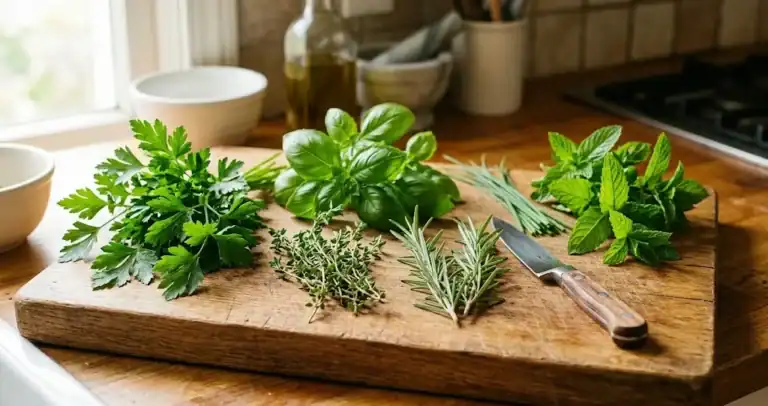
Always inspect fresh sprigs before chopping. Look for bright green, tender leaves on pliable green stems. Avoid bunches with blackened tips or limp, yellowing foliage.
When swapping dried seasonings for fresh, use a conservative one-to-three ratio. One teaspoon of dried seasoning replaces one tablespoon of freshly chopped leaves. You can use dried seasoning in a warm poultry marinade or slow simmer. Because dried seasonings release their flavor slowly, add them during the cooking process, whereas fresh leaves are best added toward the end of cooking.
Frequently Asked Questions About Cooking with French Tarragon
What is the difference between French and Russian varieties of the plant?
French varieties (Artemisia dracunculus) are prized for their rich, sweet licorice aroma and high essential oil content. The Russian plant (Artemisia dracunculoides) is a coarser, hardier type with a much weaker, grassy flavor that lacks culinary appeal. Always seek out true French varieties for cooking.
What foods pair best with fresh leaves?
The herb pairs exceptionally well with poultry, eggs, seafood such as scallops and salmon, creamy sauces, Dijon mustard, dry white, shallots, spring peas, and fresh mushrooms.
Can I freeze fresh clippings for later use in recipes?
Yes. You can freeze whole sprigs in airtight freezer bags, or chop the leaves and freeze them in ice cube trays covered with olive oil or melted unsalted butter. Frozen seasonings retain excellent flavor for hot pan sauces, soups, and marinades.