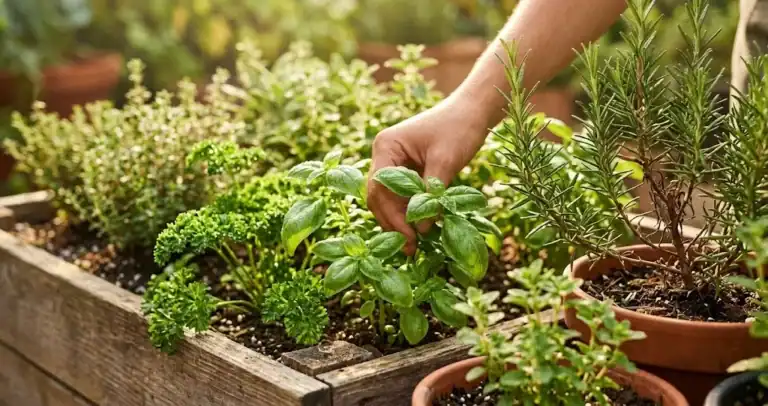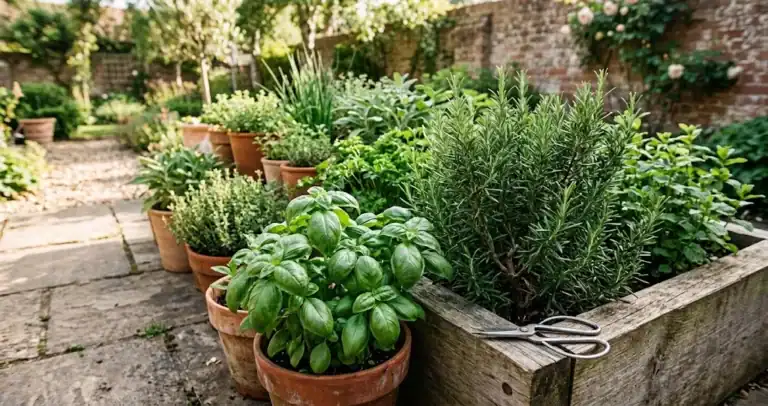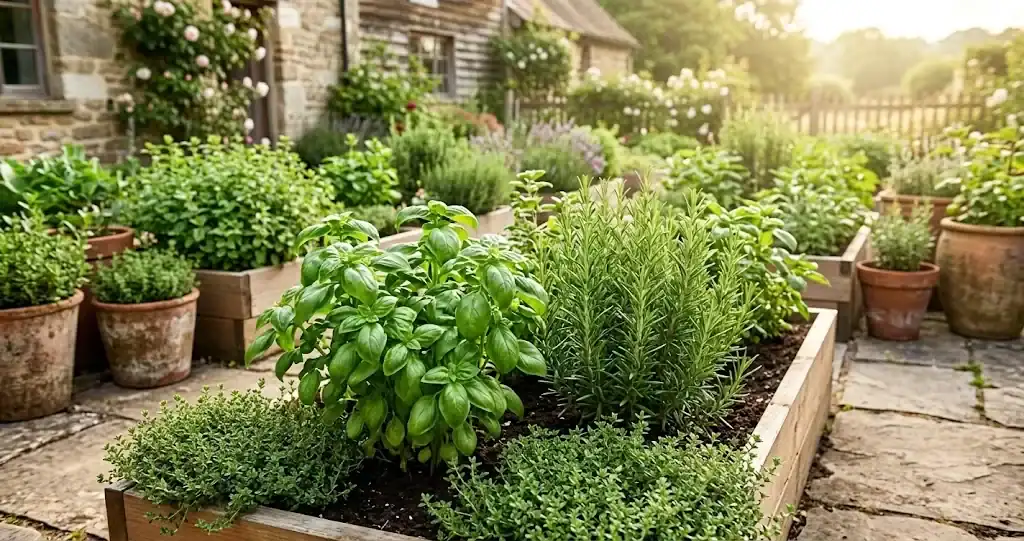
Few gardening projects offer as quick and satisfying a return as growing herbs in a home garden. A small outdoor bed, a pair of raised planters, or a cluster of patio containers can supply fresh kitchen flavors from early spring straight through late autumn. Walking a few steps to snip fresh sprigs of rosemary, mint, or thyme transforms everyday cooking, saving money and eliminating the plastic clamshell containers that spoil quickly in the refrigerator.
Most culinary herbs ask for remarkably modest care once established. Unlike heavy-feeding vegetables that demand deep trenches of rich compost and constant pampering, herbs developed in Mediterranean hillsides and open meadows where sunlight is plentiful and moisture is intermittent. When deciding which herbs to grow, success comes down to matching each plant to its preferred ground texture and sun exposure, ensuring adequate water runoff, and harvesting regularly to encourage dense, bushy growth. If you are a home gardener laying out your first dedicated plot, reviewing a broader foundation for growing herbs from scratch will help you organize your space and prioritize what to plant first.
Choosing the Right Spot: Sunlight, Space, and Bed Layout
Before buying seed packets or nursery starts, observe your yard across a full day. To grow herbs successfully, plants need at least six hours of direct sunlight daily to produce the volatile essential oils that give them their distinctive aroma and taste. Placing herbs in deep shade results in spindly, leggy growth with muted fragrance and pale leaves.
Morning light is especially valuable because it dries dew off leaves early, reducing fungal risks such as powdery mildew. If your garden space is shaded by tall fences or overhanging trees, reserve the brightest open corner for your sun-worshipping woody perennials like lavender and rosemary. Shadier spots that receive four to five hours of gentle morning sun can support partial shade favorites like chives, chervil, and cilantro.
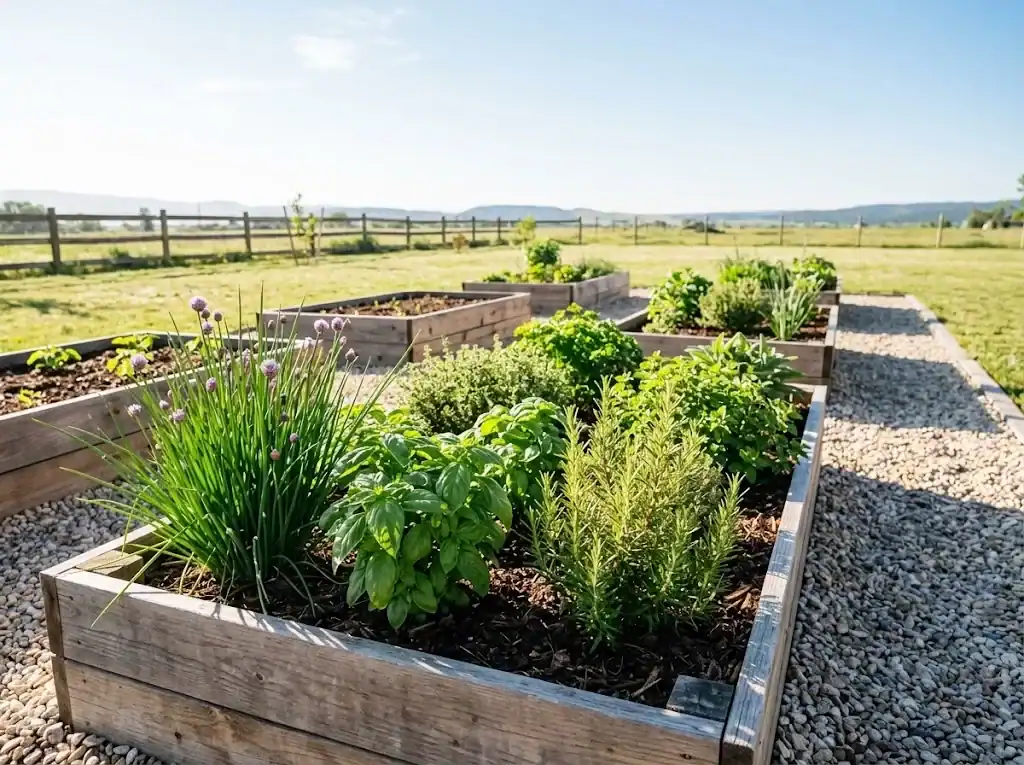
You can plant herbs directly in the ground, in raised garden beds, or in pots set on a sunny patio or kitchen doorstep. In-ground plantings work well in areas with naturally loamy, loose earth, but heavy clay beds hold too much standing water during wet springs. Raised beds give you immediate control over soil depth and aeration, warming up earlier in the season and making weeding and harvesting much easier on your back.
Soil Preparation and Moisture Requirements
If there is one universal rule for herb health, it is that roots detest soggy ground. Damp, suffocating conditions invite root rot, a fungal issue that kills Mediterranean herbs faster than drought or neglect ever could. Herbs require loose, well-drained soil with plenty of air pockets around their root zones.
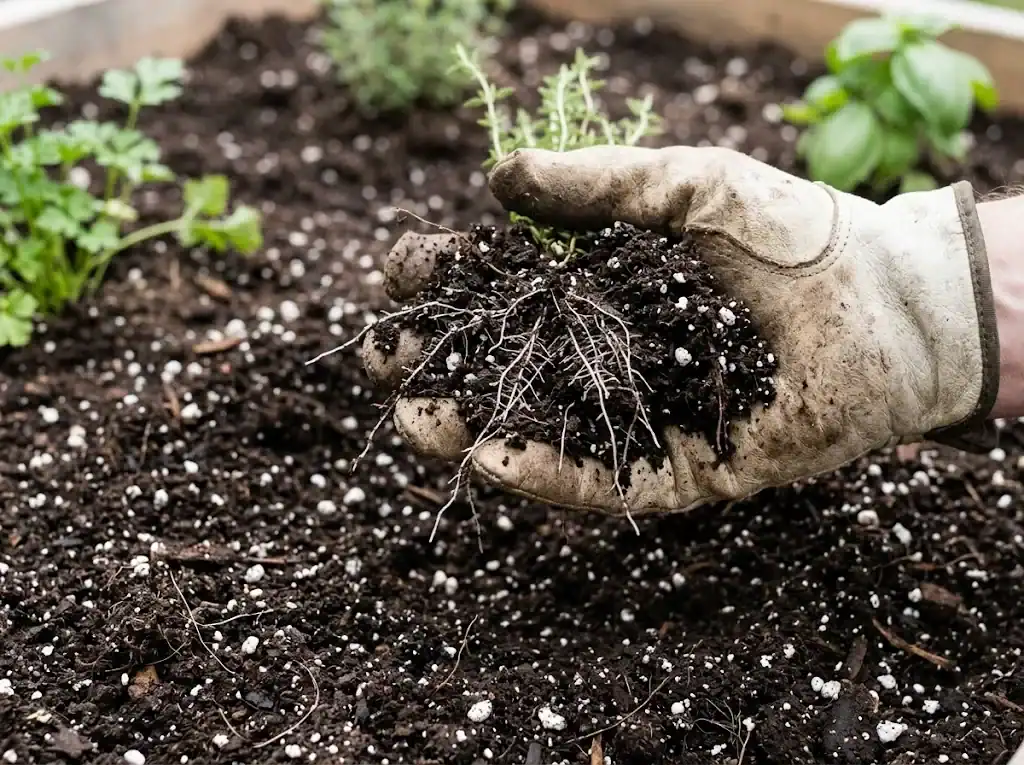
Before planting, work two to three inches of aged compost into the top eight inches of native earth to improve texture without creating overly rich conditions. Avoid excessive synthetic nitrogen fertilizers; too much nitrogen produces rapid, watery leaf growth with diluted flavor. Taking time to understand soil drainage and texture requirements for herbs ensures that your garden beds shed surplus water during heavy rains while retaining enough moisture for steady root development.
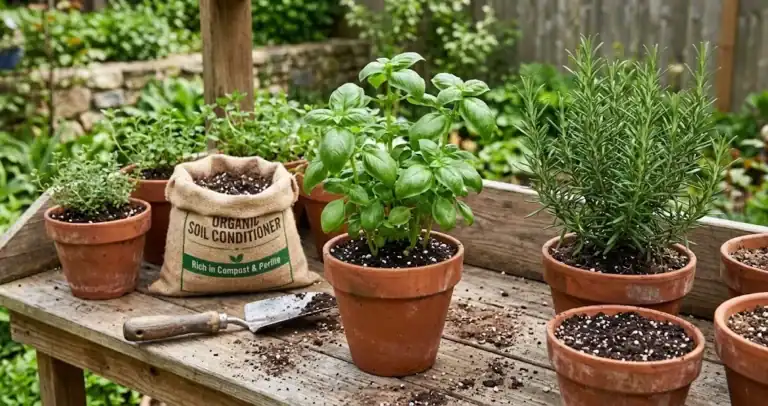
When planting in containers, always select pots with drainage holes at the base. Fill them with a high-quality potting mix formulated for container growing rather than heavy garden topsoil. Adding coarse perlite or pumice to standard potting mix provides extra porosity, preventing the mix from compacting over months of regular watering.
Selecting Your Herbs: Annuals, Biennials, and Perennials
A resilient planting plan blends single-season crops that you replant each spring with hardy perennial herbs that return year after year. Understanding these growth cycles helps you arrange beds so you never accidentally dig up dormant root crowns during seasonal garden cleanups.
Single-season annual herbs complete their entire life cycle in one growing season:
- Sweet Basil (Ocimum basilicum): The quintessential summer favorite. Basil loves warm air, full sun, and evenly moist earth. Never rush it outdoors before nighttime temperatures settle reliably above 50 degrees Fahrenheit. Pinching off flower buds preserves sweet leaf flavor and encourages branching.
- Cilantro (Coriandrum sativum): A cool-season staple that grows rapidly in early spring and autumn. In summer heat, plants bolt quickly into delicate white flowers and set round coriander seeds, which you can harvest, dry, and grind for spice blends.
- Dill (Anethum graveolens): Features feathery stems and umbrella-like yellow blossoms that attract beneficial pollinators. Sow dill seeds directly in the ground every three weeks for a steady supply of tender pickling sprigs.
Biennial herbs, such as flat-leaf parsley (Petroselinum crispum), produce abundant flavorful leaves during their first year, survive mild winters, and produce flowers and seeds during their second summer before dying back. Replanting each spring keeps your kitchen supplied with tender, vibrant greens.
Perennial herbs form the permanent backbone of your planting beds, surviving winter freezes and expanding with each passing spring:
- Rosemary (Salvia rosmarinus): A rugged evergreen shrub with needle-like leaves and an intense piney fragrance. Plant rosemary in a hot, sunny corner where earth drains rapidly.
- Thyme (Thymus vulgaris): A low-growing woody perennial that thrives along garden borders, rockeries, and raised bed edges. Thyme requires minimal water and handles dry spells with ease.
- Oregano (Origanum vulgare) and Marjoram (Origanum majorana): Pungent culinary staples that flourish in lean, gravelly ground. Sweet marjoram offers a milder, floral profile and is often treated as a tender annual in frost-prone regions, whereas common oregano survives harsh winters.
- Sage (Salvia officinalis): Known for soft, velvety grey-green leaves, garden sage tolerates drought and cold winters while resisting common pests.
- French Tarragon (Artemisia dracunculus): Offers a refined anise-like aroma essential for classic sauces and vinaigrettes. Unlike Russian varieties grown from seed, true French strains are propagated from cuttings or root divisions.
- Common Chive (Allium schoenoprasum): Hardy, clumping perennials that send up hollow, onion-scented spears in early spring, capped by edible purple flower pom-poms.
- Lavender (Lavandula angustifolia): Prized for silvery leaves and fragrant violet spikes, English lavender needs excellent air circulation and alkaline, gritty ground.
The Golden Rule of Mint: Always Grow in a Pot
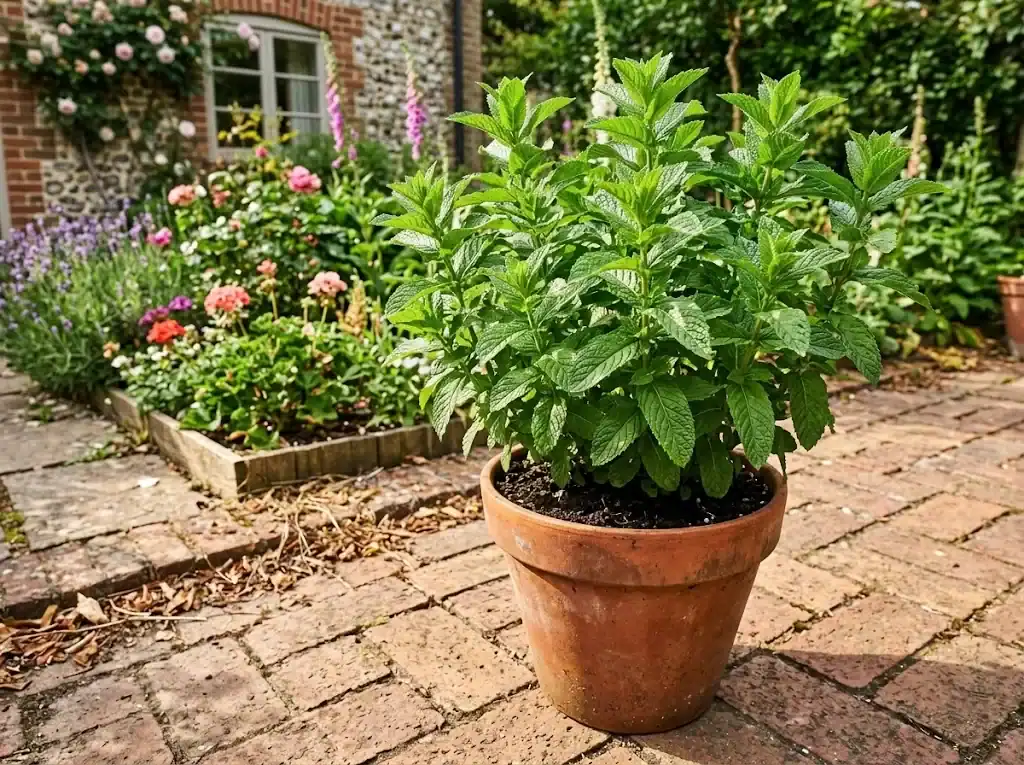
Spearmint and peppermint (Mentha species) are vigorous, aromatic perennials that cooks love to keep on hand for iced teas, salads, and marinades. However, planting mint directly into an open garden bed is one of the most common beginner regrets. Mint spreads aggressively through underground runners called stolons, quickly crowding out delicate neighbor plants and taking over entire borders.
To enjoy fresh mint without battling invasive roots, confine every plant to a dedicated container. Choose a pot at least ten to twelve inches wide with generous escape holes for excess water. You can set the pot on a patio, arrange it on a sunny windowsill, or sink the container into a garden bed with its rim resting two inches above the surrounding ground to prevent trailing stems from rooting into the beds.
Planting Methods: Seeds versus Starter Plants
Starting an herb garden gives you two practical paths: sowing seeds or buying potted starter plants from a local nursery. Finding the best herbs for your cooking style often means combining both strategies for an easy, productive harvest.
Seed starting is economical and ideal for fast-growing varieties like cilantro, dill, and sweet basil. You can start seeds indoors under grow lights six weeks before your region’s last expected spring frost date, or sow seeds directly into warm garden soil once freezing temperatures pass. Fine seeds should be pressed lightly into moist potting mix rather than buried deeply.
Conversely, slow-germinating woody perennials like rosemary, French tarragon, sage, and lavender are far easier to establish from healthy starter plants. Nursery transplants give you a head start of several months, allowing you to harvest flavorful sprigs during your very first season. When transplanting, dig a hole twice as wide as the nursery root ball, loosen any circling roots gently with your fingers, set the plant level with the surrounding soil line, and water thoroughly to settle air pockets.
Ongoing Care: Watering, Feeding, and Seasonal Maintenance
Overwatering is the single most frequent error in home herb cultivation. While tender annuals like basil appreciate consistent moisture, Mediterranean perennials prefer their soil to dry out moderately between waterings. Check soil moisture by pressing a finger two inches into the dirt; if the ground feels cool and damp, delay watering for another day or two.
Always water at the base of the plants in the morning, soaking the root zone while keeping leaves dry. Soaker hoses or drip irrigation lines reduce leaf wetness, lowering humidity around dense stems and stopping fungal spores from establishing.
Go easy on fertilizers. A light top-dressing of organic compost or a weak dose of balanced liquid fish emulsion in early spring provides all the nutrients perennial herbs need for the entire growing season. Heavy chemical feeding causes plants to grow oversized, watery leaves with noticeably weaker taste and aroma.
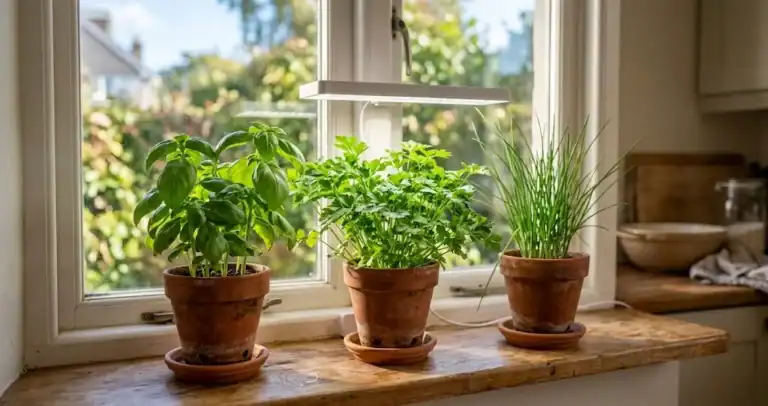
As summer shifts toward autumn, review your seasonal care routines for herb gardens to help perennials transition safely into winter dormancy. Cut back dead stems, mulch woody root crowns in freezing climates, and consider potting up small divisions of chives or parsley to grow on a bright kitchen windowsill for fresh flavor year-round.
Harvesting Techniques to Encourage Bushier Growth
Regular harvesting is not just about gathering dinner ingredients; it is an essential pruning practice that keeps herb plants vigorous and productive. Left alone, herbs grow tall, develop woody stems at their base, and divert energy into flowering and setting seed, which turns their leaves bitter.
Harvest your herbs in the morning after dew has evaporated but before the heat of the midday sun warms the garden. Morning leaves hold their highest concentration of fragrant essential oils. Use clean, sharp bypass pruning shears or kitchen scissors rather than pulling or tearing stems by hand.
When cutting stem herbs like basil, mint, and oregano, snip just above a set of leaf nodes. This stimulates the dormant buds nestled in the leaf axils to produce two new branching stems, doubling your future yield. Never harvest more than one-third of a plant’s total foliage at one time, as herbs need sufficient leaf surface to photosynthesize and generate new growth.

Frequently Asked Questions About Home Herb Gardens
Can you plant culinary herbs together in the same garden bed?
Yes, provided you group plants with similar moisture and sunlight needs. Mediterranean woody herbs like rosemary, thyme, oregano, and sage make excellent companions because they all thrive in lean, fast-draining soil with modest watering. Keep moisture-loving plants like sweet basil in a separate section with richer, consistently damp soil.
How many hours of direct sunlight do herbs need each day?
Most culinary herbs need six to eight hours of unfiltered sunlight every day for peak growth and oil production. If your garden receives only four to five hours of sun, choose shade-tolerant herbs like parsley, chives, mint, and chervil, or place pots on rolling plant caddies to follow the sun across your patio.
What is the easiest herb to grow for beginners?
Chives and mint are widely considered the easiest herbs for first-time gardeners because they are cold-hardy, tolerate varied ground types, and bounce back quickly after heavy harvests. Basil is the easiest summer crop to grow from seed, provided it receives plenty of heat and sun.
Why do my herbs flower, and what should I do about it?
Herbs flower as part of their natural reproductive cycle, often triggered by summer heat, lengthening days, or drought stress. For leaf crops like basil and oregano, snip off emerging flower buds immediately to keep the plant putting energy into tender, flavorful leaves. With chives, both the stems and blossoms are edible, and the purple flowers can be sprinkled fresh over summer salads.