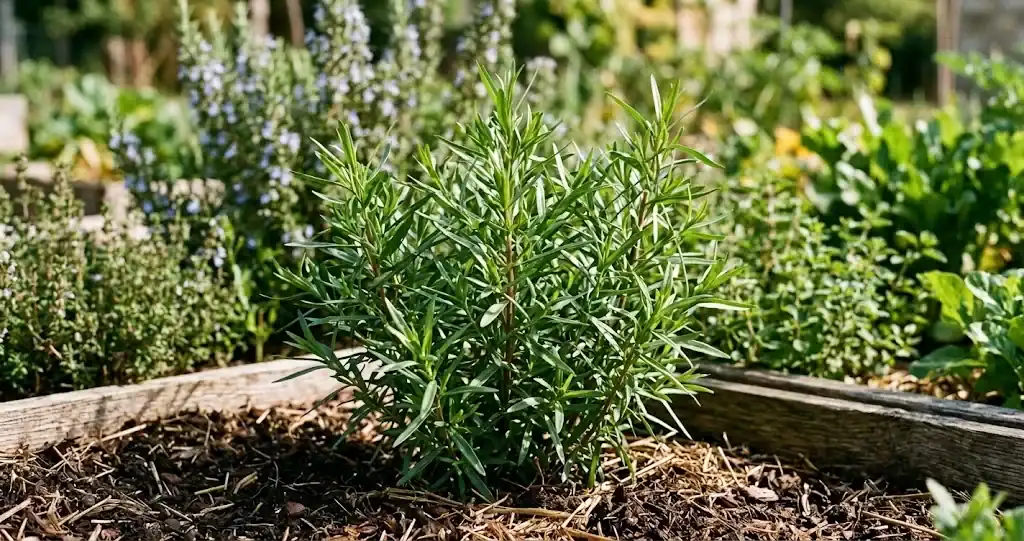
Tarragon has a reputation for being fussy, and there is a real reason for it. Most gardeners who struggle with it are unknowingly growing the wrong plant. French tarragon, the variety prized for its sweet anise flavor in salads, egg dishes, and classic French seasoning blends, does not set viable seed. If you started your plant from a seedling grown from a seed packet, you almost certainly grew the Russian type instead, a coarser, weaker-tasting cousin that grows easily but disappoints in the kitchen. Once you understand that distinction, growing it well gets a lot simpler.
This guide covers the whole process: picking the right variety, choosing a planting site, propagating and planting it, and caring for it through the season. For the wider basics of setting up an herb garden, see this beginner’s guide to growing an herb garden.
French tarragon vs. Russian tarragon
Artemisia dracunculus comes in two garden forms, and they are not interchangeable. French tarragon (Artemisia dracunculus var. sativa) has the warm, aromatic, anise flavor that chefs and home cooks actually want. It is sterile and does not produce seeds, so the only way to grow this type is from a stem cutting or a divided clump of an existing plant. The Russian form (Artemisia dracunculus var. inodora) will grow from seed, spreads more vigorously as a rough ground cover in poor soil, and tolerates neglect, but its flavor is thin and slightly bitter by comparison.
If a seed packet is labeled simply “tarragon” with no mention of the French variety by name, assume it is the Russian one and set your expectations for flavor accordingly. Buy a live plant, a rooted cutting, or a division from a nursery or a fellow gardener when you want the true French plant.

Why is tarragon hard to grow?
Its difficult reputation comes from a mismatch between what it needs and what gardeners often give it. It wants full sun, sharp drainage, and soil on the lean side. Heavy clay, soil that stays soggy, or too much shade lead to weak growth and root rot, and that struggling plant is usually the one people remember as difficult. Give it a well-drained spot and it settles into a dependable, low-maintenance plant that any gardener can grow well.
Where is the best place to plant tarragon?
Choose a spot with at least six hours of direct sun a day. It tolerates light afternoon shade in hot climates, but grows leggy and less aromatic with less light. Soil matters as much as sun exposure: this herb wants loose, well-drained soil with a near-neutral pH, around 6.5 to 7.5. If your garden soil is heavy clay, work in compost and coarse sand, or grow it in a raised bed or a pot with excellent drainage instead. A pot also makes sense in cold climates, since you can move it indoors for winter, and it gives you full control over drainage.
It is hardy in USDA zones 4 to 8, where it comes back reliably through spring and summer for years. In zone 3 and colder, plan on growing it in a pot or applying heavy winter mulch, since the roots can struggle to survive an unprotected freeze.

How do I propagate tarragon?
Because the French variety will not grow true from seed, propagate it by division or stem cuttings rather than sowing.
- Division: In spring, once new growth appears on the parent plant, dig up an established clump and split the root system into sections with a sharp spade or knife, keeping healthy roots and shoots on each piece. Replant divisions immediately at the same depth they were growing before.
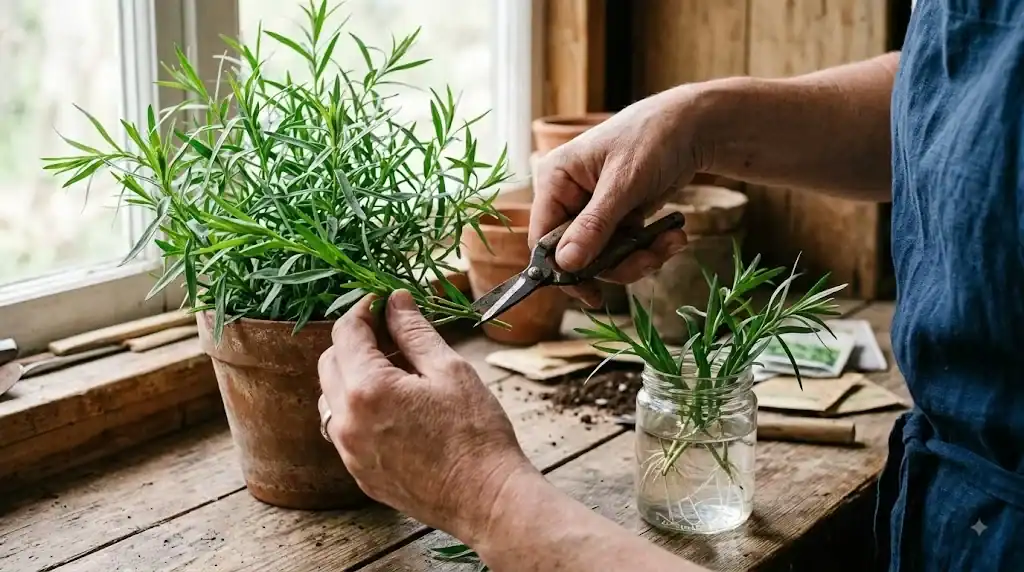
- Cuttings: Snip a 4 to 6 inch piece of non-flowering stem in late spring or early summer. Strip the lower leaves from the stems, dip the cut end in rooting hormone if you have it, and set it in moist potting soil or a glass of water. Roots typically form within two to three weeks in a warm, bright spot out of direct sun.
Buying a rooted nursery plant labeled French tarragon is the simplest route if you do not have an established plant nearby to divide or take cuttings from. Check the label for the French variety by name, since unlabeled or generically labeled plants are often Russian.
Planting tarragon in the garden
Plant it in spring after the last frost, once the soil has warmed and dried out from winter rain. Space new plants 18 to 24 inches apart. A mature clump spreads to fill about a foot of space, and crowding plants close together invites poor air circulation and fungal problems. Set each plant at the same depth it was growing in its container, water it in well, and avoid burying the crown.
If you are planting in a container, choose a pot at least 12 inches wide with generous drainage holes, and use a potting soil mix cut with extra perlite or coarse sand for drainage.
Caring for tarragon plants
Once established, this herb asks for very little.
- Watering: Water deeply but infrequently, letting the soil dry out between waterings. It is fairly drought tolerant once its roots are established, and overwatering is the fastest way to rot them.
- Fertilizing: Skip heavy feeding. A light application of compost in spring is usually enough to fertilize a healthy plant; rich fertilizer pushes soft, less flavorful growth.
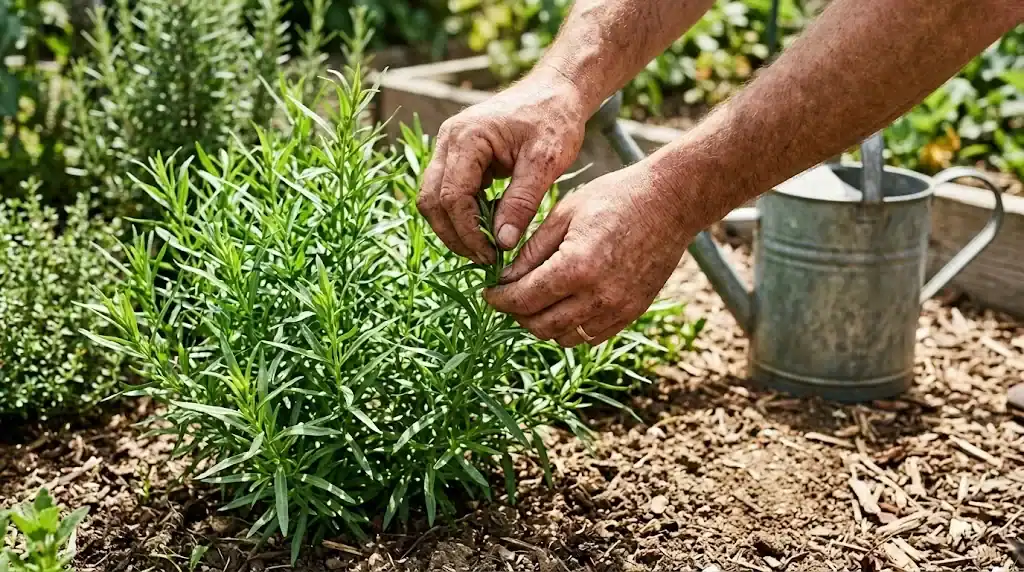
- Pruning: Pinch back growing tips regularly to keep the foliage bushy and to delay the small white flowers that form late summer, since a plant that flowers tends to lose some leaf flavor. Cut the whole plant back by about a third in midsummer to encourage vigorous new growth.
- Winter care: In cold climates, cut the plant back after the first hard frost and cover the crown with a few inches of mulch. The top growth dies back, but the roots stay alive underground and send up new growth the following spring.
Does tarragon come back year after year?
Yes. French tarragon is a herbaceous perennial, and a well-sited plant returns reliably for several years before it benefits from being divided and refreshed. Expect the foliage to die back completely over winter and reappear later than many herbs in spring, often not until the soil has warmed well into the season. If a clump stops producing vigorous growth after three or four years, dividing it in spring usually restores it.

What not to plant tarragon next to
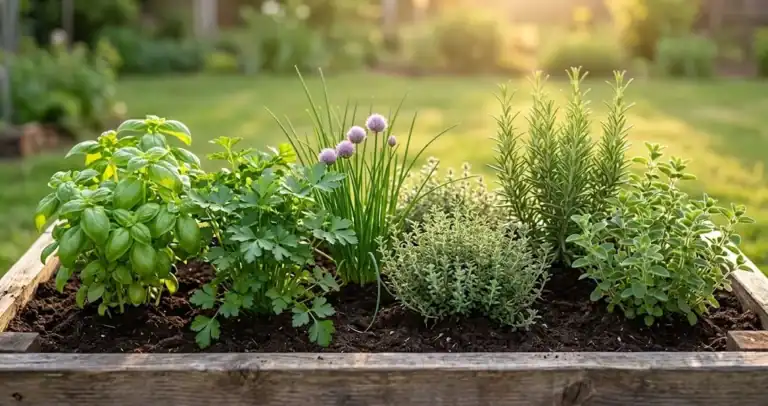
This herb is a fairly easygoing neighbor, but a few pairings work against it. Avoid planting it next to thirsty, heavy-feeding vegetables like cucumbers or squash, since their watering needs will keep its roots wetter than it likes. It also competes poorly with aggressive spreaders like mint, which can crowd out its shallow roots as a ground cover. It is a good companion instead for other Mediterranean herbs that share its preference for sun and dry soil, such as rosemary, thyme, oregano, chives, and parsley, and it is a traditional companion plant for asparagus and eggplant in the vegetable garden.
Common growing problems
- Yellowing leaves and root rot: Almost always overwatering or poor drainage. Let the soil dry out and improve drainage before replanting if the roots are already mushy.
- Leggy, sparse growth with big leaves and thin stems: Usually too little sun or a plant that has gone several years without dividing. Move it to a sunnier spot or divide the clump.
- Weak flavor: A strong sign the plant is the Russian type rather than French. There is no fix beyond replacing it with a verified French division or cutting.
- Powdery mildew or other pest and disease pressure: Appears in humid weather or crowded plantings. Improve air circulation by spacing plants further apart and watering at the soil line instead of overhead.
Harvesting tarragon once it matures
Once a young plant reaches about 12 inches tall, usually by midsummer, it can handle regular light harvesting without setting it back. Snip individual leaves and stems as you need them through the growing season, and take a larger harvest before the flower buds open for the best flavor. For step-by-step timing, harvest technique, and how to keep plants productive through the season, see this guide to how to harvest tarragon.
After the harvest: keeping tarragon fresh
Fresh sprigs lose their aroma quickly once cut, so most gardeners preserve at least part of a harvest for later use, often added to vinegar or dried for winter seasoning. Once your plants are established and producing well, it is worth deciding how you will hold onto that flavor between growing seasons. It dries poorly compared to thyme or oregano and loses much of its anise character in the process, so freezing whole sprigs or infusing them in white wine vinegar holds the flavor better than drying does. For the full comparison of drying, freezing, and infusing options, see this guide on how to store tarragon.
Frequently asked questions
Can I grow tarragon indoors?
Yes, in a bright, south-facing window or under grow lights, though indoor plants tend to grow more slowly and taste less aromatic than ones grown outdoors. Use a well-drained pot and let the soil dry between waterings, just as you would outdoors.
Is Mexican tarragon the same plant?
No. Mexican tarragon (Tagetes lucida) is a different species entirely, grown as a heat-tolerant substitute in warm climates where the true plant struggles. It has a similar anise flavor but is a marigold relative, not an Artemisia.
How long does a tarragon plant live?
A well-cared-for French plant can produce for many years, though most gardeners divide it every three to four years to keep growth vigorous and flavorful.