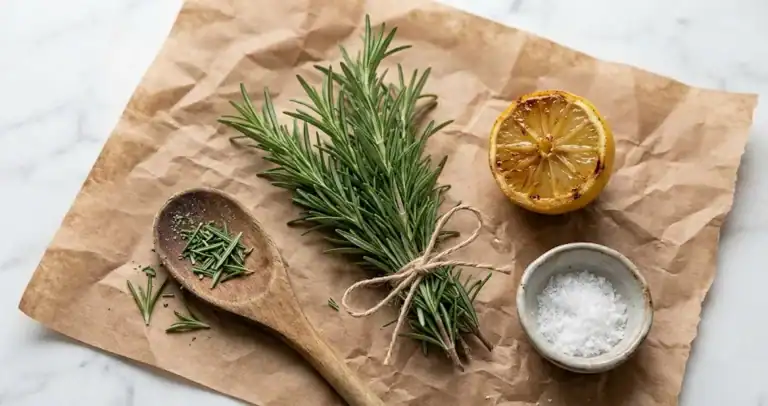
Cooking with rosemary gives simple food a savory, pine-like lift. This aromatic herb works with potatoes, vegetables, chicken, lamb, beans, soups, bread, and one good oil. Its flavor is strong, so begin with a small amount and let it complement the rest of the dish.
Fresh rosemary has bright, woody needles and a clean scent. The dried form is more concentrated and suits dishes that simmer or cook in the oven. Measured seasoning makes a better meal than a heavy hand.
What is rosemary and what does it taste like?
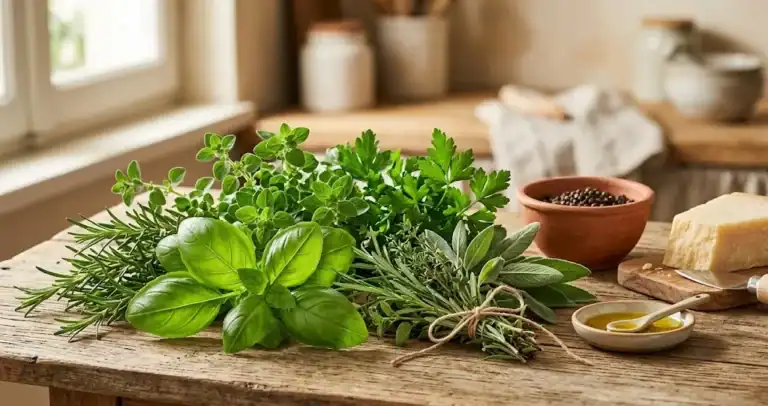
Rosemary is an evergreen shrub in the mint family, widely used in Mediterranean cuisine. The dark green needles taste earthy, savory, slightly peppery, and resinous. Garlic, lemon, black pepper, thyme, sage, oregano, marjoram, poultry, and lamb are natural partners.
How do you prepare it for cooking?
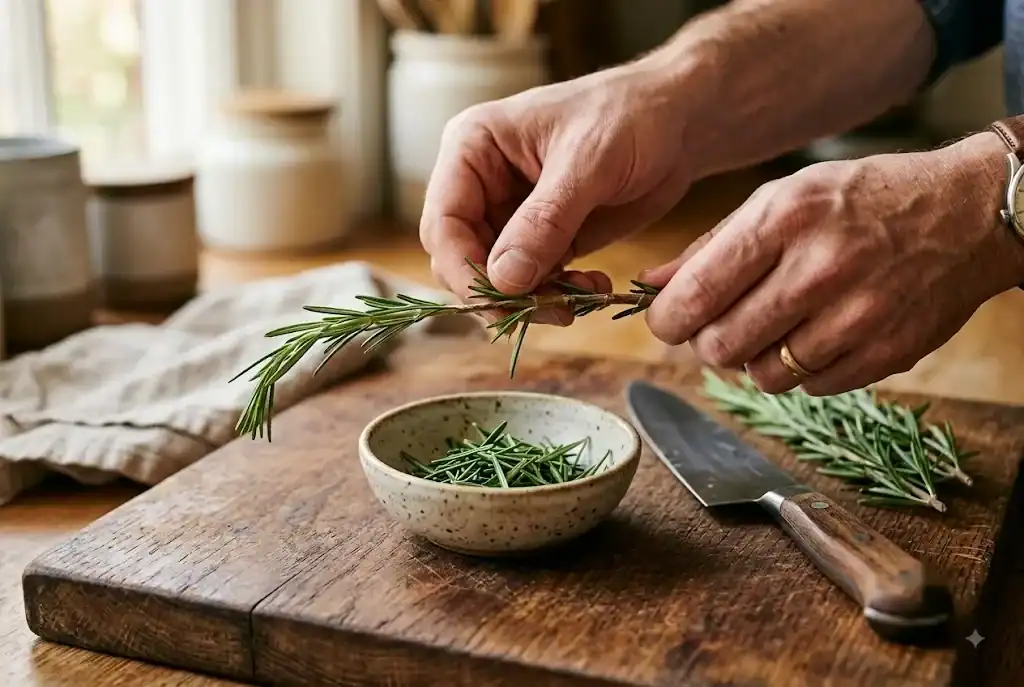
Rinse fresh cut rosemary and dry it well. Hold the tip of a sprig and pull downward along the stem to strip the leaves. Tender tips can be minced with the needles. Older stalks are woody, so add one to a stew, pot roast, or casserole for aroma, then remove it before serving.
- Quick dishes: mince the leaves finely for mashed potatoes, salad dressing, or a pan sauce.
- Oven dishes: add a whole branch to the baking sheet, then remove it at the table.
- Long cooking: add a woody branch early so its scent has time to mellow.
- Dried herb: use one teaspoon for every tablespoon of fresh needles, then taste.
Easy ways to cook with fresh rosemary
Brown potatoes and vegetables
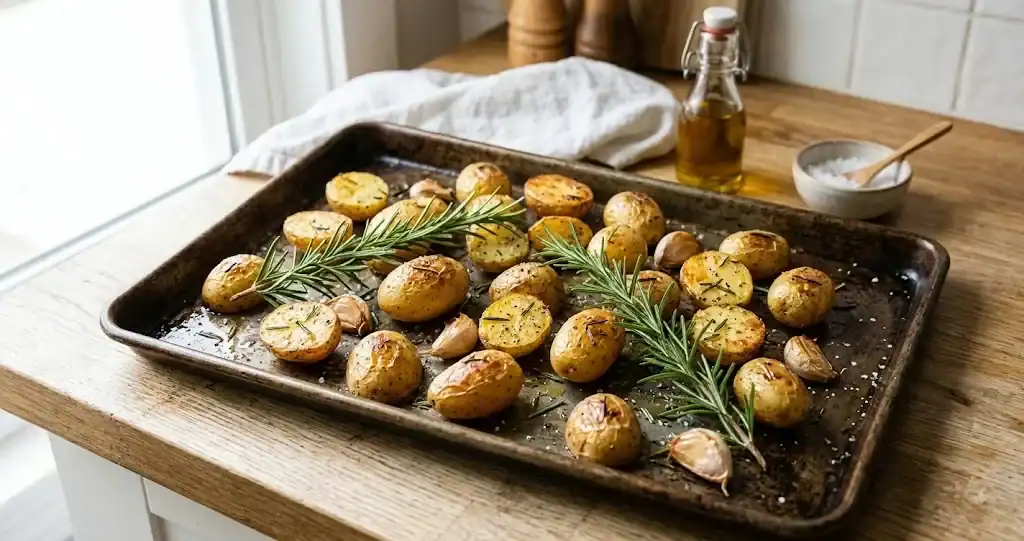
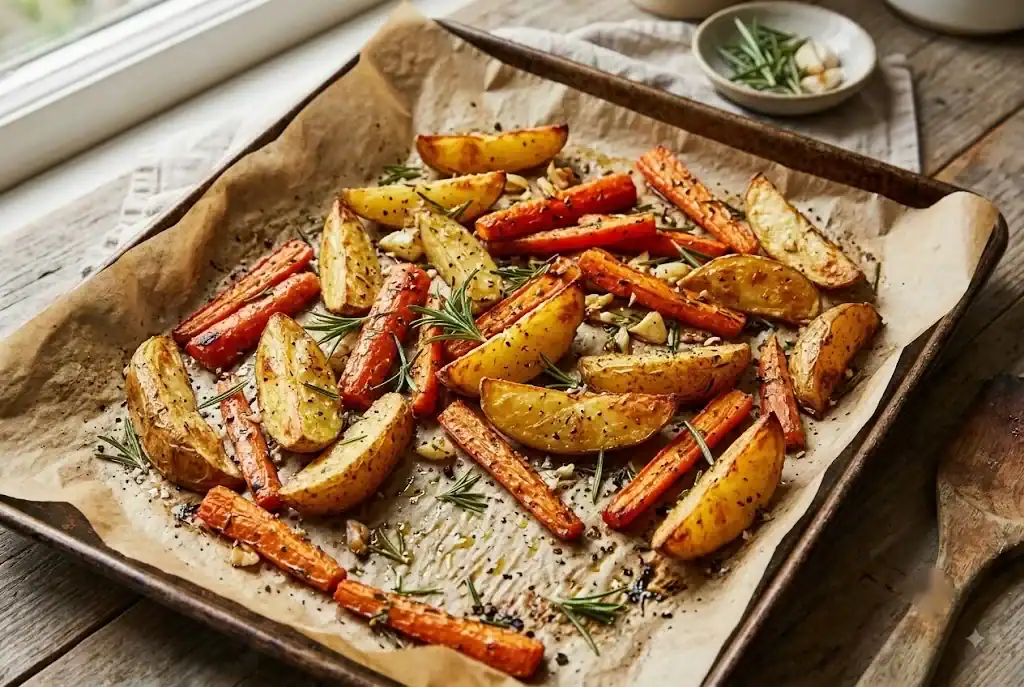
Toss wedges, carrots, cauliflower, or squash with a little olive oil, garlic, salt, black pepper, and chopped needles. Spread them in one layer on a hot baking sheet. The browned edges and savory aroma make this one of the easiest ways to use rosemary. Finish with lemon zest for contrast.
Season chicken, lamb, and beans
For roasted chicken or lamb, make a rosemary garlic paste with minced needles, oil, salt, and pepper. Rub it on before cooking. The same combination makes a useful marinade for sturdy meats. For beans or lentils, simmer a woody branch with onion and stock, then take it out before serving.
Flavor soups, stews, and sauces
A small branch can add depth to tomato soup, white beans, mushroom stew, or a hearty vegetable dish. Add it over low heat and let it infuse rather than frying it hard. If recipes call for rosemary but you only have dried, crush it before adding so it softens more evenly.
Make herb butter, oil, or focaccia
Stir finely minced fresh herbs, lemon zest, and black pepper into softened butter for corn, vegetables, or potatoes. For immediate use, gently warm oil with a dry rosemary twig and garlic, cool it, then refrigerate it for up to four days. Do not keep homemade herb oil at room temperature. For focaccia, scatter chopped needles over the dough with oil and flaky salt before baking.

Once you are comfortable with these techniques, these rosemary recipe ideas offer a recipe-focused next step without repeating the basic cooking method.
What food goes best with it?
Use it where bold, savory food benefits from an earthy note: roasted vegetables, potato dishes, poultry, lamb, pork, mushrooms, chickpeas, white beans, and rustic bread. A small amount also works in a side dish of carrots or squash. Garlic and lemon are a dependable starting combination.
What spices pair well with it?
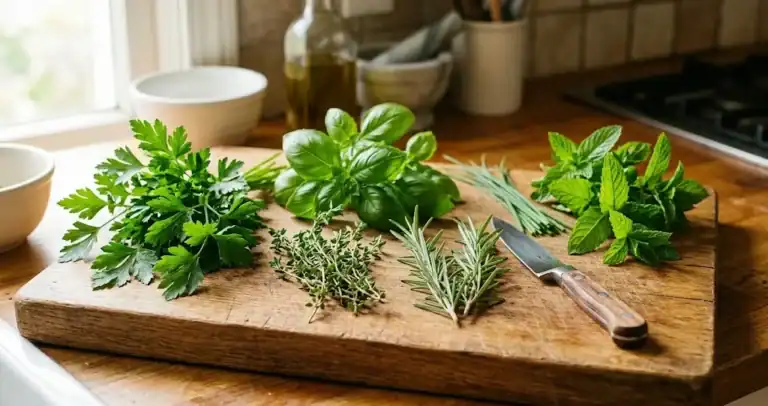
Thyme, sage, oregano, marjoram, and black pepper are good companions. Another fresh herb can work in a lamb dish, but use it lightly. Avoid mixing too many forceful herbs in one recipe. When you are unsure, choose one supporting herb and build from there.
What not to mix with this strong herb
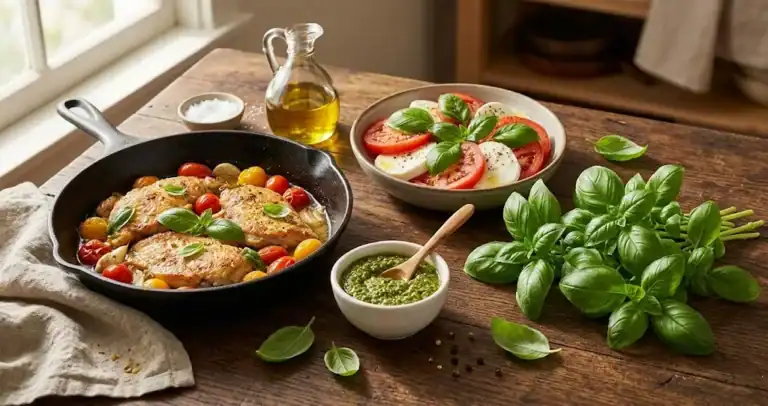
It does not need to be banned from ordinary food, but a large amount can overwhelm delicate fish, light cream sauces, and tender green salads. Use a pinch in those dishes or choose parsley, basil, or another milder herb. Plants are often available year round, so there is no need to use an aging bundle all at once.
Fresh rosemary versus dried rosemary
Choose fresh rosemary for a grill, a baking sheet, or a dish that needs a lively scent at the end. Choose dried rosemary for pantry convenience and longer cooking. Fresh herbs are usually added later; dried herbs benefit from an earlier start. If you buy several herbs, this culinary herbs guide can help you match them to future meals.
How do you store fresh rosemary?
Wrap clean, dry rosemary loosely in a slightly damp paper towel and place it in a plastic bag or container in the refrigerator. Freeze dry rosemary leaves in a small container if you will not use them soon. For more detail on how to store rosemary, follow the storage guide after you have taken what you need for dinner.
Frequently asked questions
What part do you use?
Use the leaves and tender tips. The mature stem is best for an infusion and should be removed before serving.
Can you eat it raw?
Yes, but the needles are firm and pungent. Mince them finely before adding them to a dressing or finishing salt.
What can I substitute?
Thyme is usually the closest easy substitute. Sage suits poultry and sausage, while oregano is useful in tomato-based dishes.
Can it be used in desserts or drinks?
Yes. Infuse a small branch in syrup for lemonade, cocktails, or fruit desserts, then remove it. Lemon, orange, honey, and stone fruit pair especially well.
Bring this herb into the kitchen with confidence
Start small, chop it for quick dishes, and use a whole branch for a slow stew. With those simple choices, cooking with rosemary becomes an easy way to bring a warm, fragrant finish to everyday food.