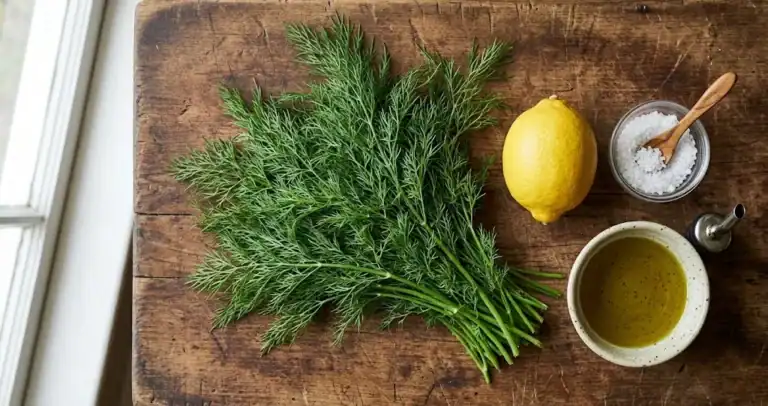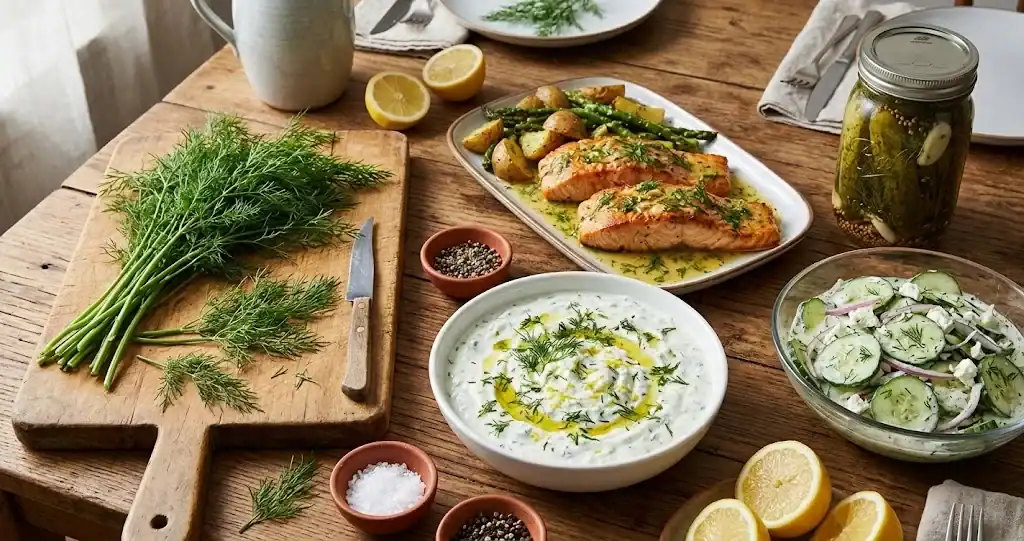
Fresh dill brings an anise-like sweetness, grassy aroma, and citrusy brightness that enlivens everyday home cooking. While many cooks associate this herb mainly with pickling, its feathery green leaves enhance everything from chilled sauces and crisp salads to pan-seared seafood, roasted vegetables, and hearty grain bowls.
Understanding how culinary herbs function in everyday cooking helps you balance delicate herbal notes with savory ingredients. Dill (Anethum graveolens) carries volatile essential oils that dissipate quickly under prolonged heat. For the best flavor, stir chopped leaves into warm dishes near the very end of cooking, whisk them into cold dressings, or scatter them as a fresh garnish before serving.
Essential Guidelines for Cooking with Dill
Working with this herb is simple, but a few core culinary practices ensure its bright flavor stays prominent. Following basic guidelines for cooking with fresh dill will help you decide when to keep the herb raw and when to apply gentle heat.
Rinse fresh sprigs under cold water and pat them dry with a clean kitchen towel. The slender upper stems are tender and full of flavor, so chop both stems and leaves finely. When making hot soups or skillet meals, add chopped leaves during the final two minutes of cooking to protect their color and delicate aroma.
If fresh bunches are out of season, dried dill weed can stand in for cooked dishes, casseroles, or marinades. Use one teaspoon of dried seasoning for every tablespoon of fresh herb. For raw salads, cold sauces, and table garnishes, fresh sprigs offer a crisp texture and aroma that dried alternatives cannot match.
Selecting, Preparing, and Storing Garden Dill
Choose crisp, bright green sprigs without wilting or yellow tips. If you buy or harvest more than you need for one recipe, using reliable methods for storing fresh dill in the refrigerator keeps the leaves fresh for up to two weeks.
Trim the stem ends, place the bunch upright in a small jar with an inch of water, and cover the tops loosely with a plastic bag before placing it in the refrigerator. Alternatively, wrap dry sprigs in a damp paper towel and store them inside an airtight container in the vegetable drawer.
Creamy Lemony Tzatziki and Dipping Sauce Recipe
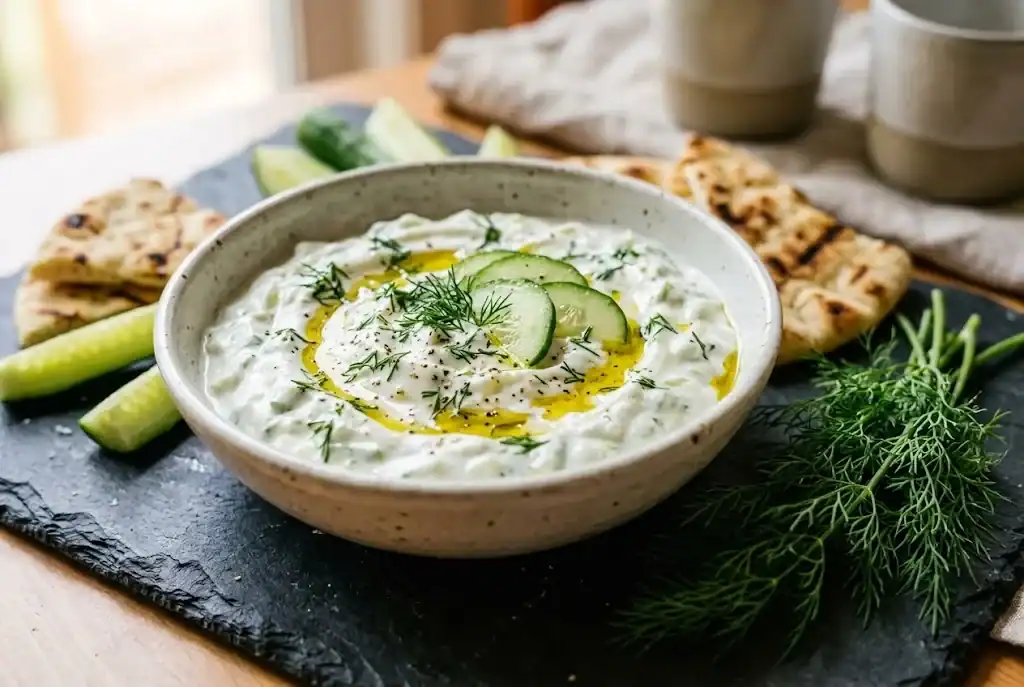
A classic Greek tzatziki is one of the most refreshing sauces for grilled meats, pita bread, and raw vegetables.
To prepare this creamy sauce, grate one medium cucumber and squeeze out the excess liquid in a clean towel. In a mixing bowl, combine one cup of whole milk Greek yogurt, two minced garlic cloves, two tablespoons of lemon juice, one tablespoon of olive oil, and a generous third cup of finely chopped fresh dill. Season with salt and black pepper, then stir until smooth. Chill for thirty minutes before serving so the flavors meld.
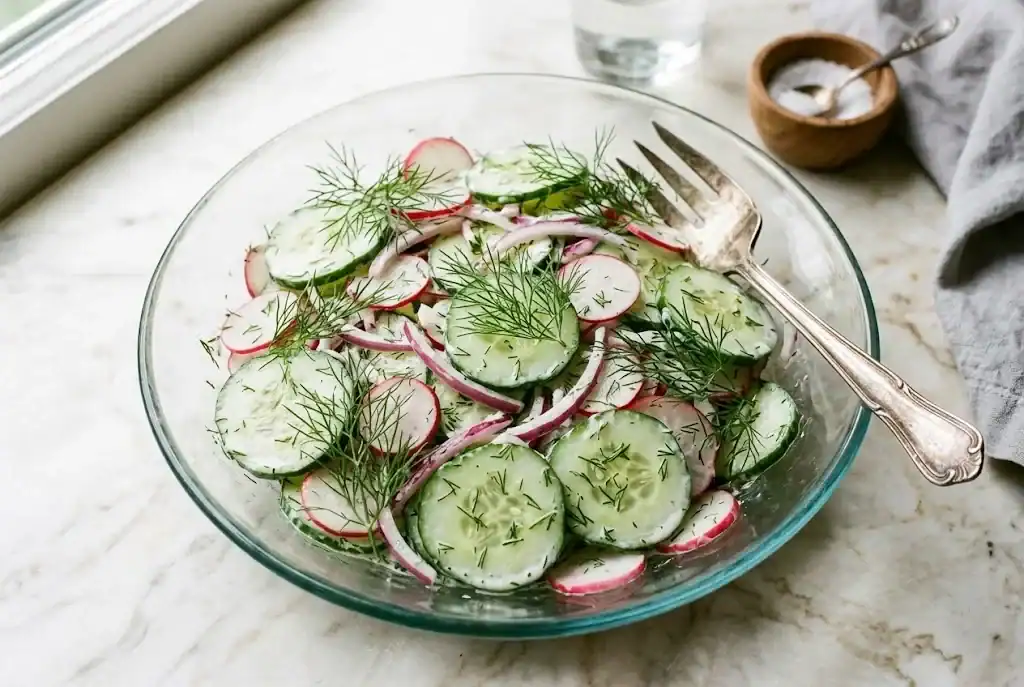
Crisp Cucumber Salad with Sliced Red Onion
This chilled cucumber salad makes a light, crunchy side dish for grilled chicken or barbecue.
Thinly slice two cucumbers and half of a small red onion. Toss the slices with a teaspoon of salt in a colander, let drain for fifteen minutes, and pat dry. In a small bowl, whisk together two tablespoons of sour cream, one tablespoon of white wine vinegar, one tablespoon of lemon juice, a pinch of sugar, and three tablespoons of chopped fresh dill. Fold the salad dressing over the slices, add sliced radishes for crunch, and chill until ready to serve.
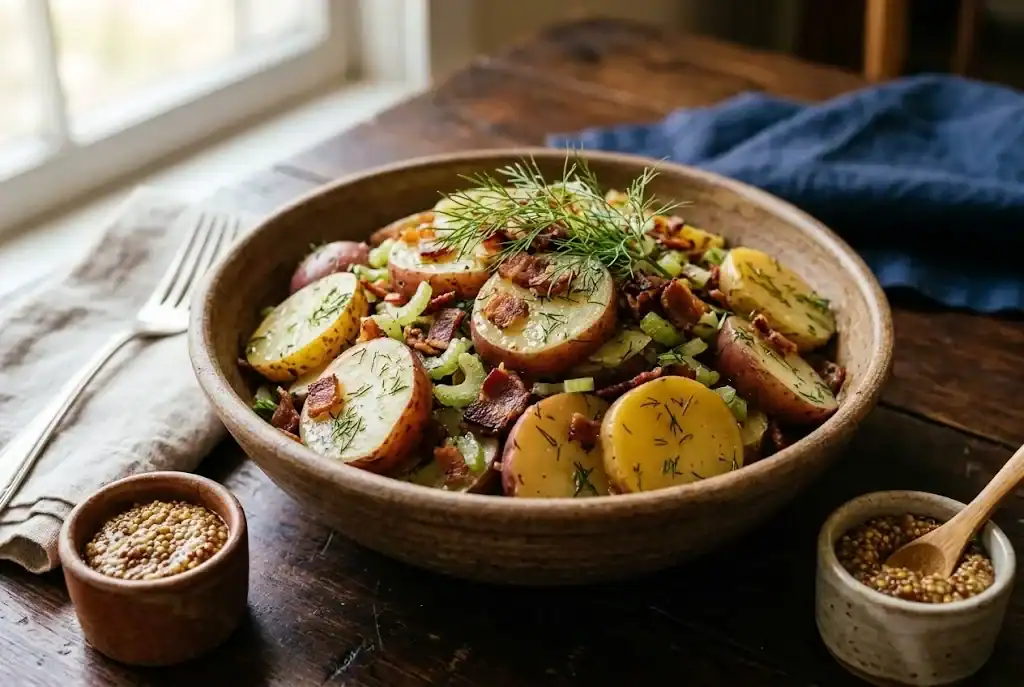
Tangy German Potato Salad with Dijon and Fresh Herbs
Unlike heavy mayonnaise salads, traditional German potato salad features tender potatoes tossed in a warm bacon vinaigrette.
Boil two pounds of small red potatoes until tender, drain, and slice into rounds. In a skillet, cook four slices of diced bacon until crisp, then set the bacon aside while keeping the drippings in the pan. Whisk two tablespoons of cider vinegar, one tablespoon of Dijon mustard, a minced shallot, and black pepper into the warm drippings. Pour the mixture over the warm potatoes, tossing gently. Finish by folding in half a cup of chopped dill, sliced celery, and the crisp bacon right before serving.
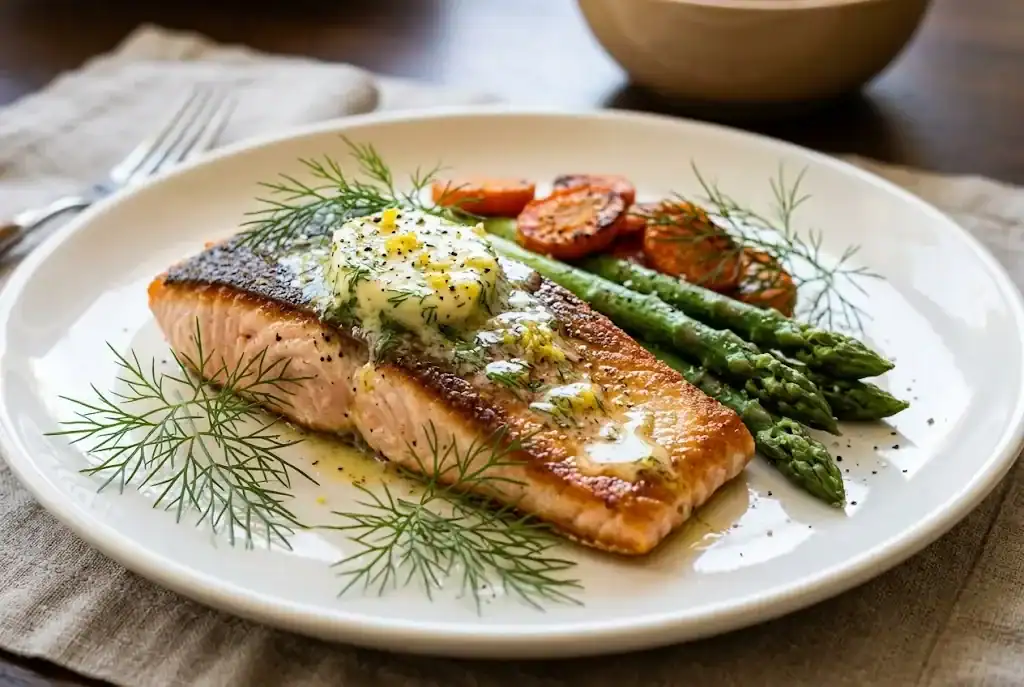
Pan-Seared Salmon Fillets and Golden Fish Patties
Rich seafood pairs naturally with garden herbs, creating an elegant meal that comes together quickly on a busy weeknight.
Season four salmon fillets with salt and pepper. In a small bowl, mash four tablespoons of softened butter with two tablespoons of minced dill, a teaspoon of lemon zest, and a teaspoon of lemon juice. Heat a tablespoon of olive oil in a skillet over medium-high heat. Sear the fish skin-side down for four minutes, flip, and cook for another three minutes. Top each hot fillet with a spoonful of the herb butter so it melts into a rich pan sauce. Serve with roasted carrot rounds or asparagus.
To make quick fish patties with leftover cooked seafood, mix flaked fish with an egg, breadcrumbs, Dijon mustard, and chopped dill, then pan-fry until golden brown.
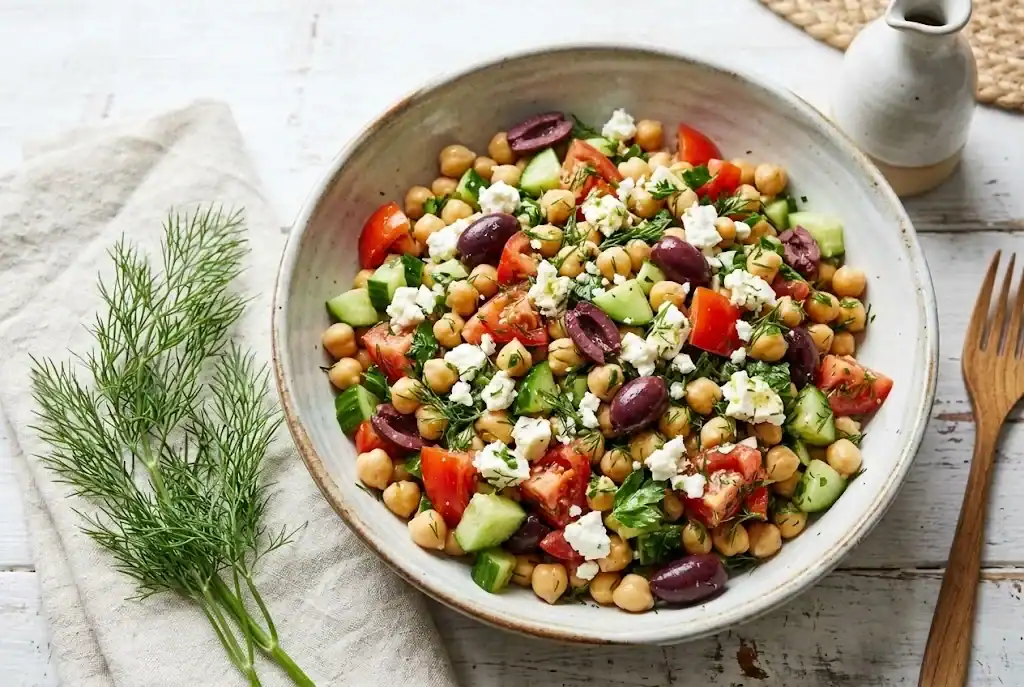
Mediterranean Chickpea Salad with Summer Tomatoes and Feta
This colorful chickpea salad is ideal for a quick lunch or simple vegetarian dinner.
In a large bowl, combine two cans of rinsed chickpeas, one cup of diced tomatoes, one cup of diced garden cukes, half a cup of kalamata olives, and half a cup of crumbled feta cheese. Whisk three tablespoons of olive oil, two tablespoons of lemon juice, one minced garlic clove, and salt in a small bowl. Pour over the salad and fold in a generous half-cup of chopped dill and fresh parsley.
Classic Lemon-Herb Chicken Salad for Sandwiches
Brighten standard chicken salad with fresh lemon and finely chopped herbs for sandwiches or crisp lettuce wraps.
In a bowl, combine three cups of shredded cooked chicken, half a cup of diced celery, two sliced green onions, and a quarter cup of chopped walnuts. In a separate bowl, whisk a third cup of mayonnaise, two tablespoons of Greek yogurt, one tablespoon of lemon juice, one teaspoon of Dijon mustard, and a generous third cup of finely chopped fresh dill. Fold the dressing into the chicken until evenly combined, then chill before serving.
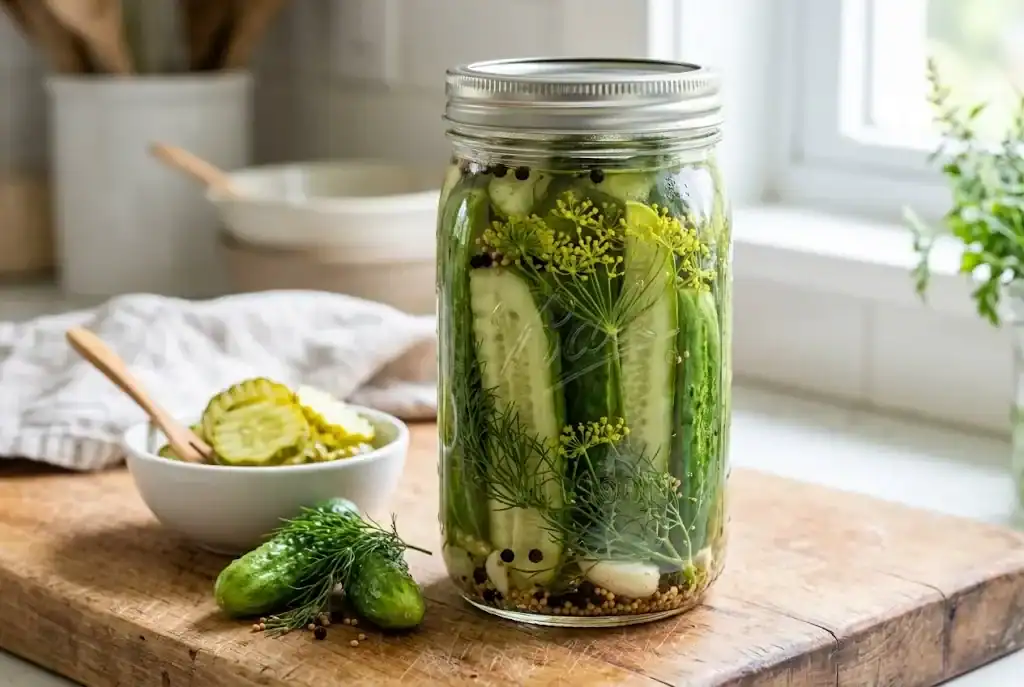
Crisp and Zippy Quick Refrigerator Dill Pickles
You can make crunchy dill pickles without any canning equipment by using a simple refrigerator brine.
Slice four pickling cucumbers into spears and pack them into a clean quart glass jar with three crushed garlic cloves, a teaspoon of black peppercorns, half a teaspoon of mustard seeds, and four large sprigs of fresh dill. Bring one cup of water, one cup of white vinegar, and one tablespoon of pickling salt to a simmer until dissolved. Pour the hot liquid over the cucumbers, seal the jar, let cool, and refrigerate for twenty-four hours before eating.
Savory Farro Grain Bowl with Roasted Summer Squash and Carrots
Whole grains and roasted vegetables provide a hearty base for fresh herbal dressings.
Cook one cup of farro in salted water until tender, drain, and place in a large bowl. Toss diced zucchini and sliced carrots with olive oil, salt, and pepper, then roast at 400 degrees Fahrenheit for twenty minutes until lightly browned. Combine the roasted vegetables with the warm farro, baby spinach, and crumbled feta. Drizzle with a vinaigrette of olive oil, lemon juice, minced garlic, and a generous handful of chopped dill and fresh tarragon.
Nordic Smoked Trout Spread and Herbed Potato Pancakes
In Scandinavian cooking, fresh herbs are widely used to balance rich smoked seafood and potato dishes.
To prepare a simple smoked trout spread, flake eight ounces of smoked trout into a bowl with four ounces of softened cream cheese, two tablespoons of Greek yogurt, a squeeze of lemon juice, and a third cup of finely chopped dill. Mix until spreadable and serve on rye crackers, toasted bread, or warm potato pancakes.
Frequently Asked Questions About Cooking with Dill
Can I substitute dried dill for the fresh herb in recipes?
Yes, dried dill weed can be used in cooked dishes like soups, stews, and casseroles. Use one teaspoon of dried seasoning for every tablespoon of fresh herb. Avoid using dried seasonings in raw salads or cold sauces where the crisp texture and aroma are needed.
What parts of the dill plant are edible?
The entire plant is edible. The feathery leaves offer a mild herbal flavor for salads and dressings. The yellow flower heads provide a concentrated aroma for pickling, and the mature seeds have a warm, pungent flavor great for breads and braises.
How can I preserve extra harvested dill before it spoils?
Freezing is the most effective way to preserve extra fresh sprigs. Wash and dry the leaves thoroughly, chop them, and freeze them in airtight freezer bags or in ice cube trays with a small amount of olive oil.
What flavors and ingredients pair best with dill?
Dill pairs well with dairy products like Greek yogurt, sour cream, butter, and feta. It complements seafood including trout, and shrimp, as well as potatoes, carrots, and lemon.