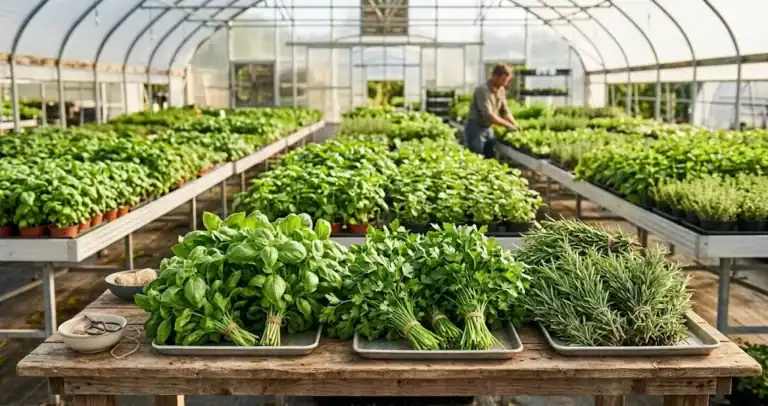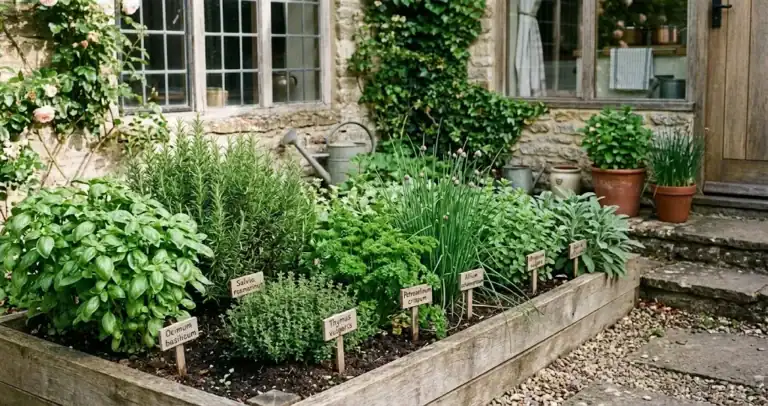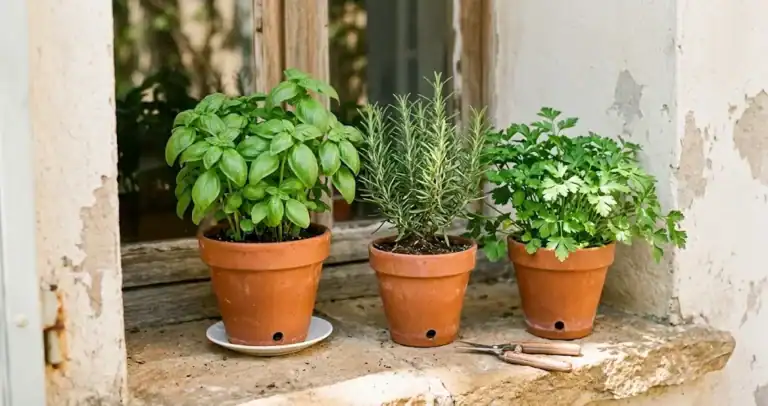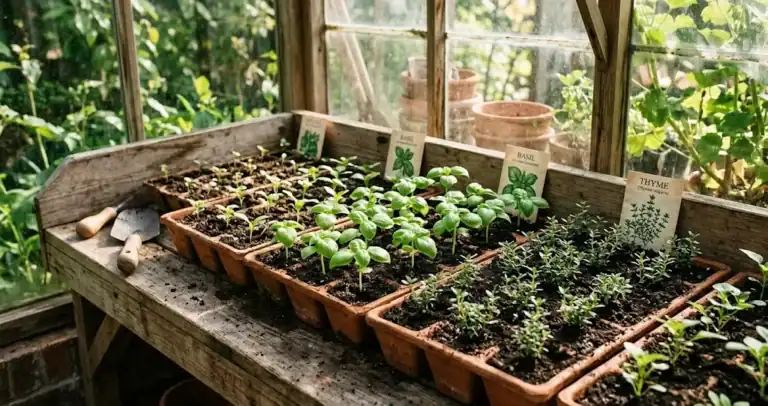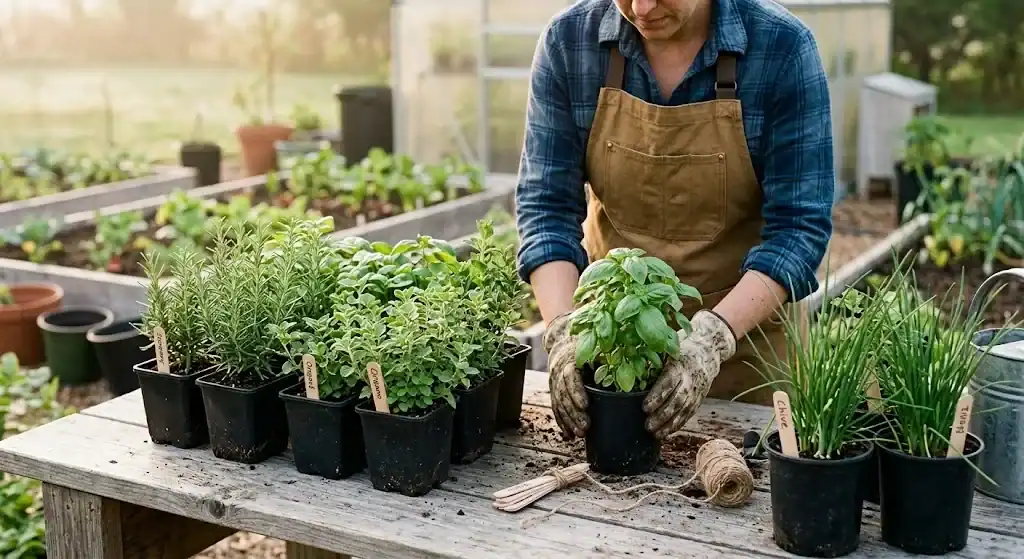
Growing herbs can make money, but a productive plant is only the beginning. A small grower needs customers, a reliable picking routine, and prices that cover the work. The most useful first goal is not a large herb farm. It is one crop and one sales channel that you can manage well.
Start with buyers, then choose the herbs. A chef may need summer cooking staples every week. A local market may reward attractive potted rosemary, oregano, and chive plants. Home cooks may buy a small bunch of coriander leaf, dill, and kitchen bundles when they know how to use them. Matching the crop to a real customer gives you a much better chance of earning farm income.
Can you make money growing herbs?
Yes. Growing herbs for profit can be workable on a small scale when you grow what people already want and protect quality after cutting. It is not guaranteed income. Weather, labor, local demand, market fees, spoilage, and the price of supplies all affect the result. Treat the first season as a measured business test, not a promise that every plant will pay for itself.
Ask who will buy your herbs next week. A local restaurant, farmers market shopper, nursery customer, farm stand, and online marketplace have different needs. Restaurants may value a dependable weekly pack of freshly cut culinary herbs. Gardeners may prefer live plants. A direct-to-consumer customer may want a labeled bundle with a storage tip and recipe idea.
For the broader framework behind crop choices and sales, see our guide to growing and selling marketable herbs.
Choose herbs with demand and a production fit
The best herbs to grow are the ones that fit your climate, space, skills, and market. Some warm-season herbs are easy to recognize and often sell well, but they need warmth and frequent harvests. Flat-leaf parsley, coriander leaf, dill, chives, and mint can give a quick crop, while rosemary, oregano, sage, and thyme are perennial herbs that may suit potted sales or dried herbs once established.
- Fresh-cut herbs: basil, chives, and rosemary suit home cooks and chefs when you can harvest close to delivery.
- Herb plants: potted basil, rosemary, oregano, and thyme can sell during spring and early summer to gardeners.
- Dried herbs: oregano, sage, rosemary, and thyme may extend the sales season if you have a clean drying, packaging, and labeling process.
- Specialty crops: calendula flowers, edible flowers, lavender, tea herbs, and bouquet material can be useful only after you confirm a customer and local rules.
Researching which herbs sell best in your area is more valuable than copying a national list. Visit a local market, ask a chef what runs short, and notice which herb plants disappear first at a nursery. Growers often find that a modest, steady supply of fresh basil is better than a broad collection of unusual crops with no buyer.
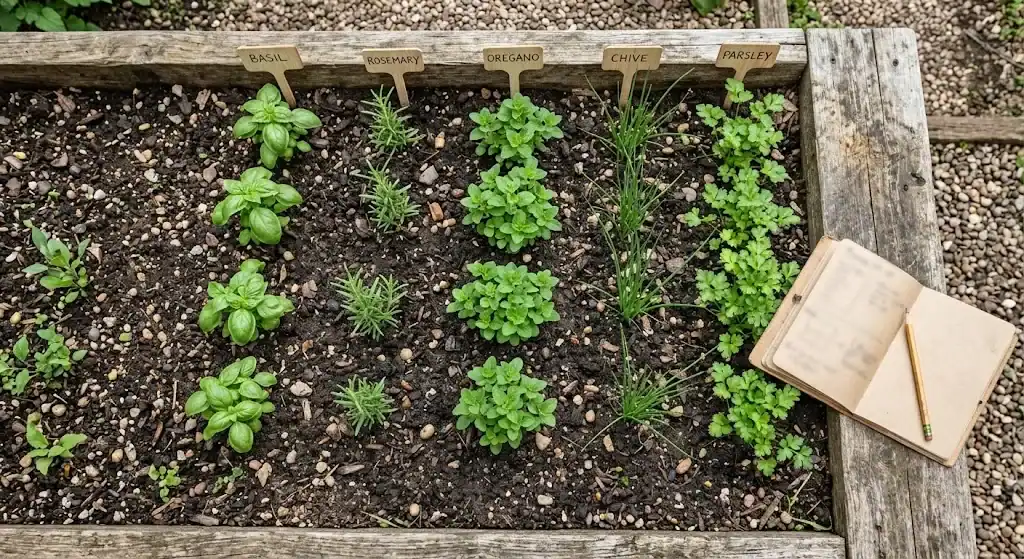
Pick a product before you plant at scale
Fresh bunches, live plants, dried herbs, and herb products each need a different system. Fresh-cut herbs need clean collection containers, rapid cooling, and consistent delivery. Potted plants need healthy roots, good potting mix, labels, and watering during market days. Dried herbs need appropriate food-safety practices and space to dry evenly. Value-added products can add income, but they also bring extra packaging, insurance, and regulatory responsibilities.
Choose one clear offer at first. You could sell a weekly mixed bunch to home cooks, a crate of just-cut basil to a local restaurant, or a small collection of herb plants at a weekend market. A narrow offer helps you learn the true cost, the picking time, and the level of demand before you expand.
If you plan to sell a botanical blend or products made from medicinal herbs, check local food, labeling, and business rules before you begin. Do not use medical claims to market an herb product. A culinary use or traditional use is not evidence that a product can treat a health condition.
Calculate the full cost before setting prices
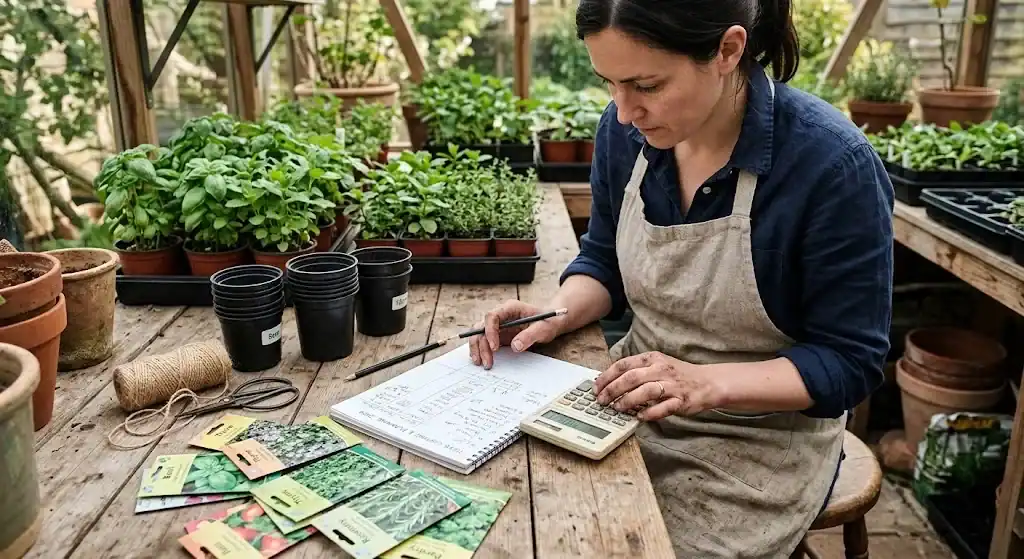
Revenue is not profit. Track seed, starts, trays, potting mix, compost, organic fertilizers, mulch, irrigation, containers, labels, packaging, transport, payment processing, market fees, and labor. A grower can sell a high-quality product and still lose money if a crop takes too long to cut, wash, bunch, and deliver.
For each product, add the crop costs and divide by the number of saleable bunches, pots, or packets. Then add a realistic amount for your time. Compare that figure with the prices at your local market and with wholesale prices from nearby suppliers. A restaurant may expect a lower price than a retail shopper because it must make a margin too.
Keep a simple record after every sale: what you grew, what you sold fresh, what spoiled, how long picking took, and what customers asked for. These notes reveal which crops to grow again, which need a higher price, and which are not worth replanting.
Build a picking routine that protects quality
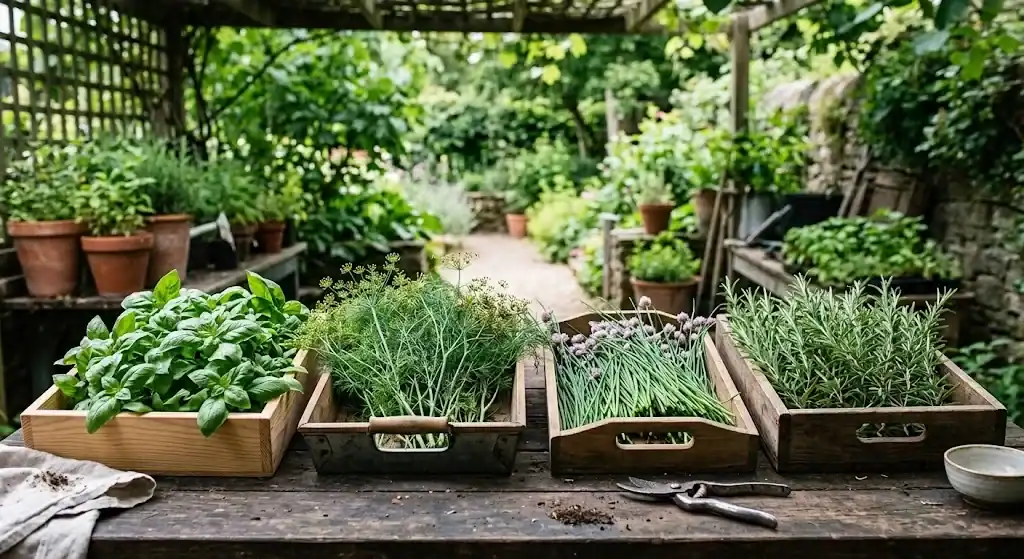
Herbs are perishable. Pick in the cool part of the day, remove damaged leaves, use clean tools, and keep produce out of direct sun. Just-cut basil, tender leaves, coriander leaf, and dill need careful handling if you want home cooks and chefs to come back. Deliver on time and communicate early if a weather problem affects supply.
Plan succession sowings for fast annual crops. Warm-season crops, coriander leaf, and dill can bolt or slow down in difficult weather, so one planting rarely supplies a full season. Keep a reasonable amount of seed on hand and replant before the first bed is exhausted. A small greenhouse production area can help some growers extend the season, but it adds cost and management.
Choose a sales channel that fits your scale
An open-air market offers direct contact and retail prices, but it also requires travel, setup, market fees, and a full day away from the garden. Direct sales to consumers can build loyal customers, while local restaurants may provide repeat orders when you meet their quality and timing needs. Farm stands, CSA boxes, florists, garden centers, and online marketplaces can be useful options in the right area.
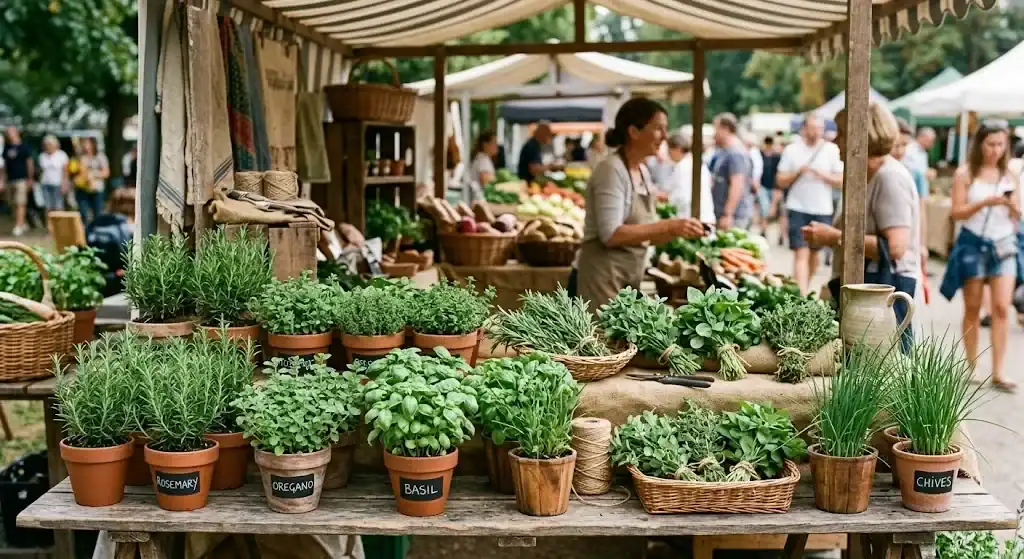
Test one channel before adding another. Take a small, polished range to a market, or approach one restaurant with an honest availability list. Include the herb, pack size, price, and delivery day. Reliability matters more than a long list of crops you cannot supply. If a customer orders rosemary and you only have basil, do not substitute without asking.
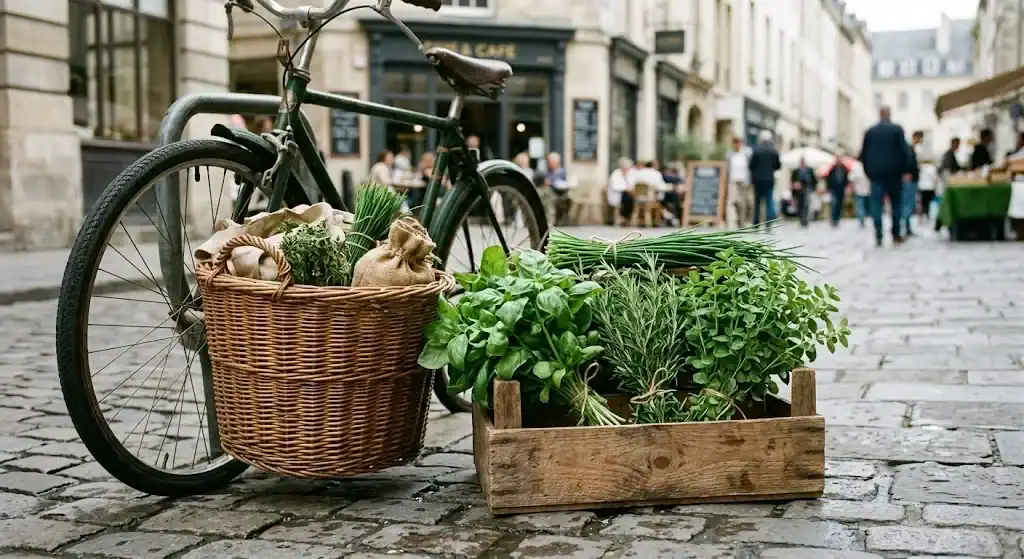
For a complementary business angle, read how to make an herb patch pay. Use it as a prompt to compare options, not as a reason to expand before your own records support the decision.
Market your herbs with useful information
Clear labels and helpful conversation can turn a first-time buyer into a regular customer. State the herb name, price, and a simple storage tip. Tell a shopper whether fresh basil is best added late in cooking, or whether rosemary is suitable for roasting. A small recipe card can help customers try an unfamiliar herb and return for more.
For restaurants, send the same short availability list each week. For direct sales, invite buyers to a permission-based email list for crop updates. Do not promise a crop that has not reached a reliable stage. Good communication protects a small business when peak season changes quickly.
Make a first-season herb business plan
- Talk with at least five potential buyers before planting a large area.
- Choose three to five herbs that fit your growing conditions and customer demand.
- Decide whether you will sell cut-herb bunches, herb plants, dried herbs, or one other product.
- Set a small production target, track every expense, and record every sale.
- Review the crop after the season before you add more beds, products, or markets.
You do not need a large area to begin. Containers, a small herb garden, or a few beds can teach you a great deal about pricing, picking timing, and customer preferences. Starting small also makes it easier to maintain a good supply of fresh herbs instead of creating waste.
Common mistakes that cut into profit
- Planting a large crop before confirming local demand.
- Trying to sell too many specific herbs with no picking schedule.
- Ignoring packaging, delivery, labor, and market fees.
- Letting cut bunches sit warm after harvest.
- Using unsupported health or medicinal properties as a sales claim.
- Adding value-added products before checking local requirements.
Local networks can help with practical questions about marketing, events, and production. Look for herb growing and marketing associations that serve your region or business type.
FAQ
Which herbs are most profitable to grow?
Basil, rosemary, dill, chives, oregano, and thyme are common starting points because customers recognize them. Profit depends on your local market, production cost, and whether you sell as fresh bunches, dried herbs, or herb plants.
How much money can you make growing herbs?
There is no dependable single figure. Income varies with yields, local prices, labor, losses, and sales channels. Your own records should show whether a crop covers its full cost and deserves more space next season.
Can a small grower sell herbs to restaurants?
Yes, if you can provide consistent quality, an agreed pack size, and dependable delivery. Start with one or two restaurants and a short availability list instead of promising every herb all season.
Start with a buyer, then grow
The most practical way to make money growing herbs is to begin small, solve a real customer need, and measure the result. Choose crops you can grow well, protect quality, price from your true costs, and expand only after one product and one market are working. That approach gives a new grower useful information and a better chance of sustainable farm income.