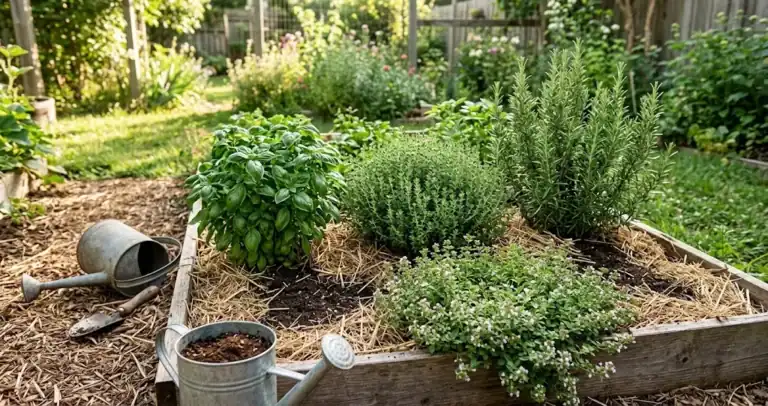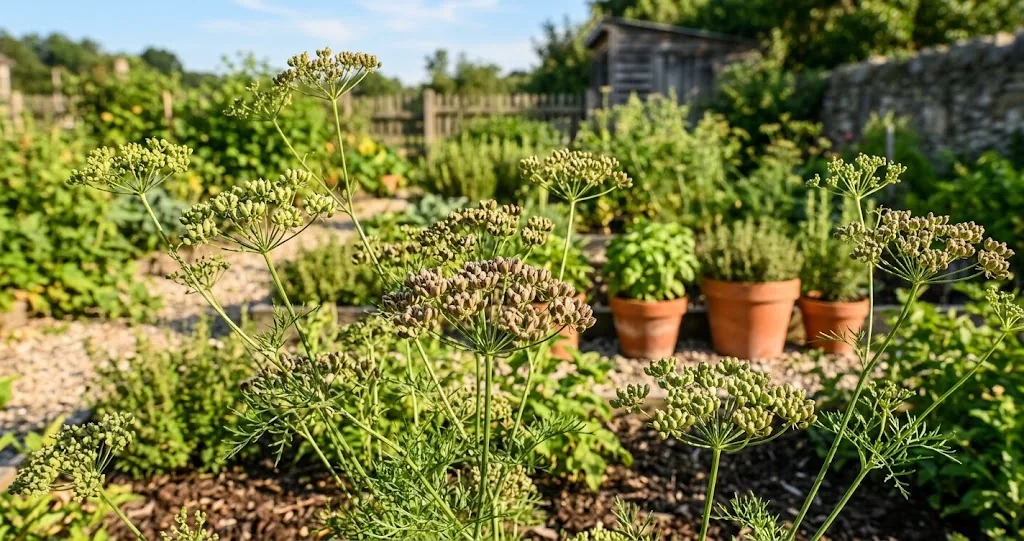
Few garden aromas compare to the warm, sweet fragrance of ripening anise seed on a late summer afternoon. Growing an anise plant (Pimpinella anisum) rewards the home gardener with delicate lacy foliage, pollinator-friendly white flower heads, and intensely aromatic seeds that elevate breads, stews, and herbal drinks. Because anise is a delicate annual herb that requires roughly 100 to 120 warm days to mature from a tender spring seedling, timing your seed collection requires a watchful eye. Gathering seed umbels too early leaves you with shriveled, flavorless seeds, while waiting too long invites autumn winds and hungry birds to scatter the prize across the soil.
Whether you grow anise in a dedicated herb plot or interplant it among vegetables, understanding when and how to collect the seed heads ensures you preserve every drop of its prized essential oil. With a pair of sharp garden shears, a few clean paper bags, and an airy spot to cure the cuttings indoors, you can stock your pantry with homegrown aniseed that surpasses any store-bought container in flavor and aroma.
When to harvest anise seeds
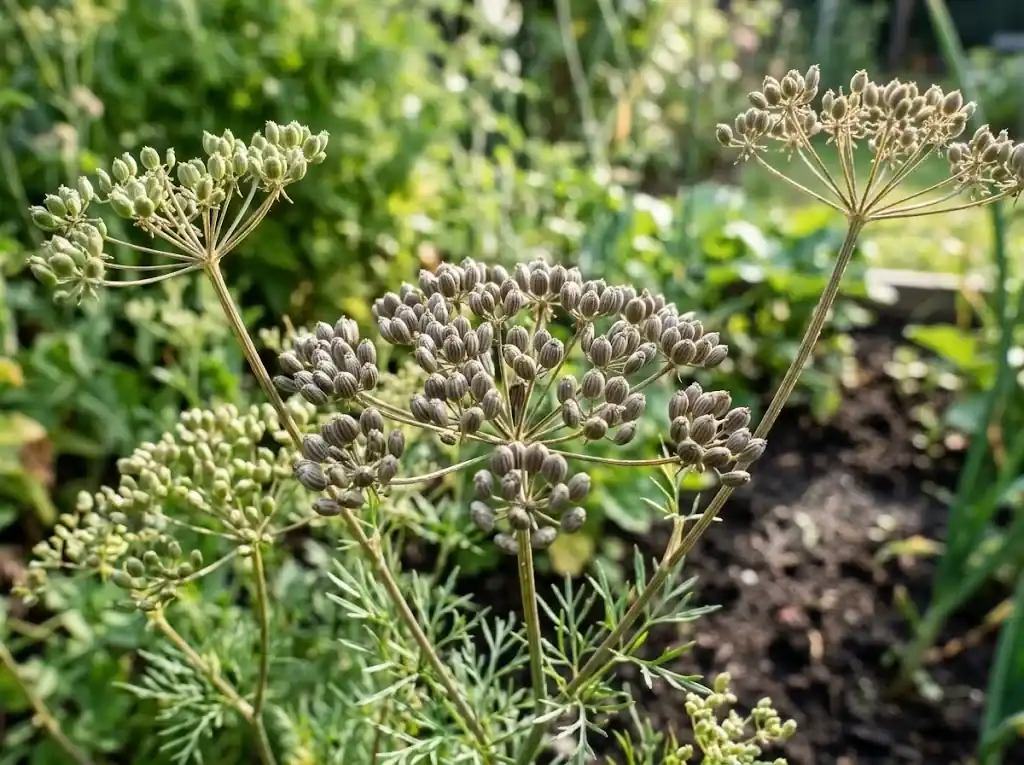
The primary signal that anise is ready for collection appears in late summer or early autumn. After the crop completes its flowering cycle, the clusters of tiny white flowers transform into small, ribbed green seed heads known botanically as umbels. As the seeds mature, their color shifts gradually from bright green to an earthy greyish-brown. Wait until the majority of seeds on an individual umbel have lost their green hue before cutting.
You can test readiness by gently rubbing a seed head between your fingers. Ripe seeds detach easily from their tiny stalks without crushing into a wet paste. If the seeds feel soft, moist, or cling stubbornly to the stem, give the crop another week of sunshine. When managing a diverse herb garden, tracking maturity stages alongside our broader guidelines for harvesting herbs helps you schedule autumn cuttings before the first frost arrives.
Tools and preparation for seed collection
Gathering delicate seed umbels requires minimal equipment, but cleanliness and dryness are essential:
- Pruning shears: Use clean, sharp bypass pruners or floral shears to make clean cuts without shaking loose ripe seeds.
- Brown paper bags: Standard lunch-sized paper bags catch loose seeds as the umbels dry and protect the gathered crop from dust and sunlight.
- Cotton twine: Simple kitchen string secures small bundles of stems without crushing plant tissue.
- Collection tray: A shallow rimmed tray or wide basket held beneath the stems catches any early fallers while you cut.
Always plan your garden gathering for a clear, sunny morning after the morning dew has completely evaporated. Cutting damp seed heads traps moisture inside the drying bags, creating prime conditions for mildew and rot that can ruin your yield.
Step-by-step guide to cutting and collecting seed heads
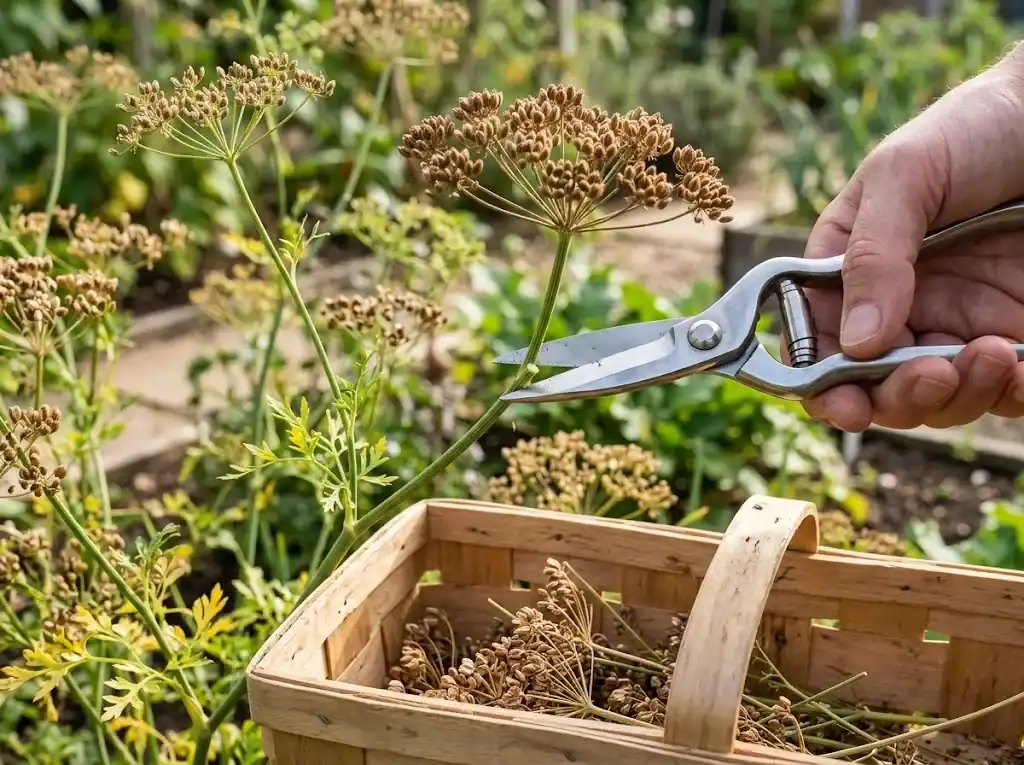
Careful handling in the garden bed prevents seed loss while you work. Follow these steps to collect your anise umbels:
- Inspect the plants individually: Anise umbels do not all ripen at the exact same moment. The central, primary flower cluster ripens first, followed days or weeks later by secondary side shoots. Cut only those heads displaying the characteristic brown tint.
- Position your tray: Hold a collection tray or paper bag directly beneath the target umbel to catch the seeds that drop during handling.
- Cut with stem attached: Use your garden snips to sever the stalk about four to six inches below the seed cluster. Leaving several inches of stem provides an anchor for bundling and hanging.
- Group into small bundles: Gather four to six stems together. Keep bundles small so air can circulate freely around every seed head during curing.
How to dry and clean aniseed in your home
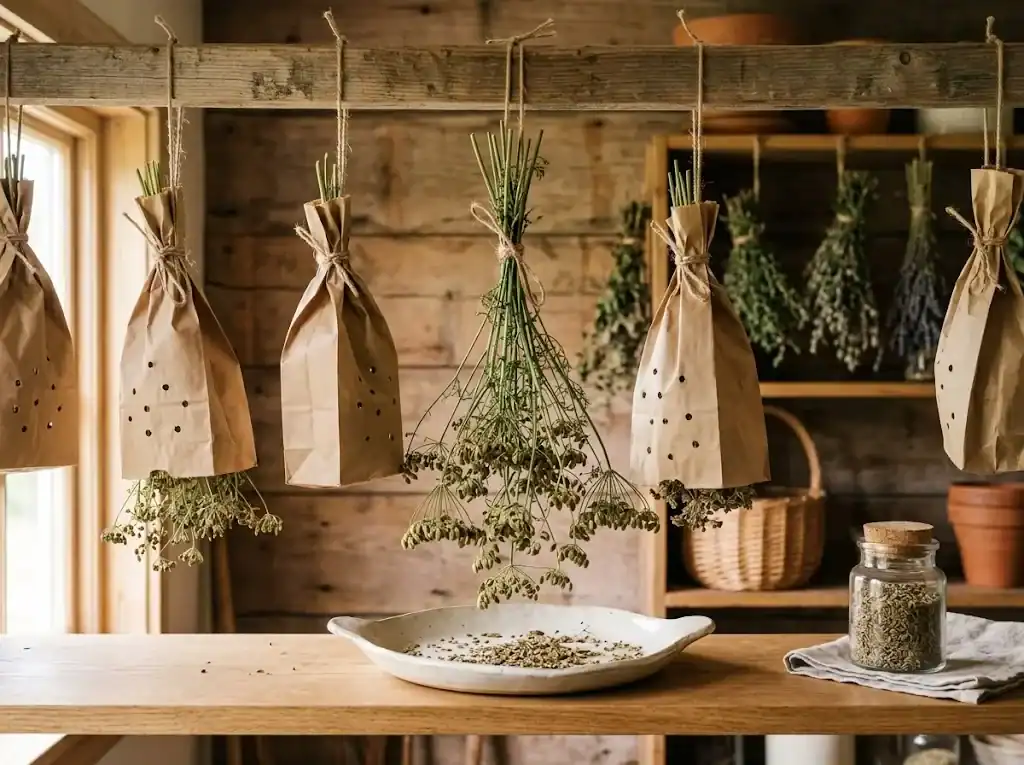
Once you bring the cut umbels inside, the curing process draws out residual moisture so the seeds remain shelf-stable for years. Place an inverted paper bag over the flower heads of each bundle, gather the open end around the stems, and tie the flowers together securely with twine. Punch several small ventilation holes in the sides of the bag to encourage continuous airflow.
Hang the tied bundles upside down in a cool, dark, and well-ventilated pantry, closet, or attic room. Avoid hot attics or damp basements. Over the next ten to fourteen days, the remaining plant moisture evaporates, and mature seeds will naturally fall to the bottom of the bag. You can also separate individual umbels and spread them in a single layer across a mesh drying screen placed away from direct sunlight.
When the seed heads are crisp and brittle, take the stems and rub them gently between your palms over a wide bowl to release any remaining seeds. To clean the batch, pour the mixture of seeds and small dried stems from one bowl to another outdoors on a lightly breezy day, or gently blow across the bowl to separate and carry away the chaff. Sifting the seeds through a medium kitchen sieve leaves you with clean, pure aniseed.
How to store anise seeds for lasting flavor
Before packing your yield into storage containers, verify that the seeds are completely dry. Press an anise seed firmly against a hard cutting board with your thumbnail. A properly dried seed remains rock hard and cracks under pressure; if it flattens, indents, or feels leathery, spread the batch on a paper towel to cure inside for another few days.
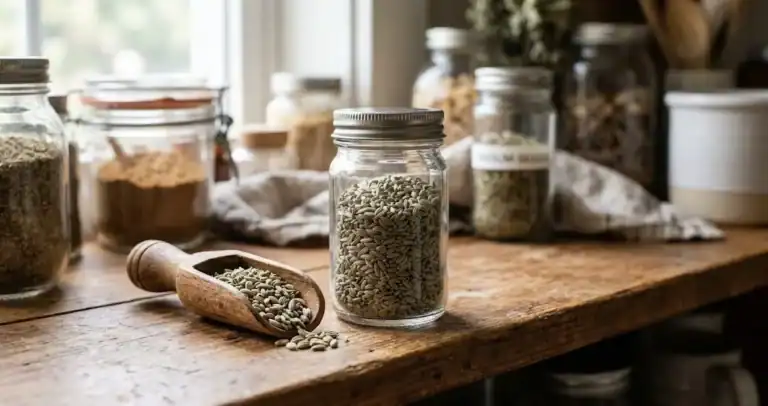
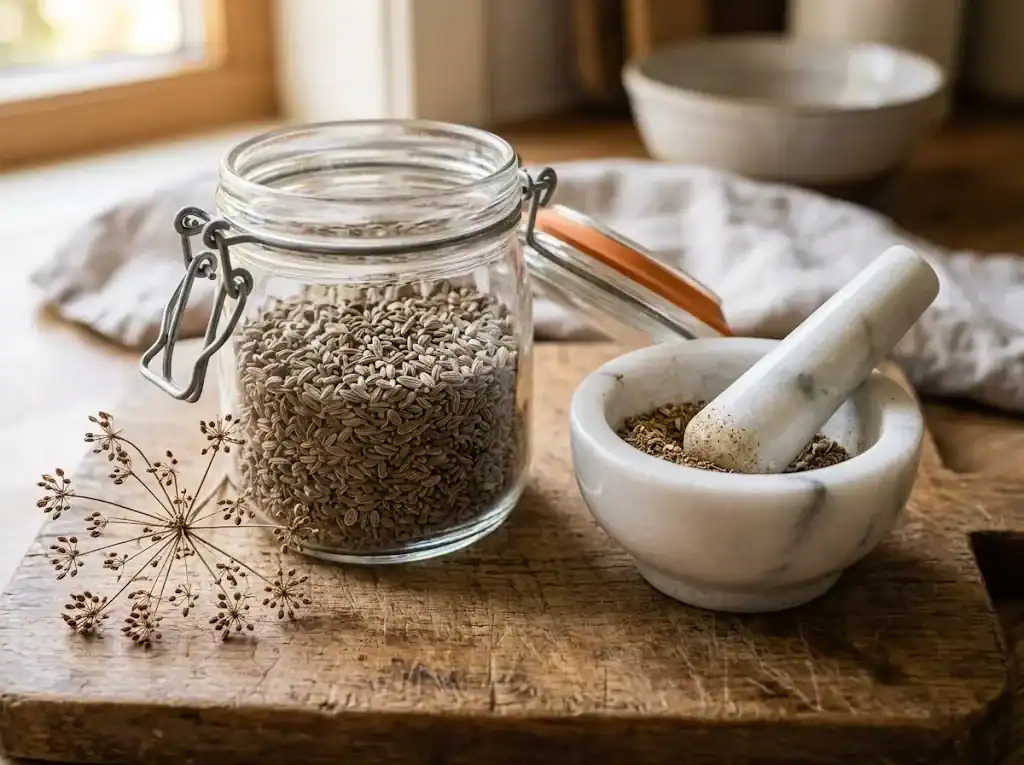
Once verified dry, transfer the seeds into an airtight glass jar with an intact rubber or silicone gasket. Metal tins also work well, provided the lid seals tightly against ambient humidity. Label the container with the date and keep it in a dark cabinet away from the stove, oven, and direct sunlight. Whole seeds retain their pungent licorice flavor and essential oils for two to three years. For more tips on maintaining seed quality and alternative curing methods, explore our detailed methods for storing anise.
Using homegrown anise seeds in the kitchen
The distinctive aroma of anise comes primarily from anethole, a naturally occurring volatile oil that delivers a sweet herbal aroma similar to fennel seeds and French tarragon. In the kitchen, whole or ground aniseed adds depth to both sweet and savory dishes.
Grind small portions in a mortar and pestle just before adding them to traditional Italian biscotti, Greek holiday breads, or spiced apple compote. In savory cooking, a pinch of crushed anise enhances braised red cabbage, root vegetable soups, and slow-cooked meat stews. You can also steep half a teaspoon of lightly crushed seeds in boiling water to create a soothing, fragrant herbal tea. When you are ready to experiment with fresh culinary recipes, review our guide to creative ways to cook with anise.
Botanical distinctions and garden safety
Anise (Pimpinella anisum) belongs to the Apiaceae family, which includes familiar culinary crops like carrots, parsley, celery, and dill. It features distinctive rounded basal leaves and finely divided, feathery upper foliage. It is completely distinct from Chinese star anise (Illicium verum), which is an evergreen tree native to northeast Vietnam and southwest China that produces star-shaped woody seed pods.
Because the Apiaceae family also contains dangerously toxic wild plants such as poison hemlock (Conium maculatum) and fool’s parsley (Aethusa cynapium), home gardeners should harvest seeds only from plants they sow directly from verified seed packets in their own beds. True anise foliage and crushed seeds emit a characteristic sweet aroma, unlike the foul, mousy odor of poison hemlock. Botanists at the Missouri Botanical Garden Plant Finder provide detailed anatomical records of Pimpinella anisum morphology. In clinical phytotherapy, peer-reviewed botanical evaluations indexed by the National Institutes of Health PMC database document the chemical composition and traditional aromatic profile of aniseed.
Frequently asked questions about anise seeds
Can you collect anise seeds when they are still green?
You should avoid picking anise seeds while they are bright green. Immature seeds have not developed their full concentration of essential oils, meaning they lack flavor and tend to shrivel rather than cure during drying. However, if a hard killing frost threatens your garden, you can snip umbels that have just begun shifting from green to greyish-tan, as they will continue ripening slightly as the stems dry in a sheltered space.
How long does it take for anise to go from seed to maturity?
Anise requires approximately 100 to 120 frost-free days from sowing to final seed maturity. In regions with short growing seasons, you can start seed indoors in biodegradable peat or paper pots three to four weeks before the last expected spring frost, taking care not to disturb the sensitive taproot during transplanting.
Why are my anise plants falling over before seed maturity?
Mature anise plants often reach two feet in height with slender, delicate stems that can become top-heavy as seed clusters form. Heavy summer rainfall or wind can cause unprotected plants to lodge. Staking stems early or planting in dense groupings sheltered from strong winds keeps flower heads upright and off damp soil.