This herb rewards a quick, confident hand in the kitchen. The leaves carry the warm, slightly sweet backbone of regular basil with a bright, almost citrusy lift, and that hint of citrus shows up the moment they hit a hot pan. Snip a few stems at the end of the meal, drop them into olive oil, and the dish smells finished before you have even reached for the salt. Once you know what lemon basil is good for, a small handful can carry a simple bowl of pasta, a glass of iced tea, or a tray of grilled vegetables.
If you grow it or spot it at a farmers market, this guide is a useful starting point. The rest of the article covers how to choose, prep, and pair the leaves, with practical techniques you can reach for any night of the week. For a deeper look at what this herb shares with other culinary herbs, our overview of herbs worth cooking with rounds out the picture.

What lemon basil actually tastes like
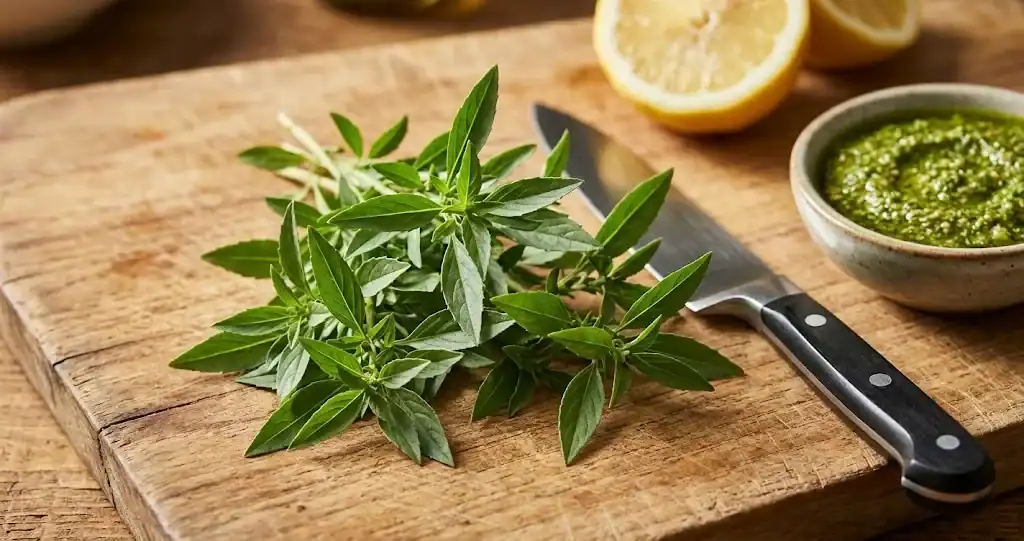
Lemon basil, sometimes labeled Thai lemon basil or hoary basil, is Ocimum x citriodorum. The aroma is closer to fresh zest than to a squeeze of juice. Compared with sweet or Genovese basil, the citrus note is forward and the anise-like undertones are softer. It is a summery herb with a slightly lemony character that pairs especially well with seafood, chicken, vegetables, fruit, and cream-based sauces.
Fresh leaves give the strongest flavor. If you only have access to dried, use a third of the volume and add it early so the flavor has time to bloom in the oil or sauce. For finishing, run a microplane over a chilled, unwaxed citrus fruit just before serving.
How to prep the leaves for cooking
Most recipes call for a gentle touch. Wash the stems under cool water, pat them dry, and pull the leaves off by hand or with a small snip. Tear or roughly chop them just before they go into the dish. A sharp knife on a soft leaf bruises it, and bruised leaves turn black at the edges.
Save the cleanest stems for a quick steep. Drop them into a jar of olive oil or a pot of simmering broth, and the oil or broth picks up the aroma without any chopping. Discard the stems after 20 minutes so the flavor stays clean rather than grassy. A small handful of fresh basil leaves in the same jar adds depth to a vinaigrette.
How to make lemon basil pesto
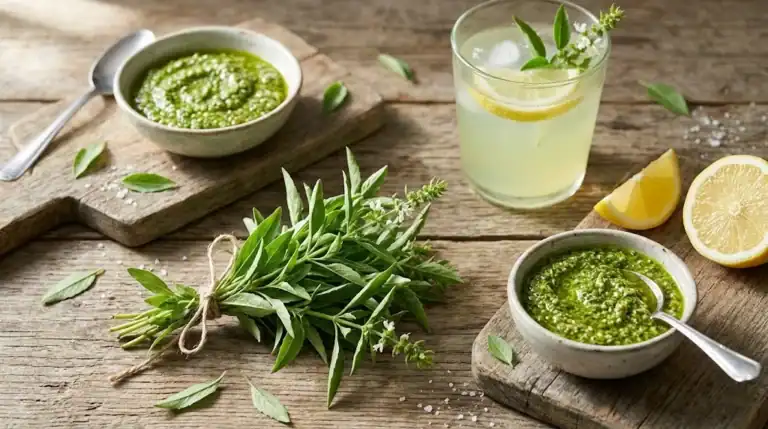
Pesto is the easiest place to start. In a food processor, combine 2 cups of packed lemon basil leaves, a small handful of pine nuts, one grated garlic clove, the zest of one citrus fruit, a tablespoon of lemon juice, a third of a cup of grated cheese, and a generous pour of extra virgin olive oil. Pulse until the mixture is spoonable but not smooth. Taste, season with kosher salt and a few grinds of black pepper, and adjust with more juice if the flavor feels flat.
The pesto keeps for a week in the fridge under a thin layer of olive oil, or you can freeze it in ice cube trays and drop a cube into pasta sauce, soup, or a pan sauce for chicken later. For more on pairing the herb with everyday dishes, our collection of lemon basil recipe ideas covers several ways to put a harvest to work.

Cooking with chicken
For a quick weeknight skillet, season two thin chicken breasts with salt and pepper, then sear them in a tablespoon of butter over medium-high heat for about 4 minutes a side. Transfer the chicken to a plate, lower the heat, and add a splash of broth and the juice of half a citrus fruit to the pan. Stir to lift the browned bits, then tumble a generous handful of torn leaves into the sauce. Spoon the pan sauce over the chicken and serve.
The same approach works with thin cutlets or with bone-in thighs, and the sauce changes the whole plate. If you only have a few stems on hand, bruise them with the back of a knife and steep them in the butter before you start the chicken.
Seafood, vegetables, and grains
This herb is at home next to almost anything that benefits from a hit of bright citrus. Stir torn leaves into an orzo bowl with goat cheese, halved cherry tomatoes, and a drizzle of olive oil, or scatter them over grilled fish or shrimp in the last minute of cooking. They also work well tossed with asparagus, brushed on buttered corn on the cob, or layered into a caprese-style plate with sliced tomatoes and fresh mozzarella.
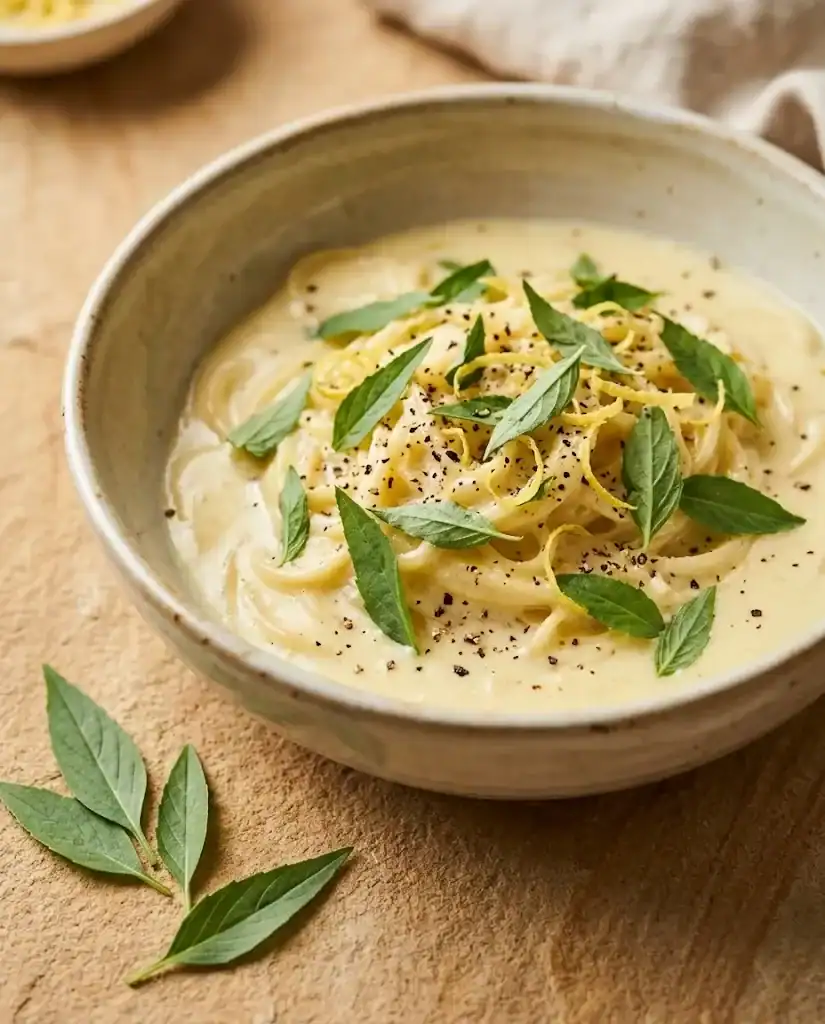
For a creamy lemon pasta, finish a simple cream sauce with juice, zest, and a final handful of leaves just off the heat. The residual warmth softens the leaves and releases the citrusy aroma without cooking it away. A light plate of mixed greens, shaved parmesan, and a squeeze of citrus also benefits from a few torn leaves as a finishing herb.
Drinks and desserts
A small batch of basil syrup is one of the most useful things you can make with a bumper crop. Simmer a cup of sugar with a cup of water until the sugar dissolves, drop in a packed cup of fresh leaves, and let the mixture cool off the heat for 20 minutes. Strain and store the syrup in the fridge. Stir it into lemonade, drizzle it over a fruit salad, or use it to sweeten iced tea.
The herb also pairs well with stone fruit, berries, and citrus desserts. A few torn leaves dropped over a bowl of strawberries and a squeeze of juice wakes up even the sweetest berries.
Substitutes when you cannot find it
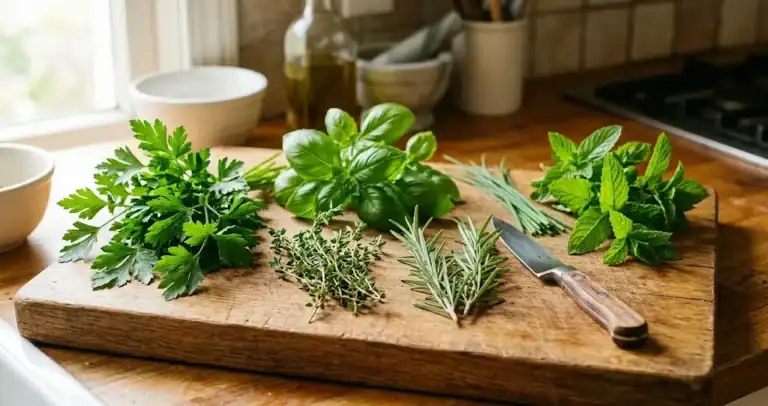
If you cannot find lemon basil, the closest substitute is sweet basil with a strip of citrus zest stirred in at the end. Thai basil is another good option for savory dishes, though it has a more peppery, anise-like note. Dried basil works in cooked sauces, but it never quite matches the bright, summery lift of the fresh leaves, so plan to use it in long-simmered dishes rather than as a finishing herb. Fresh parsley with a small squeeze of citrus is a workable backup for cold dishes.
How to store fresh lemon basil
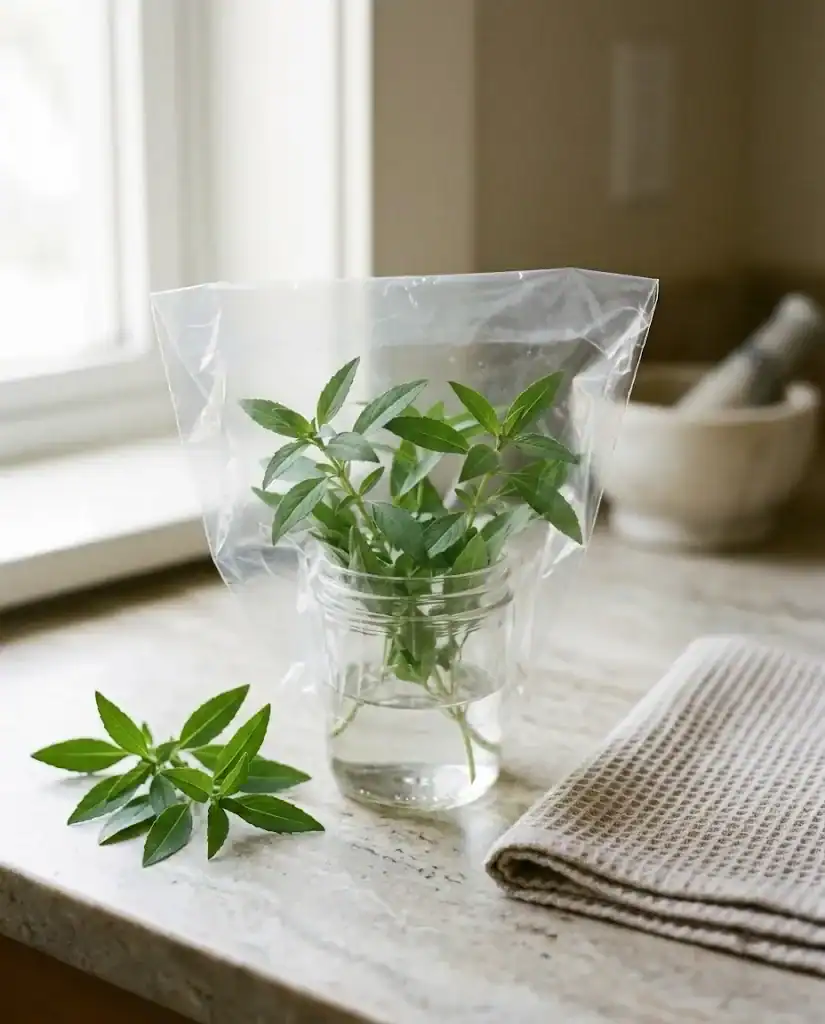
Fresh leaves keep for about a week when the stems are stored in a small jar of water on the counter, loosely covered with a plastic bag, and the water is changed every other day. For longer storage, wrap the leaves in a dry paper towel, slide them into an airtight container, and refrigerate. To keep a harvested batch flavorful across the year, see our guide to storing lemon basil.
Quick ideas to try this week
When you want a place to start, try one of these quick dishes: spoon pesto over grilled fish, fold torn leaves into a tomato and mozzarella plate as a finishing herb, stir a small handful into a creamy lemon pasta just before serving, or muddle a few leaves in a glass of iced lemonade. Each one takes only a few minutes, and each one shows off why a small handful of this herb is worth keeping on the counter.