Lemon basil (Ocimum x citriodorum) rewards a careful cook with a bright, citrus-perfumed leaf that lifts everything from grilled fish to cold summer salads. It also bruises easily, blackens in the cold, and loses its signature perfume faster than sweet basil once it leaves the basil plant. Knowing how to store lemon basil well means choosing the right method for the time you have and treating each leaf gently so its essential oils survive into the pan. Lemon basil belongs to the same family as sweet basil, Thai basil, and holy basil, but its bright lemon note makes it especially rewarding to keep fresh.
The two enemies of stored lemon basil are excess moisture and chill injury. A wet leaf in a sealed bag turns black within a day; a refrigerated leaf below about 50 degrees Fahrenheit darkens from the oils reacting to cold. The best storage plan starts the moment you cut the basil stems and matches the method to whether you want to keep the basil bright for this week, want to preserve fresh basil for the months ahead, or want a stash of pesto cubes ready to drop into winter cooking.
Pick and Prep for the Longest Fridge Life
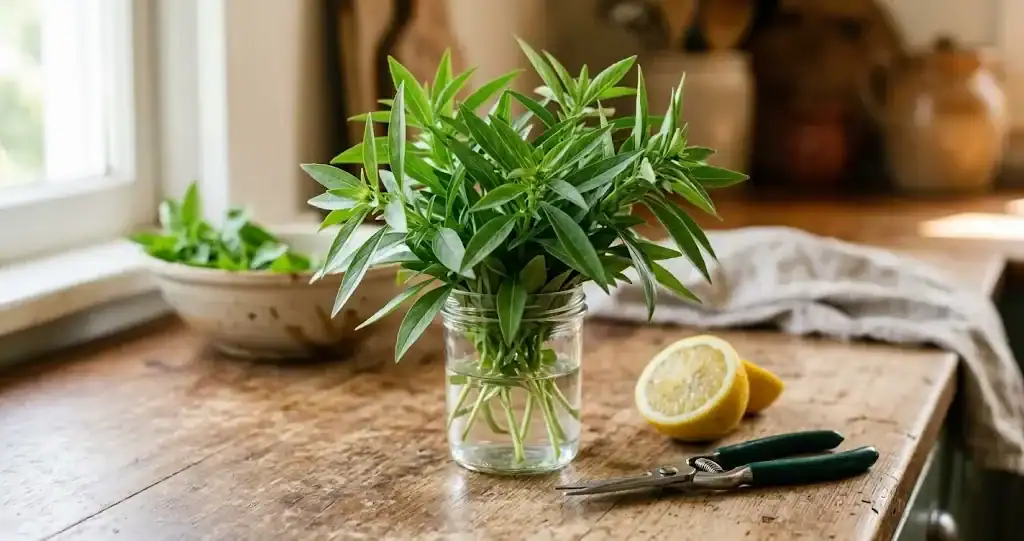
Harvest cuts made in the cool morning keep basil leaves hydrated longer than afternoon cuts, when heat stress has begun to evaporate the volatile oils you want to preserve. Knowing how to harvest lemon basil properly is half the storage job: cut whole stems rather than single leaves, take no more than a third of the basil plant at once, and leave a clean pair of garden snips on the kitchen counter for the next round. A basil harvest at the right time of day keeps fresh herbs of the highest quality, so plan to pick in the morning whenever you can.
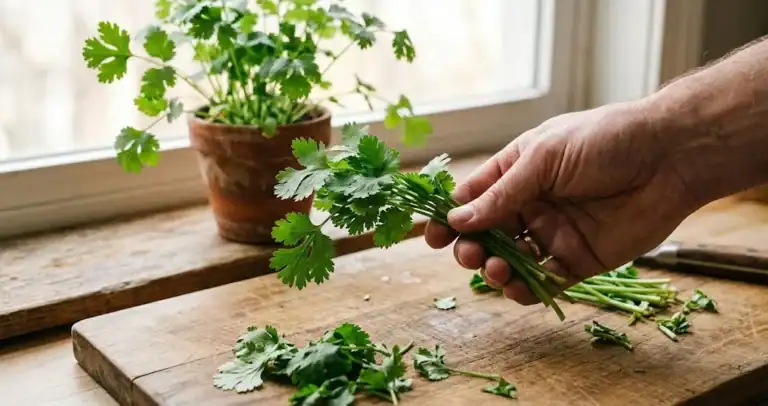
Once you are inside, do not wash the bunch yet. Surface water invites bacterial growth and browning. Instead, gently shake the stems to dislodge any insects or grit, then pat them with a dry cloth if they need extra attention. Decide now how you will store the harvest, because the right next step depends on whether you want to keep fresh basil for this week, freeze basil in cubes for quick winter sauces, or set some aside to dry for seasoning blends. Foliage straight from the garden carries more aroma than anything you buy at the store, so this early care pays off all winter.
Short-Term Storage on the Counter
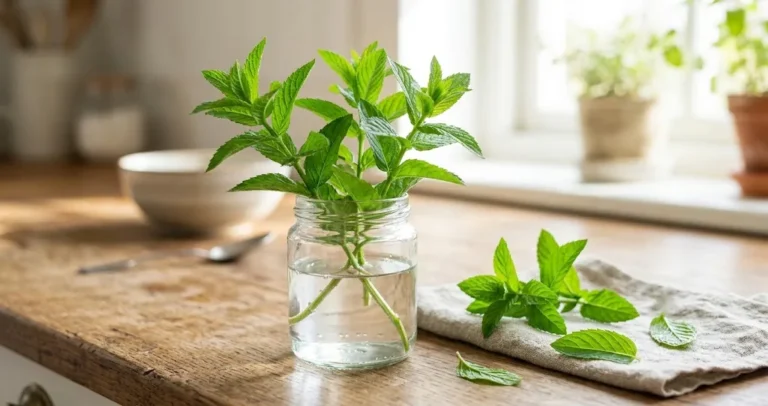
Lemon basil prefers room temperature over refrigeration. Treat cut stems like a small bouquet: trim the base at a slight angle, drop the bundle into a glass with about an inch of water, and slide a loose plastic bag over the top to hold humidity around the foliage without sealing it tight. Set the jar on a cool counter away from direct sun, change the water every other day, and the bunch will stay usable for five to seven days, often longer. The cut basil stems drink steadily, which keeps the foliage firm and full of fresh flavor.
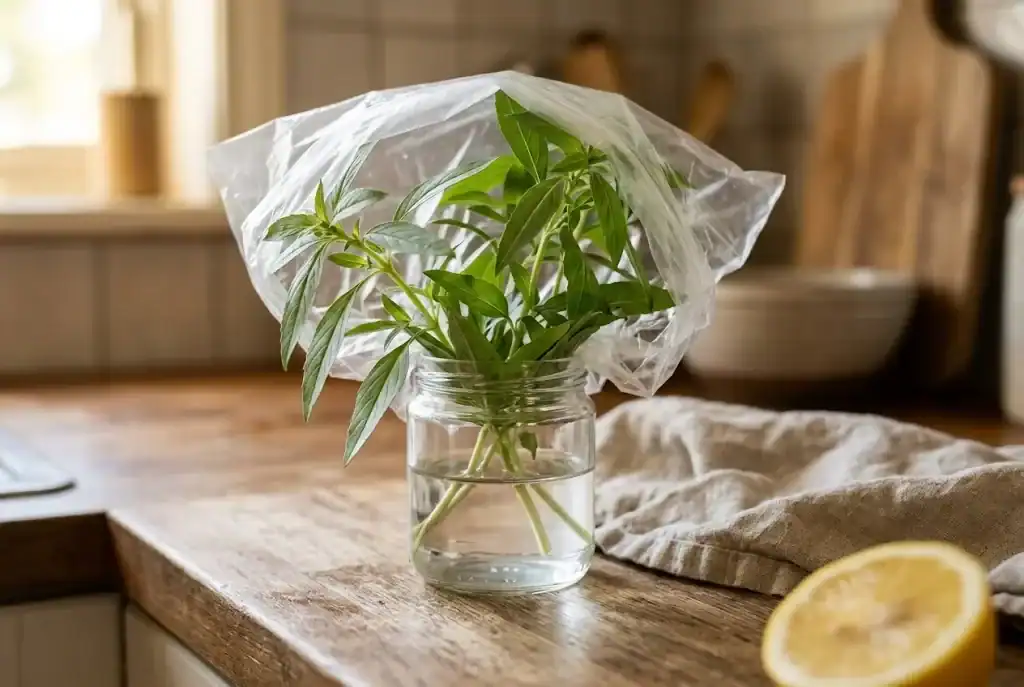
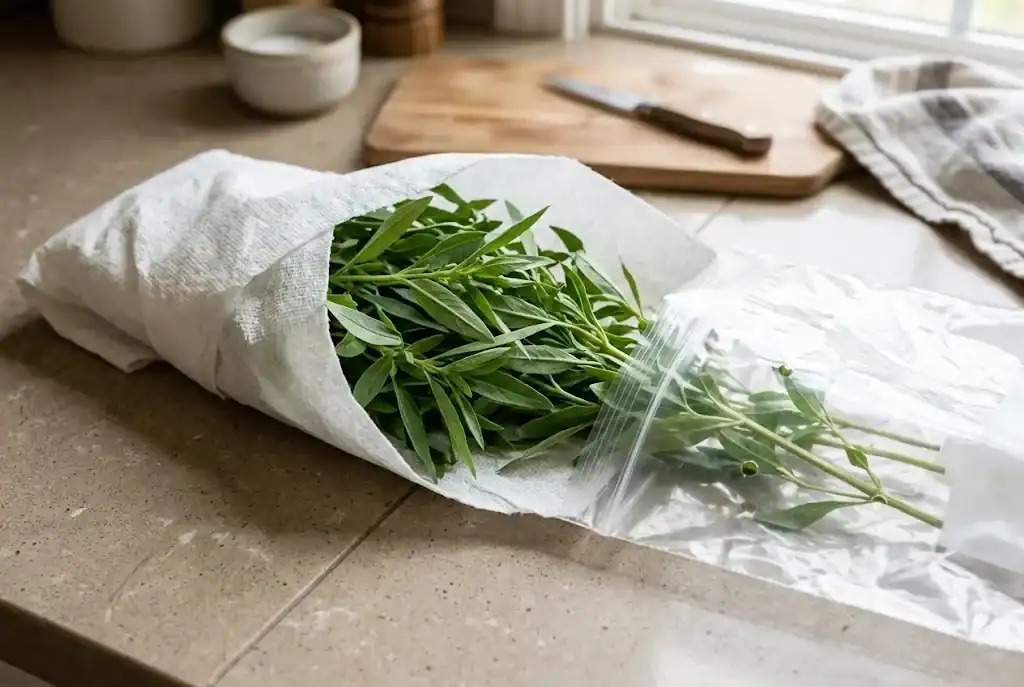
This counter method outperforms the refrigerator for lemon basil because it keeps the foliage at a stable 60 to 70 degrees Fahrenheit, well above the threshold where the foliage begins to darken. If you have only a fridge, fold the unwashed stems in a dry paper towel, place the bundle in a perforated produce bag, and store it in the warmest part of the fridge, usually the door. Even then, plan to use the foliage within three days to keep the bright green color.
Refrigerator Method When You Need Chilled Leaves
Sometimes the recipe calls for cold basil, or the kitchen is simply too warm for the counter jar. In that case, the refrigerator method described above keeps the foliage usable for a couple of days, with a few caveats. Wrap unwashed stems in a barely damp paper towel, slide them into a vented produce bag, and tuck the parcel into the warmest drawer. If you notice the foliage blackening at the edges, move the next batch to the counter. Refrigerator chill is also a helpful step when you have just harvested a lot of any herb and need a holding spot while you decide how to store basil for the longer term.
Freezing Lemon Basil in Olive Oil
For long storage, freeze basil in olive oil for the best results. Puree clean foliage with a light pour of olive oil in a food processor, spoon the mixture into an ice cube tray, freeze until solid, then pop the basil cubes into a labeled freezer bag. Each cube carries enough basil for a skillet of vegetables, a pot of soup, a quick pasta sauce, or a swirl into homemade pesto later in the season. The oil protects the leaves from freezer burn and slows oxidation, so the bright lemon note survives intact.
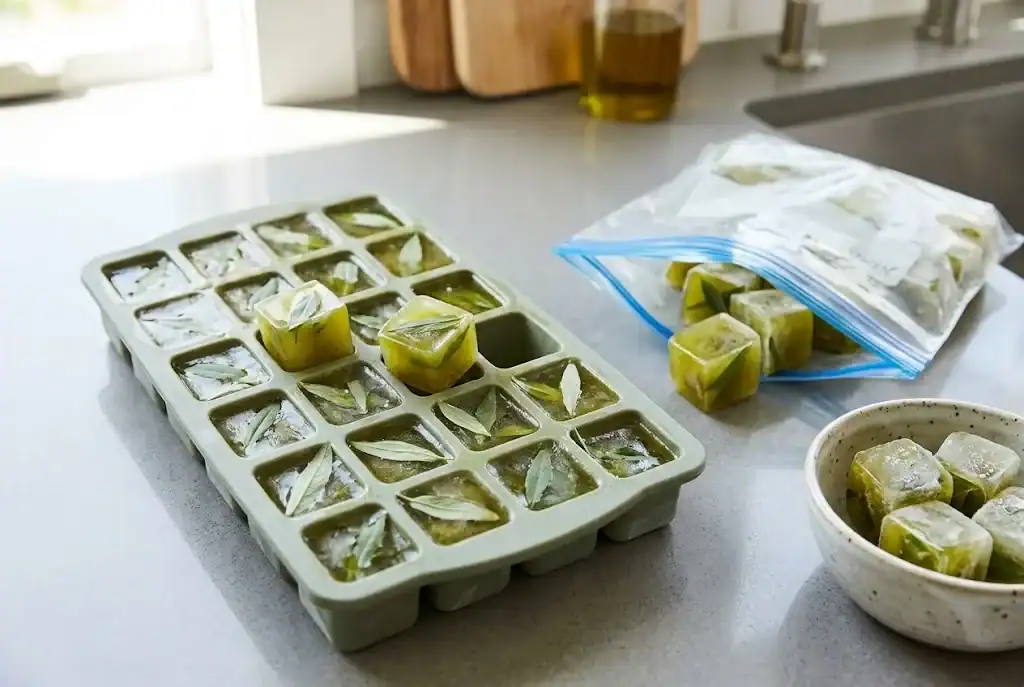
If you would rather make pesto now, blend the basil with olive oil, toasted pine nuts, garlic, and parmesan, then freeze it the same way. Spoon the finished pesto into ice cube trays and freeze until solid before popping the cubes into a freezer bag. Either way, use the frozen cubes within four months for the best aroma. Beyond that, even when the basil leaves look fine, the fresh flavor fades. Pop the basil cubes straight from the freezer into simmering soups, stews, and sauces for an instant lemon-basil lift.
How to Dry Lemon Basil for Seasoning Blends
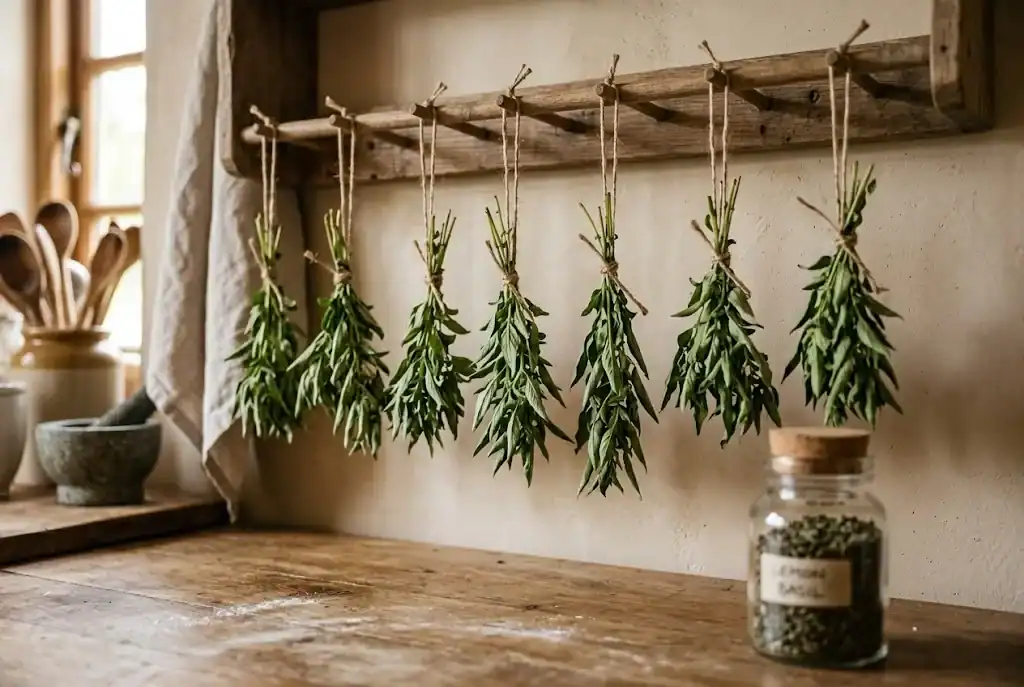
Dried lemon basil loses much of its volatile citrus oil, so the dried form works best in cooked dishes rather than as a finishing herb. Tie small bundles of stems together, hang them upside down in a warm, airy room out of direct sun, and let them cure for one to two weeks until the foliage crackles when touched. Strip the dried basil from the stems and store it whole in a glass jar away from heat and light. Dried basil works especially well in seasoning blends, vinaigrette bases, and slow-simmered stews where its mellow lemon note has time to bloom.
A dehydrator or an oven set to its lowest temperature speeds the process. Spread single layers of clean basil on a mesh tray and dry them at about 100 degrees Fahrenheit until brittle. Crumble the dried basil only at the moment you add it to a dish, since pre-crumbled basil loses its perfume faster than whole dried leaves. Mix the dried lemon basil with sea salt, garlic powder, and lemon zest for a bright seasoning that lifts roasted vegetables, fish, and stews through the colder months.
How to Tell When Lemon Basil Has Gone Bad
Lemon basil has a short window between “still good” and “needs to be composted.” Watch for black or dark brown patches on the foliage, a sticky or slimy surface, and a sour or musty smell where fresh basil should smell bright and lemony. Once these signs appear, the basil will go bad within hours and cannot be rescued by trimming. Wilted but still green and fragrant leaves, on the other hand, can be revived with a quick soak in ice water and used right away.
Freezer burn on stored cubes shows as white or gray patches on the oil surface and a stale, hay-like smell. Cut away the affected portion and taste the rest before committing it to a recipe. The good news is that lemon basil rarely goes bad inside the freezer if it was packed tightly with olive oil in the first place.
Putting Stored Lemon Basil to Work
Stored basil only earns its place if you actually use it, and lemon basil’s flavor profile gives it more room than most cooks realize. Cubes frozen in olive oil slip into Thai-style curries, pasta sauces, salad dressings, and steamed rice. Counter-jar foliage tears into fresh salads, fish garnishes, and quick summer drinks. Dried basil deepens slow-cooked stews and roasted vegetable trays. Once you start reaching for lemon basil through the colder months, you will find reasons to add it everywhere. For more ideas on how to bring this herb into everyday cooking, see these ways to cook with lemon basil.
Frequently Asked Questions About Storing Lemon Basil
How long does fresh lemon basil last in the refrigerator?
Wrapped loosely in a dry paper towel and stored in a perforated produce bag in the warmest part of the fridge, fresh lemon basil lasts two to three days before the foliage begins to darken. The counter-jar method keeps the foliage usable for five to seven days.
Can you freeze lemon basil without blanching?
Yes. Lemon basil freezes well whole on a tray or pureed with olive oil in an ice cube tray. No blanching is needed because the small leaf size and low moisture content preserve color and flavor without the extra step. Pop the cubes straight from the freezer into simmering sauces, soup, or pasta water.
Should you wash lemon basil before storing it?
It is best to wait and wash the foliage just before using them. Surface moisture on stored leaves encourages bacterial growth and browning. If you must wash them, dry the leaves thoroughly with a salad spinner or clean cloth before storing.
Does dried lemon basil still taste lemony?
Only mildly. Drying drives off much of the volatile oil that gives lemon basil its citrus perfume, so dried basil carries mainly a sweet, herby note. For a strong lemon flavor, frozen cubes or freshly picked foliage work far better than dried ones.