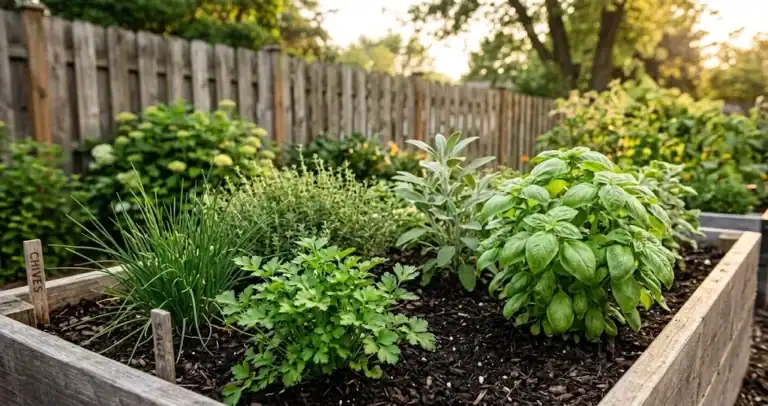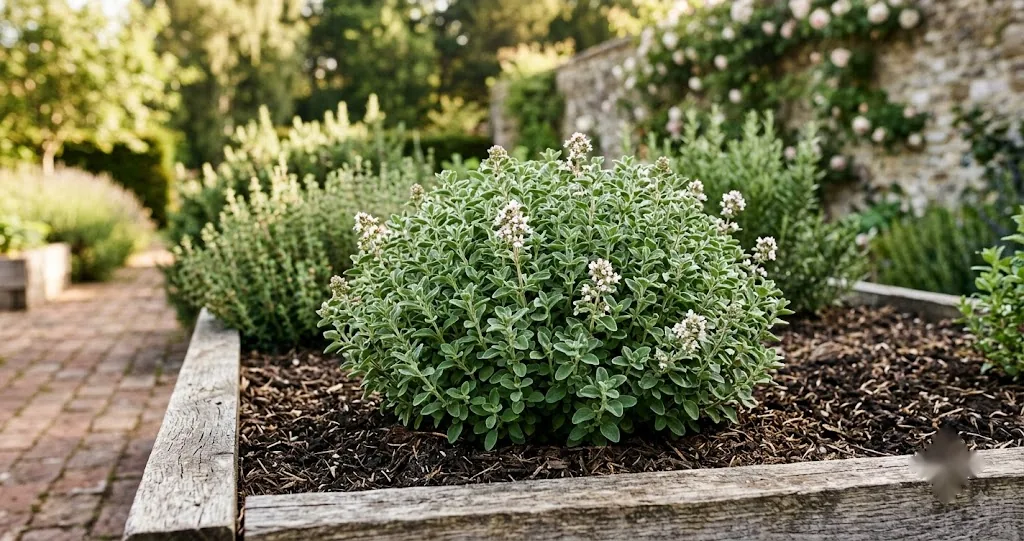
Sweet marjoram is one of the most forgiving culinary herbs to grow when it gets warmth, sun, and soil that drains quickly. Its soft gray-green leaves have a gentle, floral oregano-like flavor, and a single plant can supply a steady handful for the kitchen through summer.
For a wider plan that covers beds, containers, and choosing herbs that suit your space, see our beginner’s guide to growing an herb garden. This guide focuses on the conditions that help sweet marjoram thrive.
Know your sweet marjoram
Sweet marjoram, Origanum majorana, is a tender, low-growing herb in the mint family. It is closely related to oregano, but sweet marjoram has a milder aroma and a softer flavor. In warm climates it may live as a short-lived perennial. In places with freezing winters, grow it as an annual or bring a container indoors before frost.
Do not confuse sweet marjoram with wild marjoram, a name often used for oregano. Both are useful in a garden, but they differ in flavor and cold tolerance. Greek marjoram and other varieties of marjoram can also vary in hardiness and habit, so check the label when buying plants.
Choose the right site
Grow sweet marjoram in a sunny location with at least six hours of direct light. Full sun encourages compact, aromatic foliage. In hot climates, a little late-afternoon shade can help plants through prolonged heat.
Good drainage matters more than rich soil. Choose loose, well-drained soil or a raised bed, and work in a modest amount of compost if the soil is thin. Marjoram dislikes cold and wet ground. A soil pH near neutral is suitable, but drainage and warmth are the first priorities.
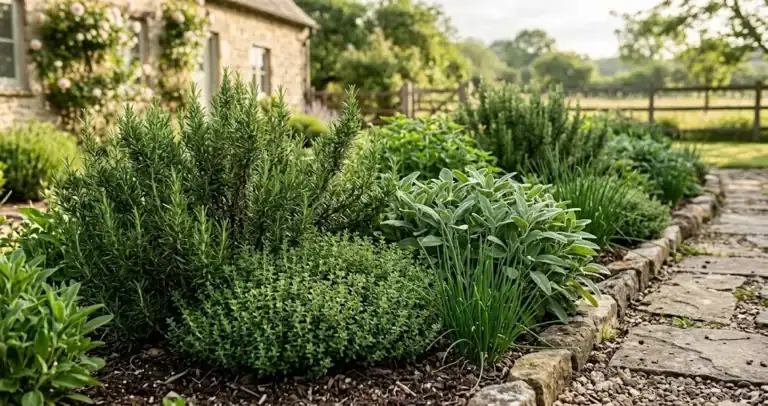
In a mixed herb garden, give marjoram neighbors with the same easygoing water needs, such as thyme, rosemary, or sage. Keep it out of the dense shade cast by tall vegetables and away from plants that need constantly wet soil. It is not an invasive species, but leave room for its spreading growth habit.
When and how to plant sweet marjoram
Set young plants outside only after the danger of frost has passed and the soil has warmed. Space plants about 10 to 12 inches apart in full sun so air can move around the foliage. A small plant spreads into a neat mound rather than taking over a bed.
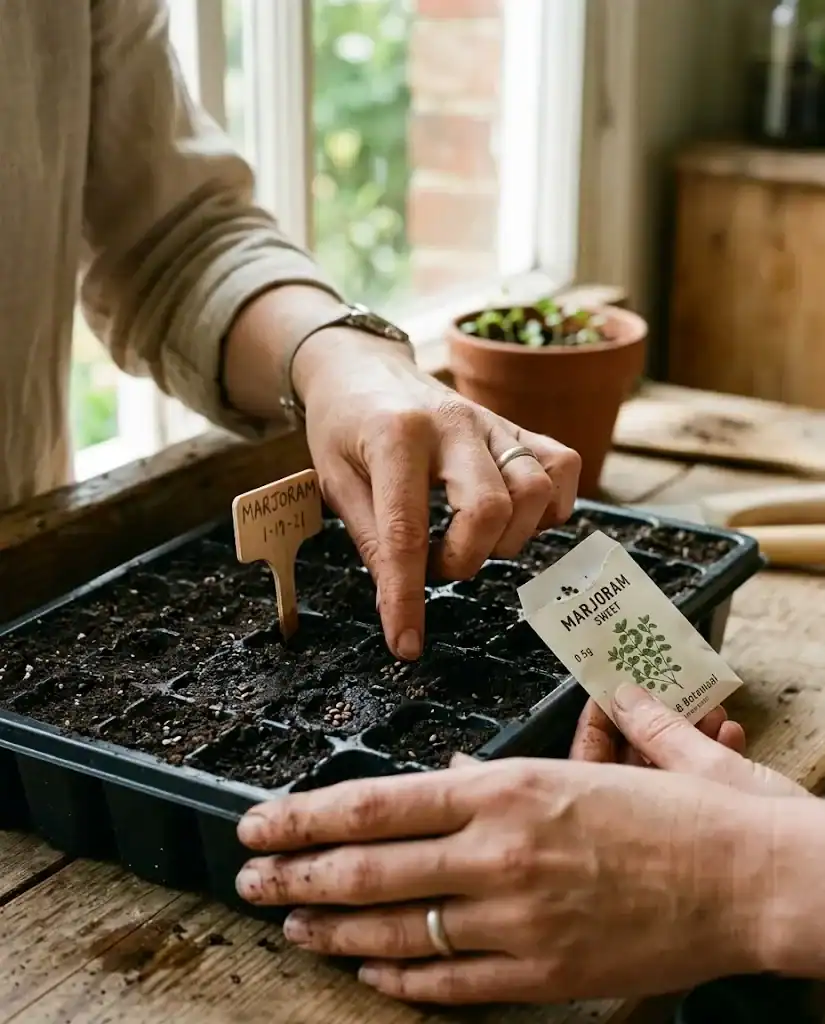
To grow marjoram from seed, start seeds indoors about six to eight weeks before your last frost. Press the tiny seed onto moist seed-starting mix and cover it very lightly because light helps it germinate. Keep the mix evenly moist and warm. Once seedlings are large enough to handle and outdoor nights are mild, harden them off for about a week before planting.
You can also take cuttings from a healthy, nonflowering plant stem. Remove the lower leaves, place the cutting in moist mix, and keep it in bright indirect light until roots form. Start more than one cutting because a few young plants give you a better chance of a full pot.
Growing sweet marjoram in pots or indoors
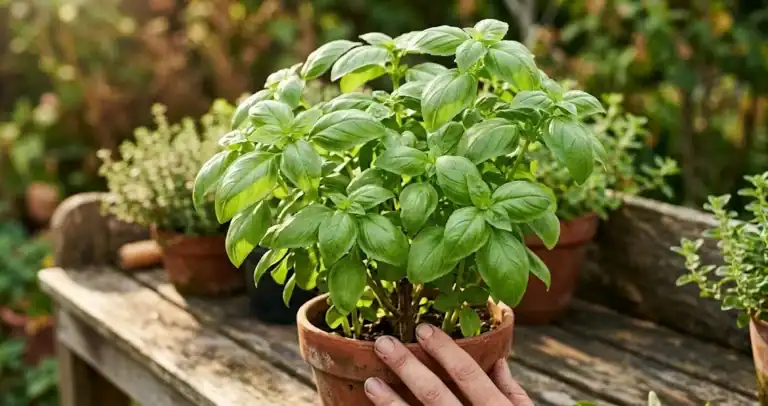
A pot is an excellent choice for marjoram, especially where winters are cold. Use a container with a drainage hole and a light potting mix. One plant fits comfortably in a 10-inch pot. Water until it runs through, then wait until the top inch of mix feels dry before watering again.
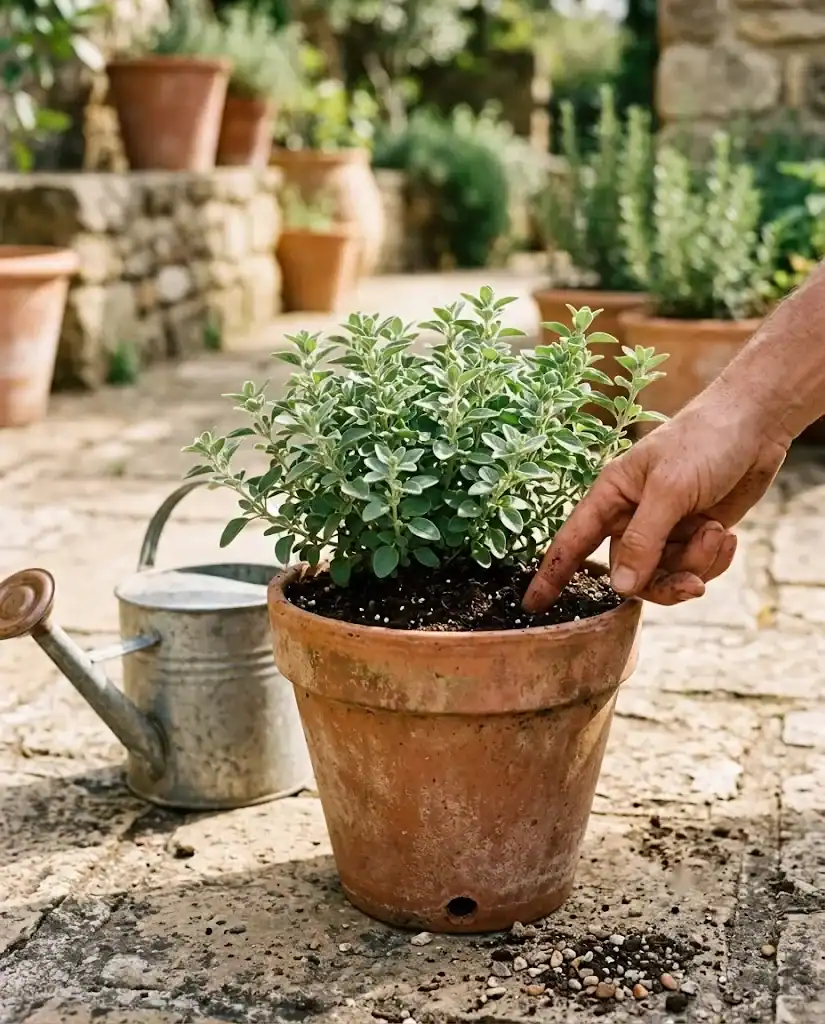
For an indoor plant, give it the brightest sunny windowsill you have. Rotate the pot each week so growth stays even. Indoor marjoram usually needs less water than a plant outside, where wind and sun dry the soil faster. If light is weak, a small grow light can prevent thin, stretched stems.
Bring outdoor container plants indoors before nights become chilly, not after frost damages the foliage. Check leaves for insects first, rinse the outside of the pot, and let the plant adjust in a bright spot. Expect slower growth during winter, then move it back outdoors gradually after the last frost.
Water, feed, and prune for fuller plants
Water new plants regularly while they settle in. After that, let the surface dry slightly between waterings. Established sweet marjoram is reasonably drought tolerant and handles short dry spells better than soggy roots, but do not leave a container dry for days in hot weather.
Feed sparingly. Excess fertilizer can produce lush but less flavorful growth. If your soil is poor, a light top-dressing of compost at planting is usually enough. Avoid pushing the plant with frequent high-nitrogen feedings.
Pinch the growing tips when stems are several inches long. This simple pruning encourages branching and gives you fresh leaves. Remove flower buds if you want to keep the foliage tender and harvest-focused, though small flowers can attract a pollinator.
Common problems and simple fixes
- Yellow, drooping growth: Check for wet soil and improve drainage before watering again.
- Leggy stems: Move the plant into stronger light and pinch the tips.
- Spider mites, aphids, or whiteflies: Inspect leaf undersides. Rinse small infestations away with water or use insecticidal soap as directed on the label.
- Powdery mildew or other fungal diseases: Give plants more space, water the soil rather than the leaves, and remove badly affected foliage.
- Slow growth: Wait for warmer weather, check for root-bound plants, and make sure the container drains freely.
How to harvest marjoram
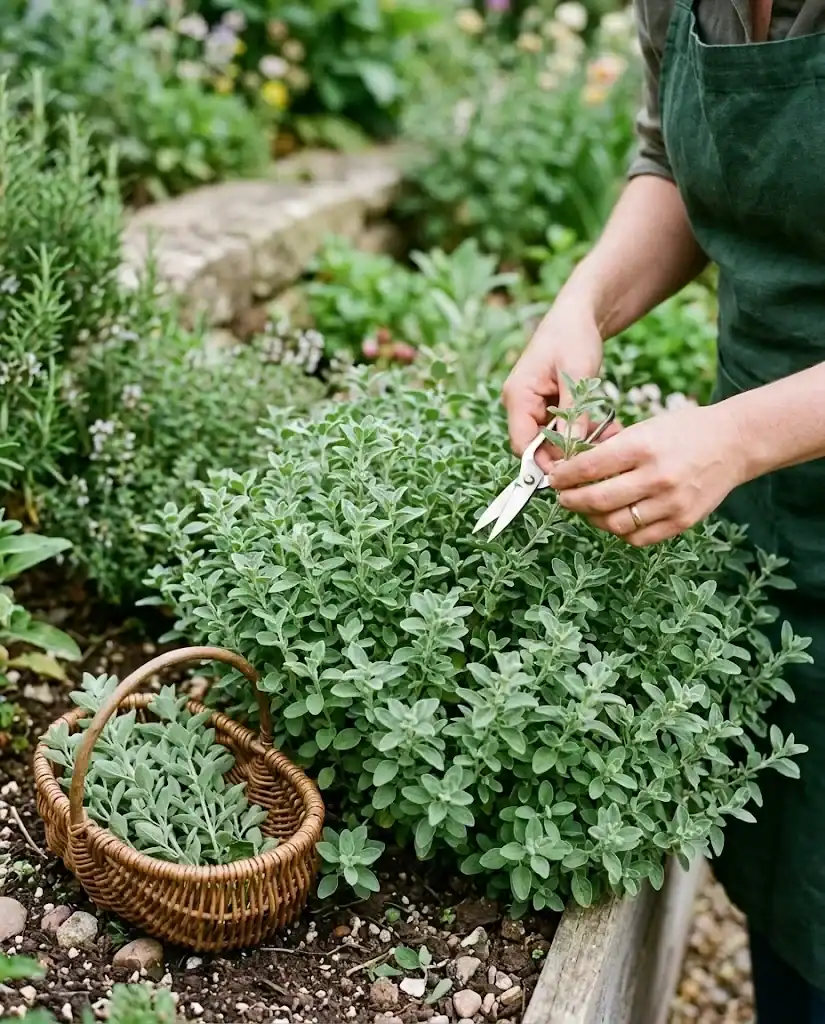
Begin to harvest marjoram once stems are about 6 inches long. Pick leaves or cut short stems in the morning after dew has dried. Regular picking keeps the plant bushy, but leave enough foliage for it to recover.
Use fresh leaves soon after cutting for their best aroma and flavor. If you are planning meals around the crop, explore ways to cook with sweet marjoram, from egg dishes and dressings to soups, tomato sauces, marinades, and poultry.
Before the first frost, take a final generous harvest from outdoor plants. You can dry small bundles in a warm, airy place or freeze chopped leaves in a little water or oil. For the best flavor in cooking, add fresh marjoram near the end of the cooking time.
After harvest: keep the flavor
Fresh marjoram is delicate, so handle it gently and avoid washing it until you are ready to use it. For detailed options on drying, freezing, and pantry storage, learn how to store marjoram without losing more aroma than necessary.
Frequently asked questions
Does sweet marjoram come back every year?
It can return as a short-lived perennial where winters are mild and frost is rare. In colder regions, treat it as an annual or overwinter it indoors in a pot.
What should not be planted near marjoram?
There is no firm list of plants that cannot share a bed with marjoram. The practical concern is matching conditions. Keep it away from plants that need constantly damp soil or deep shade.
Is sweet marjoram easy to grow?
Yes. Start with a warm sunny site, good drainage, and modest watering. Those three choices prevent most early problems.
Start with sun and drainage
Growing sweet marjoram is straightforward once you avoid two common mistakes: planting too early and keeping the roots too wet. Give it warmth, trim it often, and enjoy the fresh leaves while the plant is actively growing.