Fennel rewards cooks who treat its parts with intention. The crisp white base turns sweet and silky in the oven, the fennel fronds brighten a salad the way dill would, and the seeds carry a more concentrated flavor into sausage, bread, and stews. Once you know which technique each part wants, cooking with fennel stops feeling like guesswork and starts feeling like one of the most useful habits in your kitchen.
Why fennel earns a place in your kitchen
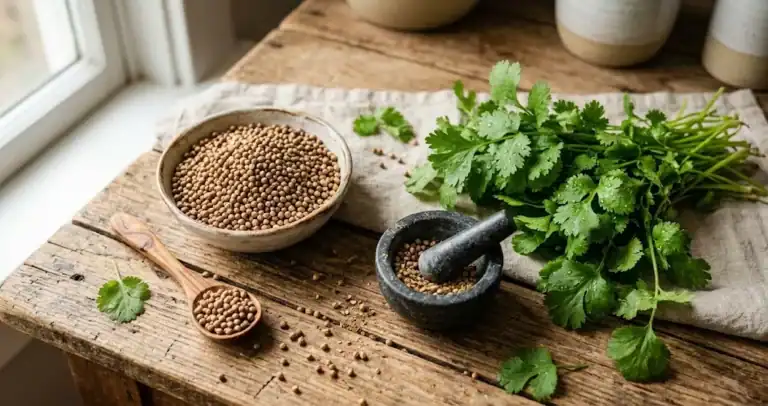
Fennel is a member of the carrot family, related to parsley, dill, and coriander. The anise flavor is the thread that ties these cousins together, and it shows up across Mediterranean cooking for good reason: a single bulb can move from a raw shaved salad to a slow-cooked main dish without losing its identity. For cooks who find this flavor polarizing, slow-roasting changes it almost entirely.
Fresh fennel is in season from fall through early spring, so the colder months are when it tastes sweetest and most aromatic. Off-season, you can lean on imported bulbs sold year-round in most supermarkets, or stock up and learn how to store fennel in the right manner so it keeps its snap for two weeks or more.
The four parts of a fennel plant
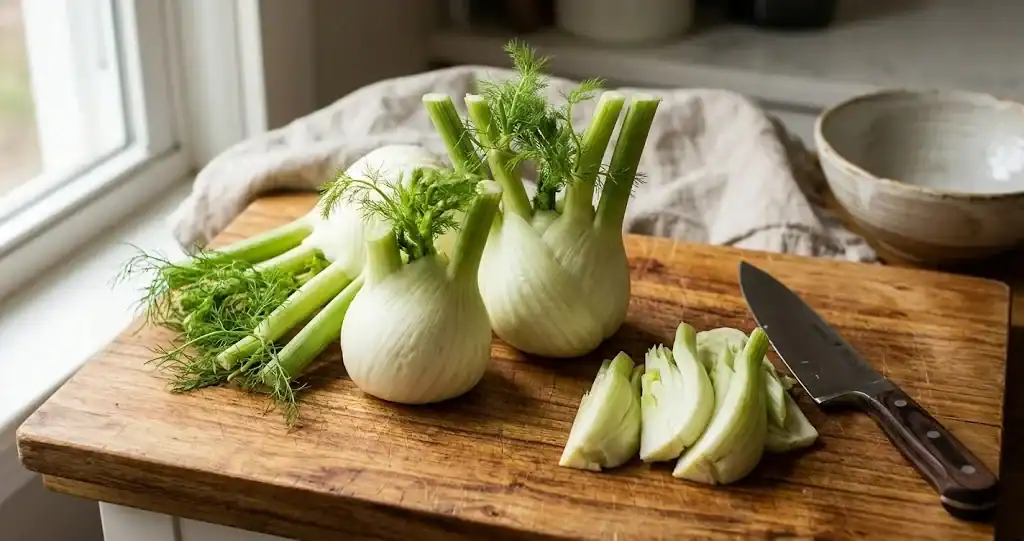
A single fennel bulb is really four ingredients in one. Treating each part separately is what makes a fennel dish taste layered rather than one-note.
- The base. The pale white bottom is what most people buy fennel for. It is crisp when raw and turns meltingly tender when roasted. Slice it into wedges for the oven, shave it thin for salads, or cut it into batons for a braise.
- The stalks. The pale green fennel stalks above the base are not garnish; they have real flavor. Use them in stocks, soups, and braises the way you would use celery.
- The fronds. The wispy dill-like tops are a fresh herb in their own right. Chop them over roasted vegetables, fold them into vinaigrette, or scatter them on grilled fish at the last moment.
- The seeds. Fennel seeds are a separate spice, harvested from a different stage of the plant. They bring a more concentrated licorice flavor to sausage, bread, and tea.

How to cut fennel for cooking
Most recipes call for one of three cuts. Picking the right one saves time and helps the heat reach every piece evenly.
Start by trimming the stalks about an inch above the base, then snip the fronds off the stalks and reserve both. Slice a thin strip off the bottom so it sits flat on the board, then peel away any bruised or tough outer layers. From here you can:
- Halve and wedge. Cut it in half lengthwise, then into wedges about an inch wide. Wedges hold their shape during roasting and grilling.
- Slice. Stand each half flat-side down and cut crosswise into thin strips. Use these for sautés, pasta, and braises.
- Shave. Run it over a mandoline for paper-thin slices. Shaved fennel belongs in raw salads and on top of pizza after the oven.
The best ways to cook fennel
Each method pulls a different flavor out of the base. Pick the technique that matches what you want from the dish.
Roasted fennel
Roast fennel is the dish most beginners should try first.
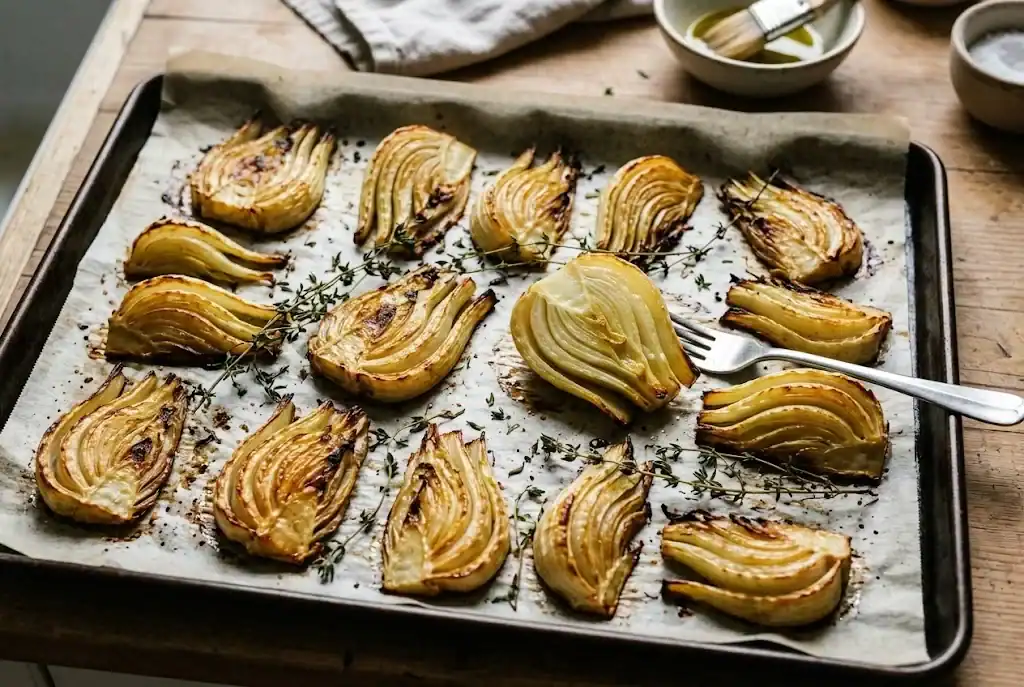
Roasting is where most fennel skeptics fall in love. High heat drives off moisture and concentrates the natural sugars, so the flavor moves from sharp to sweet and the edges turn caramelized. Toss wedges with extra virgin olive oil and kosher salt, spread them on a baking sheet cut-side down, and roast at 425°F until tender and brown at the edges, about 25 to 30 minutes. A simple roasted fennel recipe like this is a reliable side dish for roast chicken or pan-seared fish.
Sautéed fennel

A sauté cooks faster and gives you more control over browning. Slice thin, heat a wide pan with oil, and cook over medium-high heat with a pinch of salt. Stir occasionally and let the edges color. A squeeze of lemon at the end brightens the whole pan. This goes well with pasta, folded into an omelet, or spooned over toast.
Braised fennel
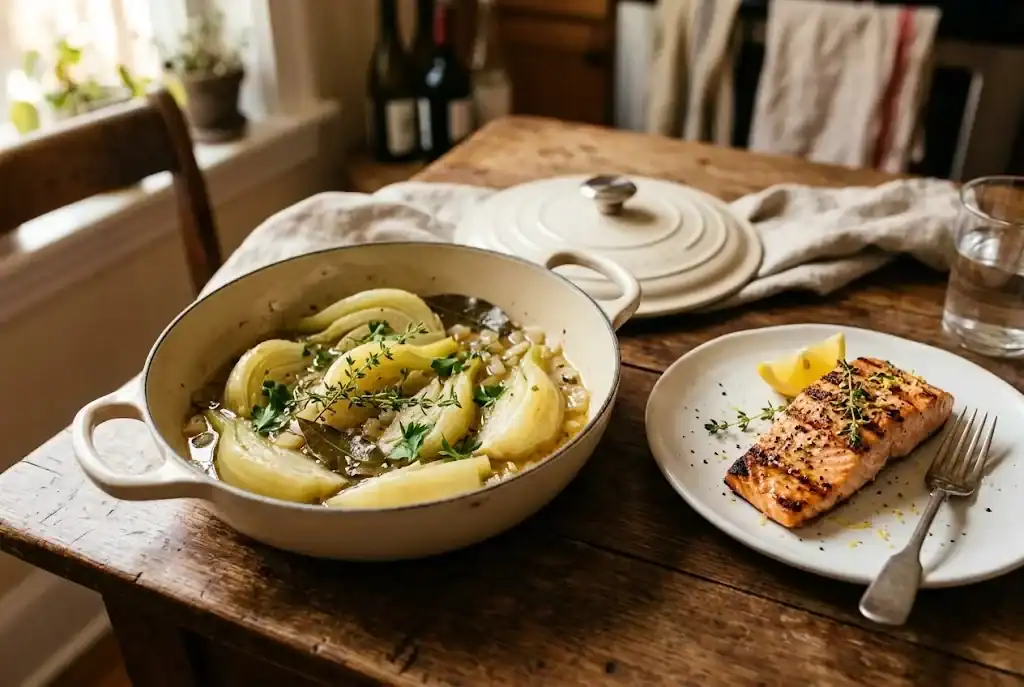
Braising softens it into something close to a vegetable ragout. Layer wedges in a small pot with a splash of wine, a few bay leaves, and enough broth to come halfway up. Cover and cook gently until tender, about 30 minutes. This is a traditional pairing for grilled fish and roast meats.
Grilled fennel
Grilling gives a smoky char that pairs with the flavor beautifully. Brush thick wedges with oil, salt them, and grill over medium-high heat, turning once, until char marks appear and the centers are just tender. Grilled fennel wedges hold their own as a main dish with a squeeze of lemon and a handful of fresh herbs.
Raw fennel
Raw fennel is crunchier, brighter, and more forward than cooked. Shaved in a salad, sliced into a slaw, or tucked into a sandwich, raw flavor speaks for itself. A simple shaved salad with oil, lemon juice, salt, and shaved parmesan is one of the most rewarding things you can put on a table in five minutes.
Flavor pairings that work well
This flavor plays well with both rich and bright partners. The classic Mediterranean pairings are reliable for a reason, but fennel is more flexible than its reputation suggests.
- Citrus. Lemon juice sharpens the sweetness. Orange zest is a quieter alternative for fish and salads.
- Pork and sausage. Italian sausage, pork roast, and chops all benefit from this flavor. The seed in many sausages is doing the same job.
- Fish and seafood. It is a backbone of Mediterranean seafood cooking and pairs with salmon, branzino, shrimp, and clams. The classic French preparation braises it with fish in white wine.
- Tomatoes. Fresh tomatoes and slow-cooked sauces both work. Cherry tomatoes burst against roasted wedges, and a base simmered in tomato sauce gives the sauce a quiet depth.
- Cheese. Parmesan, pecorino, ricotta salata, and fresh goat cheese all sit comfortably next to it.
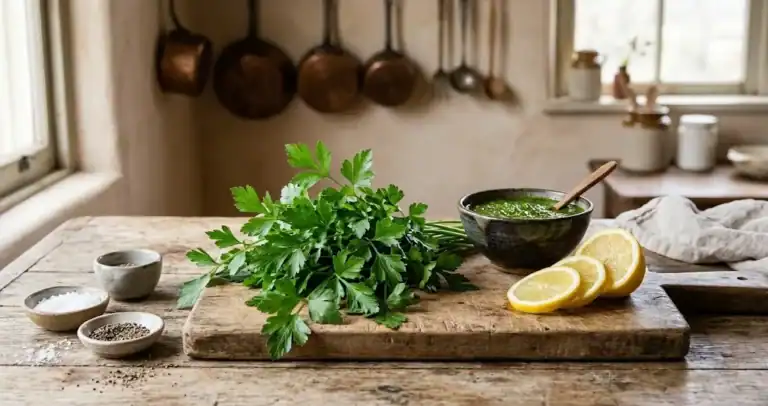
- Other fresh herbs. Parsley, dill, mint, and thyme are the easiest partners. The fronds themselves can do the job of any of these.
Five easy fennel recipes to try
These are good starting points for cooks new to fennel. They cover raw, roasted, and braised techniques, giving you a different approach each time you cook.

- Shaved fennel and lemon salad. Shave one fennel bulb on a mandoline. Dress with olive oil, lemon juice, salt, and a little shaved parmesan. Top with chopped fronds.
- Roasted fennel with cherry tomatoes. Toss wedges with olive oil, salt, and red pepper flakes. Roast on a baking sheet until caramelized at the edges. Add halved cherry tomatoes in the last 5 minutes. Finish with parsley.
- Pasta with sautéed fennel and sausage. Brown Italian sausage in a wide pan, then sauté sliced fennel in the rendered fat until golden. Toss with cooked pasta, a splash of pasta water, and grated parmesan.
- Braised fennel with bay leaves. Lay wedges in a small pot, add wine, broth, and a few bay leaves. Cover and braise until tender. Serve warm as a side dish for grilled fish.
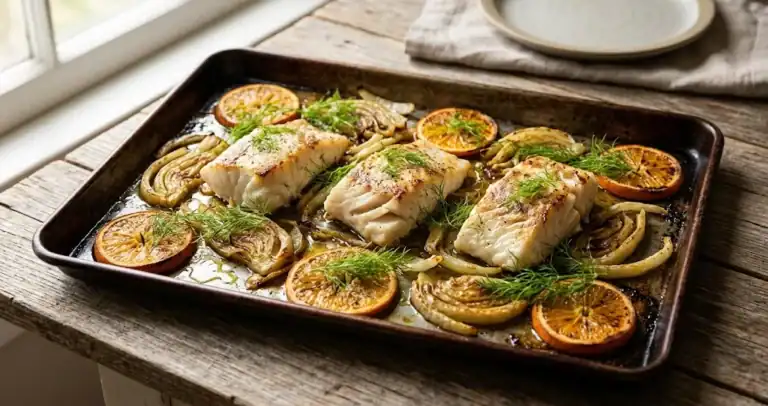
- Roasted fennel and salmon sheet pan. Roast wedges on a baking sheet for 15 minutes, then add salmon fillets brushed with oil. Roast until the salmon is just cooked. Squeeze lemon over the top and scatter fresh dill or fronds.
For a fuller recipe collection that focuses specifically on one of the most popular pairings, see these white fish and fennel recipe ideas.
Common questions about cooking with fennel
Does it taste like licorice?
Raw fennel has a clear note that reminds some people of black candy. Cooking softens that flavor considerably and brings out a sweeter, almost honeyed taste. If you are unsure about fennel, start with a roasted dish rather than a raw salad and ease into the raw version later.
Can you eat the stalks and fronds?
Yes. The stalks have a texture similar to celery and a milder version of the base’s flavor; use them in stocks, soups, and braises. The fronds are a fresh herb with a dill-like flavor; chop them over salads, vegetables, and grilled fish.
How do you keep fennel from going bitter?
Bitterness usually comes from undercooking or from tough outer layers. Peel away any bruised or fibrous outer layers before cooking, and give it enough time on the heat for the flavor to mellow. A squeeze of lemon at the end brightens it further.
Is fennel the same as fennel seed?
The fresh plant and the dried seed come from the same species but are used differently. The base and fronds are a vegetable and a fresh herb. The seeds are a spice with a more concentrated anise flavor, used in sausage, bread, and tea.
How do you store fresh fennel?
Wrap it loosely in a damp paper towel, slide it into a plastic bag, and refrigerate. Properly stored, it keeps for about 10 days. The fronds wilt first; use those within a couple of days.
A few notes before you start cooking
Fennel rewards simple cooking. A hot oven, a good glug of olive oil, a pinch of salt, and enough time are usually all you need for the base. Once you have cooked with it a few times, you will start reaching for it the way you reach for onions, and the rest of the savory herbs in your collection will fall into line around it. If you want a wider view of how culinary herbs fit together, this guide to the wider family of kitchen herbs is a useful next read.