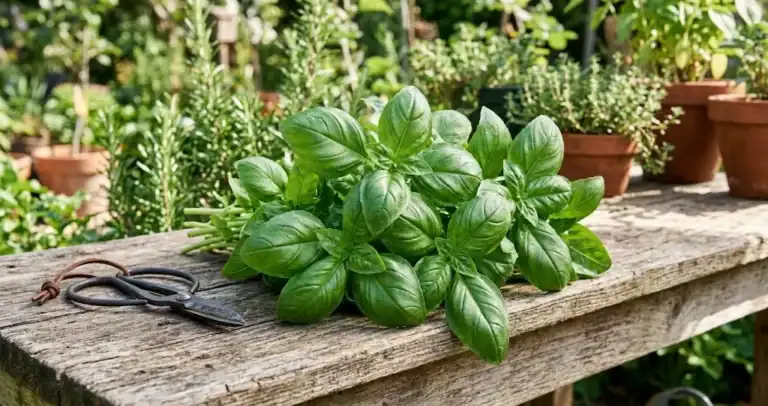
Sweet basil is one of the most rewarding herbs you can bring into the kitchen. Whether you harvest a generous bunch from a potted basil plant on the patio or bring home fresh cut stems from the farmers market, knowing the best uses for basil helps you make the most of every sprig before it wilts. While many home cooks know to tear a few leaves over a simple pizza or slice of toast, the culinary versatility of this vibrant green herb reaches far beyond basic garnishes.
From fragrant sauces and compound butter to herb-infused syrups, exploring new ways to use fresh herbs allows you to celebrate peak summertime flavors year round. Connecting your harvest with other garden staples starts with understanding what sets each culinary herb apart, making it easy to balance fresh leaves against complementary garden produce.
Classic Basil Pesto and Quick Herb Sauces
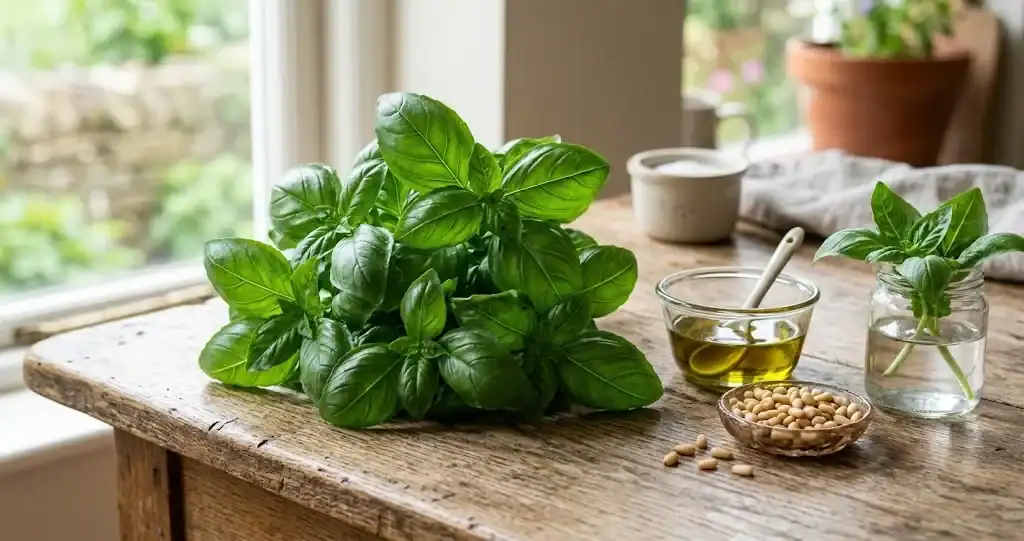
Making homemade basil pesto remains the definitive way to process a surplus harvest. In a sturdy food processor, combine packed fresh leaves with extra virgin olive oil, toasted pine nuts, minced garlic, and grated parmesan cheese or pecorino. A small pinch of salt and a splash of fresh lemon juice brighten the blend while keeping the color vivid.
Beyond tossing with warm noodles for a fast pesto pasta dinner, this herbaceous sauce works as an exceptional sandwich spread, a dip for crusty sourdough bread, or a flavorful swirl in vegetable broths like minestrone. If pine nuts are unavailable, walnuts or sunflower seeds offer an affordable substitute that delivers rich texture and savory depth.

Fresh Salads and the Classic Caprese
Raw basil shines brightest in uncooked summer salads where heat cannot dull delicate essential oils. The traditional Italian caprese salad pairs thick slices of ripe tomato and mozzarella with fresh basil leaves, finished with cold-pressed dressing oil, flaky salt, and a gentle drizzle of aged balsamic glaze.
Chopped leaves also lift fresh cucumber and watermelon salads, especially when tossed with crumbled feta cheese and crisp red onion. For a lighter luncheon, layer green sprigs into summer rolls with shredded carrots and rice vermicelli, dipping them into a spicy peanut or lime vinaigrette.

Stirring Fresh Leaves into Warm Basil Pasta and Sauces
When cooking with heat, timing makes all the difference for preserving herbal brightness. Adding delicate greenery too early during a long simmer burns away volatile aromatics and leaves behind a bitter taste. Instead, stir freshly torn basil leaves into your homemade marinara or pasta sauce during the final sixty seconds off the burner.
For a quick weeknight basil pasta dish, saute tender zucchini and cherry tomatoes, toss with al dente penne, and fold in handfuls of fresh herbs right before serving. The residual steam gently wilts the greenery, releasing a warm, peppery aroma across the entire dinner plate.

Savory Toppings with Mozzarella, Parmesan, and Feta
Fragrant leaves act as a balancing topping across melted cheese dishes, cutting through rich dairy fat with bright acidity. Scatter whole leaves across a hot mozzarella flatbread or fold chopped ribbons into ricotta for stuffed shells. Combining shredded parmesan with diced tomatoes creates a classic bruschetta topping for garlic-rubbed grilled bread.
For party platters, build creative fresh basil recipe ideas around crumbled feta, marinated vegetables, and bite-sized hors d’oeuvres.
Elevating Sandwiches, Breakfast Bread, and Grilled Cheese
Tucking whole leaves between sandwich layers adds instant freshness to lunchtime meals. A gourmet grilled cheese sandwich layered with sharp cheddar, crisp bacon, sliced tomato, and sweet green leaves adds bright, savory contrast to a standard lunch. Similarly, pressing leaves onto avocado toast with a poached egg and a sprinkle of red pepper flakes adds complexity and color.
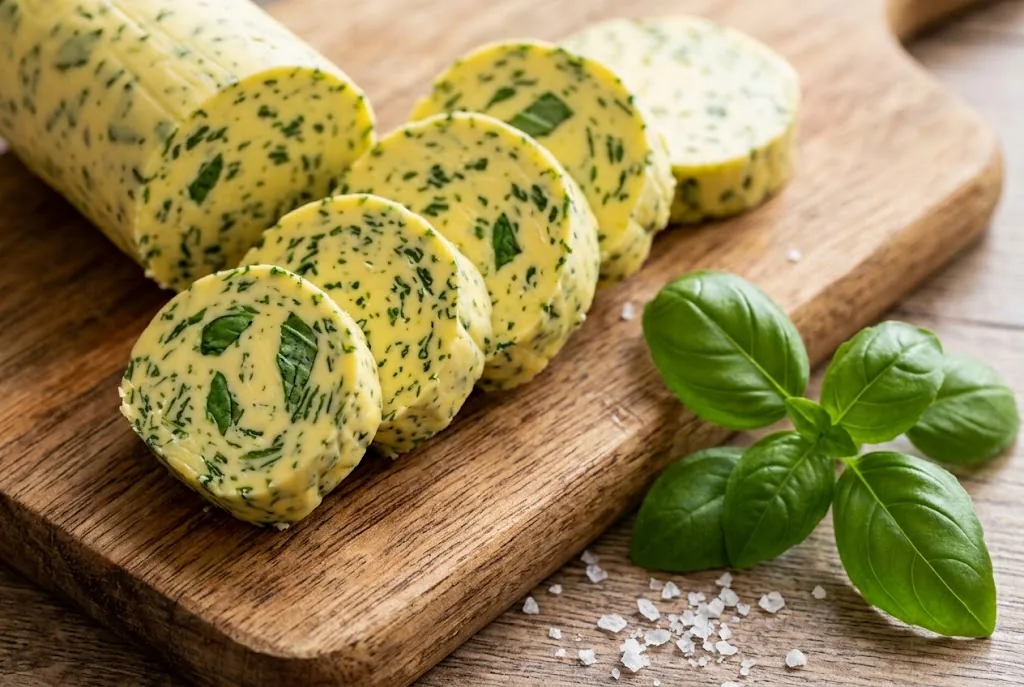
For weekend barbecue cookouts, blend finely chopped leaves with softened butter to create a savory compound butter. Melting a round of herb butter over hot grilled steak, roasted corn, or sauteed chicken locks in moisture and Italian flavors with minimal effort.
Herb Infusions, Summer Drinks, and Basil Sorbet
Because sweet basil carries natural sweet notes with subtle hints of anise and clove, it pairs exceptionally well with fruit and cold beverages during peak summertime. Muddle a few clean leaves with fresh strawberries, blackberries, or blueberries in a tall glass before topping with sparkling water or iced lemonade for a refreshing mocktail.
You can also create an herb-infused simple sugar syrup to sweeten iced tea or craft a light, palate-cleansing basil sorbet. Churning pureed leaves with lemon juice, water, and sugar produces a crisp frozen dessert that highlights natural herbal sweetness.

Seasoning Marinades, Stir Fry, and Roasted Vegetables
Incorporating chopped herbs into meat and vegetable marinades seasons poultry, shrimp, and tofu with deep flavor before cooking. Whisk minced leaves with citrus juice, garlic, lemon zest, and dried thyme for a multi-purpose grilling glaze that tenderizes proteins on the barbecue grill.
In hot wok cooking, adding hearty handfuls of torn leaves during the final seconds of a Thai-inspired chicken or eggplant stir fry creates intense aroma and savory balance. Roasting summer vegetables such as bell peppers, zucchini, and eggplant and finishing them with fresh herbs creates a vibrant side dish for any weeknight meal.
Preserving Bumper Harvests with Ice Cubes and Dehydrating
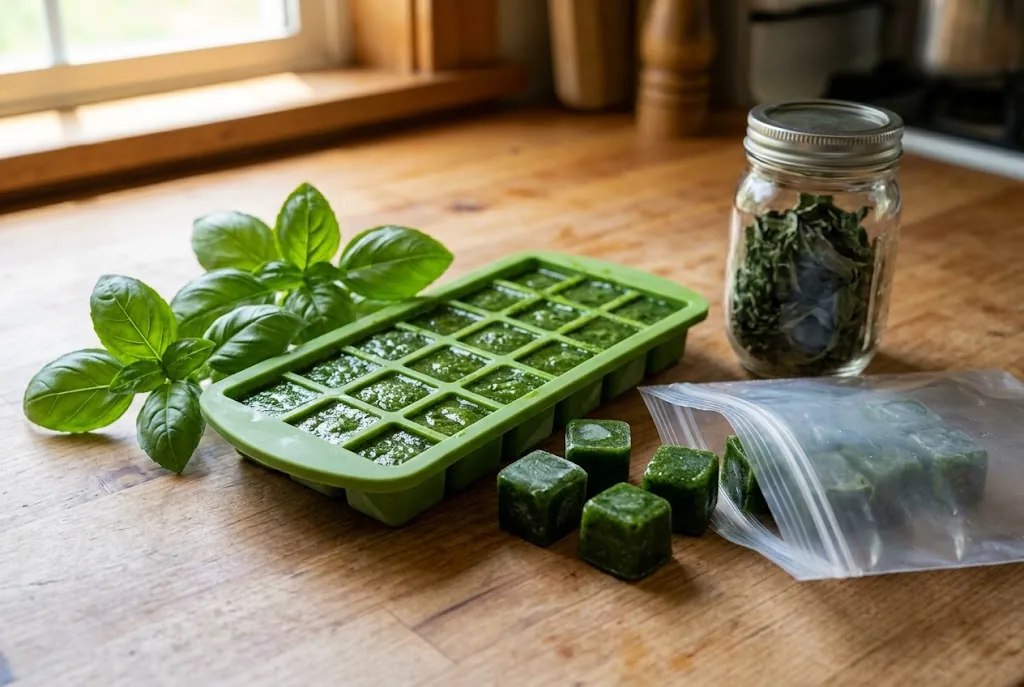
When the autumn chill threatens your outdoor garden and basil season comes to a close, preserving extra harvests prevents unnecessary food waste. To freeze fresh clippings, puree clean leaves with a small spoonful of dressing oil in a food processor, spoon the paste into ice cube trays, and freeze until solid. Pop the frozen cubes into airtight freezer bags for convenient single-portion additions to winter soups, stews, and sauces.
While freezing preserves aroma best, you can also dehydrate whole leaves in a food dehydrator on low heat until crisp. Store the resulting dried basil in airtight glass jars away from direct sunlight. Alternatively, blend dried leaves with coarse sea salt to create homemade basil salt, a versatile tabletop seasoning for roasted meats, popcorn, and salads.
Caring for Harvested Sprigs and Growing Basil at Home
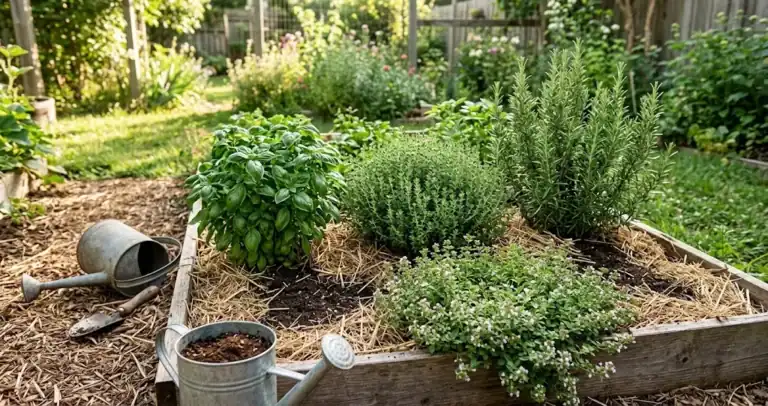
To keep cut stems fresh on the kitchen counter, treat trimmed clippings like a bouquet of cut flowers. Place stem ends in a jar of room-temperature water on the countertop, avoiding the cold refrigerator where delicate leaves quickly turn black from moisture and chill injury. If you want a continuous supply of fresh leaves right outside your kitchen door, learning the fundamental steps for how to grow basil ensures vigorous growth and abundant foliage all season long.
Frequently Asked Questions About Using Basil
Can I use dried basil instead of fresh basil?
Yes, but dried basil has a more muted, concentrated flavor profile and lacks the bright anise notes of fresh leaves. As a general cooking ratio, use one teaspoon of dried basil for every one tablespoon of chopped fresh leaves called for in cooked dishes like marinara or slow-simmered sauces. Avoid using dried seasonings in raw preparations like fresh salads or pesto where fresh texture and aroma are essential.
How do I prevent fresh basil from turning black when chopped?
Delicate herb leaves bruise easily and oxidize rapidly when cut with a dull knife. Use a very sharp blade to slice leaves cleanly into ribbons without crushing the delicate plant stem or leaf cells. For raw dishes, cut or tear leaves immediately before plating rather than prepping them hours ahead.
What foods pair best with fresh sweet basil?
Sweet basil pairs naturally with tomatoes, garlic, creamy cheeses, mozzarella, parmesan, balsamic vinegar, berries, zucchini, and roasted poultry. Its versatile flavor profile complements both savory Italian classics and sweet summer fruit desserts.