Starting a herb garden business is one of the most accessible ways to generate steady income from small-scale agriculture. High-value herb plants produce generous yields in a small space, mature quickly, and command strong prices per pound compared to standard field crops. Whether you have a sunny backyard, a small farm plot, or a compact greenhouse, disciplined planning can turn your herbal garden into a thriving enterprise.
To succeed as an independent herb grower, you need more than just a passion for horticulture. You need a clear understanding of market demand, efficient crop routines, and reliable sales channels. This practical guide walks you through the essential steps to launch, manage, and expand a profitable herb venture sustainably.
Choosing Profitable Crops for Your Herbal Business
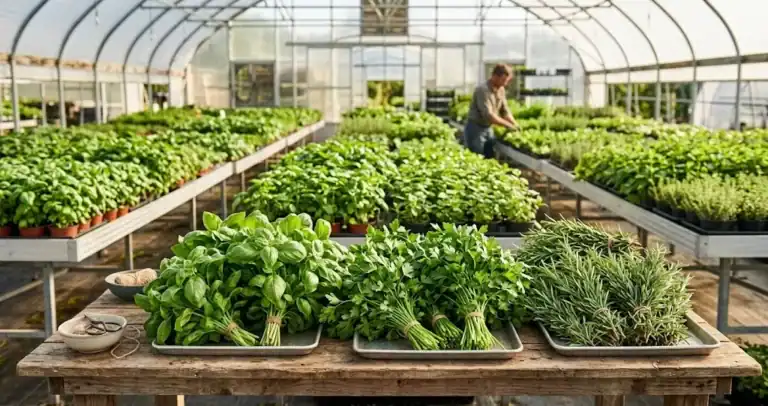
Selecting the right crops is the cornerstone of any successful herb farm. High-demand culinary herb varieties provide consistent weekly revenue, while specialty medicinal plants attract dedicated niche buyers. Rather than trying to cultivate an overwhelming range of herbs immediately, focus on a balanced mix of popular annual and perennial varieties.
For fresh sales, sweet basil remains the top income generator for commercial herb growers. Pair basil with staple kitchen greens like flat-leaf parsley, French tarragon, chive, and salad burnet to offer complete culinary bundles. Perennial herbs such as thyme and rosemary require upfront patience during their initial year, but they yield consistent sprigs across multiple seasons without the need to replant annually.
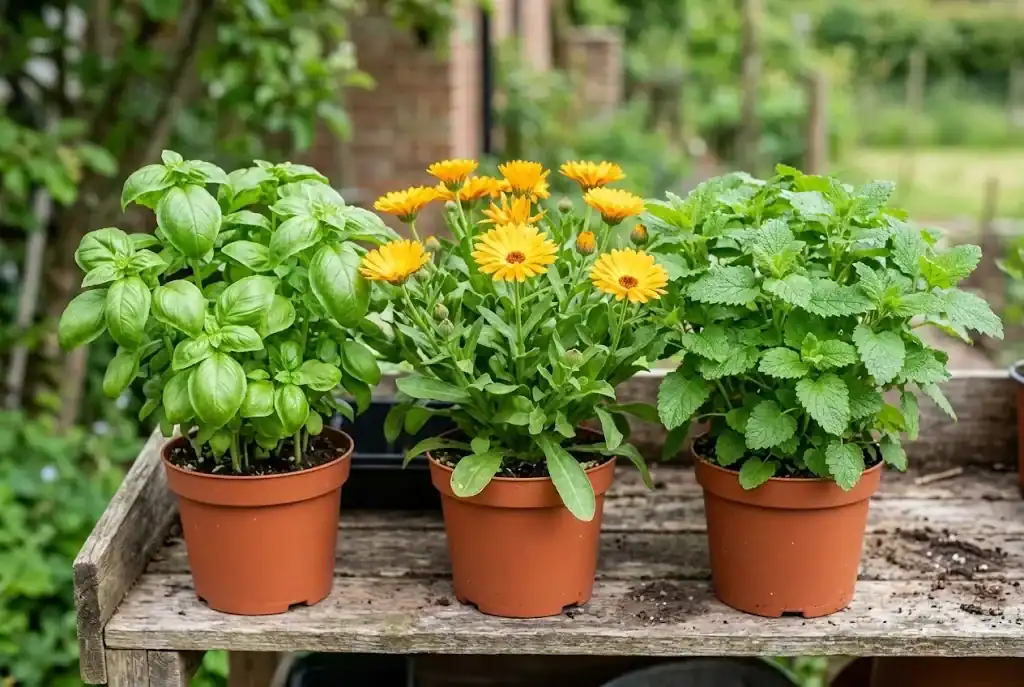
Medicinal herb crops also offer attractive returns. If you want to supply home herbalists or an artisan apothecary, consider growing calendula, lemon balm, and catnip. Golden flower petals dry quickly for soothing salves, while aromatic lemon balm makes fragrant herbal teas. When planning a new garden, choose easy to grow cultivars that attract each beneficial pollinator while resisting common pests.
For broader strategic frameworks on selecting profitable crops, explore our comprehensive guide on growing herbs to sell.
Planning Production in Small Spaces and Containers
You do not need massive acreage or sprawling acres of land to run a viable operation. In fact, focused herb production across a compact footprint often produces superior quality because soil fertility and moisture levels are easier to manage. Raised beds enriched with compost and aged peat moss provide excellent root aeration for tender seedlings.
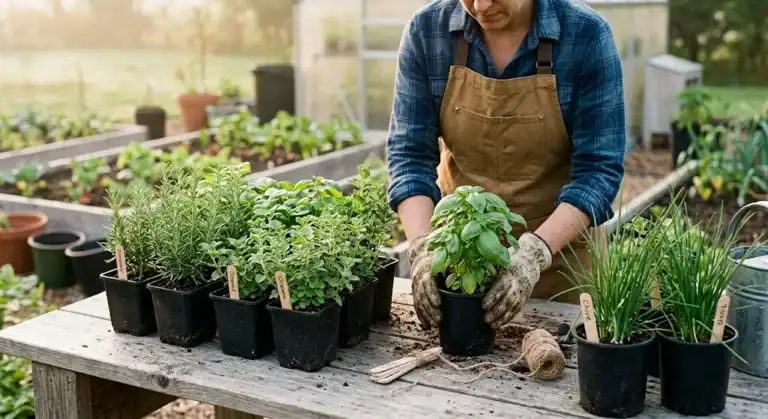
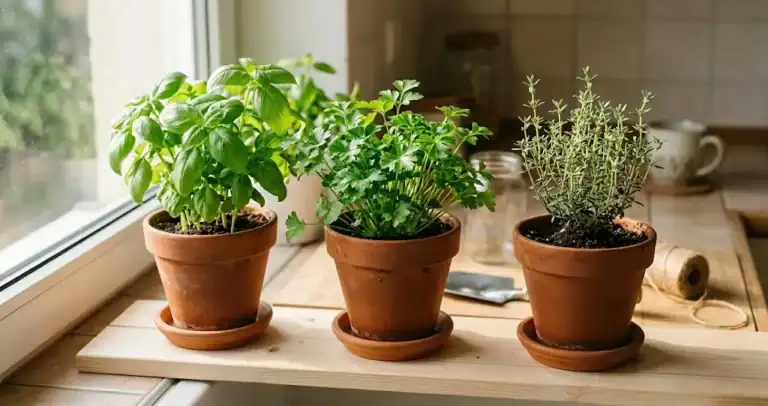
Container cultivation provides another flexible revenue stream. You can grow herbs in a pot or nursery container to sell potted plants directly to a local gardener in early spring. Supplying robust potted herbs gives apartment residents a convenient way to enjoy fresh seasoning on a patio. If you raise each seedling under lights or utilize greenhouse production, you can sell bedding plants in the spring before the main outdoor season opens.
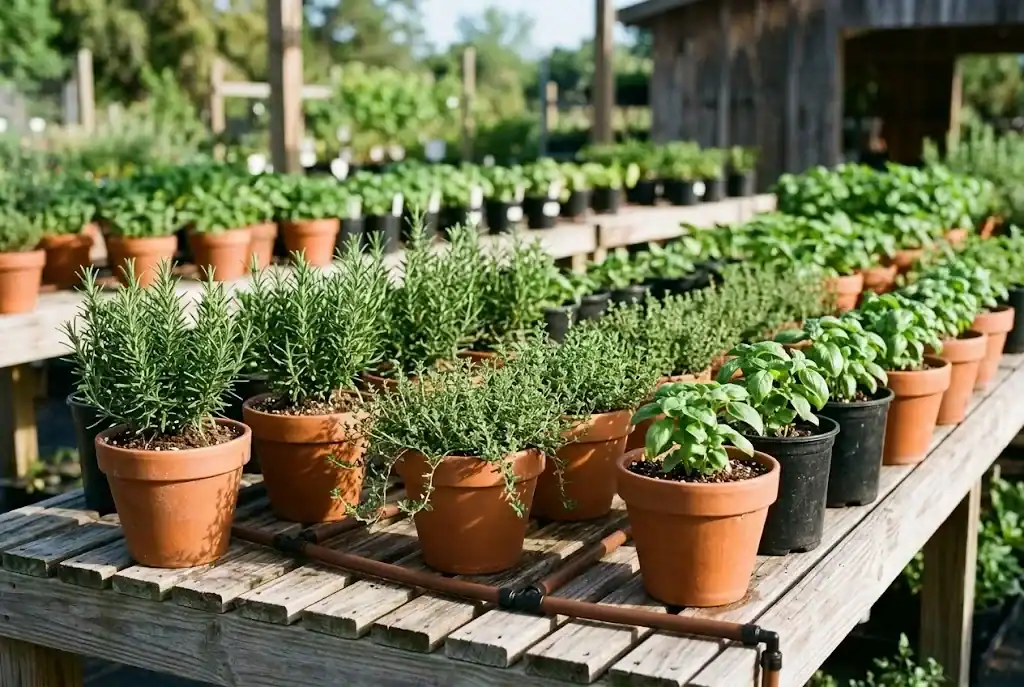
When propagating herbs like rosemary or mint, taking a vegetative cutting from established stock reduces seed expenses and speeds up production cycles. Apply a balanced organic fertilizer and install drip irrigation lines to keep root zones healthy throughout active growth.
Harvesting, Field Care, and Professional Packaging
Proper timing during harvest directly determines the shelf life and visual appeal of fresh herbs. Clip leafy sprigs early in the morning after ambient dew evaporates but before intense sun triggers wilting. Use clean, sanitized shears to prevent stem bruising, and transfer cut foliage into shaded, insulated field containers right away.
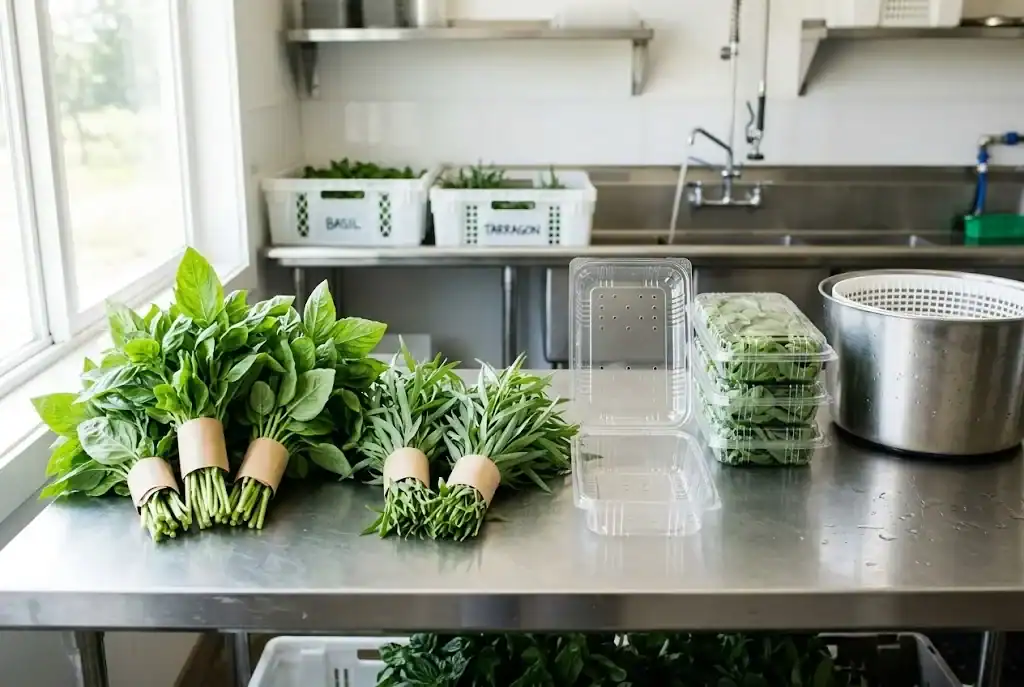
Professional post-harvest handling includes several critical steps:
- Washing and drying: Gently rinse field soil in cold water, then spin dry using a commercial spinner to remove surface moisture that causes rot.
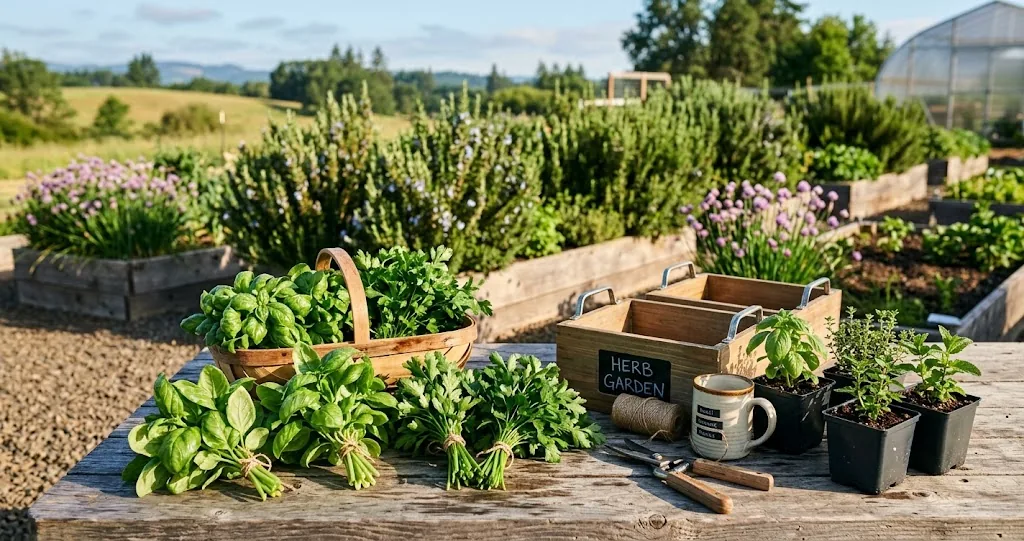
- Bunching: Secure uniform stems with food-grade rubber bands or natural twine to form a neat bunch ready for retail display.
- Packaging: Use vented clamshells or micro-perforated bags to preserve humidity without collecting standing condensation.
- Temperature management: Keep basil stored between 50 and 55 degrees Fahrenheit to prevent blackening, while chilling parsley, mint, and chives near 36 degrees Fahrenheit.
For additional practical strategies on monetization and financial planning, read our guide on turning herbs into income.
Selecting Direct and Wholesale Sales Outlets
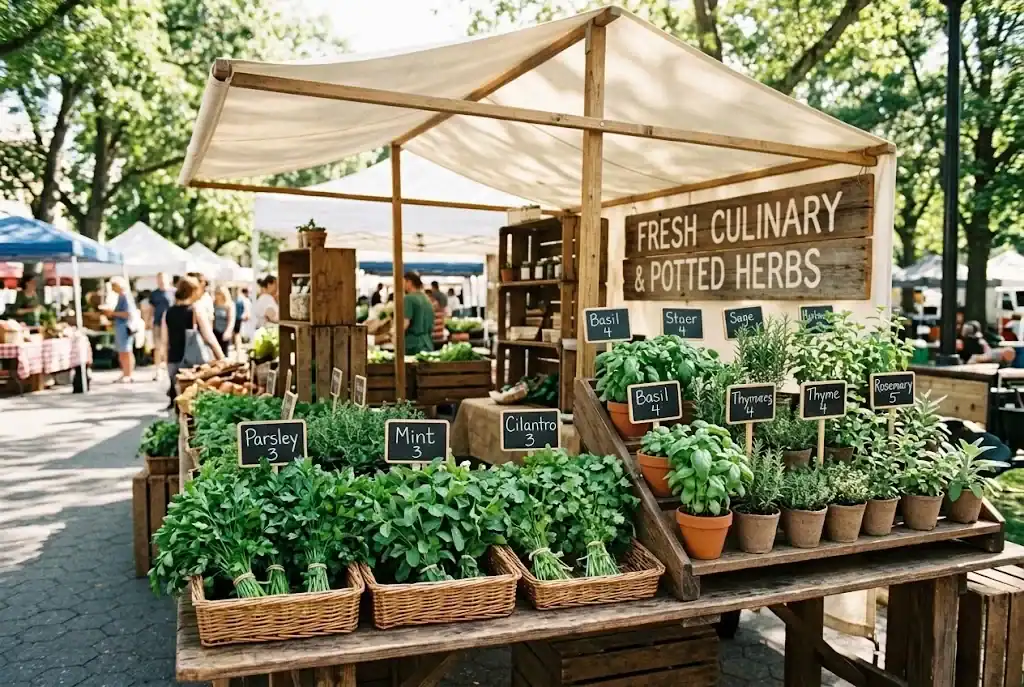
Finding the right market channel depends on your weekly production volume and delivery capacity. Many beginning growers start at a neighborhood farmers market, where you can sell directly to enthusiastic cooks and build community loyalty. Setting up an inviting market table with fresh cut bunches, potted seedlings, and an herbal bouquet draws steady customer interest.
To diversify your income, consider selling to other businesses alongside direct retail:
- Independent restaurants: Local chefs value fragrant, freshly clipped seasonings that outlast commercial produce distributor shipments.
- Local florist shops: A creative florist will purchase flowering herb branches, woody stems, and seed heads to add organic texture to arrangements.
- Garden centers and specialty shops: Independent garden centers and every regional plant nursery frequently buy locally grown potted varieties to meet seasonal gardening demand.
- Community supported agriculture: Collaborate with a nearby vegetable farm to supply weekly herb add-on shares for their subscriber boxes.
- Pick-your-own events: Hosting seasonal clipping mornings allows customers to select their own bundles while reducing your field labor.
For detailed commercial enterprise budgets and production data, consult the Penn State Extension guide on herb production and the University of Kentucky crop profile on culinary herbs.
Creating Value-Added Products and Recipe Cards
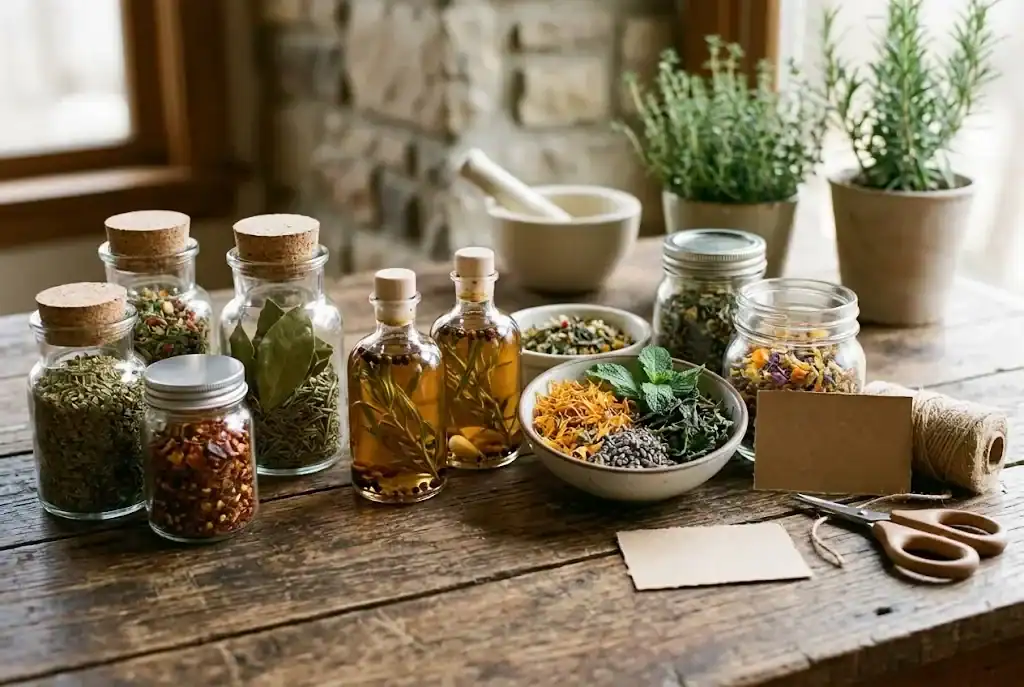
Processing surplus yield into shelf-stable herb products extends your selling season well into winter months. Drying clean foliage lets you craft culinary seasoning rubs, loose tea blends, and traditional herbal remedies. Infusing culinary vinegar with tarragon, chives, or garlic creates an attractive artisan gift for fall craft fairs.
To support your customers and encourage repeat sales, include printed recipe cards with every purchase. A simple instructional card showing how to brew fresh herbal tea or blend garlic herb butter helps beginners cook with unfamiliar seasonings. Whether you study through a formal school of herbal education, practice traditional herbalism, or operate as an organic medicinal herb farmer, sharing practical knowledge builds lasting trust.
Networking and Expanding Your Venture
Sustaining a successful agricultural business requires continuous skill development and peer collaboration. Networking with regional growers helps you exchange advice on bulk supplies, organic pest control methods, and local market trends.
To connect with industry peers and discover collaborative marketing opportunities, consider joining regional herb growing and marketing associations.
By maintaining high crop standards, offering helpful growing guidance, and diversifying your sales channels, your small herb venture can develop into a dependable and profitable enterprise.