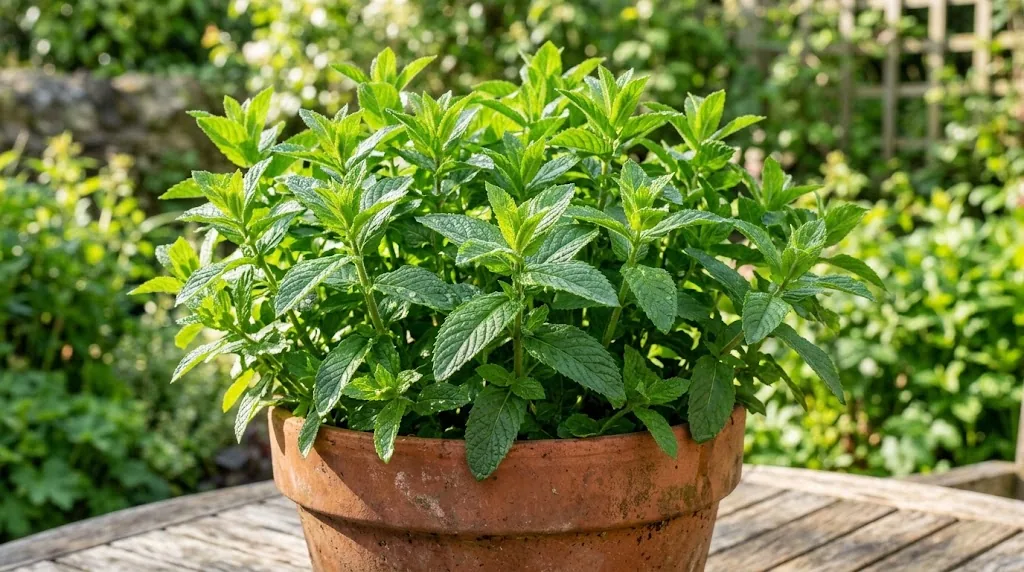
Few culinary herbs deliver the instant gratification of garden-grown mint. A gentle brush against the foliage releases an invigorating burst of aromatic oils, whether you want fragrant sprigs for iced tea, crisp leaves for a summer salad, or a restorative evening brew. This herb is easy to grow and widely recognized as one of the most rewarding plants for a home gardener because it establishes rapidly, tolerates varied climates, and produces an abundance of lush green growth from early spring through autumn.
Yet that same vigorous habit presents the primary challenge when cultivating this perennial herb: unrestrained underground runners. Left unchecked in an open garden bed, mint spreads quickly and can easily take over your garden. Learning how to grow mint successfully comes down to balancing its natural vigor with the right growing conditions, thoughtful container containment, and routine trimming. If you plan to plant mint as part of a larger edible plot, reviewing the beginner’s guide to growing an herb garden will help you place your herbs in the best layout from the start.
Understanding Varieties of Mint: Spear Mint, Pepper Mint, and Specialty Types
The genus Mentha is a core member of the mint family (Lamiaceae), encompassing dozens of distinct species, natural hybrids, and fragrant cultivars. While all these herbs share characteristic square stems, opposite paired foliage, and vigorous root networks, each type offers a unique flavor profile and culinary use.
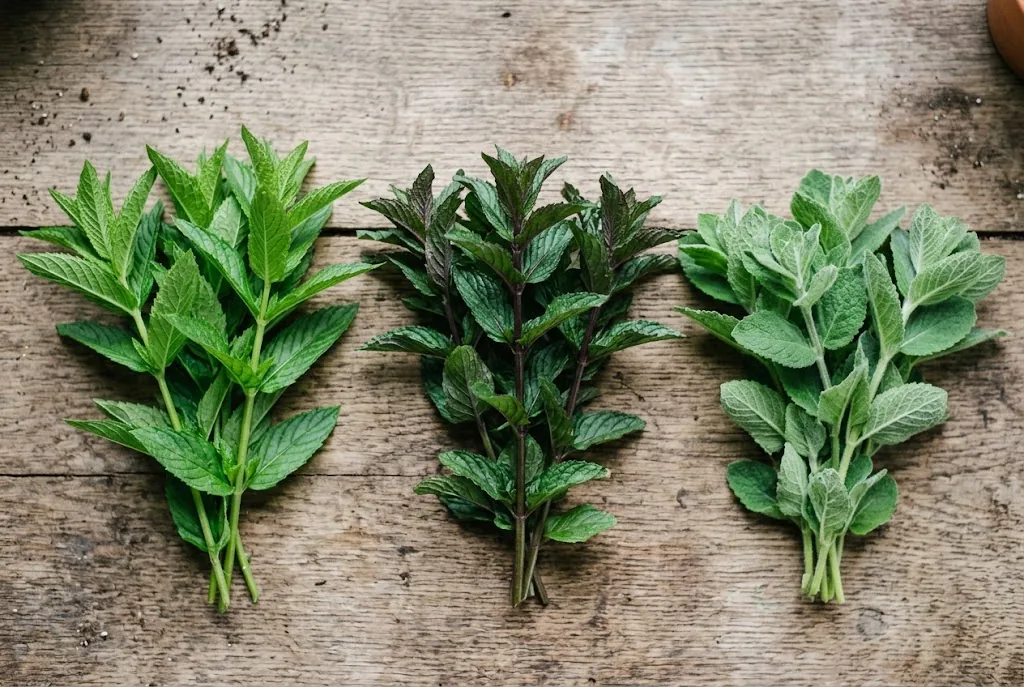
- Spear Mint (Mentha spicata): Often called classic garden mint or sweet mint, this selection is the traditional choice for savory cooking, Greek dishes, mint sauce, and southern mint juleps. Its flavor is sweet and mild because its essential oil is dominated by carvone rather than sharp menthol. The plant features pointed, toothed, lance-shaped leaves and produces spikes of pale pink to white flowers in midsummer.
- Pepper Mint (Mentha × piperita): A natural hybrid between spear mint and water mint (Mentha aquatica), this variety provides an intense cooling sensation driven by high natural menthol concentrations. Its dark green leaves often feature purplish stems. It is the premier choice for steeping hot mint tea, herbal infusions, and chocolate treats.
- Chocolate Mint (Mentha × piperita ‘Chocolate’): A delightful cultivar with bronzed stems and dark green leaves that carry an authentic cocoa undertone. It is especially popular for desserts, baked goods, and creative garnishes.
- Orange Mint (Mentha aquatica var. citrata): Also known as bergamot mint, this selection has rounded, glossy foliage with a distinctive citrus perfume that enhances fruit salads, summer punches, and cold infusions.
- Apple Mint (Mentha suaveolens): Noted for its rounded, woolly, pale green foliage and mild, apple-scented aroma with zero bitter aftertaste. The variegated selection, pineapple mint, produces attractive cream-and-green variegated leaves that look striking in patio pots.
Sunlight, Soil, and Planting Conditions
While many mint species are cold-hardy perennials, winter hardiness varies by species and cultivar. Check a nursery tag or seed packet against your local USDA hardiness zone. To keep plants healthy and ensure your stems produce flavorful, oil-rich leaves, aim for the following growing environment:
- Sun and Light: The plant grows best in full sun to partial shade. In northern and temperate gardens, four to six hours of direct morning sun produces compact, bushy growth. In regions with scorching summer afternoons, placing pots where they receive morning sun and afternoon shade prevents tender foliage from wilting.
- Soil and Fertility: Provide a fertile, humus-rich soil amended with aged compost. Plants prefer a slightly acidic to neutral soil pH between 6.0 and 7.0. While adaptable to average soil, adding organic matter gives plants the steady nutrition needed for continuous leaf production.
- Moisture and Drainage: Unlike drought-tolerant Mediterranean herbs, these species originated in damp meadows and stream banks. Maintain moist soil that holds water without becoming boggy. Containers must have unobstructed drainage holes to prevent standing water and root rot.
Essential Tips for Growing Mint in Pots and Containers
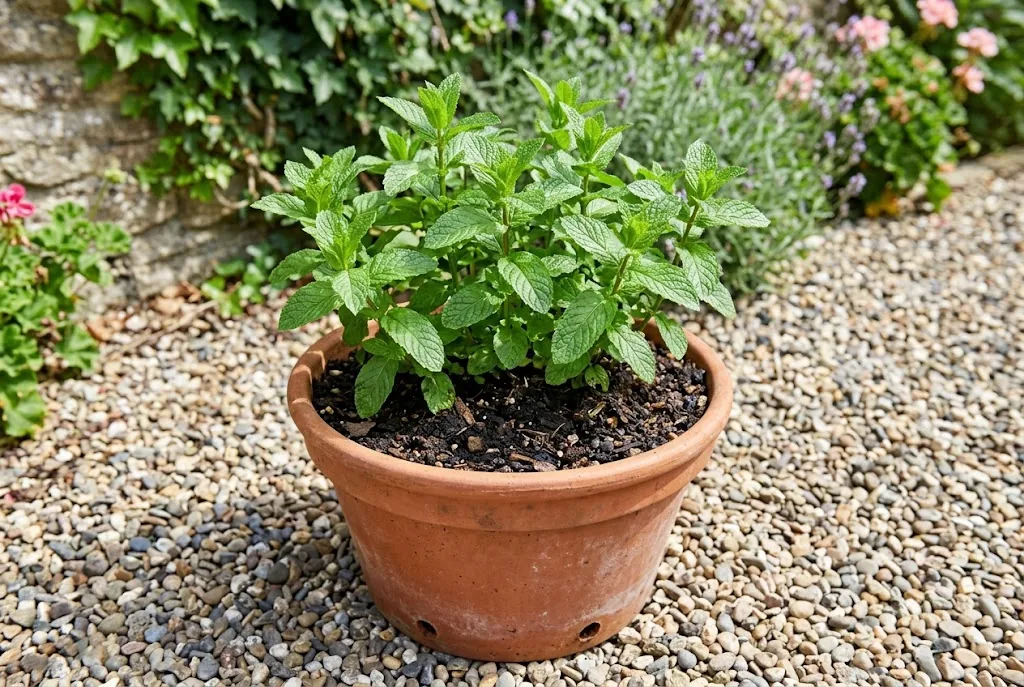
Because mint is a vigorous grower with aggressive spreading habits, planting in a pot is the single most effective way to protect your garden borders. Growing mint in pots establishes a solid physical barrier that restricts underground rhizomes while keeping aromatic sprigs within easy arm’s reach of the kitchen door.
When selecting containers, remember these practical principles:
- Container Size: Choose a pot with a minimum diameter of 10 to 12 inches and adequate depth for one mint plant. A wider pot gives spreading surface runners plenty of room to develop healthy new shoots.
- Potting Mix: Fill your pot with a lightweight, well-draining organic potting soil mixed with a small portion of well-rotted leaf mold. Avoid dense garden topsoil, which packs down and restricts root aeration.
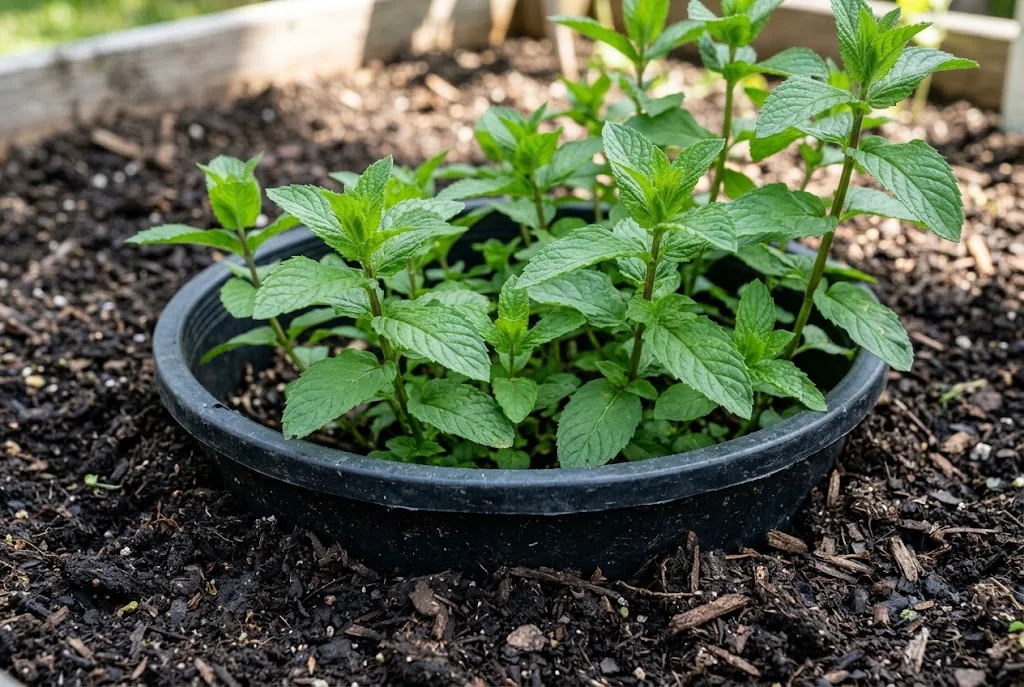
- In-Ground Containment: If you want to grow herbs in your garden beds alongside other vegetables, plant them in a large plastic container first. Bury the container into the soil bed, leaving the top two inches of the rim above the ground. This lip stops wandering surface stolons from escaping into surrounding soil.
- Indoor Cultivation: You can also keep plants indoors on a bright south-facing windowsill or under LED grow lights. Potted herbs grown inside the home require consistent moisture and frequent tip pinching to prevent leggy growth.
How to Grow Mint from Cuttings, Transplants, and Seeds
Gardeners can start new plants using several propagation methods, though vegetative propagation remains the most dependable.
Grow Mint from Cuttings
Taking stem cuttings or root cuttings is the fastest, most reliable method to produce new plants that match the parent in flavor and vigor. Propagate pepper mint and named cultivars from cuttings or division because seedlings, when viable, may not match the parent plant in flavor or growth habit.
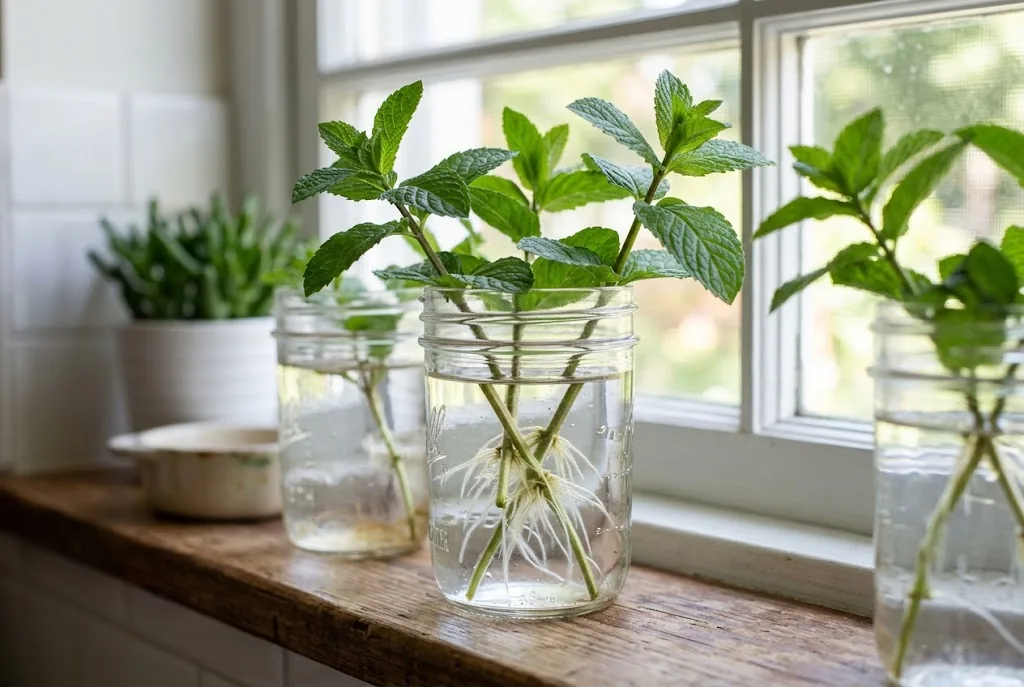
- Use sharp, sanitized snips to cut a four-to-six-inch healthy stem just below a leaf node.
- Strip the lower leaves, leaving only three to four leaves at the top of the cutting.
- Place the base of the sprig in a glass of room-temperature water on a bright, indirect windowsill.
- Change the water every two to three days to keep it clean and aerated.
- Within 7 to 14 days, robust white roots will develop along the stem. Once roots measure an inch long, pot the cutting into moist potting mix and water gently.
Planting Starter Plants and Divisions
Purchasing a young potted starter from a nursery or dividing an established clump from a neighbor is an excellent starting point. Dig a hole matching the depth of the root container, set the plant in place, firm the soil around the base, and water thoroughly until moisture flows from the bottom.
Starting Mint from Seed
If you choose to grow standard varieties from seed, start seeds indoors six to eight weeks before the last frost date in spring. Sow the tiny seeds across moist seed-starting mix, pressing them gently onto the surface without covering them, as the seeds require light to germinate. Maintain a steady temperature of 65°F to 70°F (18°C to 21°C). Seedlings emerge within two weeks. Thin the strongest seedlings and harden them off outdoors before growing it outside after the danger of frost has passed.
Routine Plant Care: Watering, Feeding, and Pruning
Routine care keeps mint vibrant, aromatic, and productive throughout the long growing season.
- Watering: Water whenever the top inch of potting soil feels dry to the touch. Give the container a deep soaking until moisture runs out the base. Potted plants in sunny spots may need daily watering during the peak of summer heat.
- Nutrient Management: These herbs need minimal feeding. Heavy fertilizer doses promote rapid, soft growth that dilutes aromatic oils. Feed lightly once in spring and once in midsummer using a balanced organic liquid seaweed extract, or apply a single spring top-dressing of organic humus.
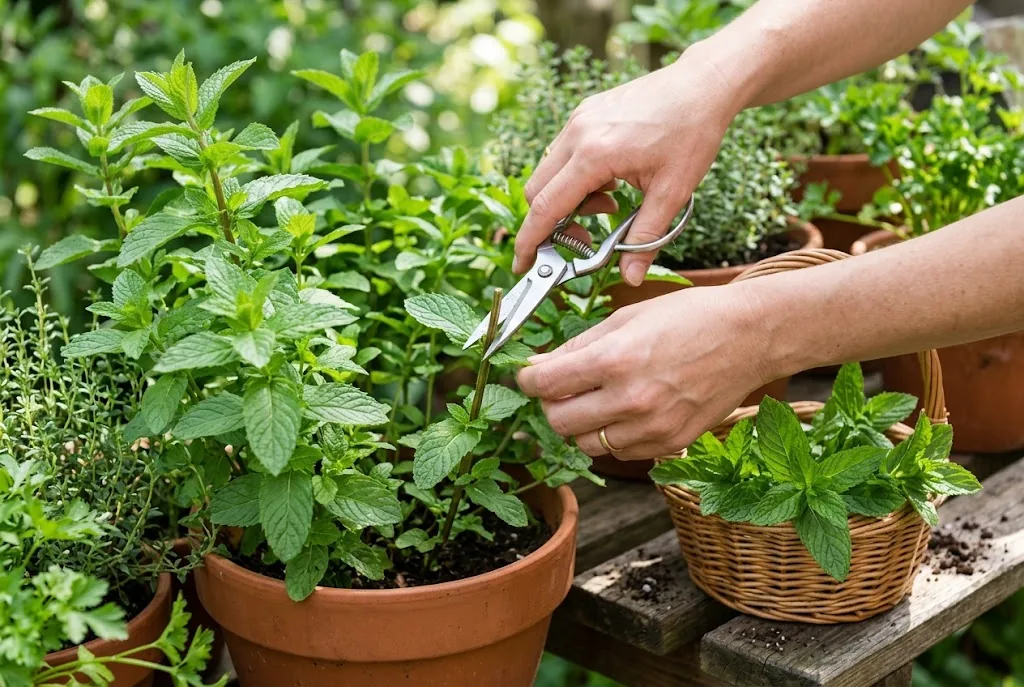
- Pinching and Pruning: Regular pinching is the key to a bushy, productive plant. Pinch out the top growing tips above a leaf node to stimulate side branching. Pinch buds before flowering when continued leaf production is the goal, or leave some flowers for pollinators.
- Replanting and Division: Potted plants become root-bound every two to three years. In early spring as new growth emerges, unpot the clump, slice the root ball into halves or quarters with a sharp knife, and replant one vigorous section into fresh potting soil, moving larger specimens into a larger container if desired.
Overwintering and Seasonal Transitions
These perennials are naturally cold-hardy. As temperatures plummet in late autumn, top stems and foliage will die back to the ground. This dormancy is a normal resting phase for the plant.
Before freezing winter weather arrives, cut the whole plant back to one inch above the soil level. In mild climates, pots can remain outdoors with a light top layer of mulch. In colder areas where container soil may freeze solid, move outdoor pots into an unheated garage, cold frame, or shed to protect the root ball from harsh freeze-thaw cycles. When warm spring weather returns, place the pot back into morning sunshine and watch vibrant green shoots emerge.
Harvesting, Kitchen Uses, and Storage
You can begin harvesting mint leaves as soon as plants reach six to eight inches in height. Frequent harvesting encourages constant fresh growth.
For complete harvest techniques, best morning harvest times, and cut strategies that maximize leaf regeneration, refer to our detailed guide on how to harvest mint. Always snip stems above a leaf node so the remaining plant branches out vigorously.
Freshly picked mint leaves shine in a wide array of home recipes and refreshing beverages:
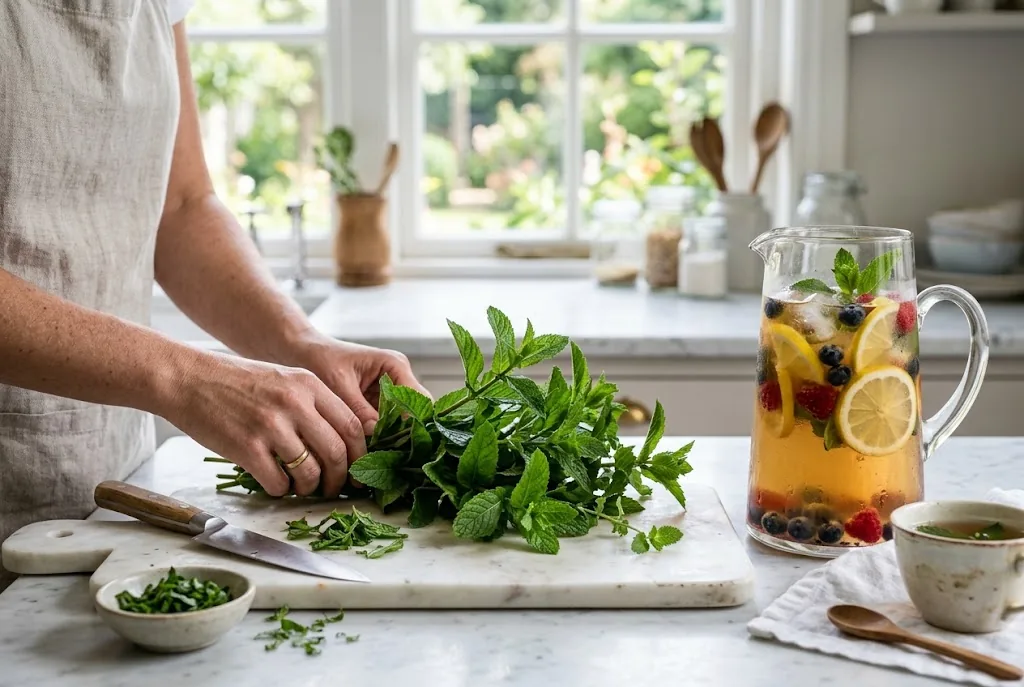
- Teas and Beverages: Muddle fresh leaves into iced teas, citrus lemonades, and sparkling fruit spritzers, or steep fresh leaves in boiling water for soothing herbal mint tea.
- Savory Dishes: Add chopped leaves to Mediterranean grain salads, chilled cucumber soups, Vietnamese spring rolls, roast lamb marinades, and fresh pea dishes.
- Sweet Treats: Garnish fruit salads, chocolate desserts, ice creams, and sorbets with whole decorative sprigs.
When pruning yields more sprigs than you can consume immediately, our companion tutorial on how to store fresh mint outlines how harvested stems can be stored in the refrigerator in a jar of water or frozen in ice cubes for long-term culinary use.
Troubleshooting Common Mint Problems
While this herb is famously tough, container gardeners should watch for a few common issues:
- Powdery Mildew: A white powdery fungal dusting caused by damp foliage and poor air circulation. Water at soil level rather than overhead, space containers to allow breezes, and keep plants in adequate light.
- Mint Rust (Puccinia menthae): Shows up as yellow, orange, or rusty brown spots on the underside of leaves. Prune and dispose of infected stems immediately; do not compost rust-damaged leaves.
- Aphids and Spider Mites: Small sap-feeding pests that cluster on tender new shoots. Wash them away with a sharp spray of water from the hose or apply organic insecticidal soap.
- Leggy Stems: Thin, stretched stems mean the plant needs more daily sunlight. Move the pot to a sunnier spot and trim back straggly stems to promote dense new foliage.
Frequently Asked Questions About Growing Mint
Can you plant supermarket mint in the garden?
Yes, supermarket sprigs sold as fresh culinary herbs in produce sections can often be rooted. Select sturdy green stems, trim the base, strip lower foliage, and place them in water to develop roots before potting them into rich soil.
How do you pick mint so it keeps growing?
Always snip individual stems just above a pair of leaves using clean shears, rather than plucking individual leaves. This pruning method signals the plant to produce two new branching stems from the node below the cut, doubling your foliage production over time.
Can mint be used as ground cover in garden beds?
The herb can serve as an effective, fragrant ground cover in contained landscape zones, steep slopes, or areas enclosed by solid concrete walkways. However, never plant it in open flower beds or vegetable gardens unless you are prepared for it to spread aggressively.
Does mint need fertilizer, and how much should I use?
The plant needs very little feeding. Over-feeding causes lush, leggy growth with diluted essential oils and weak flavor. An annual top-dressing of aged compost in spring, paired with one light application of liquid organic plant food in early summer, provides all the nutrients potted plants require.
