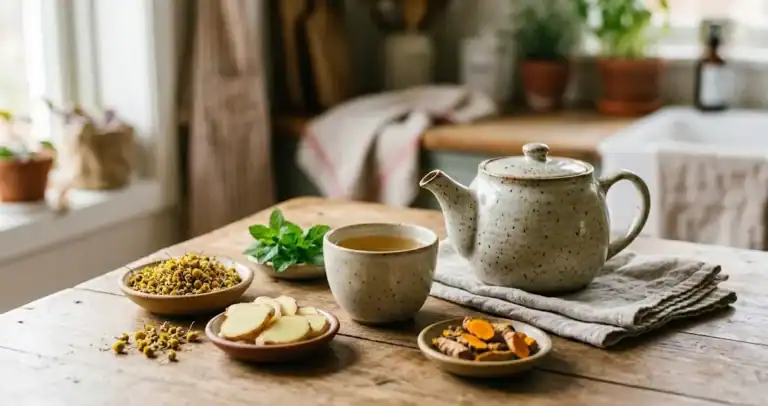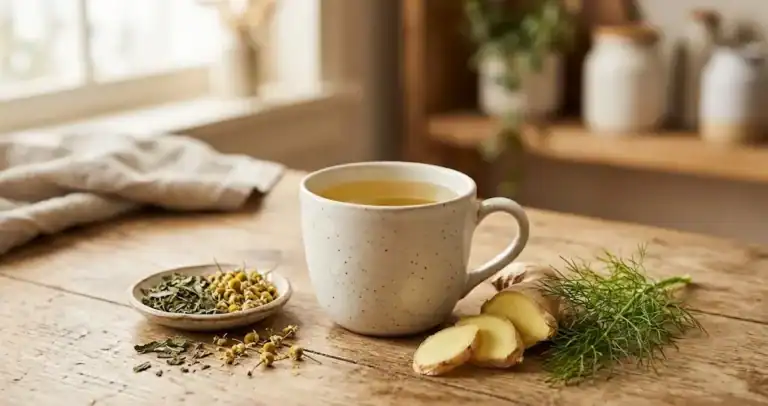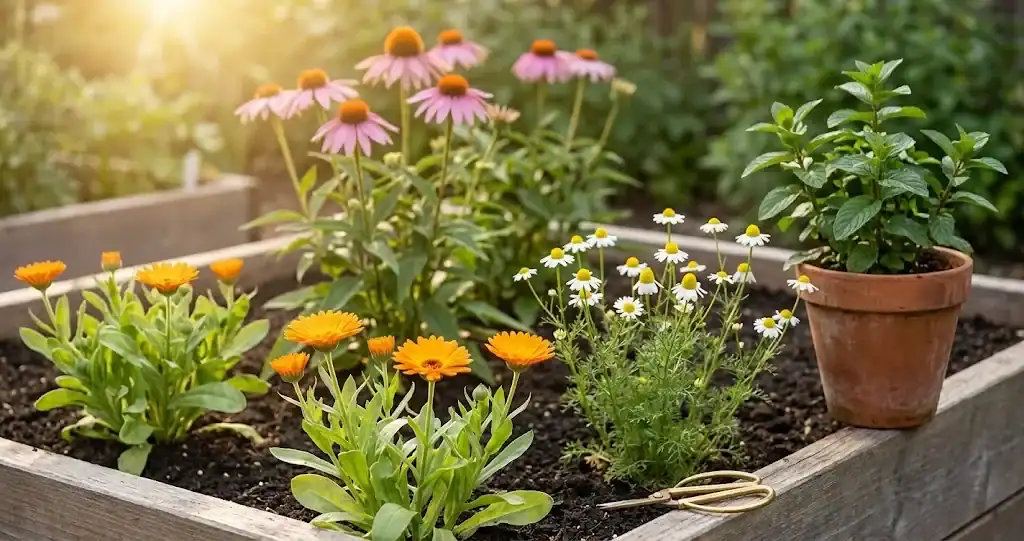
A small medicinal herb garden earns its space for reasons that have nothing to do with magic. Once you grow a few healing plants alongside your tomatoes, you have living medicine that you can identify, gather, dry, and steep into an evening infusion. The plants cost almost nothing to grow, ask for very little care, and most come back every year.
What follows is a practical look at what changes when you cultivate your own medicinal plants, the easiest species to start with, what the evidence actually says about their traditional uses, and the safety context that matters before you start.
What changes when you cultivate medicinal herbs at home
Grow a few medicinal plants in a sunny bed or a row of pots and you change five small things about your kitchen and your self-reliance. The first is freshness. Dried material loses aroma and potency within a year, and grocery store bundles are often older than that. A handful of fresh mint cut in summer keeps its cooling menthol in a way the jar on your spice shelf does not.
The second is knowing what you actually have. Wild foraging has its place, but a beginner who pulls a plant they cannot identify with confidence is making a guess about medicine. Growing your own removes that guess.
The third is cost. A packet of seeds costs less than a single dried jar from the health food store, and the same plant will reseed itself for years. The fourth is access. A sprig of fresh thyme or sage in winter, pulled from a pot on the kitchen windowsill, is something you cannot buy at any price.
The fifth is plant knowledge that only grows when you grow the plants. After two seasons of an orange-petaled bed, you understand its life cycle, its leaf shape, and the right time to cut. That knowledge is what makes a home remedy reliable instead of hopeful.
Easy medicinal herbs for a beginner bed
These five species cover most beginner needs, are easy to grow, ask for almost nothing from the gardener, and have been used in Western herbal medicine long enough that the evidence base is at least visible.
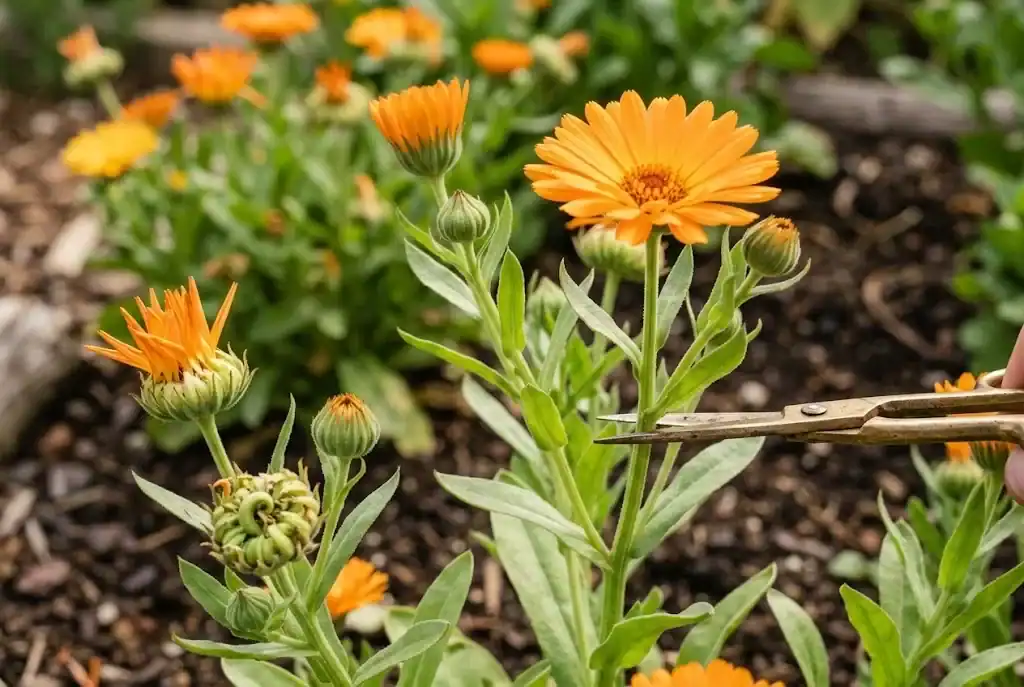
Calendula
This gateway plant germinates easily, flowers all summer, and reseeds. The orange petals are dried and used in a simple salve for minor skin irritation. A systematic review of calendula extract for wound healing found some supportive evidence for topical use, though the review authors rated the overall quality of that evidence as limited. Treat it as a gentle skin-soother, not a cure for anything.
Chamomile
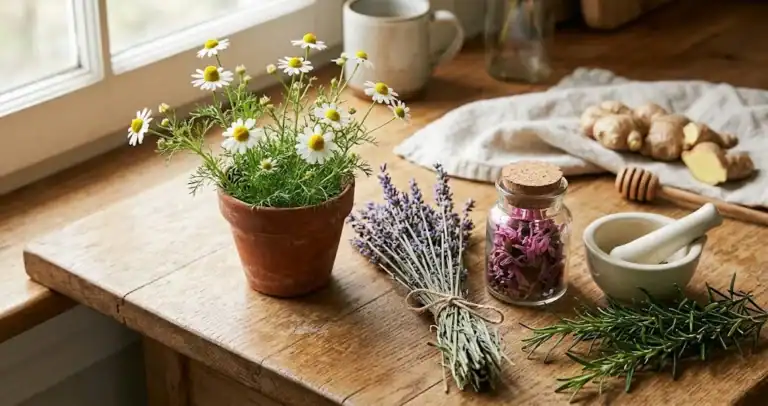
The daisy-like flowers like sun and well-drained soil, and the small blossoms carry the active compounds. Steep a tablespoon of dried flowers in hot water for a calming infusion that helps with an upset stomach and a restless evening. A 2010 review in Molecular Medicine Reports looked at the traditional calming and digestion support uses, though the authors were clear about the modest quality of the available evidence.

Peppermint
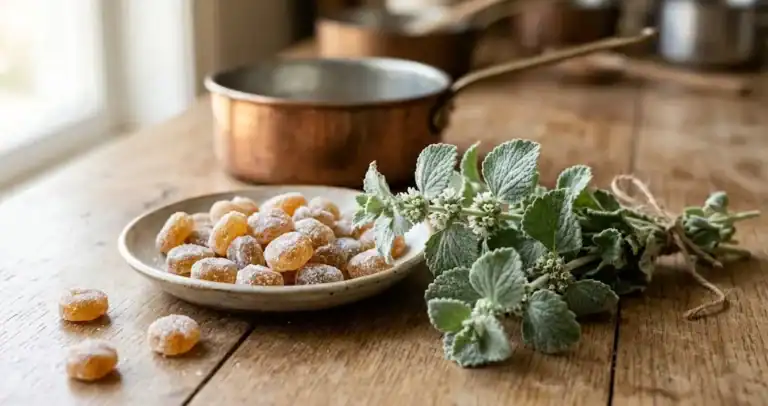
This cooling herb spreads fast, so plant it in a pot unless you want it to fill the bed. The leaves make a steeped drink that settled many a stomach long before modern medicine. There is reasonable evidence that the essential oil can help with symptoms of irritable bowel syndrome, per the NCCIH monograph, but an infusion is gentler and a far smaller dose. Mint family plants are perennial and forgiving.
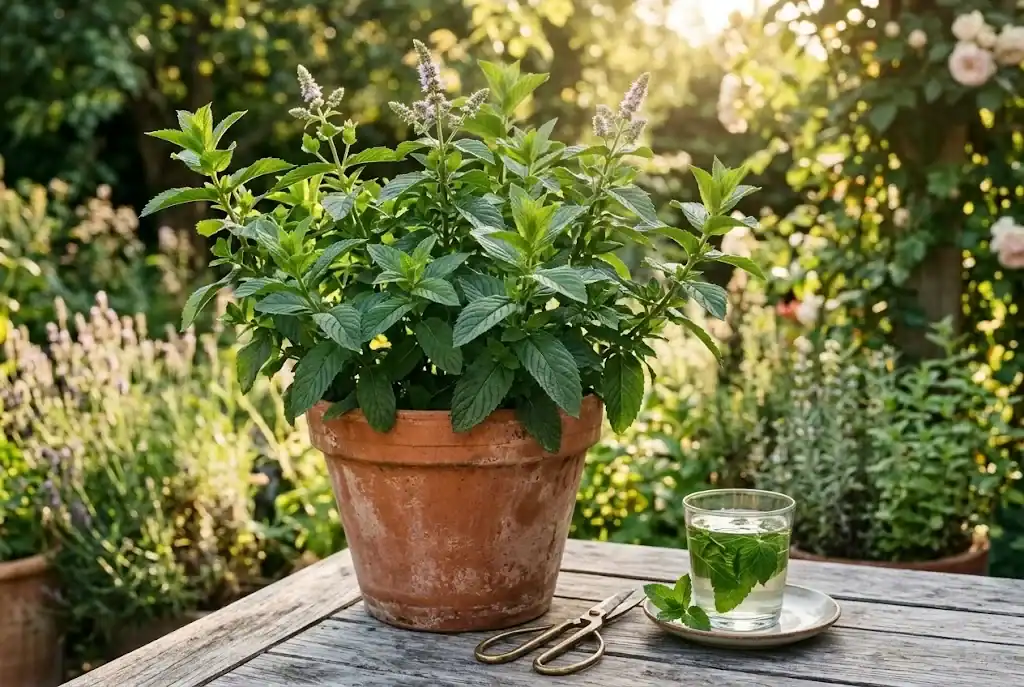
Lemon balm
Lemon balm is a member of the mint family, but its lemon-scented leaves make it useful in evening infusions that aim to relax. It is perennial, undemanding in a sunny bed, and benefits from regular cutting. Research on lemon balm for mood and sleep is preliminary; the historical record is longer.
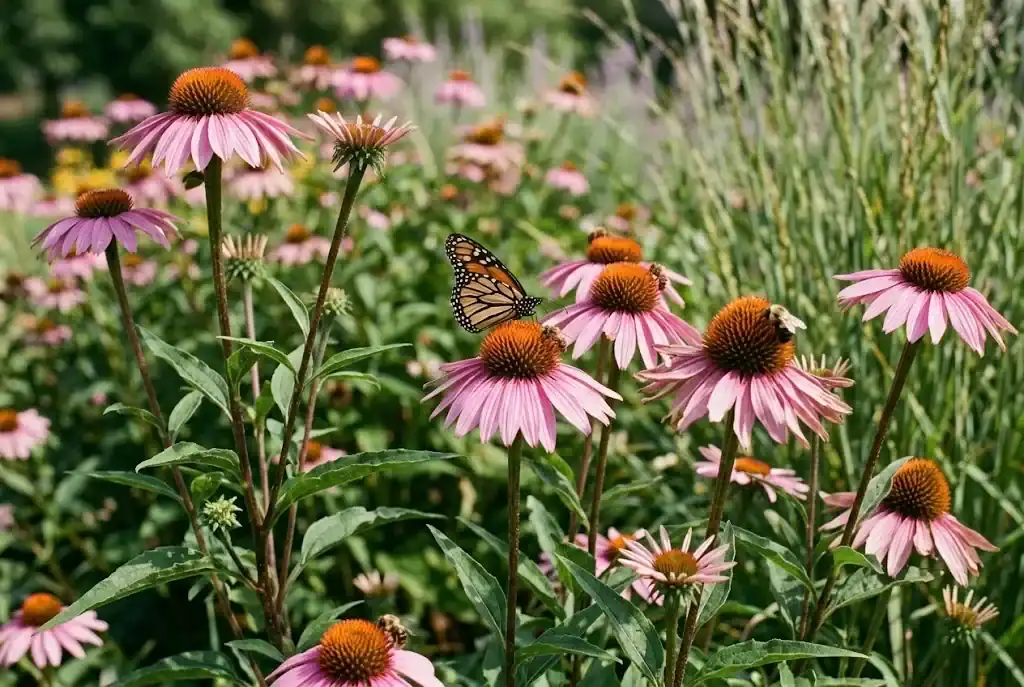
Echinacea
This North American native that pollinators love has aerial parts and roots that are used, often at the first sign of a cold. The evidence for this purple coneflower reducing cold duration is mixed; NCCIH’s review of the trials shows at best a small effect. Grow it for the pollinators, gather a bit for an infusion, and treat the claims as folklore until the science firms up.
More medicinal herbs to add in year two
Once the basics are settled, you can stretch the apothecary into a broader collection of medicinal plants without much extra work. Most of these ask for the same sunny, well-drained soil that the first bed already provides, and a few slot in alongside the vegetable garden as useful companion plants.
Yarrow is a hardy perennial with feathery leaves and flat white or pink flower clusters. It has been used topically for minor wounds and internally as a bitter tea for an upset stomach, though modern evidence is thin. Rosemary is a familiar kitchen herb from the Mediterranean that doubles as a memory and concentration aid in folk use. Oregano carries the same two roles, with the added benefit that pollinators love its flowers. Both are simple to grow in a sunny bed and tolerate dry conditions.
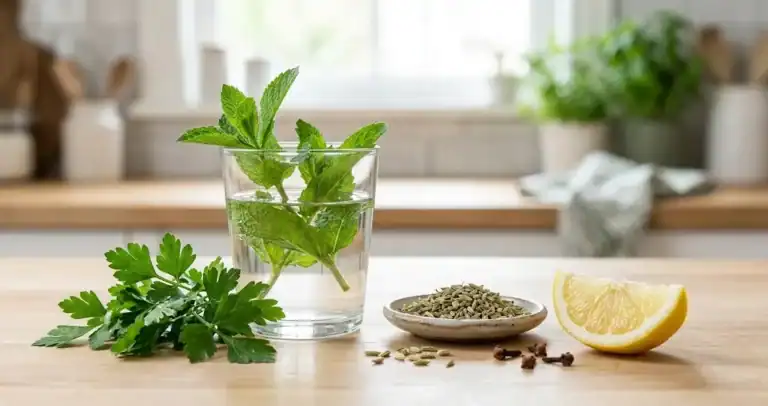
Dill is an annual that self-seeds freely and pulls double duty in the kitchen and the medicine cabinet. The seeds have a long folk history as a digestive aid after a heavy meal, and the foliage hosts swallowtail butterfly caterpillars. Elderberry is a shrub rather than an herb, but a single bush in a corner of the garden delivers clusters of late-summer flowers and dark berries that have been used for centuries in folk remedies for colds and flu. Valerian is a tall perennial with sweetly scented roots, traditionally used at night for sleep, though its strong smell puts off some gardeners.
A first-season plan that fits in one raised bed
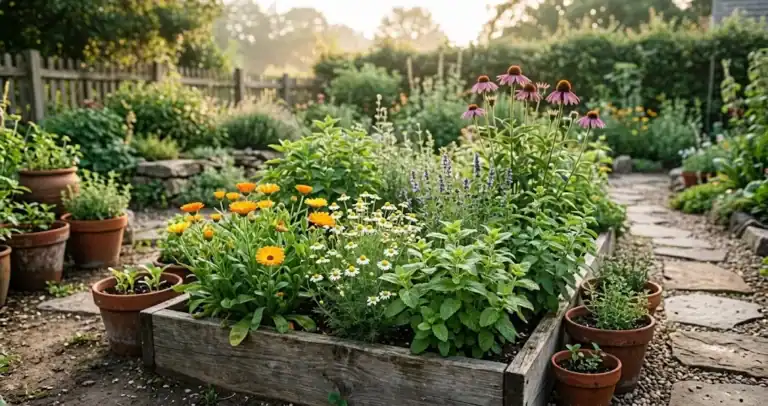
A 4 by 6 foot raised bed in full sun is plenty for a beginner setup. Plant the daisy-like flower and the orange-petaled bloomer as annuals along the front, where their flowers will be easy to reach. The native perennial goes at the back where it can stay for years. Mint and lemon balm belong in their own pots, sunk into the bed if you like, because they will invade anything they share soil with.
Water regularly until the perennials are established, then back off. Most medicinal plants come from Mediterranean or prairie climates and prefer well-drained soil over constant moisture. Compost in spring is enough fertilizer for almost all of them.
How to gather medicinal herbs without weakening the plant
The rule is simple. Cut no more than a third of the foliage at once, and never strip a perennial down to bare stems. Pick in the morning after the dew dries, when the essential oils are at their peak. For flowering species, gather the blooms just as they open. For leafy plants, cut the top third of the stems.
Drying is the easiest way to keep your harvest through the winter. Tie small bundles and hang them in a warm, dry, shaded spot with good air flow, or use a dehydrator on its lowest setting. Store dried material in glass jars out of direct light. Properly dried, the dried material keeps its potency for about a year.
Safety that matters before you brew an infusion
Most culinary and medicinal herbs in a home garden are safe in normal food amounts, but medicinal use is a different category. If you are pregnant, breastfeeding, giving herbs to children, taking prescription medicines, or living with a chronic condition, talk to a qualified clinician before relying on herbal remedies. Plants can interact with blood thinners, thyroid medicines, sedatives, and a long list of other drugs.
Be cautious with concentrated forms. Essential oils, tinctures, and extracts are many times stronger than an infusion. A few drops of this mint’s essential oil are not the same dose as a cup of steeped leaves, and some essential oils are not safe to ingest at all. Buy from reputable suppliers and follow label directions.
Allergies matter. People allergic to plants in the daisy family, including ragweed, may react to these flowers and the related species. Mint family members can bother people with sensitivities to that plant family. If you have a history of plant allergies, introduce one herb at a time.
Herbal medicine is not a substitute for medical care. If a symptom is severe, persistent, or worsening, see a qualified health professional. The role of medicinal herbs in a home garden is gentle support for common, everyday complaints, not treatment of serious conditions.
Common mistakes to avoid in your first year
The first is planting mint in the ground. It will still be there in five years, in places you did not plant it. Sink it in a pot instead. The second is over-harvesting. A perennial that has not yet grown back from a hard cut is a perennial you may lose. The third is assuming that more is better. A weak infusion is enough; a strong decoction can be too much.
The fourth is treating every wellness claim on the internet as fact. The honest answer to whether echinacea shortens a cold is that the evidence is mixed. That is the most useful answer.
The fifth mistake is ignoring identification. If you did not grow medicinal plants yourself from a known seed source, do not brew an infusion from them. There are look-alikes for several medicinal herbs, and the consequences of a wrong identification are not worth the savings. The sixth mistake is skipping the right gathering window. Pick leaves at the wrong stage of growth or in the wrong weather and you get a weaker preparation. Learn each plant’s window before you cut.
Where to go from here
Once you have grown a handful of medicinal herbs and seen how they behave in your garden, the natural next question is what to do with them in the kitchen, what other plants belong in a broader medicinal garden, and which ones are worth growing specifically for the cup.
The herbal wellness guide on the wider benefits of using herbal medicine is the hub for that broader picture. It moves from individual species into the wider world of herbal medicine, with notes on which plants are worth adding as your confidence grows.
For most home gardeners, the next useful step is to read about how the same plants behave when they are grown specifically for production, with notes on soil, sun, spacing, and rotations that go beyond the home-kitchen view.
The facts about growing medicinal herbs walks through what to plant first, where to put it, and how to keep it alive. It is the natural next step after this guide, and it complements it well.
Once your first bed is established and you have a small jar of dried flowers on the shelf, the question often turns to what else your garden can do for the kitchen and the medicine cabinet. The herbal wellness articles on Herbatorium cover both angles.
If your interest runs toward tea rather than salves, the piece on growing herbs for tea in your garden walks through species chosen for the cup rather than the tincture, with notes on picking timing and drying.
For most home gardeners, a first year of five well-tended plants teaches more than a dozen neglected ones. Learn their faces, their seasons, and the right time to cut. The benefits of growing medicinal herbs at home start small, in a single cup of an infusion or a small jar of dried flowers, and grow with the garden itself.
Sources and further reading
For background on the evidence behind specific herbs, the U.S. National Center for Complementary and Integrative Health maintains plain-language summaries on a range of common plants. The NCCIH calming herb entry and peppermint oil entry are a good starting point. For peer-reviewed summaries, search the herb name and the indication on PubMed, and look for systematic reviews rather than single small trials.