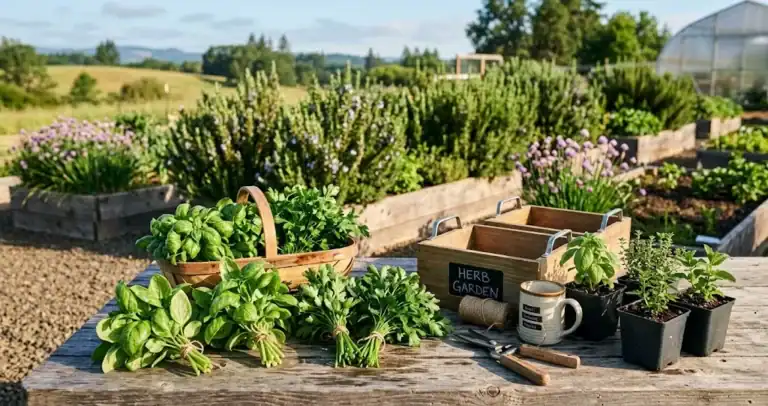
Cultivating your own culinary greenery is one of the most satisfying projects any gardener can undertake. Whether you cultivate an expansive backyard plot, arrange containers on a sunny patio to start growing, or line small pots along a kitchen windowsill, mastering growing herbs basics gives you access to fresh herb foliage, vibrant flavors, and pollinator-friendly blooms right outside your door. Growing your own herbs offers immediate culinary freshness, and freshly snipped sprigs elevate everyday meals far beyond what store-bought plastic packaging can offer, providing crisp texture and intense natural flavor at a fraction of the grocery store price.
The journey begins by understanding what each herb plant needs to flourish. While many popular herbs originate in sunny Mediterranean climates with rocky, lean earth, others thrive in rich soil and gentle woodland light. Learning how to match each culinary herb with its preferred environment ensures healthy, vigorous growth throughout the entire growing season. With a handful of practical growing tips to encourage branching and sturdy root systems, even absolute beginners can cultivate a flourishing kitchen garden that yields delicious herbs from early spring through autumn frost.
Essential Growing Conditions: Sunlight, Soil, and Drainage
Sunlight serves as the primary engine for leafy vigor and aromatic oil development. Familiar common herbs like rosemary, thyme, and oregano thrive in direct sunlight, requiring at least six hours of direct sunlight daily to maintain compact stems and concentrated fragrance. Because most culinary herbs need ample light, when deprived of adequate brightness, sun-loving varieties become leggy as stems stretch toward the light, producing pale foliage with diminished taste. If your outdoor space receives limited direct sun, shade-tolerant varieties such as chervil, sweet cicely, and spearmint grow best with gentle morning light followed by cool partial shade.
Effective drainage is equally essential for long-term plant health. Unlike heavy vegetable crops, herbs prefer loose, aerated ground, and each herb dislikes moisture-retentive loam. Standing water suffocates delicate herb roots and invites fungal rot, which can destroy an established stand within days. Whether you plant herbs directly in outdoor borders, build raised beds, or arrange terracotta containers, make sure water flows freely through the soil profile. If you are preparing a dedicated garden bed, understanding how much the soil matters will guide you in amending heavy ground with gritty mineral particles before planting.
Soil fertility should remain modest rather than overly rich. Incorporating a thin layer of organic compost before planting introduces beneficial microorganisms and improves soil structure naturally. However, excessive application of high-nitrogen synthetic fertilizer encourages weak, watery growth that dilutes aromatic oils and leaves foliage vulnerable to disease. Keeping aerated soil in full sun lean, aerated, and well drained helps each herb maintain its signature potency and natural disease resistance.

Choosing Your Plants: Annual, Biennial, and Perennial Herbs
Before purchasing potted starts or selecting herb seed packets, familiarize yourself with how different types of herbs complete their growth cycles. Classifying plants by life cycle helps you organize garden layouts efficiently, anticipate seasonal maintenance, and choose varieties that suit your climate.
Annual herbs complete their entire life cycle in a single year, germinating from seed, growing leafy stems, flowering, producing seed, and dying with the arrival of cold weather. Sweet basil, summer savory, and dill each represent a classic culinary herb in this fast-growing category. Because annual crops develop rapidly in warm soil, they are remarkably easy to grow from seed sown directly into garden beds once spring frosts conclude. Gardeners preparing an annual planting bed will benefit from selecting herb seeds sensibly to secure high germination rates and dependable garden performance.
A two-year herb requires two consecutive growing seasons to complete its lifecycle. During the first growing year, it produces a tidy rosette of vegetative leaves and establishes deep roots. In its second spring, the herb sends up a tall flower stalk to disperse seeds before dying back completely. Italian flat-leaf parsley is the classic biennial herb grown in home gardens. Because second-year foliage becomes tough and bitter once flowering initiates, most home cooks treat parsley as an annual and start fresh seedlings each spring.
A perennial herb lives for multiple years as a permanent plant, dying back during cold winter months or persisting as a woody evergreen shrub before resuming vigorous vegetative growth when warm weather returns. Tough woody selections like common sage, winter savory, and rosemary develop firm stems that endure mild winters outdoors. Herbaceous perennials such as garlic chive clumps, French tarragon, and peppermint survive freezing winter ground by storing energy in underground crowns, emerging with fresh shoots as soon as spring temperatures rise.

How to Plant and Establish Your Herb Garden
Careful site preparation and thoughtful spacing establish the foundation for a productive growing area. When setting up an herb garden from scratch, consult our practical herb garden guide on beginner herb gardening fundamentals to plan bed dimensions, design a beautiful herb garden layout, and select reliable tools suited to routine garden upkeep.
When buying herbs as nursery starts or propagating herbs from healthy stem cuttings, dig an opening slightly wider than the root ball and identical in depth. Gently tease apart circling root tips at the base of the root ball to encourage outward root expansion. Set the plant so the crown sits level with the surrounding grade, backfill with amended native soil, and press down lightly to remove large air pockets. Water the newly set transplant thoroughly to settle the herb root zone. Proper spacing prevents overcrowding and encourages air movement: compact spreaders like thyme need twelve inches of clearance, whereas sprawling perennial shrubs like sage and winter savory require two to three feet of open bed space.
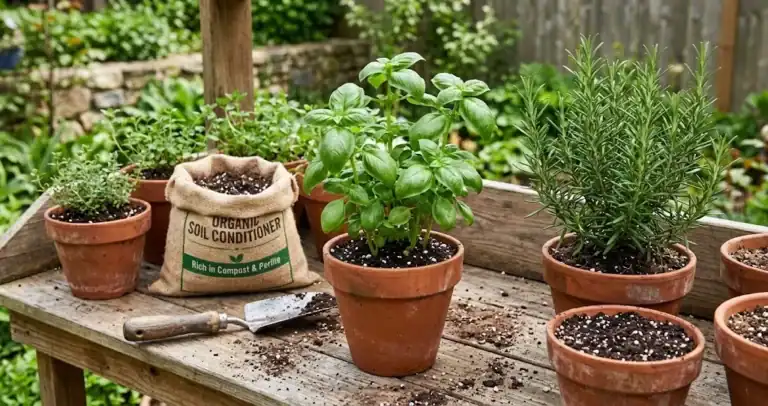
Growing in containers is an outstanding option for urban courtyards, sunny balconies, and apartment steps. Always choose a durable herb planter or pot with open drainage holes at the base. Porous unglazed terracotta containers are best for growing any potted herb because clay walls allow moisture and oxygen to diffuse freely, safeguarding fine root hairs against moisture stagnation. Fill your herb containers with a light, well-aerated potting mix containing perlite or pumice rather than heavy garden topsoil, which packs down tightly inside container walls.
Be deliberate when combining different botanical species in a single large planter. Pair varieties that share matching moisture and light preferences, such as grouping Mediterranean lavender, thyme, and oregano in one gritty trough. If you want to grow mint, always isolate vigorous spreaders like garden mint in a dedicated single pot; otherwise, aggressive underground stolons will quickly overrun adjacent companion roots.

Watering, Feeding, and Routine Maintenance
Balanced watering practices prevent root stress and keep foliage vibrant throughout hot summer spells. It is generally best to water deeply and less often rather than providing shallow daily sprinkles. Thoroughly saturate the root zone, and then wait until the top two inches of soil dry completely before watering again. To check soil conditions, push your finger into the earth near the root crown; if the soil feels cool and moist at knuckle depth, delay irrigation for another day or two.
Nutritional needs for aromatic crops are modest. Plants settled in garden loam enriched with aged compost rarely need additional fertilizer. Potted herb plants benefit from a dilute application of organic liquid kelp or fish hydrolysate once every four weeks during peak summer growth. Avoid overfeeding, because excess nitrogen produces soft, sappy leaves that attract chewing aphids and spider mites while diluting characteristic essential oils.
Weed prevention and moisture retention help organic herbs thrive. Spread a two-inch protective blanket of clean organic mulch, such as shredded leaves or fine pine bark, across bare soil around the base of established plants. Mulch keeps root zones cool during summer heat waves, slows soil moisture evaporation, and suppresses competitive weed seeds. Scouting for pests protects everything you grow in your garden; check foliage for pest activity by examining leaf undersides regularly. A brisk spray of water on your herb foliage or a targeted wash with diluted insecticidal soap easily handles minor insect infestations without disrupting garden ecology.
Pruning, Harvesting, and Preserving Fresh Herbs
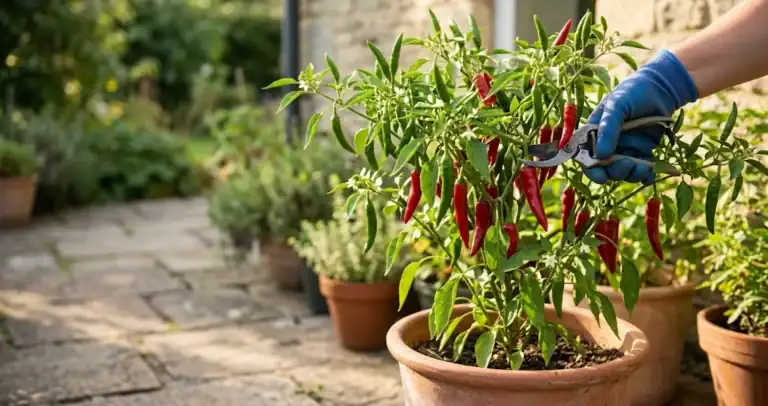
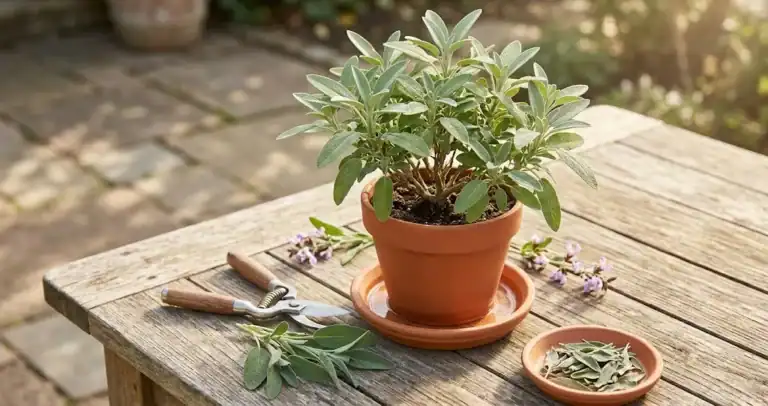
Routine leaf harvest is the most reliable way to maintain compact, vigorous plants that produce abundant new growth. Pinching off the top terminal shoots prompts lateral buds along lower stem nodes to break dormancy and branch outward, turning a thin single stem into a full, bushy specimen. Always use sharp floral snips or clean kitchen shears when cutting stems, as dull tools crush plant stems and tear delicate bark tissue.
The best time to harvest herbs is mid-morning for best flavor, right after morning dew has evaporated from the leaves but before midday sunshine warms the garden. Gather your regular harvest by cutting no more than one-third of the total vegetative mass at a time so the individual herb plant retains enough photosynthetic area to regenerate quickly. If flower spikes begin to appear on an annual herb like basil, prune them away immediately. Blooming directs plant energy into seed development, which alters leaf flavor and causes older foliage to turn coarse and bitter.
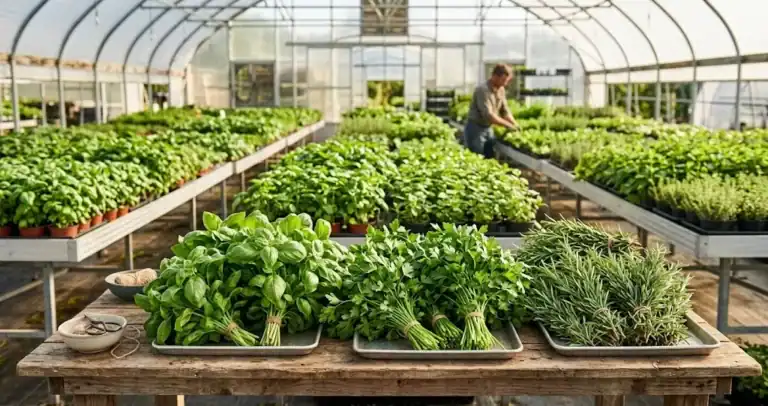
When your harvest yields more fresh sprigs than your kitchen can immediately use, preserving the bounty ensures a continuous culinary supply. To dry herbs, tie four to six stems together at the base and suspend the bundles upside down in a warm, dark, well-ventilated pantry for ten to fourteen days until the leaves crumble easily. Alternatively, freeze minced leaves inside silicone ice cube trays filled with extra virgin olive oil or water for convenient cooking portions. Knowing how to preserve and store herbs for winter keeps your pantry stocked; store whole dried leaves inside airtight glass jars kept in a cool, dark cabinet away from direct heat and stove vapors.

Culinary Applications, Botanical Health, and Safety
Fresh culinary herbs provide delicious flavor while delivering valuable dietary benefits from each culinary herb. Educational resources from the University of Connecticut Extension highlight that fresh culinary botanicals contain diverse polyphenols, carotenoids, and natural aromatic terpenes that enhance meals while allowing cooks to reduce added table salt without compromising taste. Incorporating chopped rosemary into roasted root vegetables or blending fresh parsley into crisp grain salads adds valuable dietary diversity to everyday cooking.
Horticultural guidance from Penn State Extension notes that maintaining a diverse backyard herb garden supports beneficial pollinator populations, enhances local biodiversity, and offers restorative physical activity for home gardeners. Many traditional garden herbs also possess documented herbal uses. However, gardeners should maintain a clear distinction between ordinary culinary herb use and concentrated herbal extracts or essential oils. While using fresh leaves in home cooking is universally recognized as safe, therapeutic herbal doses require sensible medical care and cautious evaluation, especially for pregnant individuals, nursing mothers, or anyone managing chronic health conditions. When using concentrated herbal preparations, always consult a qualified healthcare provider.
Frequently Asked Questions About Growing Herbs
What is the easiest herb to grow for a beginner?
Sweet basil and garden chives are among the easiest herbs to grow for a beginner, making them ideal starter crops. Both germinate readily from seed, grow vigorously in pots or garden beds, and display clear, prompt visual cues when they require moisture or supplemental sunlight.
Can I grow herbs indoors on a sunny windowsill?
Yes, growing herbs indoors is very achievable; many culinary herbs grow successfully indoors on a bright south-facing windowsill that receives ample unobstructed natural sunlight throughout the day. If indoor light levels are low during short winter months, supplement with an adjustable full-spectrum LED grow light placed six inches above the plant foliage.
How often should you water herbs in containers?
Container-grown plants generally need watering two to three times each week during warm summer weather, and less frequently during cool spring or autumn periods. Always test soil moisture with your finger and water only when the top two inches feel dry to the touch.
Which herbs should not be planted together in the same pot?
Avoid combining aggressive spreading plants like mint in a shared pot with other species, because its vigorous underground runners will quickly crowd out companion root systems. In addition, do not mix drought-tolerant Mediterranean varieties like rosemary with moisture-loving leafy herbs such as basil or parsley.