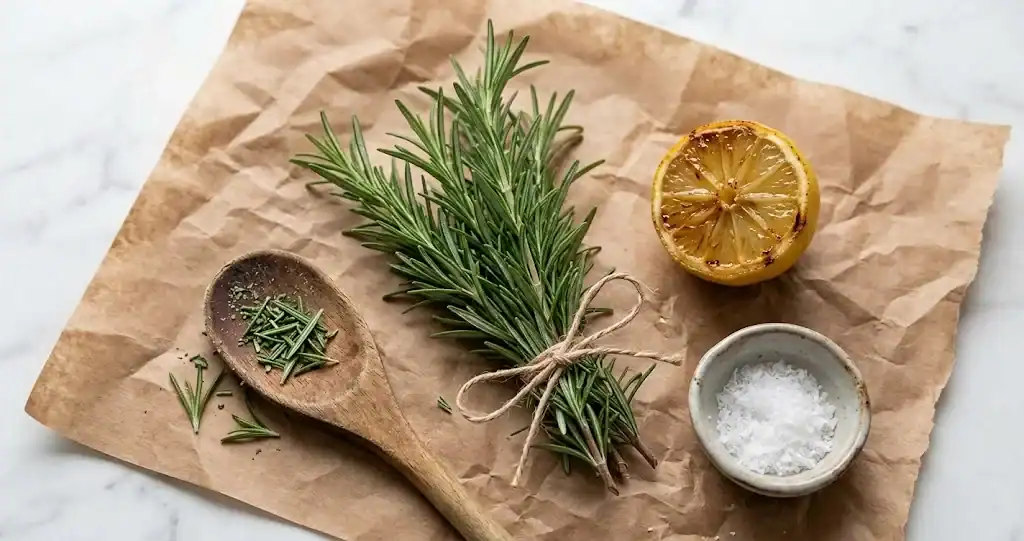
Few kitchen herbs earn a spot on the windowsill all year, but this one does. A single stalk rubbed from a hot pan, dropped into a cake tin, or steeped in olive oil changes the meal around it. Most cooks try it once, like the flavor, and then quietly start asking what else to do with the leaves. This collection of rosemary recipes answers that question with simple meals you can rotate through the week, from a five-ingredient tray of spuds to a slow-baked lemon chicken and a plate of fragrant shortbread.
Start with one recipe that matches what you have. A pot of fresh sprigs goes further than people expect, and dried leaves have their own uses in a long sauce or stew. Read our guide to cooking with this plant for technique basics, or jump straight to the list below.
Why it belongs in your cooking
Rosemary sits in the same aromatic family as thyme and oregano, and it carries the deepest, most resinous scent of the three. The woody stems hold their flavor through long oven cooks, while the soft new leaves release perfume quickly when chopped. This dual character is what makes the plant so flexible: it can season a chicken for four hours without turning bitter, then perfume a shortbread for ten minutes without fading.
Fresh or dried – which to use and when
Use fresh sprigs when you want to see and taste whole leaves: roasted potato, focaccia, skewers on the grill. Strip the leaves from the lower stem by running your thumb backward, then chop them finely if you do not want to bite a stiff needle. Use dried leaves in long-cooked sauces, stews, and any dish where they can rehydrate and disperse, since the dried leaves lose their color quickly and can turn dusty if added at the end.
For a deeper look at how to keep either form at its best, see our storage guide.
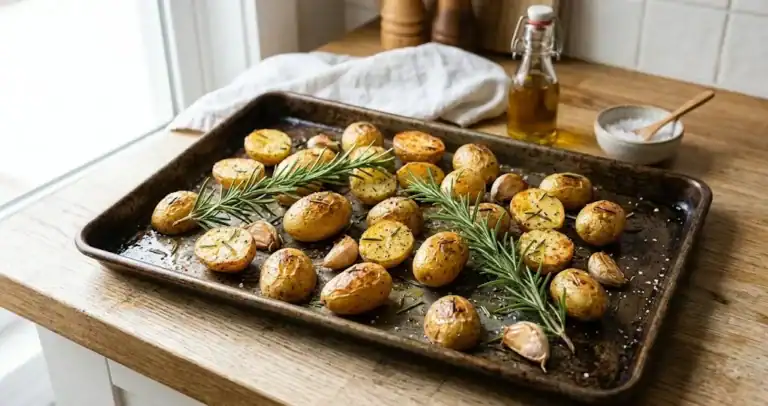
Rosemary roasted potatoes
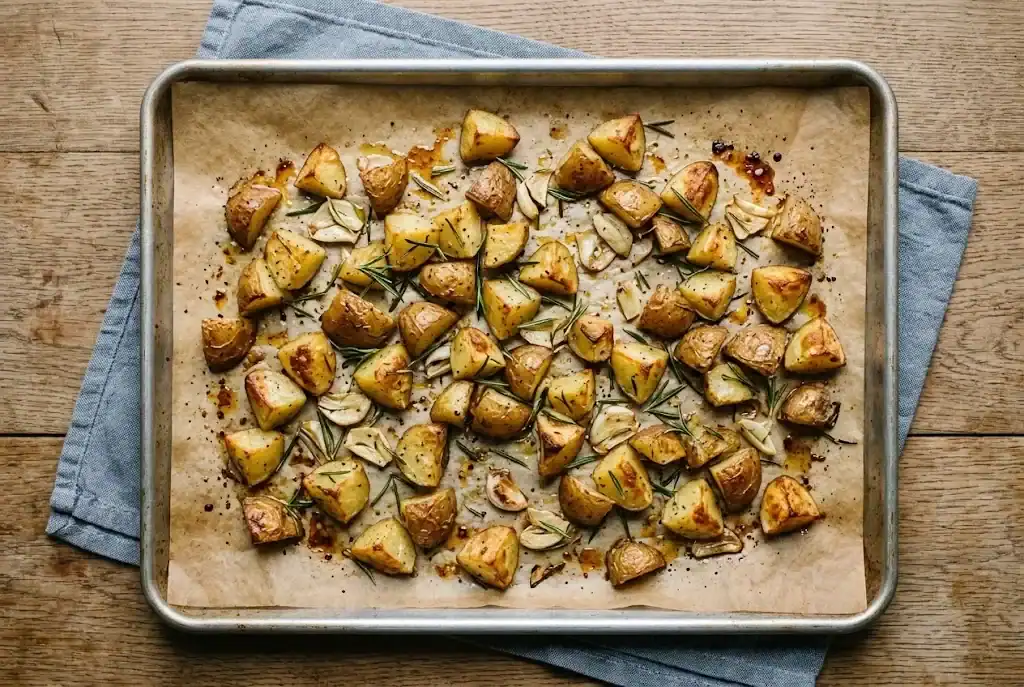
This is the recipe that converts skeptics. The leaves roast alongside the spuds and turn crisp at the edges, leaving you with potatoes that smell like a Sunday lunch. Use waxy potatoes for creamy centers; starchy ones for a fluffier finish.
Ingredients: 1 kg potato, cut into 2 cm chunks; 3 tbsp olive oil; 2 tbsp fresh rosemary, chopped; 1 tsp kosher salt; black pepper.
Heat the oven to 220°C / 425°F. Toss the spud with the oil, rosemary, salt, and pepper on a sheet pan. Spread them in a single layer – crowding steams, so use two pans if needed. Roast for 35 to 45 minutes, flipping once at the halfway point, until the potato is golden brown and tender. Serve immediately, scraping up any crisp bits that have stuck to the pan. A squeeze of citrus over the top brightens the side and turns it into something that stands up to anything.
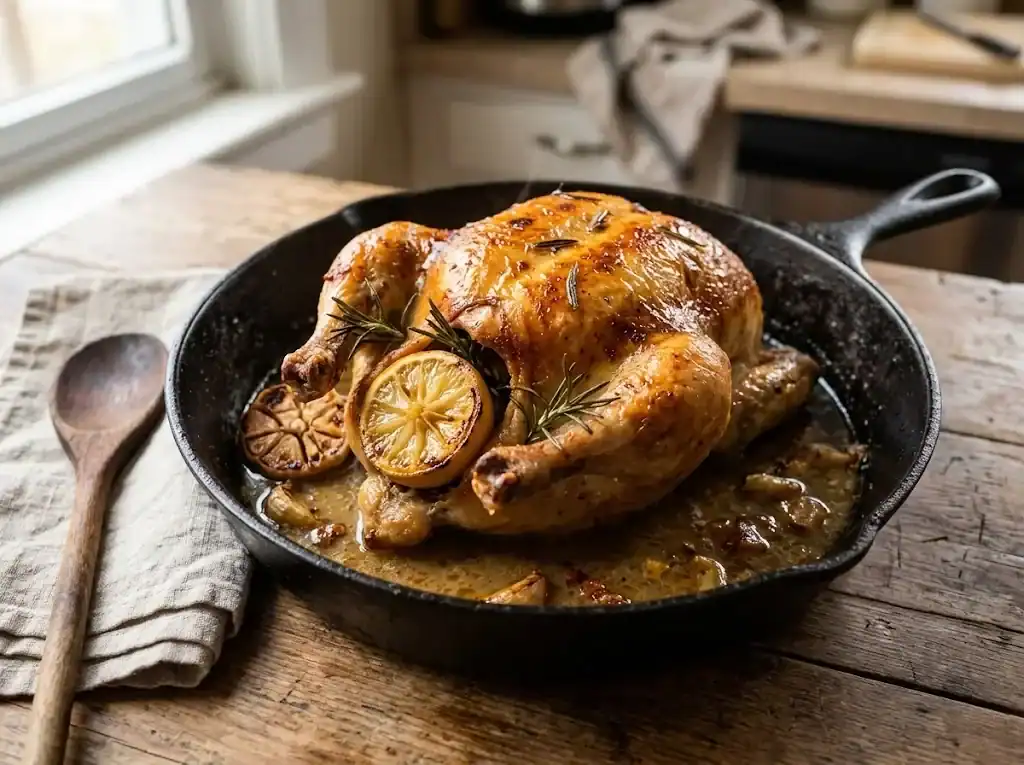
Chicken with citrus and aromatics
A classic pairing of herb and bright note. A halved lemon keeps the white meat moist while the rosemary perfume permeates the skin. Leave the skin on for the best flavor and a glossy finish.
Ingredients: 1.6 kg whole chicken, patted dry; 1 small lemon, halved; 1 head of garlic, halved across the middle; 4 sprigs fresh rosemary; 2 tbsp olive oil; 2 tsp kosher salt; black pepper.
Heat the oven to 200°C / 400°F. Rub the chicken all over with the oil, salt, and pepper. Stuff the cavity with the citrus halves, garlic halves, and three sprigs. Tuck the remaining sprig under the skin of the breast if you can. Roast on a rack over a sheet pan for about 1 hour 10 minutes, or until the juices run clear at the thigh. Let the bird rest for 10 minutes, then carve. Spoon the pan juices over each portion.
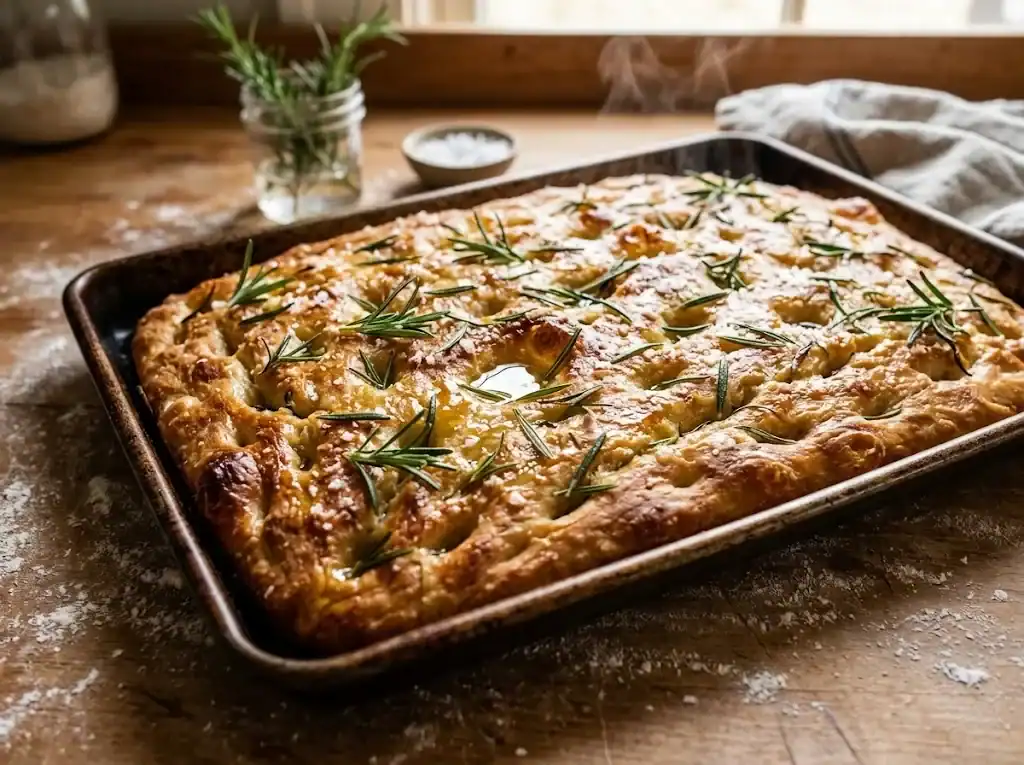
Rosemary focaccia
This loaf proves the plant belongs in baked goods as well as savory dishes. The dough only needs one rise, which makes the recipe friendly to a busy weekend morning.
Ingredients: 500 g strong bread flour; 10 g instant yeast; 10 g salt; 1 tsp sugar; 360 ml lukewarm water; 60 ml olive oil, plus more for the pan and drizzle; 2 tbsp fresh rosemary; flaky sea salt to finish.
Mix the dry ingredients in a large bowl. Add the water and 30 ml olive oil, then stir to a shaggy dough. Cover and leave for 1 hour until puffy. Oil a 25-by-35-cm pan generously. Stretch the dough into the pan, dimple the surface with your fingertips, and let it rest for 20 minutes more. Heat the oven to 220°C / 425°F. Drizzle the dough with the remaining oil, scatter the leaves over the top, and finish with flaky salt. Bake for 22 to 25 minutes, until deeply golden. Cool in the pan for 10 minutes before slicing into squares.
For a broader look at how this herb fits into the wider kitchen pantry, see the culinary herbs guide.
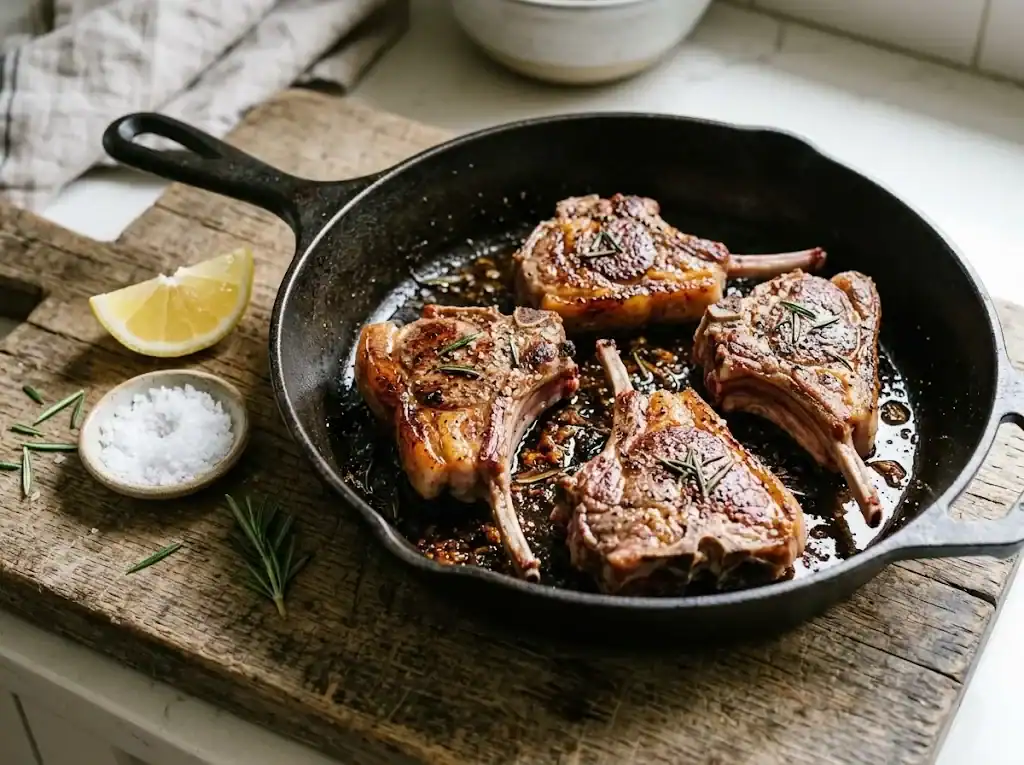
Rosemary lamb chops
Lamb and this herb have shared Mediterranean tables for centuries, and the combination remains one of the most satisfying ways to cook a quick dinner. A short marinate does most of the work; the pan finishes the job in minutes.
Ingredients: 4 lamb loin chops, about 200 g each; 3 tbsp olive oil; 2 tbsp fresh rosemary, finely chopped; 1 tsp kosher salt; black pepper; juice of half a small citrus.
Stir the olive oil, leaves, salt, pepper, and citrus juice together in a shallow pan. Add the chops and turn to coat. Marinate for 30 minutes at room temperature, or up to 4 hours in the refrigerator. Heat a cast-iron skillet over high heat until just smoking. Lay the chops in the pan and sear for 3 minutes on each side for medium-rare, longer if you prefer. Rest the meat for 5 minutes, then serve with the pan juices spooned over the top.
Rosemary shortbread
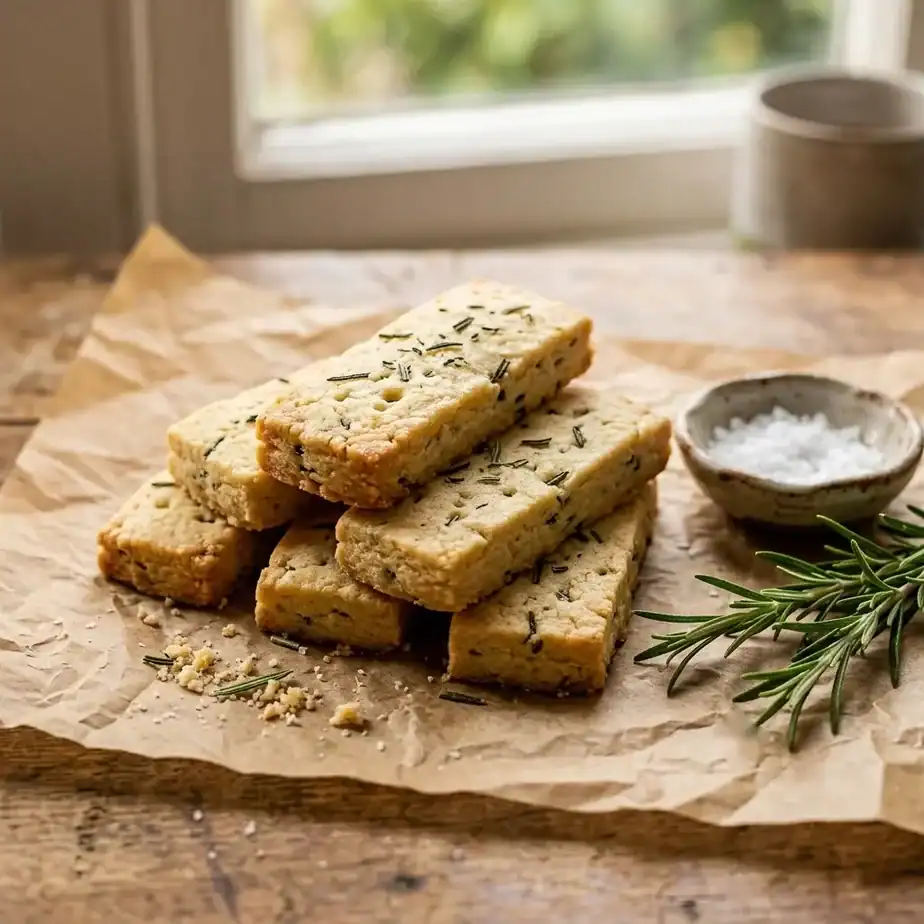
This herb in a sweet biscuit sounds odd until you try it. The savory edge balances the butter and sugar, and the result pairs well with tea, cheese, or a glass of late-harvest wine. The dough comes together in one bowl and bakes in a single tin.
Ingredients: 225 g unsalted butter, softened; 100 g caster sugar; 1 tbsp fresh rosemary, very finely minced; 1 tsp vanilla extract; 1/4 tsp fine salt; 280 g plain flour.
Heat the oven to 160°C / 320°F and line a 20 cm square pan with parchment. Cream the butter and sugar together until pale and fluffy, about 4 minutes with an electric beater. Beat in the leaves, vanilla, and salt. Add the flour and mix on low just until the dough comes together. Press the dough evenly into the prepared pan. Score the surface into fingers or diamonds with a sharp knife. Bake for 35 to 40 minutes, until the edges are golden brown. Cool in the pan for 10 minutes, then cut along the scored lines and cool completely on a rack.
Infused olive oil
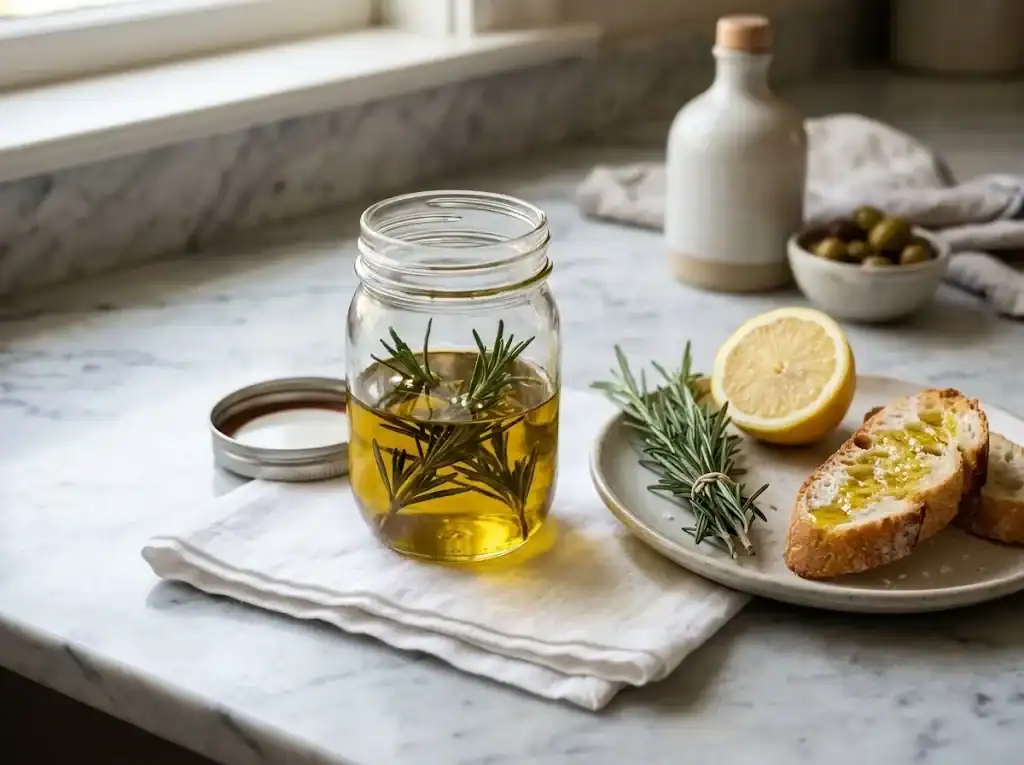
Infused oil is the most flexible recipe in this collection. A jar in the fridge handles weeknight cooking all month long: drizzled over roasted vegetable, whisked into a quick sauce, or brushed on focaccia before it goes into the oven.
Ingredients: 250 ml good extra-virgin olive oil; 4 sprigs fresh rosemary; 1 tsp black peppercorns.
Warm the oil gently in a small saucepan over low heat until it reaches about 60°C / 140°F. Remove from the heat and add the sprigs and peppercorns. Cool to room temperature, then pour into a clean glass jar. Seal and refrigerate for up to 4 weeks. Use the flavored oil within that window and discard if it clouds or smells off. A tomato salad dressed with the oil and a flake of salt is a quick lunch, and a spoonful stirred through cooked pasta with parmesan turns into a five-minute dinner sauce.
Quick tips for tastier results
Chop the leaves just before you need them. Chopped sprigs left on the cutting board lose their top-note oils within minutes. Strip leaves from the woody stems rather than trying to mince the stems whole. Pair the plant with fat (olive oil, butter, lamb drippings) – it is the fat that carries the aroma onto the food. Save the bare stems for stocks, fire-starters, or a jar of sugar for shortbread crusts. A small pot of fresh sprigs on the kitchen windowsill keeps you supplied all winter.
Try these everyday ways
These recipes cover most of the situations home cooks actually face. Pick the one that matches what you are doing tonight: roasted spuds on a sheet pan, a chicken in the oven, a slow Saturday loaf of focaccia, a pan of lamb chops to sear at the last minute, a tin of shortbread for the weekend. Keep the dried leaves on the shelf for sauces and a small jar of infused oil in the fridge, and you will work this plant into your cooking nearly every day.
Quick questions for the cook
Can I use the dried leaves in place of fresh?
Yes, but in smaller quantity. Dried leaves are more concentrated than fresh, so use roughly one third of what the recipe calls for in fresh leaves, and add the dried leaves early so it has time to soften and disperse through the meal. Fresh leaves work best when added at the end for a bright note; dried works better in long cooks.
What drinks can I make?
Steep a few sprigs in hot water with honey for a simple herbal tea. Add a small sprig to a pitcher of lemonade and chill for an hour before serving. Muddled leaves at the bottom of a glass with citrus and a touch of sugar make a quick mocktail or cocktail base.
What about a sweet use beyond shortbread?
The leaves pair with stone fruit: tucked around sliced peaches or plums before roasting, or simmered with apricots and a little sugar into a quick compote. They also work in citrus desserts, where their resinous note balances sweet custards and lemon curd.
Can the plant do anything else useful around the kitchen?
A small bundle of sprigs hung under a faucet adds a faint perfume to washing water. Leaves tucked into a sugar jar gently scent the sugar over a week, and that sugar bakes into cookies and cakes with a quiet rosemary note. Stored in a jar in a dark cupboard, dried sprigs double as a sachet for linens.