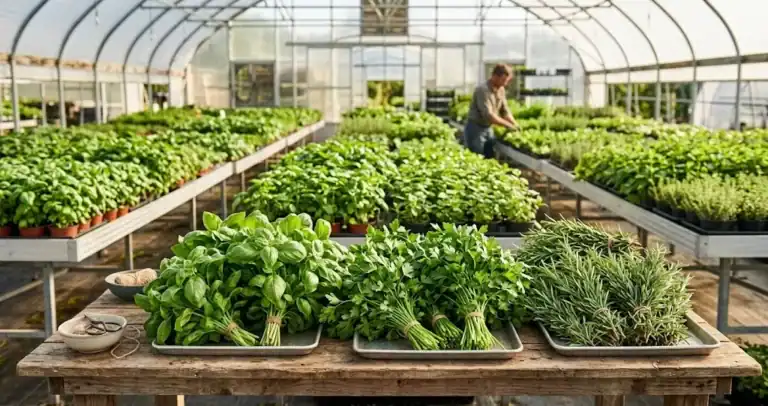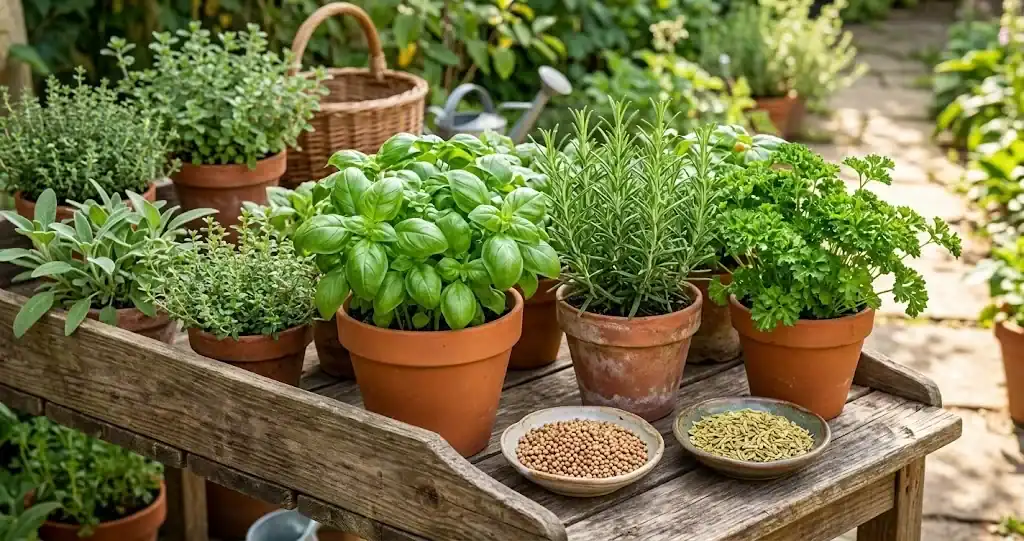
Growing herbs and spices at home is one of the most satisfying projects for any home cook or gardener. Stepping outside to snip fresh basil for pesto, plucking fragrant sprigs of rosemary for roasted potatoes, or harvesting your own homegrown seed crops brings unmatched aroma to everyday meals. Even a modest sunny windowsill or small patio container can yield an abundant harvest of fresh seasonings throughout the season.
While many people use the terms interchangeably, culinary herbs and botanical spices come from distinct parts of plants. Herbs are the fresh leaves and green stems of herbaceous plants, such as sweet basil, parsley, oregano, thyme, and sage. Spices come from the seeds, roots, bark, flower buds, or dried fruits of aromatic plants. When you grow herbs and homegrown spice crops, understanding these differences helps you choose the right growing conditions, plant lifecycles, and harvest timing for each variety.
If you are planning your layout, setting up an herb garden that lasts gives you a reliable framework for sun exposure, container sizing, and companion planting before you plant your first seedling.
Distinguishing Culinary Herbs From Garden Spices
The distinction between culinary herbs and kitchen spices comes down to plant anatomy. Herbs typically come from leafy greens that you harvest fresh or dry for seasoning broths and stews, salad dressings, and savory dishes. Spices generally come from non-leaf structures that concentrate intense essential oils and aromatic compounds:
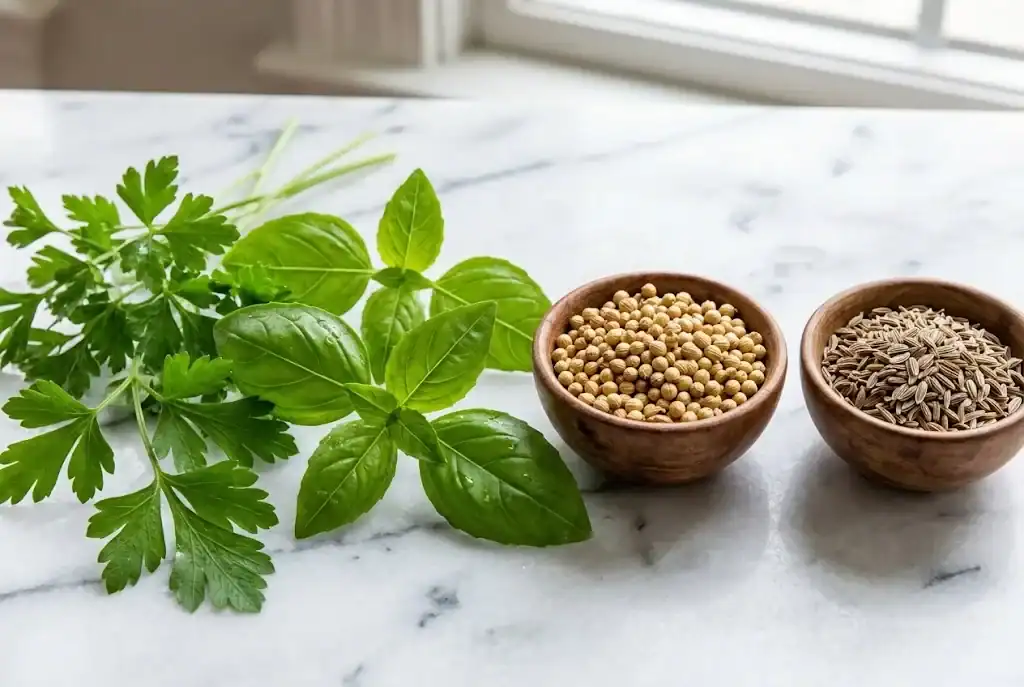
- Leafy herbs: Tender annual herbs like cilantro and summer savory, or hardy perennial varieties such as winter savory and oregano.
- Seed spices: Aromatic seeds produced when plants go to seed, including dill seed, fennel seed, and caraway.
- Rhizome and bulb spices: Underground structures such as ginger, turmeric, and garlic chives that you dig up and cure.
- Fruit and pod spices: Dried peppers ground into paprika, chili powder, or crushed flakes from growing peppers in warm garden beds.
Several plants pull double duty. For example, selecting herb seeds sensibly allows you to start coriander for pungent fresh leaves in salsa, followed by round seed pods for your spice rack once plants bolt in summer heat. Similarly, dill produces delicate feathery foliage for salmon and egg dishes, followed by flavorful seed heads for pickling.
Popular Culinary Herbs to Grow at Home
Beginning gardeners often ask which herbs to grow first. The most rewarding culinary varieties combine fast growth, resilient habits, and frequent kitchen use:
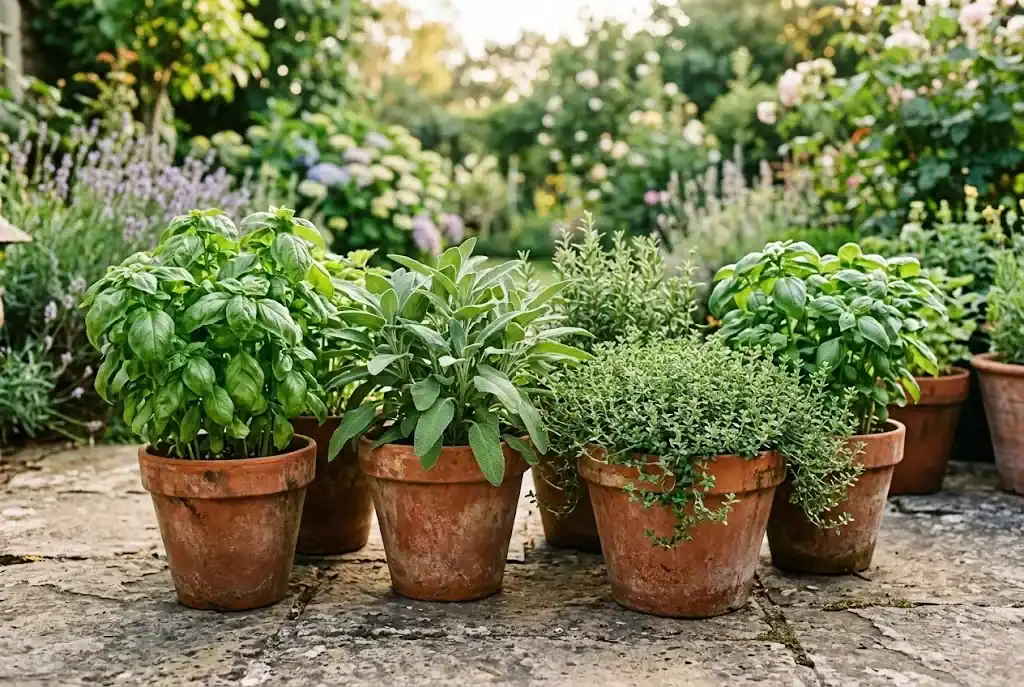
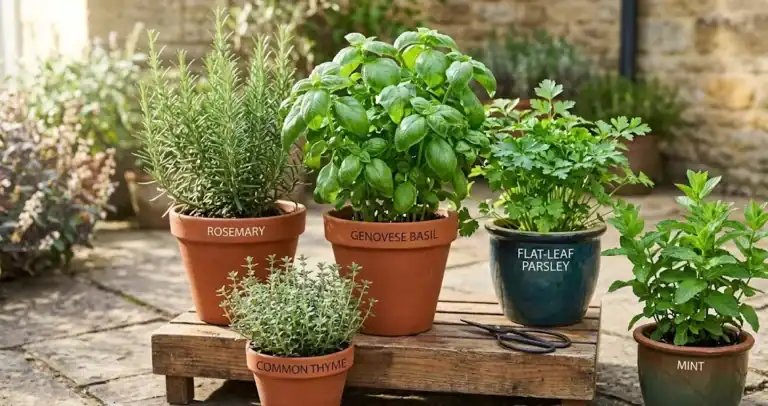
- Sweet basil (Ocimum basilicum): A warm-season annual that thrives in full sun and rich compost. Pinch the growing tips regularly to prevent flower buds and encourage bushy growth.
- Parsley (Petroselinum crispum): A versatile biennial herb used as a garnish and in sauces. Flat-leaf Italian parsley offers robust flavor, while curly parsley adds crisp texture to salads. Parsley produces leafy greens during its first season and flowers in its second year.
- Thyme (Thymus vulgaris): A compact plant that asks for little water once established. It pairs naturally with roasted meats and poultry.
- Oregano (Origanum vulgare) and Marjoram (Origanum majorana): Mediterranean staples that love lean, well-drained ground and warm sunshine.
- Rosemary (Salvia rosmarinus): A woody evergreen that provides needle-like aromatic foliage year-round in mild climates.
- Sage (Salvia officinalis): Velvety, silver-green leaves with an earthy aroma essential for poultry stuffing, compound butter, and roasted squash.
- Mint and Spearmint (Mentha spp.): Vigorous plants prized for iced tea, cocktails, and fruit salad. Always keep mint in dedicated pots, because its underground runners quickly overtake open beds.
- Chives and Garlic Chives (Allium spp.): Each slender chive stalk returns reliably each spring. Snip the tender hollow leaves to top baked potatoes, eggs, and soups.
- French Tarragon (Artemisia dracunculus) and Lemongrass (Cymbopogon citratus): This classic gourmet herb delivers a delicate anise note for chicken and infusions, while citrus-scented stalks add bright punch to curries and broths.
Spices You Can Grow in a Home Garden
While tropical tree spices like cinnamon and cloves require greenhouse conditions, several outstanding spices you can grow thrive in standard garden beds and backyard containers:

- Coriander seed: Sow seeds in cool spring soil. Once daytime temperatures climb and plants bloom, allow the white flower umbels to form green seeds. Harvest when the seed heads turn tan and dry.
- Dill seed: Allow your spring dill plants to bloom. The large yellow flower heads develop aromatic seeds that add warm, pungent flavor to roasted vegetables and breads.
- Fennel seed: Bronze or sweet fennel grows tall, lacy foliage and sweet, licorice-flavored seeds that enhance Italian sausage and baked breads.
- Paprika and dried chili flakes: Growing sweet paprika peppers or hot chili varieties in warm summer beds allows you to harvest ripe red pods, dry them thoroughly, and grind them into custom seasoning powders.
- Ginger and turmeric rhizomes: Plant fresh rhizome pieces in wide pots in late winter. Provide partial shade, warmth, and consistent moisture through summer, then harvest plump young roots in late fall.
- Saffron crocus (Crocus sativus): Plant corms in late summer. In autumn, pluck the vivid red stigmas from the purple blossoms and dry them gently for luxurious rice dishes.
Sunlight, Soil, and Planting Basics
Most culinary plants originated in Mediterranean or temperate climates where sunlight is abundant and ground drainage is sharp. Providing the right foundation prevents common issues like root rot and weak, leggy stems.
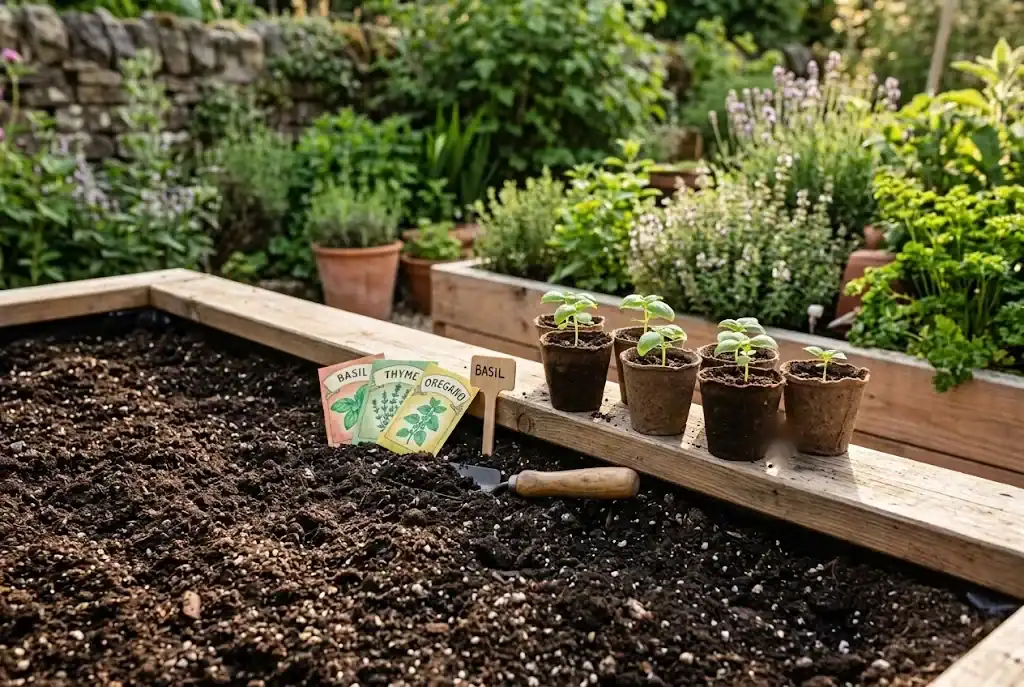
Sunlight is the primary driver of essential oil production. Your herb garden should receive at least six hours of direct sunlight daily. Sun-loving plants like basil and sage grow best when exposed to full sun.
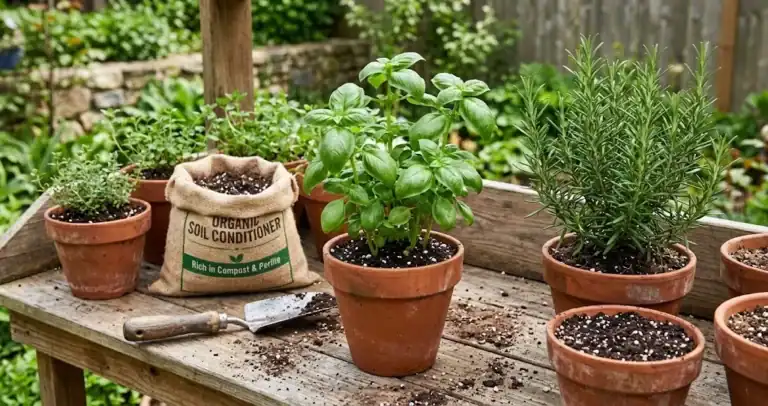
When preparing your garden beds, how much the soil matters for healthy roots cannot be overstated. Heavy clay soils hold excess moisture that rots root systems. Amend planting beds with organic compost and coarse grit to ensure loose, well drained soil that sheds excess water quickly.
Direct sow fast-growing annuals like dill, cilantro, and summer savory outdoors after the danger of frost has passed in spring. For slow-growing woody varieties like lavender and rosemary, starting from nursery transplants or a stem cutting is often faster than trying to grow from seed.
Growing Herbs Indoors vs. Outdoor Garden Beds
Gardeners with limited outdoor space can succeed with growing herbs indoors on a bright windowsill or under dedicated grow lights. Understanding the tradeoffs between indoor and outdoor culture helps you set realistic expectations:
- Windowsill growing: A south-facing window that receives 5 to 6 hours of bright light works well for compact plants like parsley and chives. Turn pots weekly so foliage grows evenly toward the light.
- Supplemental grow lights: During short winter days, standard windowsills rarely provide sufficient intensity. Installing full-spectrum LED grow lights for 12 to 14 hours daily keeps basil and spearmint lush and prevents stretching.
- Outdoor container gardens: Pots on a sunny deck or balcony offer excellent drainage and portability. Use pots with drainage holes and a quality potting mix. Keep in mind that container plants dry out faster than in-ground beds during summer heat waves.
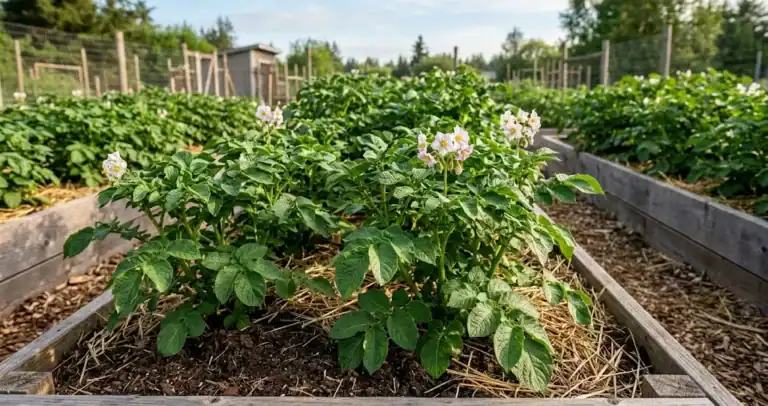
- Raised garden beds: In-ground and raised beds provide steady root temperatures and moisture retention. Group plants with similar water needs together: pair Mediterranean perennials in a dry bed, and moisture lovers in richer soil with organic mulch.
Harvesting, Drying, and Storing Your Yield
Regular harvesting keeps your plants productive and delays flowering. The best time to harvest fresh leaves is in the morning after dew has evaporated but before the afternoon sun wilts the foliage. Use clean, sharp garden snips and avoid removing more than one-third of the plant at a single cutting.

To preserve your harvest for year-round seasoning, several simple preservation techniques maintain flavor and color:
- Air drying: Gather small bunches of sturdy herbs like thyme, oregano, and rosemary with twine. Hang the bundles upside down in a warm, dry, well-ventilated room away from direct sunlight for one to two weeks.
- Using a dehydrator: For tender, moisture-rich leaves like basil and parsley, using a dehydrator set at a low temperature (95°F to 105°F) dries leaves quickly without cooking away aromatic oils.
- Seed harvesting: When seed heads on dill and fennel turn brown, cut the stems and place the seed heads inside a paper bag. Hang the bag in a dry area for a week, then shake the bag to separate the ripe seeds from the chaff.
- Airtight storage: Once herbs and seeds are completely dry and crisp, store whole leaves and intact seeds in airtight glass jars in a cool, dark pantry. Grind seeds and crumble leaves just before cooking to release maximum fragrance and flavor.
Frequently Asked Questions About Home Herb and Spice Gardening
Can I grow different herbs together in the same container?
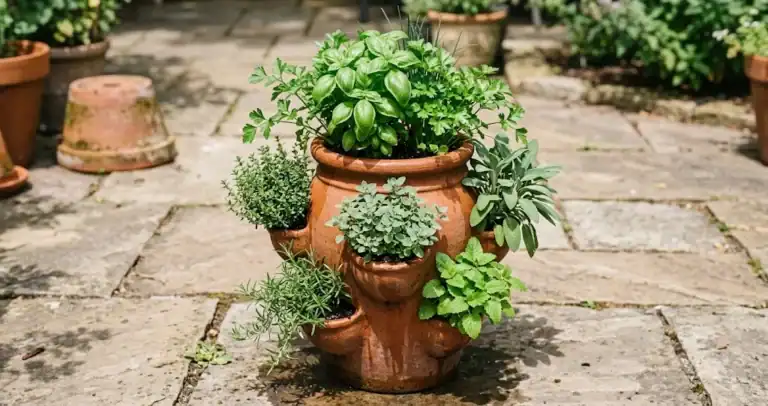
Yes, but only if they share identical light and moisture requirements. Combine Mediterranean herbs like thyme, oregano, and sage together in lean, well-draining soil. Keep thirsty plants like basil, parsley, and cilantro in a separate container where soil stays evenly moist. Never plant mint in a shared container, as its vigorous root system will quickly crowd out companion plants.
How do I overwinter perennial herbs in cold climates?
Hardy perennial herbs like chives, oregano, and thyme survive freezing winters outdoors in USDA hardiness zones 5 through 9 when planted in garden beds with a protective layer of straw mulch. In colder zones, or for plants grown in pots where roots lack insulation, move containers into an unheated garage or porch before hard freezes arrive, watering sparingly once a month.
Why are my plants flowering, and can I still use the leaves?
Flowering is a natural response to lengthening days, heat, or maturity. Once herbs flower, leaf production slows and the foliage often becomes bitter or tough. Pinch off flower buds as soon as they appear to direct energy back into leaf growth. If plants like cilantro or dill begin blooming in midsummer heat, let them go to seed so you can harvest flavorful seed spices in autumn.