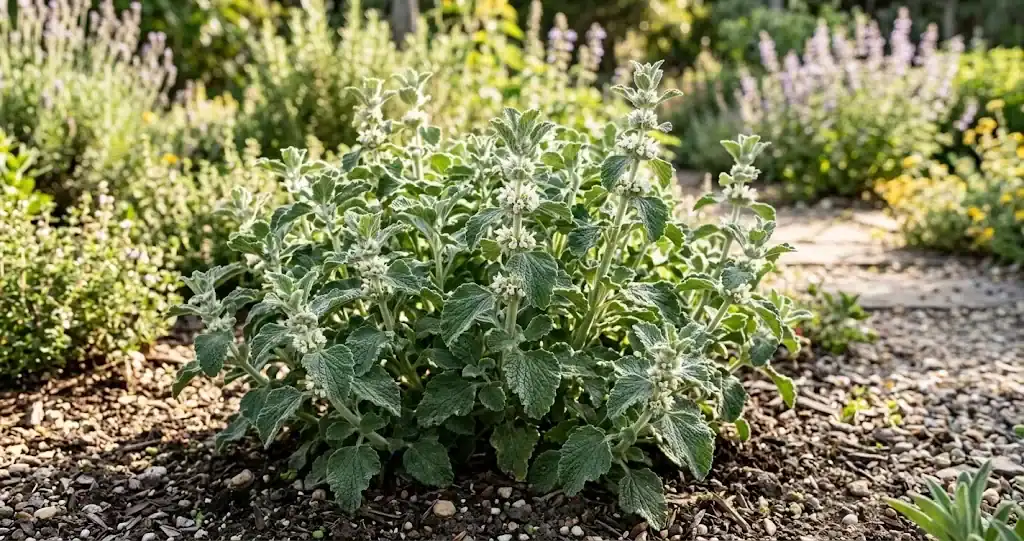
Horehound is a resilient, aromatic plant that rewards every home gardener with fragrant foliage and dependable seasonal growth. Known botanically as Marrubium vulgare, this hardy perennial thrives in dry, sunny spots where many other garden herbs struggle. If you want to learn how to grow horehound successfully, you only need basic soil preparation, plenty of sunlight, and a light hand with the watering can.
What Is Horehound?
White horehound is a bushy, woolly member of the mint family native to Europe and the Mediterranean region. The horehound plant features wrinkled leaves covered in soft white hairs, which help the foliage conserve moisture during hot summer days. In its second year, the plant produces small white flowers in tight whorls along the upper stems.
Growers have cultivated this traditional herb for centuries alongside other classic medicinal herbs for culinary flavoring and home remedies. The leaves contain marrubiin, a bitter compound studied in botanical and pharmacological research as a mild expectorant and bitter tonic. According to Utah State University Extension, the herb has a rich history of garden cultivation for lozenges, syrups, and traditional horehound candy, though concentrated preparations should always be used with standard herbal precautions. Because of its distinctive bitter flavor with notes of menthol and licorice, small amounts of dried horehound leaves are also brewed into specialty teas and tonic beverages.
Ideal Growing Conditions for Horehound
Horehound prefers full sun and well-drained soil. Selecting the right planting site ensures vigorous roots and minimizes the risk of rot.
- Light: Provide full sun with at least six to eight hours of direct light daily. Plants grown in partial shade develop weak, leggy stems.
- Soil: Sandy soils or gravelly loams with a neutral to slightly alkaline pH (6.5 to 8.0) are ideal. Poor soil actually encourages denser foliage and richer essential oil concentration than heavily fertilized beds.
- Drainage: Excellent drainage is critical. Excess standing water will kill the root system quickly.
- Climate: The herb grows reliably across USDA hardiness zones 4 through 8 (reliably overwintering in USDA zone 4 under snow cover). It easily tolerates winter frost, intense summer heat, and windy open locations.
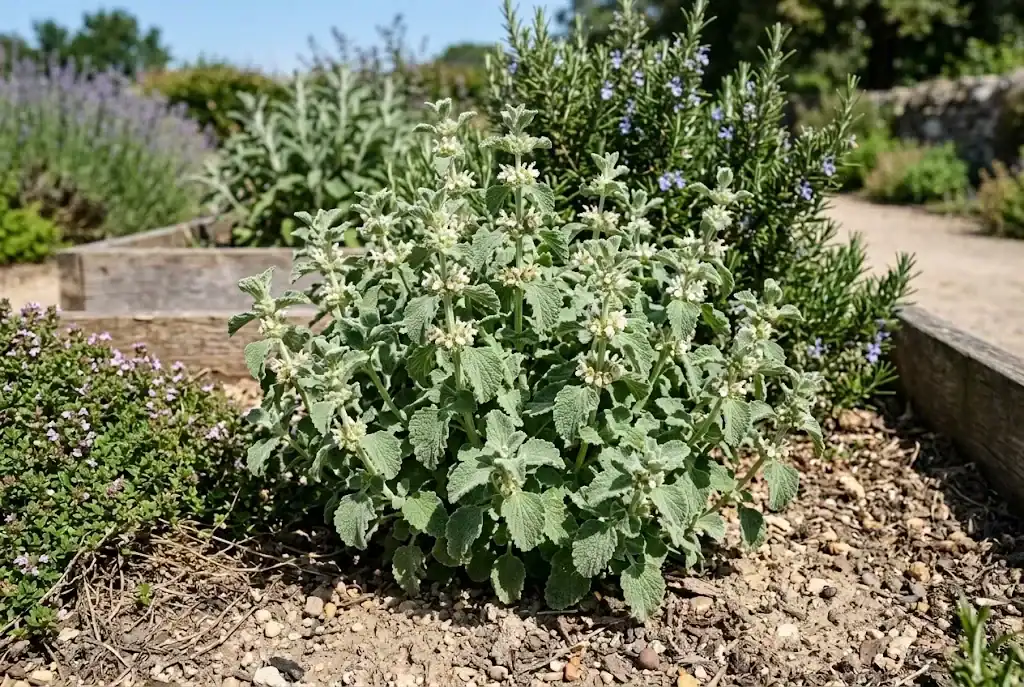
If you are planning a broader herb garden, position this hardy perennial alongside Mediterranean companions like thyme, rosemary, and lavender that share its preference for lean, dry ground.
How to Plant Horehound from Seeds and Cuttings
You can propagate the plant from seed, stem cuttings, or root divisions. Each method works well when started at the proper time of year.
Starting from Horehound Seeds
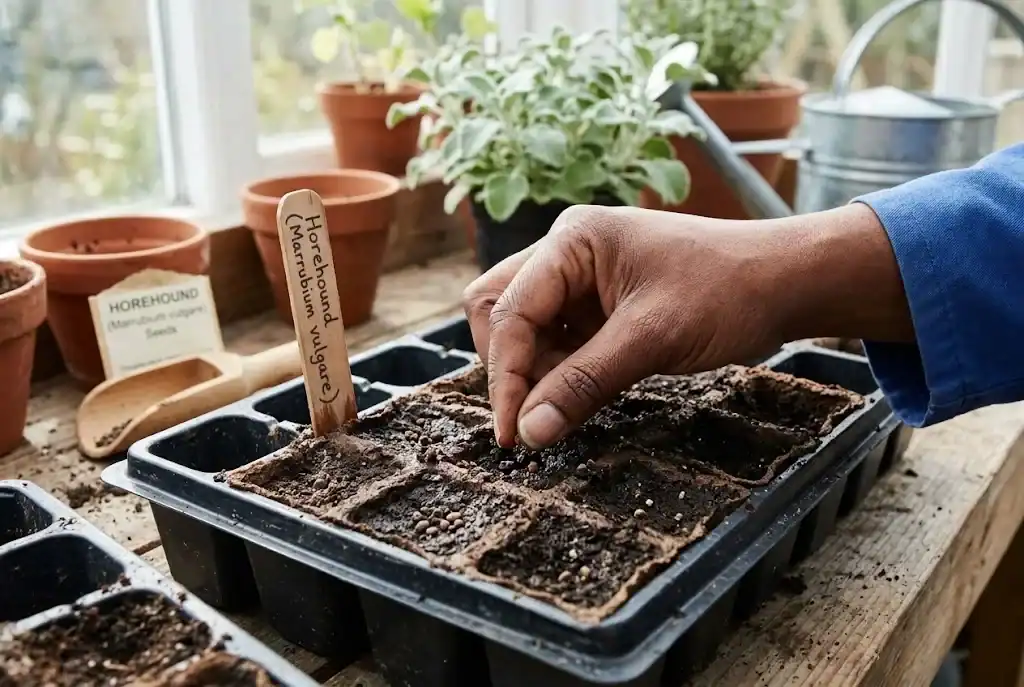
Horehound seeds are slow to germinate and benefit from a brief period of cold stratification before planting. You can sow seeds indoors six to eight weeks before your average last frost date, or direct seed them outdoors in late autumn or early spring.
- Place seeds shallowly on top of moist seed-starting mix, pressing them lightly into the surface. Seeds need light to germinate.
- Maintain a soil temperature around 65 to 70 degrees Fahrenheit. Germination typically takes 14 to 28 days.
- Once each seedling develops its first true leaves, thin or pot them up into individual small containers.
- Harden off young plants outdoors over a week, then transplant them 12 to 18 inches apart after all danger of frost has passed.
Propagating from Stem Cuttings
To propagate an established specimen, take 4- to 6-inch softwood cuttings in late spring or early summer. Strip the lower leaves, dip the cut end in rooting hormone powder, and set the stem into a container filled with damp sand or perlite. Keep the cutting in bright, indirect light until roots form in three to four weeks.
Routine Care, Watering, and Pruning
The herb is exceptionally easy to grow once established. Routine maintenance consists mainly of managing irrigation and keeping the foliage tidy.
Water young transplants regularly during their first month in the garden. After the roots settle, the plant becomes remarkably drought tolerant and requires supplemental moisture only during prolonged dry spells. Always allow the top two inches of soil to dry out completely between waterings.
Avoid heavy fertilizer applications. High nitrogen fertilizer causes excessive leafy growth with weak aroma and reduces winter hardiness. An annual top-dressing of compost in early spring is all the nourishment the plant needs.
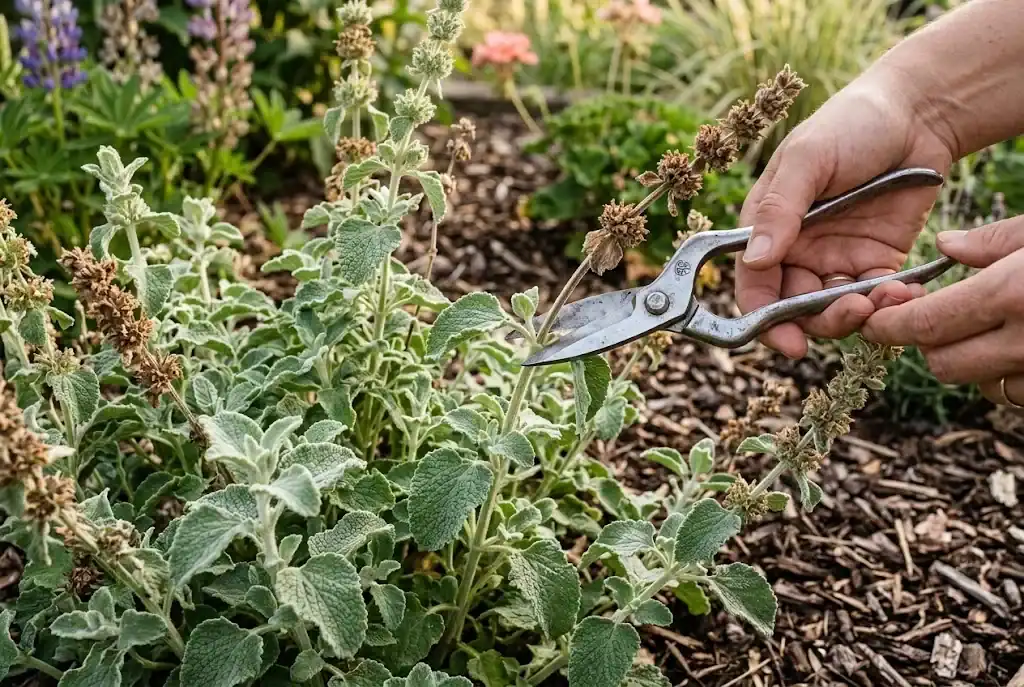
Prune stems back by one-third in early spring to encourage bushy new growth. During midsummer, cut off the flowers as blossoms fade. Removing spent flower heads prevents unwanted self-seeding and keeps the plant from becoming weedy in nearby garden beds.
When and How to Harvest and Store Horehound
You can begin harvesting leaves once the plant reaches at least 10 inches tall in its first season. The second year brings a much heavier harvest of both leaves and flowers.
Harvest on a dry, sunny morning after the morning dew has evaporated but before the heat of the midday sun. For detailed techniques for harvesting horehound, cut mature stems right as the small flower buds begin to open, when volatile aromatic compounds peak. Use sharp garden snips to cut stems about two to three inches above the ground, leaving lower foliage intact so the plant can produce a second crop later in the season.
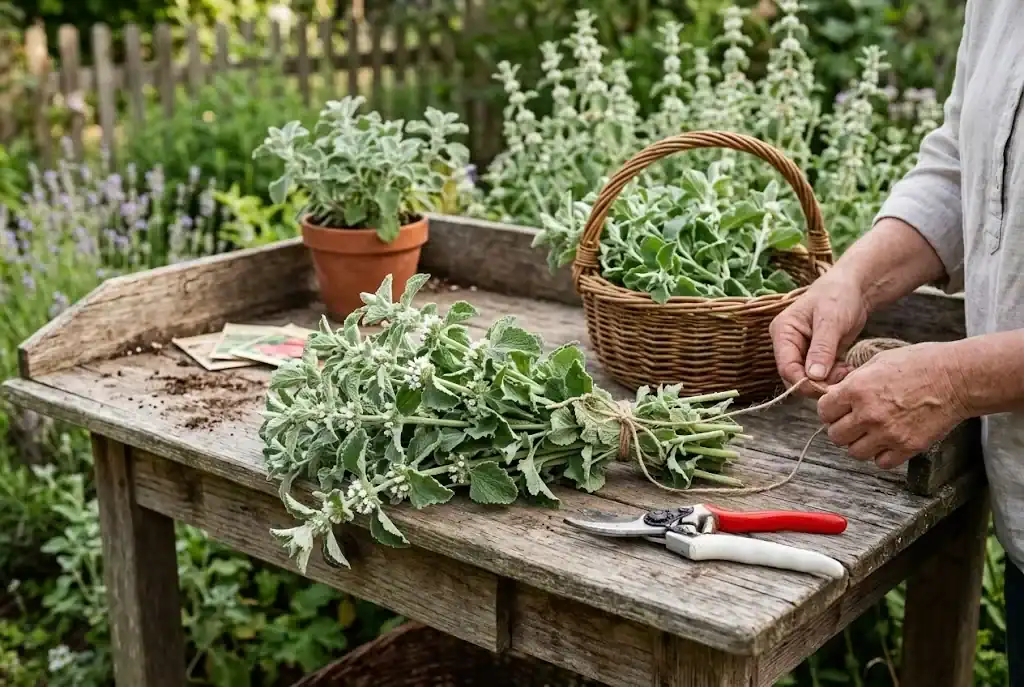
Gently shake the cut branches to dislodge any loose dust or garden debris. Avoid washing harvested stems with water unless necessary, as excess surface moisture slows the drying process and increases the risk of mold formation during curing.
Tie small bundles of stems with garden twine and hang them upside down in a warm, dark, well-ventilated space out of direct sunlight. Once the leaves feel completely dry and crumble easily between your fingers, strip the foliage from the woody stems. Check our guide to drying and storing horehound to seal your harvest in airtight glass jars for winter teas, soothing syrups, and herbal cough drops.
Common Growing Problems and How to Prevent Them
This species is generally pest-free and disease-resistant because garden insects dislike its bitter oils. However, a few environmental issues can arise:
- Root Rot: Caused by heavy, poorly drained soil or overwatering. Improve garden drainage with coarse sand or grow plants in raised beds.
- Powdery Mildew: May occur in humid climates with poor air circulation. Space plants at least 18 inches apart in an open, breezy location.
- Invasive Self-Seeding: Because seed heads carry tiny hooked burrs that cling to clothing and animal fur, the plant can naturalize rapidly. Cut off flowers before seed pods mature to control unwanted spread.
Frequently Asked Questions About Growing Horehound
Is horehound invasive in home gardens?
Unlike other mints that spread aggressively through underground runners, this herb expands primarily via seeds. It can become weedy through prolific self-seeding if flower heads are left on the plant. Removing spent blooms each summer easily keeps it contained.
Can you grow horehound in containers?
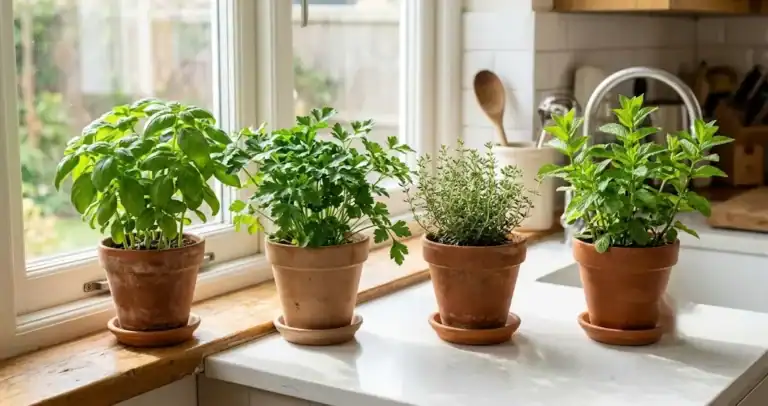
Yes, it grows very well in containers. Choose a pot at least 10 to 12 inches wide with ample bottom drainage holes, and use a porous, sandy potting mix.
How long does a horehound plant live?
It is a perennial shrub that typically remains productive for three to five years. If an older clump becomes woody or sparse at the center, replace it with fresh seedlings or stem cuttings.