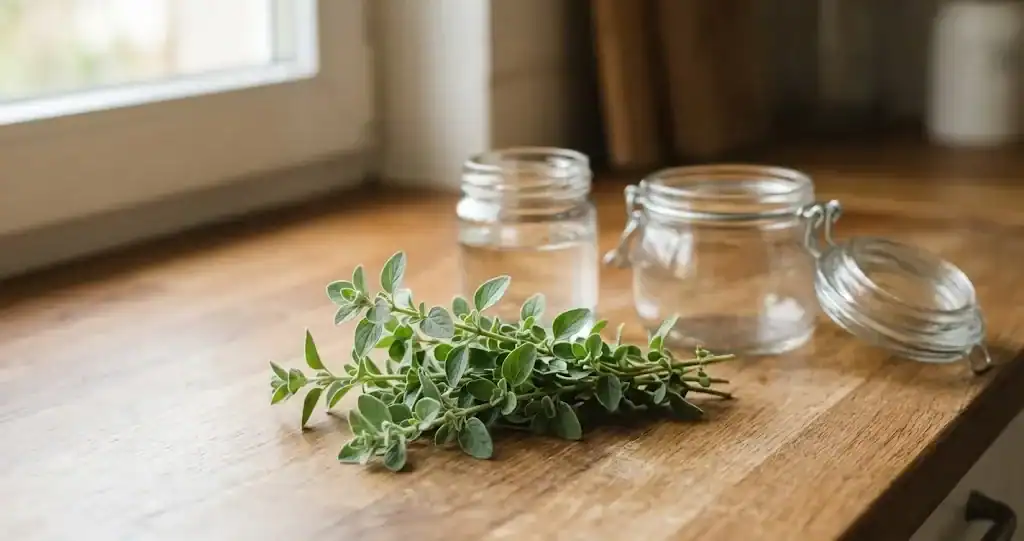
Marjoram loses its sweet, slightly citrusy flavor fast once it is cut, so how you store it matters as much as how you grow it. Left loose in the crisper drawer, it usually wilts within a couple of days, while a few simple habits can stretch that to two weeks or more, and drying the herb properly can keep its flavor for close to a year.
For a longer look at when and how to cut it in the first place, this guide to harvesting herbs the right way covers the timing and technique that set up good storage.
How to store fresh marjoram in the refrigerator
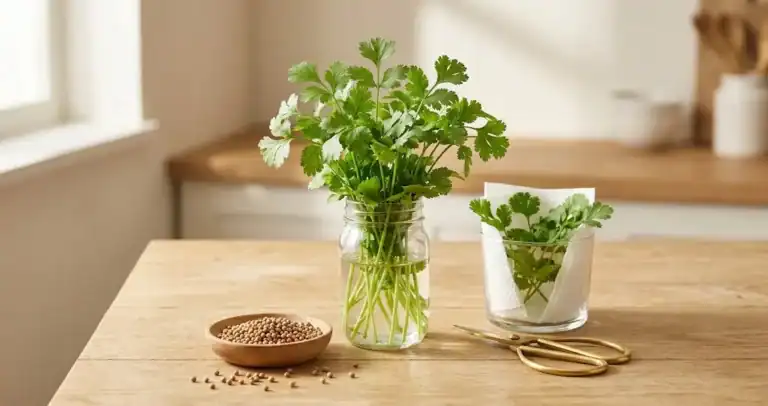
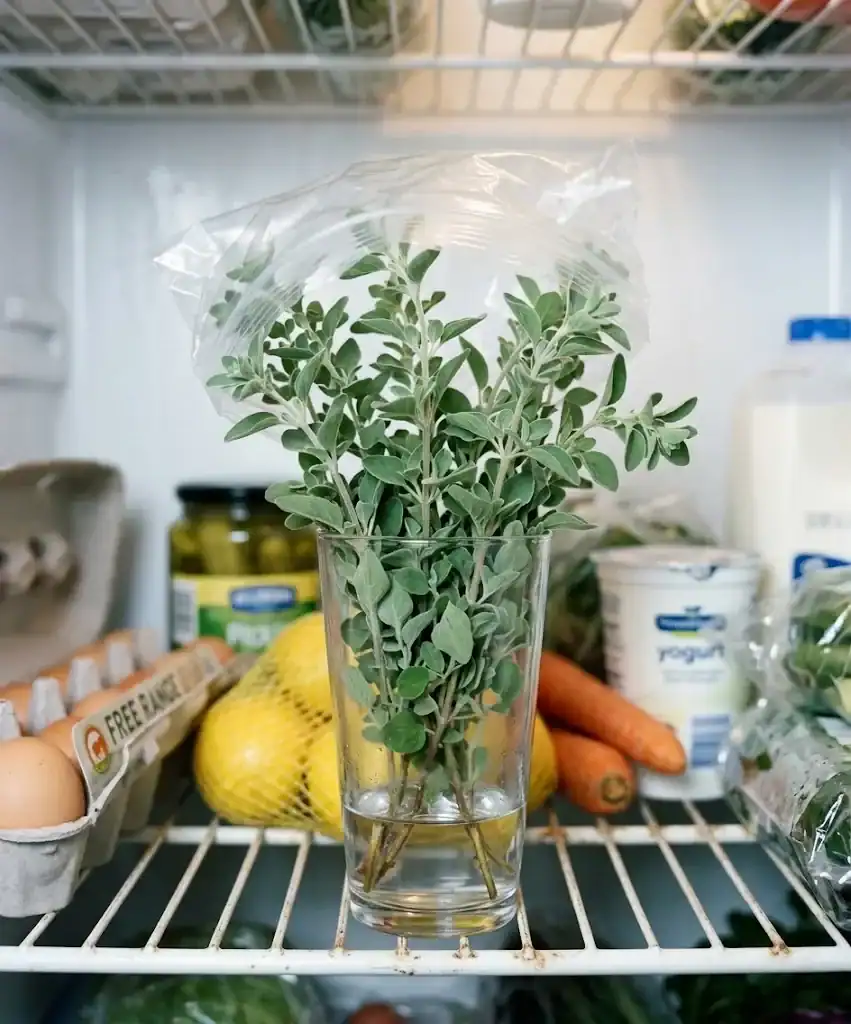
Treat the stems the way a florist treats cut flowers. Trim the ends, stand them upright in a glass with about an inch of water, and loosely cover the leaves with a plastic bag before setting the glass in the refrigerator. Change the water every couple of days. Stored this way, the herb usually stays usable for one to two weeks.
If you would rather not deal with water and a glass, wrap the unwashed stems in a slightly damp paper towel, tuck them into a partly open plastic bag, and store the bundle in the crisper drawer. Wait to rinse the leaves until just before you use them. Excess moisture speeds up wilting and can turn a healthy bunch moldy within days.
Can you freeze it?
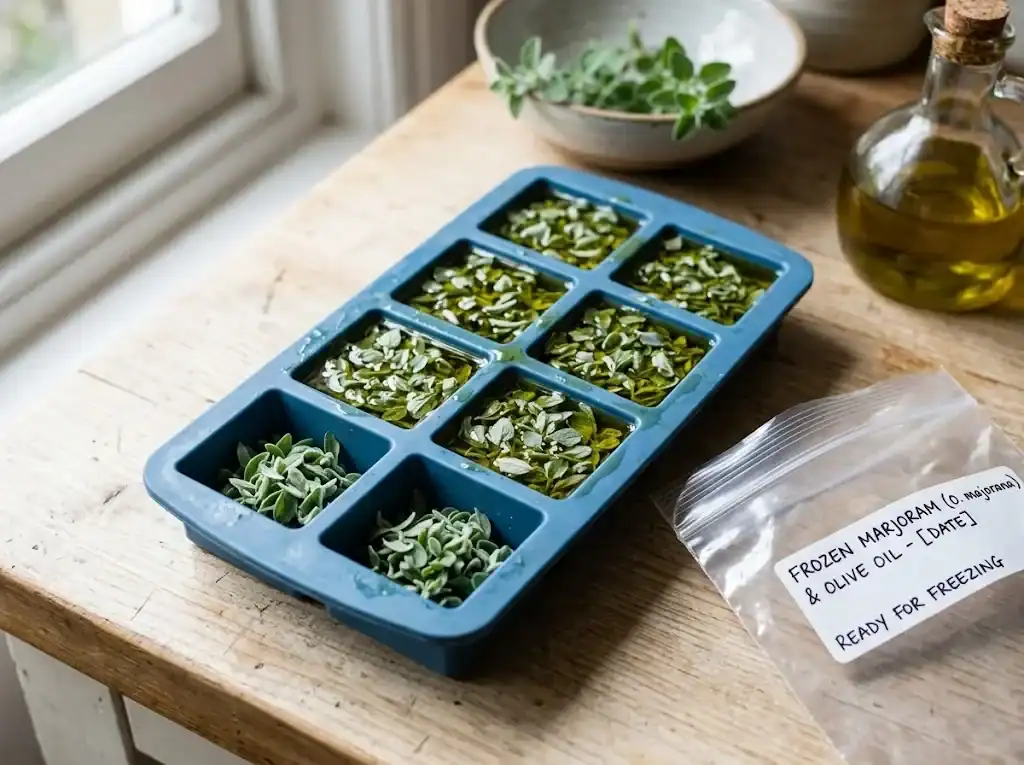
Yes, and freezing is one of the best ways to hold onto fresh flavor when you have more than you can use in a week. Strip the leaves from the stems, chop them if you like, and pack them into an ice cube tray with a little water or olive oil. Once frozen, pop the cubes into a labeled freezer bag or another airtight container. A cube goes straight into a soup, stew, or sauce without thawing first.
You can also freeze whole sprigs on a tray until firm, then transfer them to that same kind of container. They will not look fresh once thawed, so save frozen sprigs for cooked dishes rather than a salad or garnish.
How to dry marjoram at home
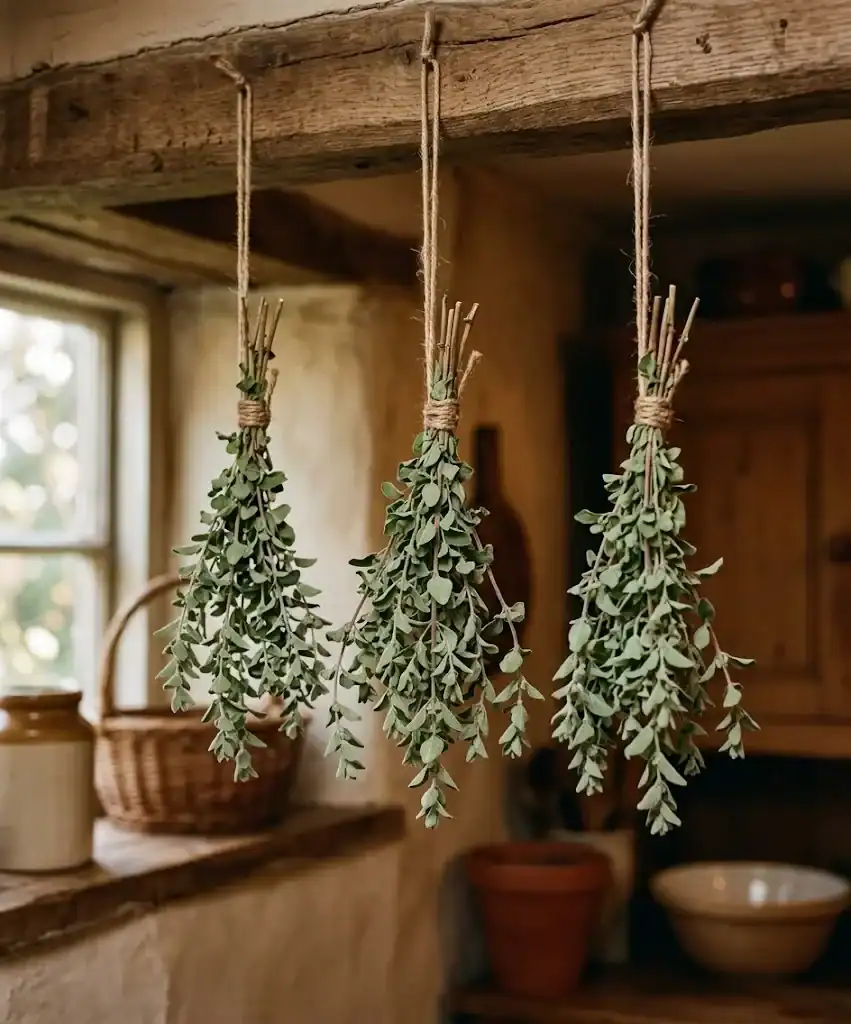
Drying is the better choice if you want a supply that lasts through the winter. Gather small bundles of four or five stems, tie them with twine, and hang them upside down somewhere warm, dry, and out of direct sunlight. A kitchen corner or a covered porch works well. Air drying usually takes one to two weeks, and the leaves are ready once they feel dry and crumble easily rather than bend.
If you want to dry herbs sooner, spread the leaves in a single layer on a baking sheet and use the oven on its lowest setting with the door propped open, checking every 20 to 30 minutes so they do not scorch. A food dehydrator set around 95 to 115 degrees Fahrenheit gives the most even result and usually finishes in a few hours. Whichever method you choose, the goal is the same: fully dried leaves with no lingering moisture, since any dampness left behind invites mold later on.
How to store dried marjoram
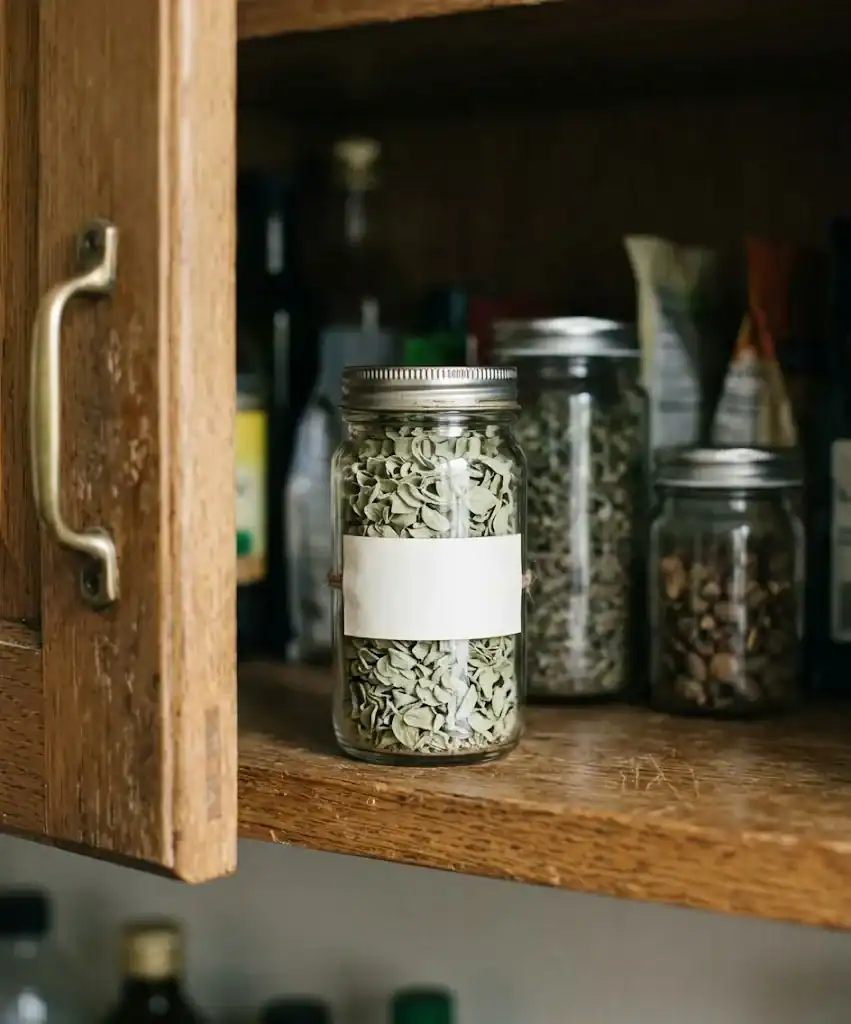
Once the leaves are completely dry, strip them from the stems and keep them whole rather than crushed. Crushing too early releases the essential oils that carry the flavor, so it fades faster. Pack the whole dried leaves into a small container with a tight-fitting lid, label it with the date, and keep it in a cool, dark cupboard away from the stove and any direct sunlight. Both heat and light break down flavor quickly, which is why a container left on a sunny windowsill loses its punch much faster than one stored in a cabinet.
Crumble the dried leaves with your fingers right before you add them to a recipe. That one habit keeps more flavor in storage for longer.
How long does it keep?
- Fresh, in the refrigerator: about one to two weeks.
- Frozen in oil or water cubes: up to six months.
- Properly dried in an airtight container: about one year for best flavor, though it stays safe to use well beyond that with less potency.
Dried herbs do not spoil the way fresh food does, but they do lose flavor steadily. If a recipe calls for a pinch and what you have on hand barely smells like anything when you open the container, use a little more than usual or reach for a fresh sprig instead.
Signs it has gone bad
Fresh marjoram is past its best once the leaves turn dark, slimy, or develop a sour smell instead of their usual sweet, piney scent. A few wilted leaves are still fine to trim away and use, but any sign of mold means the whole bunch should go. The dried version rarely spoils outright, but if it smells musty or damp rather than herbal, moisture likely got in during storage and it is safer to start a fresh batch than to use it.
Put your stored marjoram to work
This herb earns its keep once you have a supply on hand, fresh or preserved. It works well anywhere you would reach for oregano, only softer and a little sweeter, from a simple tomato sauce to a roast chicken rub. For more ideas built specifically around it, this collection of marjoram recipe ideas is worth a look.
Frequently asked questions
Can I store it in a mason jar?
Yes, a small mason jar is a good choice for the dried herb as long as the lid seals tightly and it stays out of direct light. For the fresh version, a mason jar filled with an inch of water works the same way as a glass, standing the stems upright rather than sealing the leaves inside.
What herbs last the longest in the fridge?
Sturdier, woody herbs like rosemary, thyme, and sage tend to outlast tender ones such as basil, cilantro, and parsley, which wilt faster because their leaves hold more water. This one sits somewhere in between: treat it like a tender herb in storage and it will hold up nearly as well as the woodier ones for a week or so.
Does it taste different once dried?
Drying concentrates the flavor, so the dried leaves taste stronger and slightly more like oregano than the fresh ones do. When a recipe calls for fresh and only dried is on hand, use about a third of the amount to avoid overpowering the dish. If you enjoy that flavor shift, these ideas for cooking with sweet marjoram show where the dried herb fits especially well.