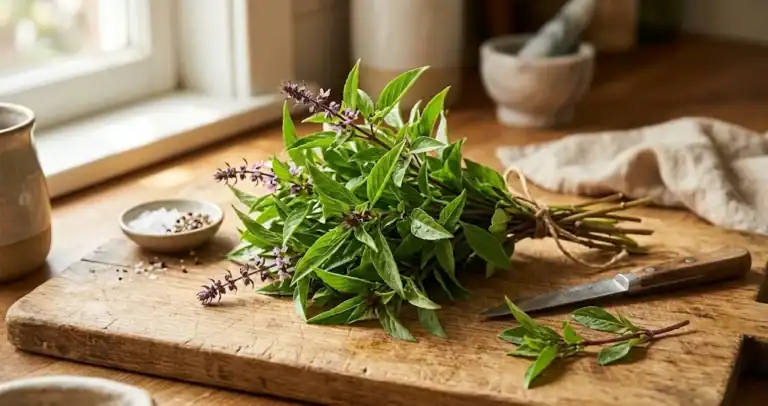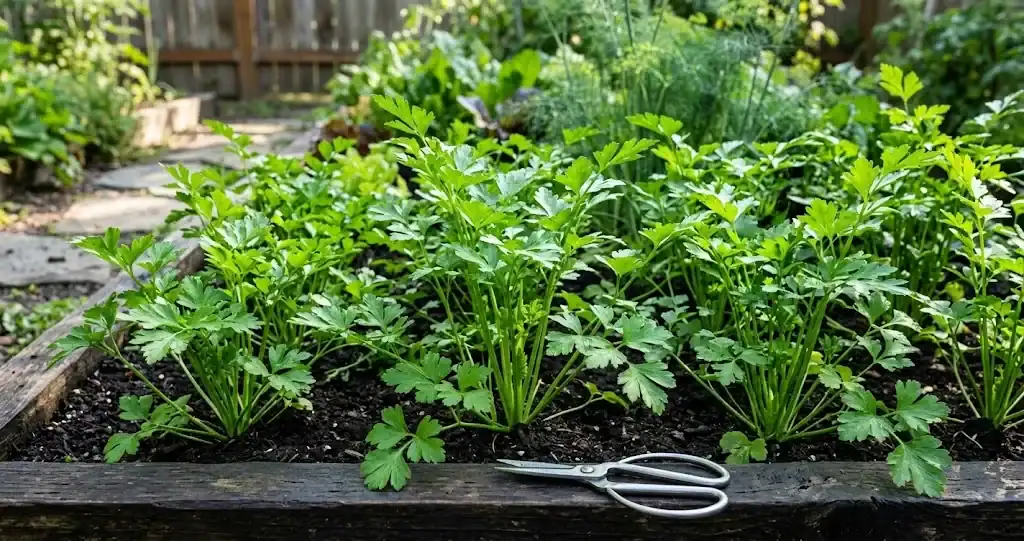
Fresh parsley is one of the most rewarding culinary herbs to grow at home. Whether you grow parsley in an outdoor garden bed or in a container pot indoors, knowing exactly when and how to cut your crop makes the difference between a single small clipping and a bountiful supply all season long. Parsley grows from a central crown, sending up new stalks from the middle while older stems push outward. When you prune with the right technique, regular clipping encourages steady new foliage and keeps the plant productive for months.
Plant Anatomy and Growth Habits
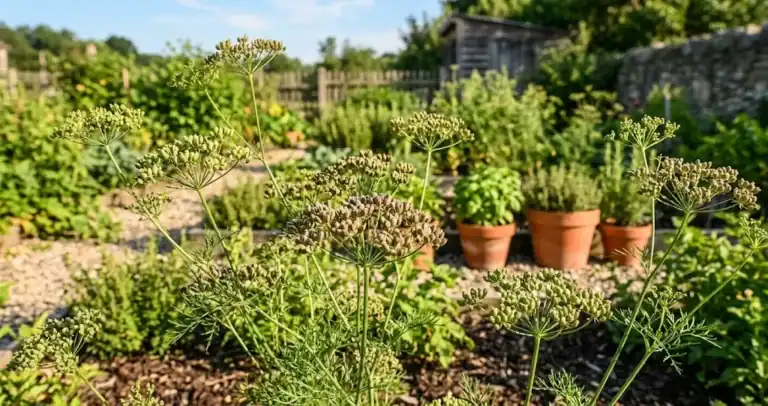
Parsley (Petroselinum crispum) is a biennial herb that gardeners typically cultivate as an annual. When seeds germinate in spring, the young plant develops a vigorous root system and a basal rosette of tender, flavorful leaves. In its second year, it naturally shifts its energy toward flower stalks to bolt and go to seed. Because the foliage turns bitter once flowering begins, home growers focus on maximizing leaf production during the first season.
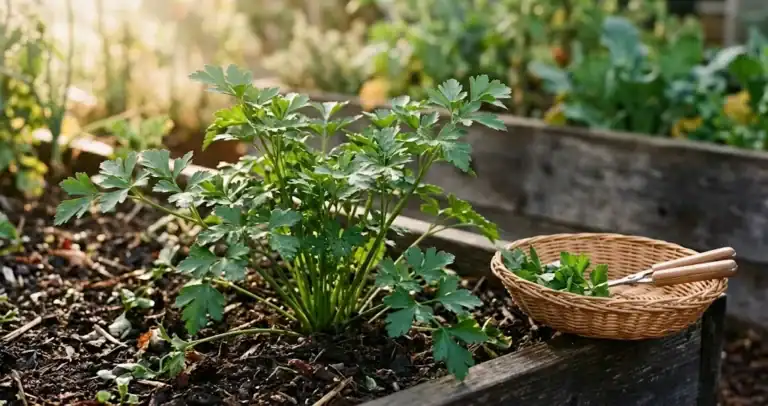
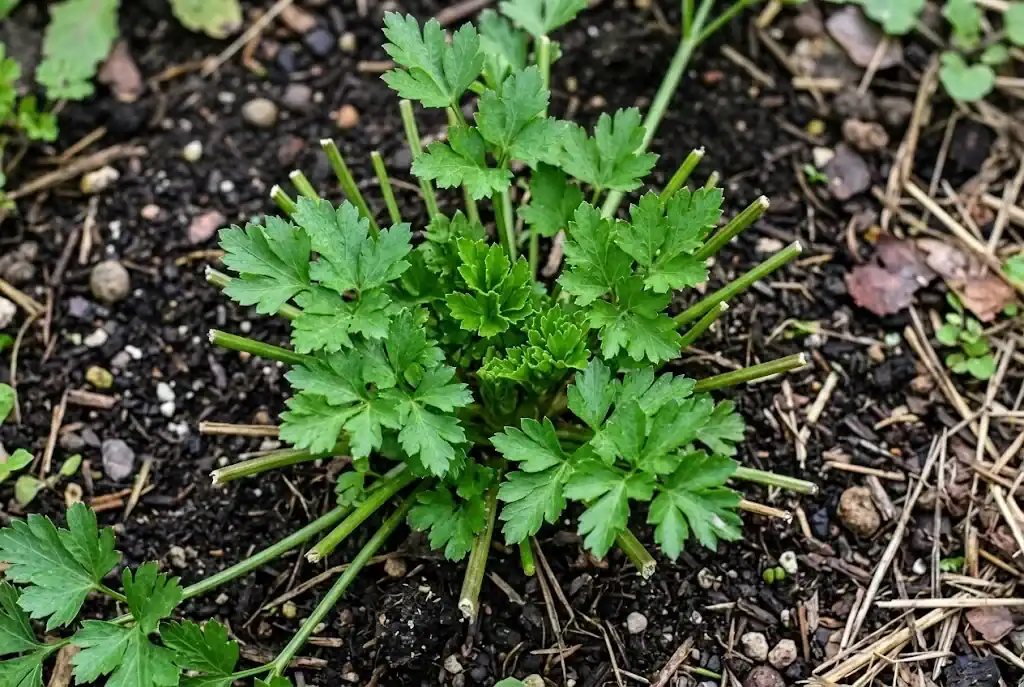
Understanding plant anatomy is essential before you make your first snip. New shoots emerge continuously from the central crown, while mature stems fan out along the perimeter. If you shear off the top or cut into the crown, you damage the growing point and halt future regrowth. By gathering stalks only from the outside, you protect the crown and allow young shoots to develop into robust stems.
Recognizing Italian and Curly Varieties
The two primary culinary types of parsley require identical cutting methods, but they offer distinct textures and flavors in the kitchen:
- Italian Parsley (Petroselinum crispum var. neapolitanum): Also known as flat-leaf parsley, it features broad, deeply serrated leaves with a pronounced, robust flavor that holds up exceptionally well in warm sauces and marinades.
- Curly Parsley (Petroselinum crispum var. crispum): Displays compact, tightly ruffled leaflets with a clean, mild taste and crisp texture. It is a classic choice for fresh garnish and finely chopped salads.
Both cultivated varieties belong to the carrot family (Apiaceae), which also includes dangerous wild lookalikes. Never rely on leaf shape, color, or crushed scent as informal identification cues to forage wild plants, as deadly species like poison hemlock share similar foliage. Harvest only from plants you deliberately sowed or purchased as verified parsley, and consult Penn State Extension’s guidance on poison hemlock and wild chervil if you encounter unfamiliar carrot-family foliage in your garden beds.

When Parsley Is Ready to Harvest
A young parsley plant needs time to establish sturdy roots before you begin regular picking. As a reliable benchmark, wait until the plant has produced at least 5 to 10 main stems and stands roughly 6 to 8 inches tall. Picking too early can weaken young seedlings and stunt overall development.
Timing during the day also affects the quality of your harvest. The ideal window to harvest parsley is in the early morning after dew has dried but before the midday sun warms the garden bed. Cutting during cooler morning hours preserves the aromatic essential oils in the foliage and prevents the cut stems from wilting quickly on your kitchen counter. If you cultivate a broader herb collection, reviewing guidelines on when and how to cut different garden herbs will help you coordinate your morning routine across the entire garden.

Step-by-Step Cutting Technique
Gathering fresh sprigs correctly takes only a few seconds when you follow a gentle, systematic approach:
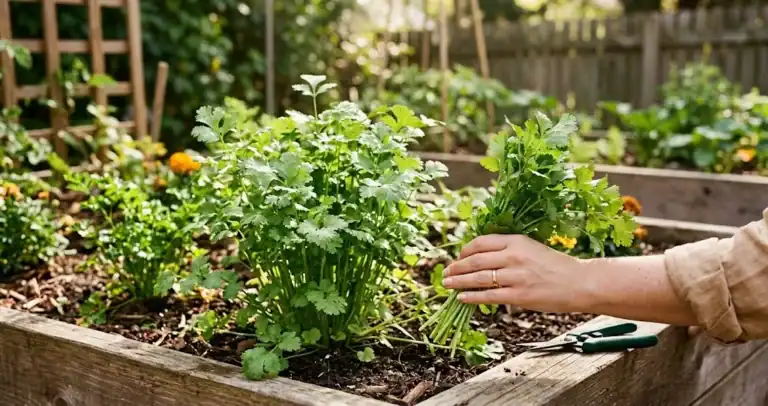
- Inspect the Outer Stems: Look closely at the base of the plant. Identify the largest, darkest green stalks located around the outer perimeter of the rosette.
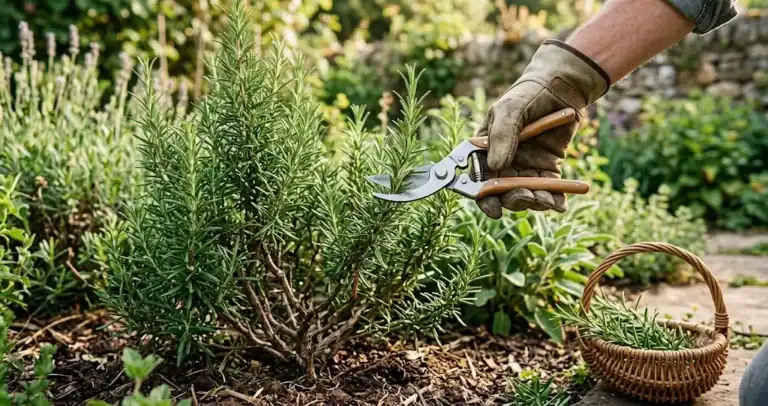
- Use Clean Tools: Select a pair of sharp garden snips or kitchen shears. Clean blades make crisp, blunt cuts that heal quickly, preventing bacterial entry and tissue crushing.
- Cut at the Base: Grasp a chosen mature outer stalk gently near the leaf cluster. Snip the stem cleanly right at its base, close to the ground, while taking care not to nick surrounding stalks. Avoid pulling or tearing stems by hand, which can dislodge shallow roots or injure the crown.
- Leave the Center Intact: Always preserve the young, pale green growth from the center of the plant. Leaving at least one-half to two-thirds of the total plant volume intact ensures the plant can continue photosynthesis and fuel vigorous recovery.

You can expect to gather parsley weekly throughout the peak growing season. Regular, measured trimming prevents the plant from becoming crowded or leggy, while improving airflow through the lower canopy. If you notice yellowing or damaged lower leaves near the soil, snip and discard them promptly to direct plant energy into healthy new foliage.
Washing and Fresh Storage
Proper post-harvest handling preserves crisp texture and herbal freshness for days or weeks after picking. Begin by inspecting your bunch and discard any bruised stalks or garden debris.
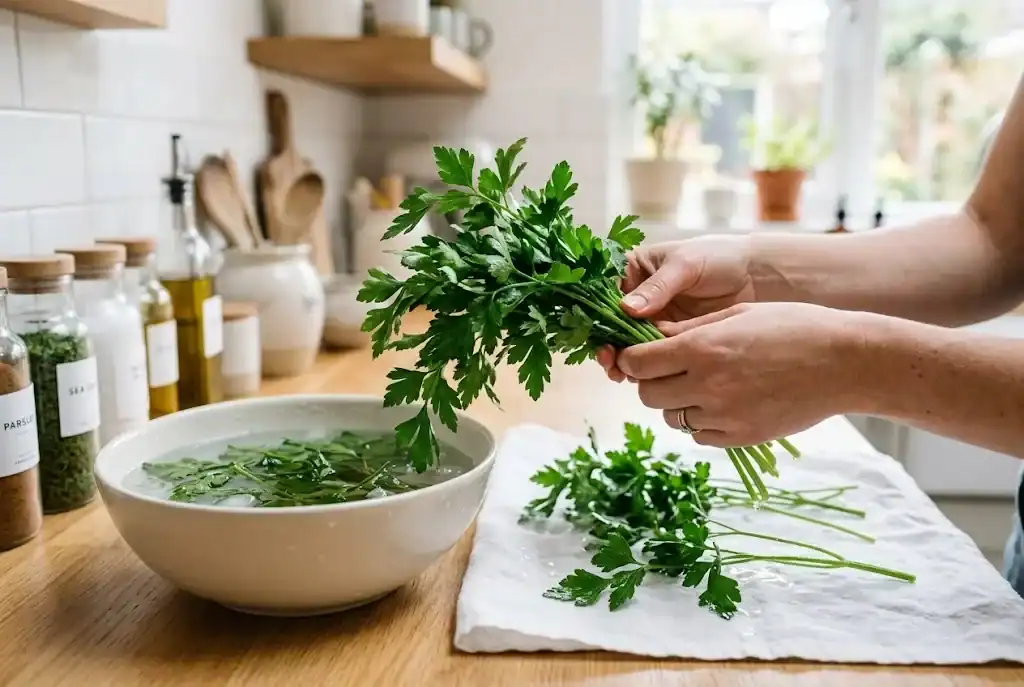
Wash the foliage by swishing the cut stems gently in a bowl of cool water to remove soil and dust. Lift the stems out, allowing any grit to settle at the bottom of the bowl. Gently pat dry with clean kitchen towels or run the sprigs through a salad spinner, then let it dry on a clean counter for a few minutes. Removing surface moisture is critical because trapped water droplets accelerate decay.
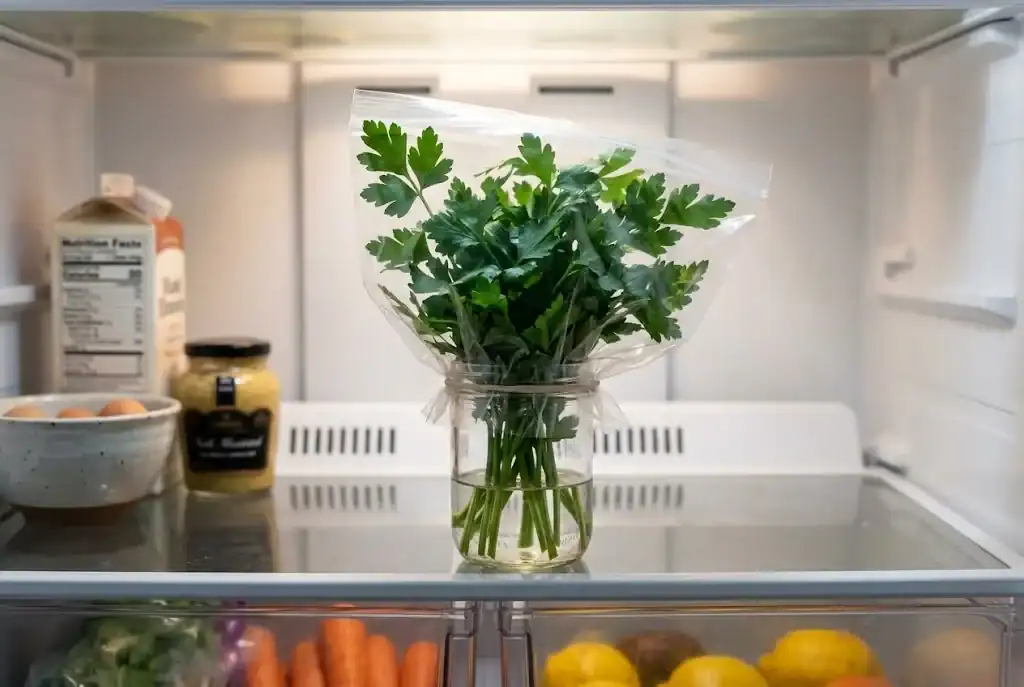
For short-term storage, treat your cut bouquet like fresh flowers. Trim a quarter-inch off the bottom of the stalks, place the bunch upright in a glass jar with about an inch of clean water, and drape a loose plastic bag over the top before placing it in the refrigerator. Alternatively, wrap dry stems loosely in a damp paper towel and place them inside an airtight container in the crisper drawer. For comprehensive preservation techniques, explore detailed guidance on proper methods for harvesting and storing parsley to maintain flavor and texture over extended periods.
Freezing for Optimal Flavor
When your garden yields a surplus, freezing preserves rich green color and robust flavor for up to a year without the loss of aromatic oils that often occurs during heat drying. Choose one of two straightforward kitchen methods:
- Ice Cube Trays: Finely chop dry parsley leaves and pack them into ice cube trays. Cover the herbs with olive oil, melted butter, or a splash of water, then freeze until solid. Pop the herbal cubes into a freezer bag to toss directly into hot soups, sauces, or a simmering stew.
- Rolled Herb Log: Pack whole leaves tightly into a freezer-safe zip-top bag, compress the air out to form a dense cylinder, and freeze. When cooking, simply slice off discs of frozen herbs as needed.
Drying Methods for Long-Term Storage
While freezing retains superior aroma, drying parsley leaves gives you shelf-stable flakes for dry rubs and seasoning blends. Spread clean, dry sprigs in a single layer on a dehydrator tray set to 95 to 105 degrees Fahrenheit, or hang small bundles in a dry, well-ventilated room out of direct sunlight. Once completely brittle, crumble the dried leaves, discard the stems, and store the flakes in an airtight container away from heat and light.
How to Use Parsley in Daily Cooking
Freshly harvested sprigs bring bright, herbal balance to a wide variety of homemade meals. Rather than treating it merely as an ornamental garnish, home cooks use generous amounts of chopped parsley to elevate everyday recipes.
Stir a generous handful of chopped Italian parsley into tomato sauces, garlic-butter pasta, vegetable soups, and baked vegetable casserole dishes just before serving to preserve its lively flavor. For cold dishes, tender leaves shine as the central green in traditional Middle Eastern tabbouleh, grain salads, chimichurri, and zesty gremolata. A light sprinkle over roasted potatoes or grilled meats adds instant freshness. Herbs like parsley, basil, and oregano form the backbone of fresh culinary cooking. To discover inspiring culinary combinations and kitchen techniques, read our complete feature on parsley as a versatile cooking herb.
Common Pests and Garden Care
Parsley is generally easy to grow and maintain in garden soil or pots. Keep an eye out for common garden visitors such as black swallowtail caterpillars (parsley worms), aphids, and spider mites. In moderate numbers, hand-picking caterpillars or rinsing aphids with a strong spray of water from a garden hose keeps the plant thriving. Ensure well-drained soil and adequate sunlight so your crop continues steadily from early summer through late autumn frost.