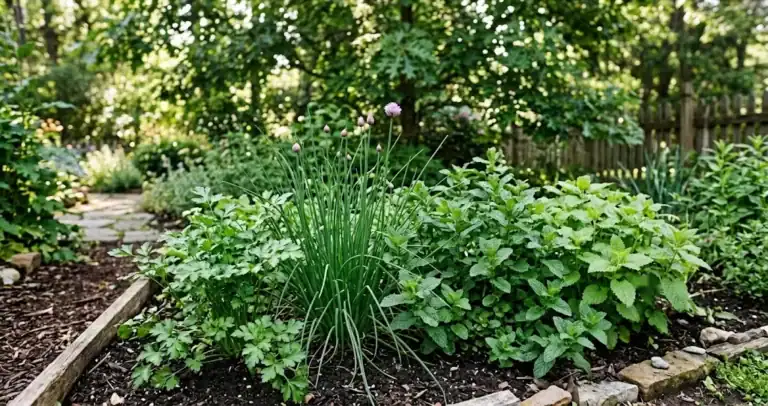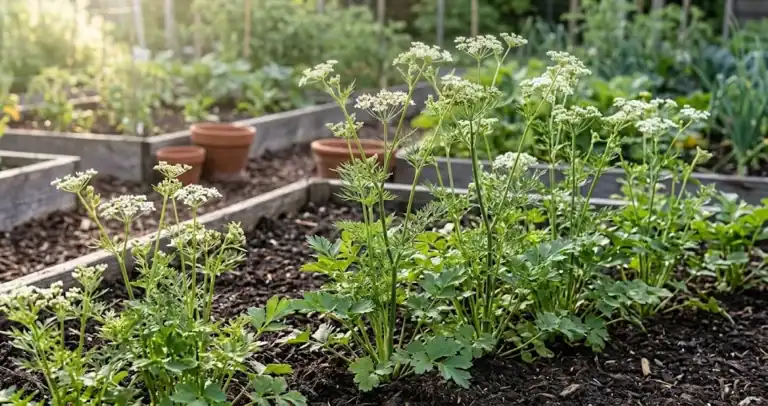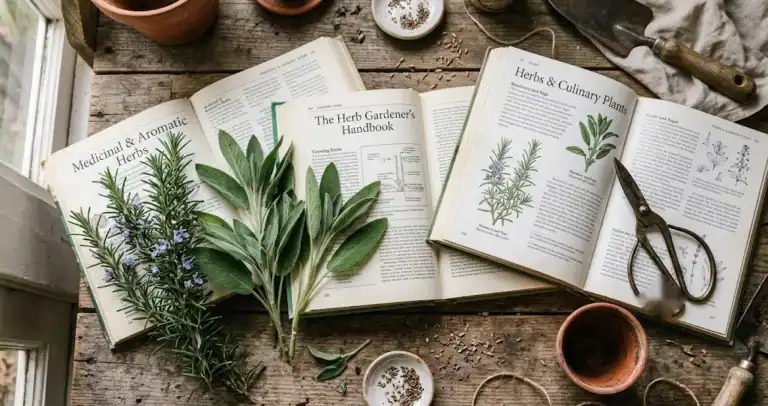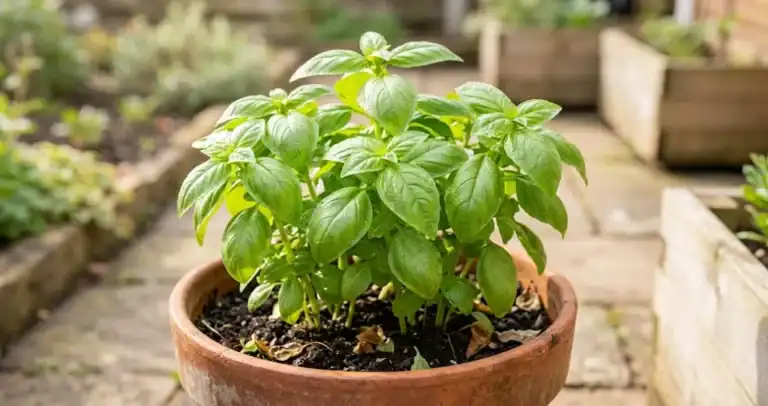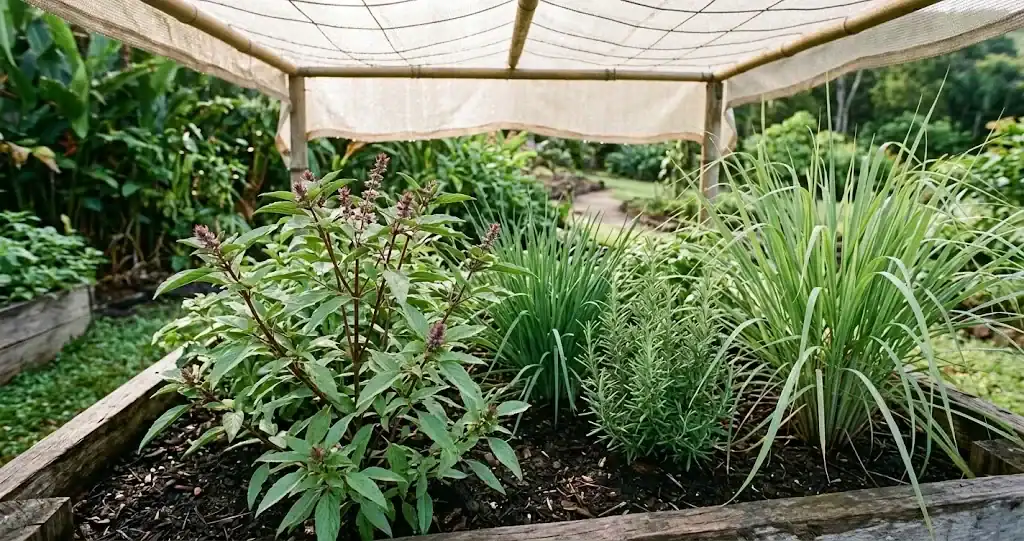
Tropical heat and humidity are not the enemies of an herb bed. They are the conditions most of the world’s favorite culinary plants come from. Lemon grass, chives, garlic chives, cilantro, culantro, mint, sage, and thyme all grow year round in the tropic when you match the plant to the spot and give it sun, well-drained soil, steady moisture, and a regular pinch.
This guide explains what a tropical climate really means for your herbs, which plants earn their place in the heat, and how to set up pots or a garden bed so you keep harvesting fresh leaves through the wet season and the dry season.
Match the herb to your microclimate
Walk your garden at three times of day before you plant. Note where the morning sun falls, where the afternoon shade sits, and which corners stay soggy after a storm. Most tropical herb gardening is about placing the right plant in the right pocket of light and water.
- Full sun: Thai basil, rosemary, sage, lemon grass.
- Morning sun with afternoon shade: cilantro, coriander, parsley, chives, garlic chives, mint, culantro.
- Filtered light: mint, lemon balm, curry leaf, ginger, turmeric.
- Wet feet tolerated: lemon grass, mint, watercress.
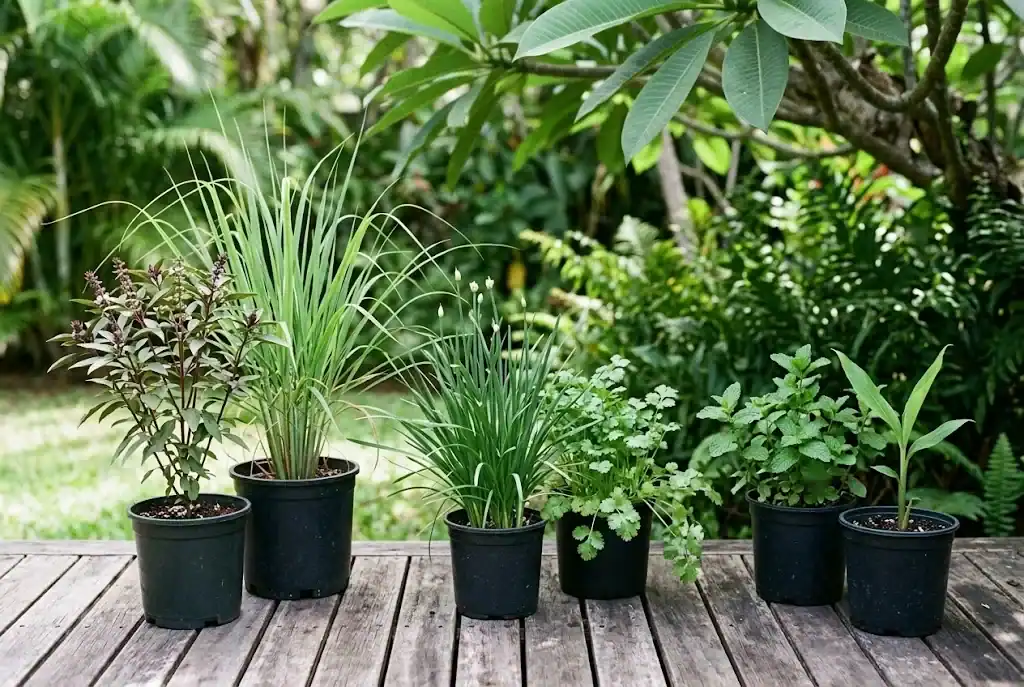
A sheet of shade cloth at 30 to 50 percent works as well as a tree for afternoon shade. For deeper shade questions, see our guide to herbs that grow in shade.
Build soil that drains in the rain
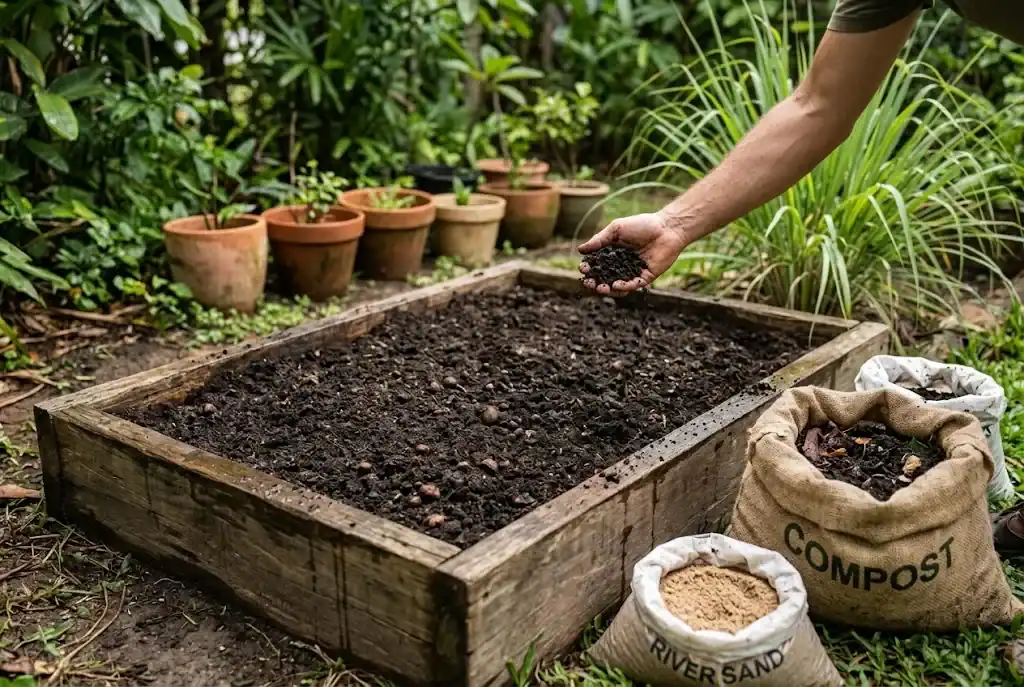
Tropical rain arrives in bursts. Soil that holds water for a day will rot roots in a week. Work two to three inches of compost into the top six inches of any new bed. For pots, blend equal parts garden soil, compost, and coarse sand or perlite.
Raised beds and mounded rows are worth the effort in heavy tropical soils. A bed raised six to eight inches above the surrounding ground sheds water fast and gives Mediterranean herbs the dry root zone they need.
Start with plants, not seed, in the wet season
Skip the seed stage in the wet season. Buy healthy seedlings from a local nursery or root cuttings in a glass of water. Sweet basil, mint, and lemon grass all root in five to ten days. Cuttings establish faster than seed in saturated soil and skip the damping-off problem that kills young seedlings in humid weather.
If you want to grow from seed, wait for the dry season. Sow cilantro, coriander, and chive seed in shallow trays in bright shade, and transplant once the seedlings have four true leaves. For a fuller primer, see how to start an herb garden from scratch.

Watering, feeding, and mulching in the heat
Keep the soil moist, not wet. Stick a finger an inch down. If it feels dry, water deeply. If it feels cool, leave it. In the wet season you may not water at all. In the dry season you will water every two to three days for pots and once a week for in-ground beds.
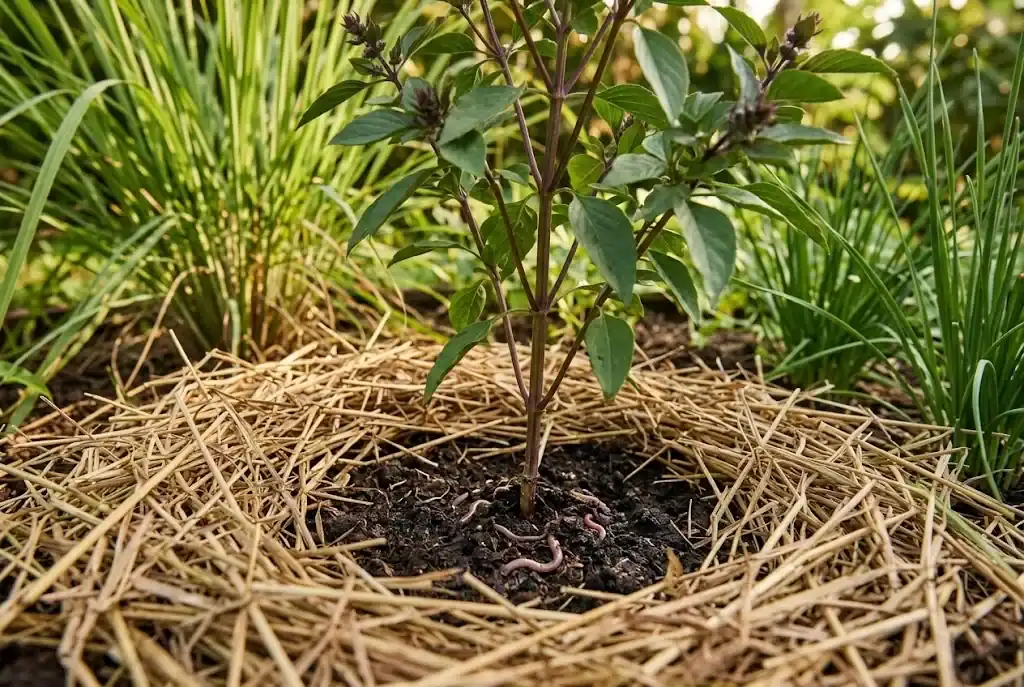
Feed lightly every three to four weeks with a liquid seaweed or compost tea. Heavy nitrogen feeds push soft growth that wilts in midday sun and attracts aphids. A thin mulch of dry grass clippings, sugarcane straw, or chopped leaves keeps the soil cool and stops rain from splashing soil onto the lower leaves.
Pinching and harvesting for steady growth
Regular cutting is the secret to a productive tropical herb patch. Once a plant has six pairs of leaves, pinch off the top pair just above a leaf joint. Two new shoots grow from that joint, and the plant doubles its leaf production within two weeks. The same rule applies to mint, thyme, and culantro.
Harvest in the cool of the morning after the dew has dried. The aromatic oils are strongest then, and the leaves last longer in the kitchen. Never take more than a third of the plant at one time.
Manage pests and diseases in humid conditions
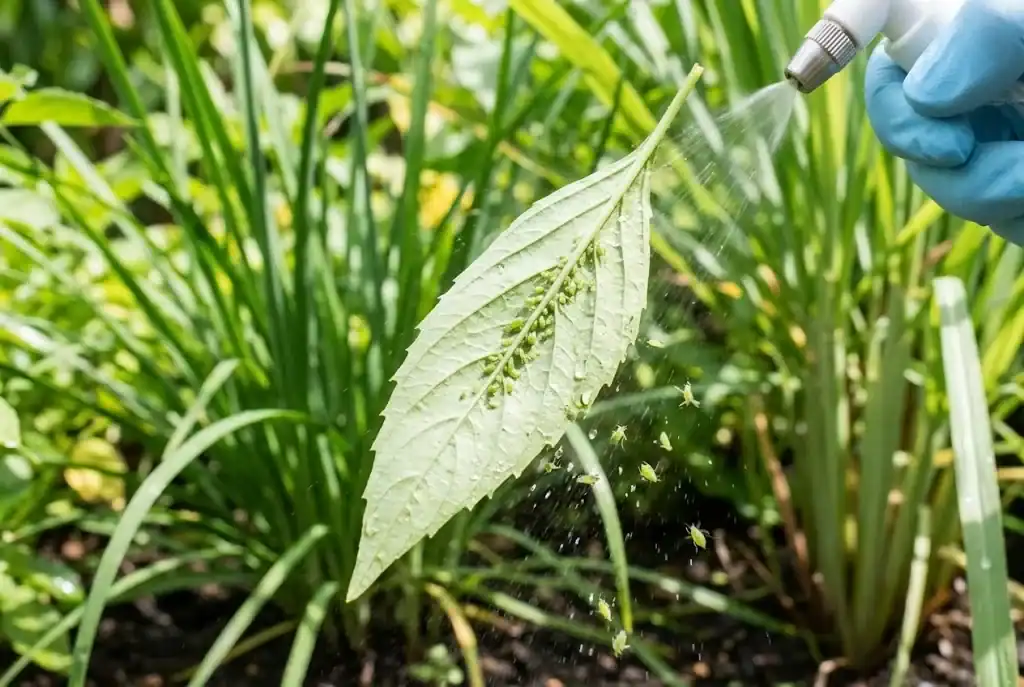
Warm, damp air is heaven for garden pests. The most common problems on tropical herbs are aphids on the leafy basils and mint, leaf miners on chives, whitefly underneath leaves, and fungal leaf spot during the wet season. Healthy plants in the right spot resist most of these. When a pest shows up, work in this order: spray aphids off with a strong jet of water in the morning; pick off caterpillars and damaged leaves by hand; spray a dilute soap solution, one teaspoon of pure liquid soap per liter of water, on soft-bodied insects; trim out any stem with fungal spots and clear fallen leaves from around the base.
Propagate from cuttings to fill empty spots
Cutting is the cheapest way to expand a tropical herb patch. Take a healthy non-flowering stem about four inches long, snip just below a leaf joint, and strip the lower leaves. Stand the stem in a glass of water in bright shade. Roots appear in five to ten days for mint, oregano, and lemongrass. Pot up once the roots are about an inch long.
Season-by-season rhythm
The wet season is the season of abundance. Thai basil, mint, and culantro all peak now. Stake taller herbs so tropical storms do not snap them, and pinch flowers off the moment they appear. The dry season is the season of stronger flavor. Oregano, sage, rosemary, and thyme reach their peak. Water deeply but less often.
In cooler highland tropics, where nights drop below fifteen degrees Celsius, swap in parsley and chives for some of the heat-loving basils.
Quick answers
What are the easiest herbs to grow in the tropics? Thai basil, lemon grass, garlic chives, mint, and oregano. They root easily, grow fast, and tolerate both wet and dry seasons with basic care.
Do herbs need direct sun in the tropics? Most culinary herbs want at least six hours of direct sun. In the tropics, morning sun with light afternoon shade is often better than afternoon sun, which can scorch leaves and stress roots.
Can I grow herbs indoors in the tropics? Yes. A bright kitchen window with three to four hours of direct sun will keep chives, mint, parsley, and small pots of leafy herbs productive. Rotate pots a quarter turn each week so growth stays even.
How do I keep herbs alive through a very wet season? Improve drainage with raised beds, add compost to open up the soil, and pull mulch back from stems. Cut back any soft new growth during heavy rain so the plant puts energy into its roots rather than leaves that will be damaged.
A practical next step
Start with three herbs that match your kitchen this week: basil for pasta and Southeast Asian curries, garlic chives for soups and dumplings, and lemongrass for tea and broth. Once those three are settled in, add oregano, mint, or culantro in the next round. A small, well-tended herb patch in the tropic will keep your kitchen supplied with fresh herbs every week of the year. For a wider look at growing through cooler months, see our guide to growing herbs in winter.