Fresh culinary herbs bring an unmistakable aroma and peppery sweetness to summer cooking, but few wilt or discolor faster than basil if you mishandle the harvest. Unlike sturdy woody sprigs like rosemary or thyme, tender annual greens are exceptionally sensitive to temperature swings. When handled without care, a vibrant bunch can quickly deteriorate into dark, slimy foliage in just a day or two.
Learning how to store basil properly protects natural essential oils, bright green color, and sweet fragrance. Whether you brought home a fresh bundle from the market or clipped stems from vigorous garden basil plants, choosing the right food storage methods makes all the difference. With a few simple tips, you can ensure your herbs stay fresh and fragrant on the kitchen counter, or preserve fresh basil for months in the freezer so no harvest has to go to waste.
Why Fresh Leaves Turn Dark and Wilt in Cold Storage
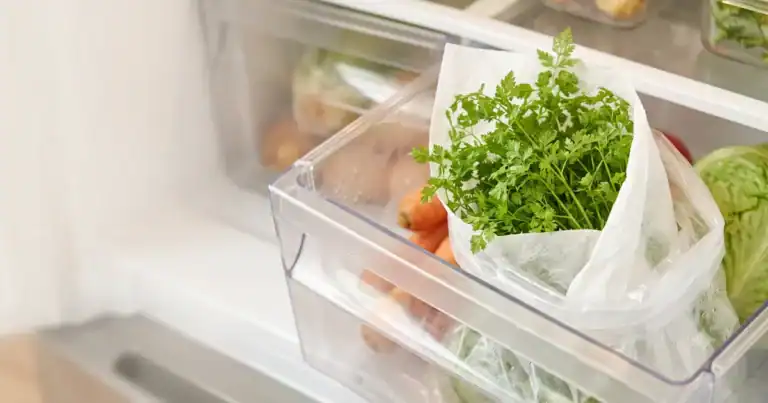
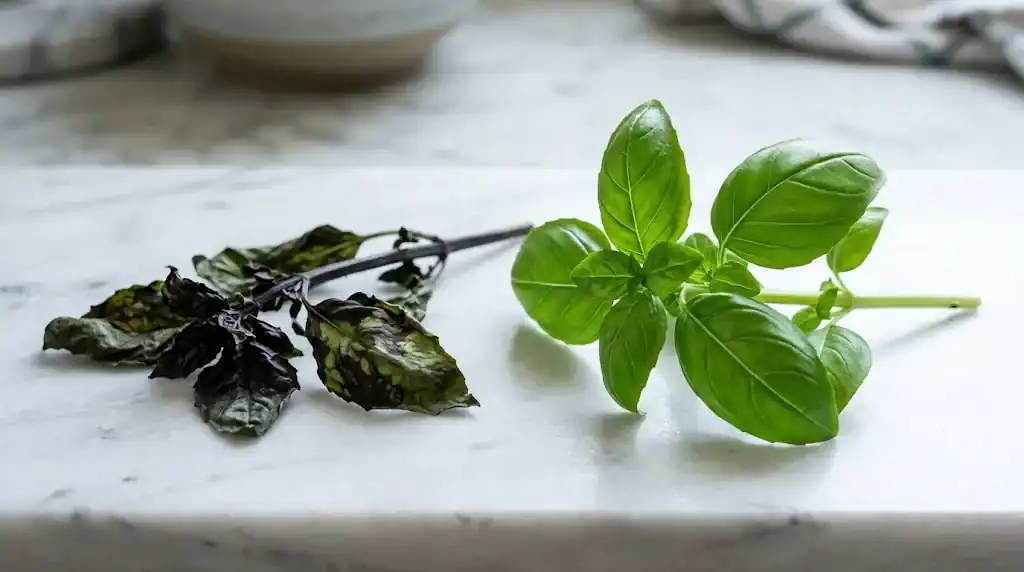
Home cooks often tuck tender herbs like cilantro or parsley into the crisper drawer of the refrigerator. While that chilly environment preserves most leafy crops, putting fresh basil in the fridge quickly ruins it. Basil is a frost-sensitive plant that thrives in summer heat and suffers acute chilling injury whenever temperatures drop below 50 degrees Fahrenheit (10 degrees Celsius).
Standard kitchen refrigerators operate around 35 to 38 degrees Fahrenheit. At these cold levels, the cell walls of delicate foliage rupture. Intracellular enzymes such as polyphenol oxidase react with air, causing the tender leaves and stems to discolor, turn dark, and blacken. According to postharvest handling research from the UC Davis Postharvest Technology Center, chilling injury triggers rapid browning, moisture collapse, and significant loss of volatile flavor compounds.
Excess trapped humidity also causes problems. Condensation pooling against leaves inside a cold plastic bag creates ideal conditions for decay. To keep it fresh, you must balance air circulation, gentle moisture, and proper temperature.
The Countertop Bouquet Method: The Best Way to Store Fresh Basil at Room Temperature
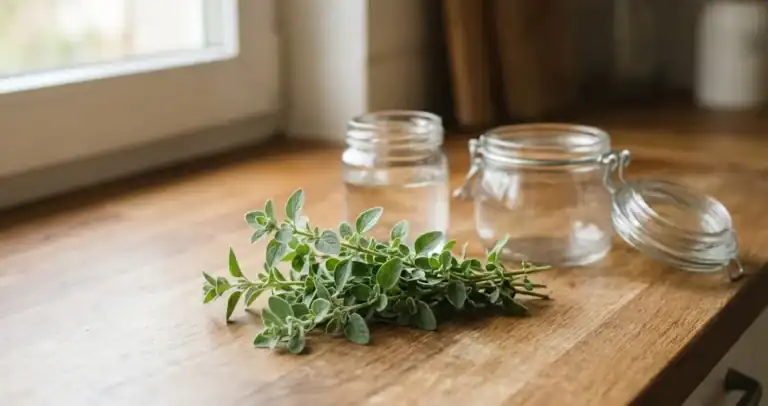
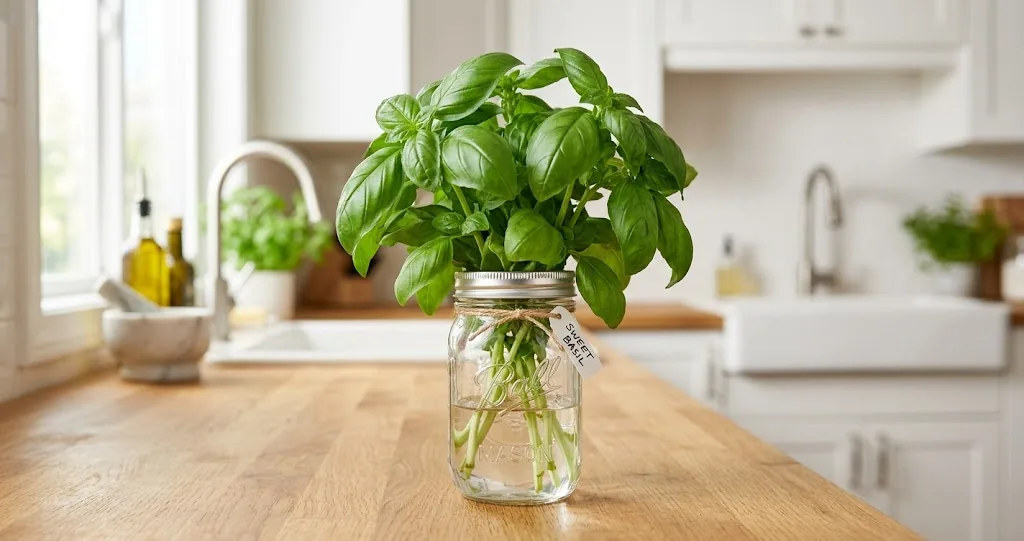
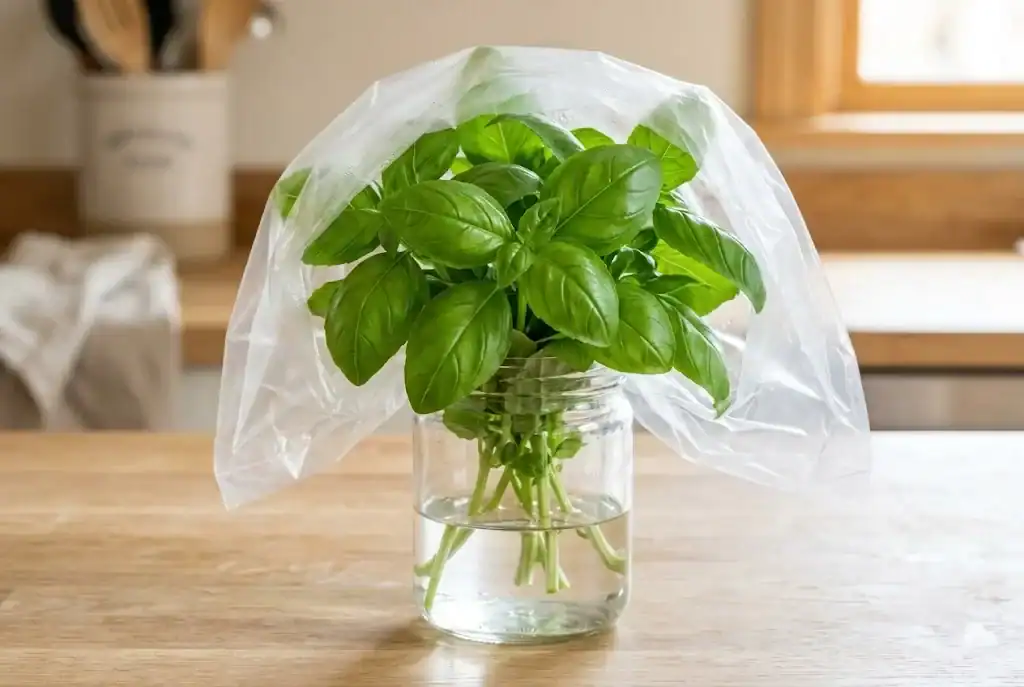
For short-term freshness, keeping stems at room temperature is undeniably the best way to store fresh basil. Treating cut sprigs like flowers in a vase allows the vascular system to draw moisture steadily without exposing sensitive tissues to refrigerator chill. Standing cut herbs in a jar with water on the counter keeps foliage at its freshest, protecting delicate leaves from dehydration while completely avoiding cold damage.
Follow these steps to prepare your countertop bouquet and maintain peak freshness:
- Trim the stem ends: Take your bunch and trim approximately half an inch from the base of the basil stems using sharp kitchen shears or a clean knife. Cutting at an angle refreshes the vascular channels for optimal water uptake.
- Remove lower leaves: Strip any leaves near the base of the cuttings so no foliage remains submerged. Submerged leaves quickly decompose and foul the water with bacteria.
- Place in a jar with an inch of water: Stand the stems stored upright in a clean glass jar with an inch of water or a couple inches of water at the bottom. A wide-mouth pint or quart container provides plenty of room without packing the herbs tightly.
- Cover loosely with a plastic bag: Place a small plastic produce bag loosely over the top to cover the basil foliage. This creates a light humidity tent while maintaining air circulation. Do not tie the bag around the rim; leaving it loosely covered prevents condensation from damaging the foliage.
- Store at room temperature: Keep the jar of basil in an open area with indirect light. While a jar takes a lot of vertical space on a kitchen counter, it protects the sprigs from direct sunlight, hot stove burners, and cold drafts.
- Change the water regularly: To keep stems healthy, change the water every couple of days. A clean snip on the stem ends and changing cloudy water every few days helps preserve peak fresh flavor.
Using this bouquet technique, cut stems stay crisp and hold their fresh flavor significantly longer than dry cuttings. If you harvest from home garden beds, knowing how to harvest basil in the cool morning hours ensures cut stems enter storage fully hydrated and crisp.
How to Store Cut Leaves in the Refrigerator Using Paper Towels
While whole stems belong on the counter, you may need to preserve loose leaves removed from their stems. When countertop space is limited, wrapping individual leaves in absorbent paper liners inside a sealed container is the best method to keep them usable for several days.
Here is how to manage loose leaves in cold storage:
- Wash and dry thoroughly: Rinse whole leaves gently in cool water. Dry thoroughly using a salad spinner, then spread them across a clean kitchen cloth to evaporate lingering moisture.
- Layer inside a container: Place a dry paper towel inside a quart-sized zip-top bag or airtight container. Lay the dry leaves in a single, loose layer over the towel, place a second absorbent sheet over them, and seal. The towel absorbs condensation and prevents the leaves from becoming slimy.
- Select the warmest shelf: Store the container near the front of the top refrigerator shelf or door bin, avoiding cold back walls where temperatures dip lowest.
Refrigerated loose leaves remain in good condition for three to five days. Use them in warm dishes like pasta sauces, soups, and marinades where minor edge discoloration will not affect the final plate.
How to Freeze Basil: Puree, Olive Oil Cubes, and Blanching
When late-summer gardens yield a bountiful harvest, freezing is the most reliable preservation method for long-term storage. While frozen greens lose their crisp raw texture, they retain potent aroma when blended into warm dishes.
Method 1: Freezing Puree in an Ice Cube Tray with Olive Oil
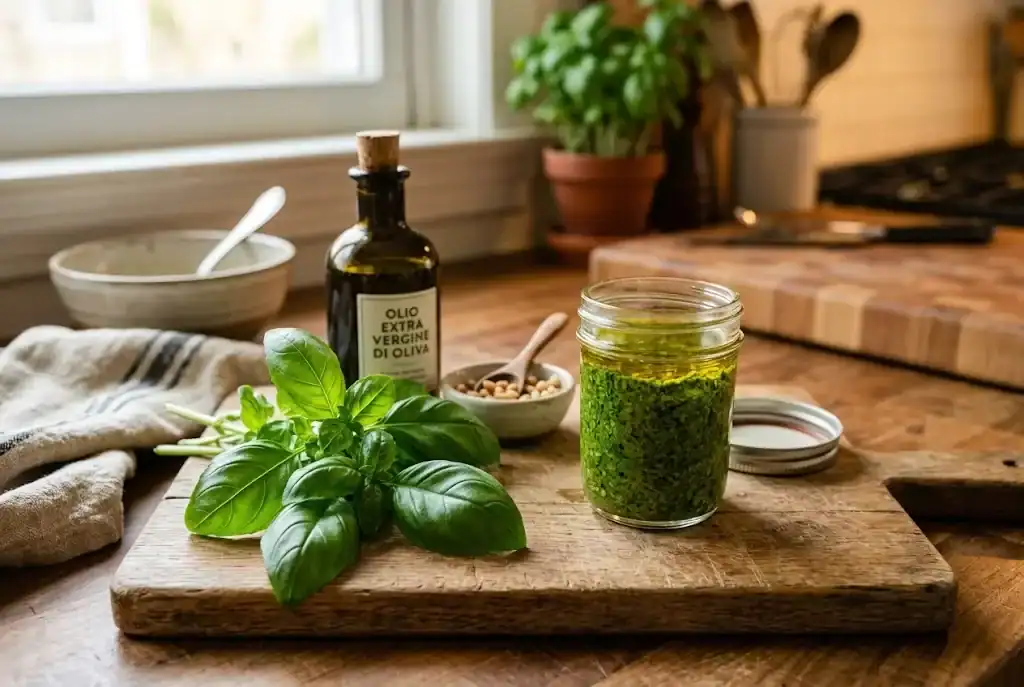
Pureeing chopped leaves with olive oil creates a protective barrier against oxidation, preserving vibrant green color and flavor throughout the winter months:
- Rinse and dry the foliage thoroughly, discarding any damaged or wilted leaves.
- Chop the basil finely by hand, or place leaves into a food processor with olive oil. Use about two tablespoons of oil per cup of packed leaves to create a rich puree, or make pesto directly for freezing.
- Spoon the puree into the compartments of an ice cube tray.
- Freeze until solid, then pop the individual basil cubes out of the tray and transfer them into an airtight freezer bag.
- Label the container with the date. Add cubes directly to hot sauces, stews, or skillet vegetables without needing to thaw first.
Method 2: Blanch and Freeze Whole Leaves
If you wish to preserve whole leaves with their bright green color intact, a quick blanch deactivates browning enzymes before freezing:
- Bring a pot of water to a rolling boil and set up a bowl of ice water beside the stove.
- Immerse the fresh basil leaves in boiling water for three to five seconds.
- Transfer immediately to the ice bath with a slotted spoon to halt the heat.
- Pat the blanched leaves completely dry on clean kitchen towels.
- Spread the whole leaves in a single layer on a parchment-lined baking sheet and freeze for one hour.
- Pack the frozen leaves into a freezer bag, expelling excess air before sealing.
Home growers coordinating multiple garden harvests can consult our general herb harvesting guide to align picking schedules with freezing batches throughout the season.

Drying Methods: Food Dehydrator, Low-Temp Oven, and Air Drying
Drying is a practical method to preserve garden herbs for the pantry. Because high temperatures evaporate delicate aromatic oils, keep drying heat gentle and steady:
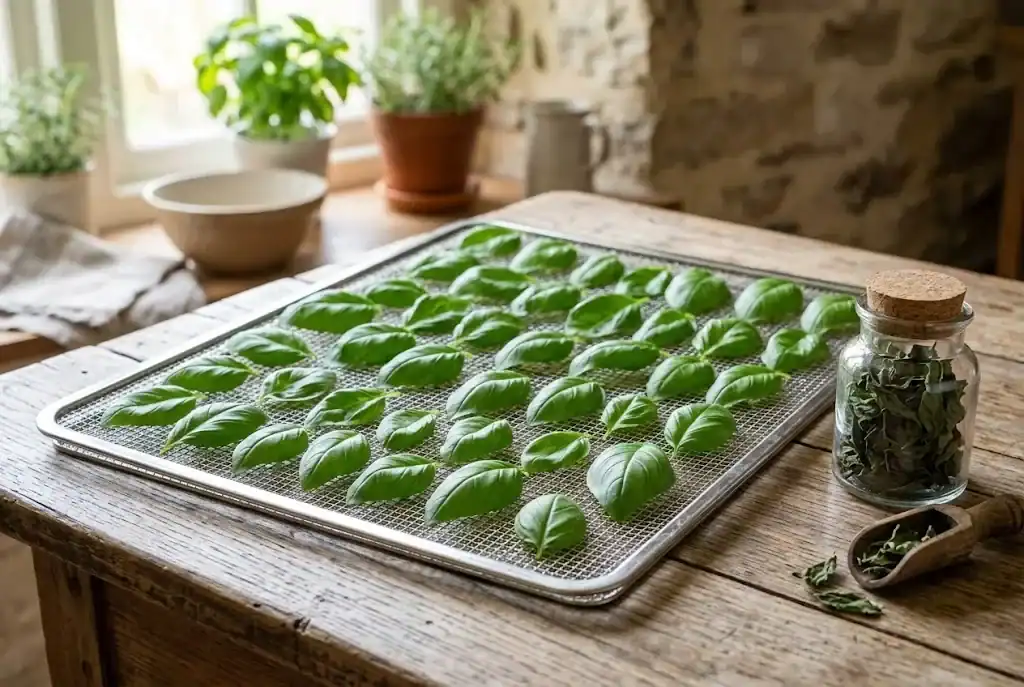
- Food dehydrator: Place clean, dry leaves in a single layer on dehydrator trays. Set the temperature between 95 and 105 degrees Fahrenheit (35 to 40 degrees Celsius). Dry for 4 to 8 hours until leaves crumble crisp between your fingertips.
- Low-temperature oven: Arrange leaves on a parchment-lined sheet. Heat your oven to its lowest setting (150 to 170 degrees Fahrenheit) with the door propped slightly open to release moisture. Check every 20 minutes until crisp.
- Air drying: Gather small bunches of herbs loosely at the stems with string. Hang upside down in a warm, dry room with good air movement. Check daily to ensure moisture does not linger.
Store dried whole leaves in an airtight glass jar in a cool, dark cupboard. Crumble the leaves just before cooking to release their essential oils.
How to Tell When Stored Leaves Have Spoiled
Inspect stored herbs before adding them to recipes. Discard the batch if you notice any of these signs that your produce goes bad:
- Black or dark brown spots: Widespread discoloration indicates cell breakdown from chilling or age.
- Slimy texture: Leaves that feel slippery or soft have begun bacterial decomposition.
- Sour or unpleasant odor: Fresh herbs should smell sweet and herbal. A dull, fermented, or musty smell indicates the leaves have spoiled.
- Cloudy vase water: Stagnant water with mushy stem ends means stems are no longer taking up moisture.
- Mold growth: Discard any herbs showing grey or fuzzy spots immediately.
Ways to Use Stored Herbs in Cooking and Favorite Dishes
Proper storage ensures you always have aromatic seasoning on hand to add flavor to weeknight meals and celebratory dinners:
- Fresh countertop leaves: Perfect for Caprese salads, tomato bruschetta, hand-torn garnishes over hot pasta, and fresh summer drinks.
- Frozen oil cubes: Melt directly into simmering tomato sauces, braised meats, bean stews, or roasted potatoes.
- Dried flakes: Add early during simmering in tomato soups, pizza sauces, and marinades so flavors rehydrate thoroughly.
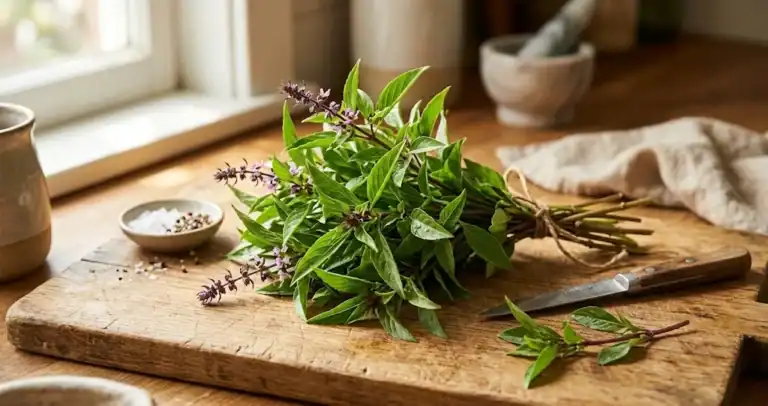
- Varieties: While sweet Italian varieties excel in pasta dishes, pungent varieties like Thai basil add lively depth to curries and stir-fries.
Explore our companion guide to special basil recipes for inspired ways to incorporate your stored herbs into memorable dishes.
Summary of Storage Methods
| Storage Method | Expected Shelf Life | Best Storage Location | Ideal Kitchen Uses |
|---|---|---|---|
| Bouquet in water jar | 1 to 2 weeks | Kitchen countertop (room temp) | Raw salads, garnishes, pesto, fresh pizza |
| Lined airtight container | 3 to 5 days | Warmest spot in refrigerator | Quick weeknight sauces, sauteed vegetables |
| Frozen in olive oil cubes | 4 to 6 months | Freezer (airtight container) | Simmered pasta sauces, soups, braises |
| Blanched & flash frozen | 4 to 6 months | Freezer (airtight bag) | Blended pestos, dips, warm grain bowls |
| Dried whole leaves | 6 to 12 months | Cool, dark pantry cupboard | Herb rubs, marinades, slow-cooked stews |