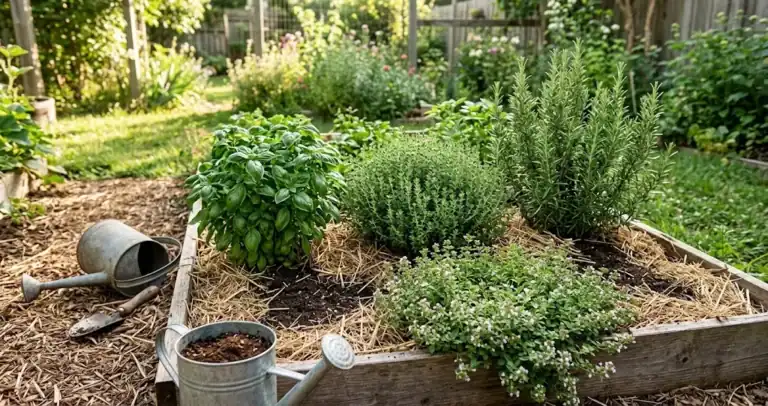
Garden mint brings an unmistakable burst of bright flavor and cooling aroma to summer beverages, garden salads, and savory dishes. Like many tender culinary fresh herbs, however, freshly harvested mint leaves can wilt, turn black, or lose their aromatic oils within days if left on a warm countertop. Knowing how to properly store fresh herbs protects your garden harvest and ensures you always have flavorful mint on hand whenever inspiration strikes in the kitchen.
Mint is a delicate herb with high natural water content in both its leaves and stems. When severed from the plant root system, the cut stems continue to transpire moisture rapidly while remaining sensitive to temperature fluctuations and trapped condensation. Selecting the best way to store mint depends on how soon you plan to use it. By mastering practical methods for storing mint in the refrigerator or freezer, you can keep your mint fresh and vibrant for daily cooking or preserve it for long-term storage across the winter months.
Preparing Mint Leaves for Short and Long-Term Storage
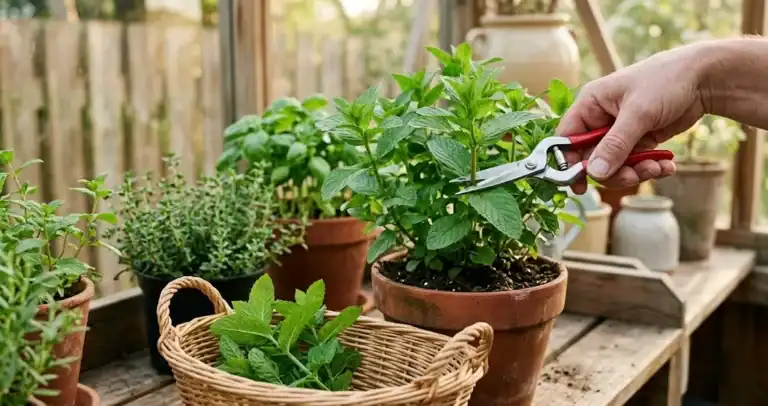
Successful preservation starts with mindful handling immediately after cutting stems from your garden or bringing a fresh bunch home from the grocery store. Reviewing best practices for how to harvest mint will help you gather healthy sprigs in the cool morning hours when essential oil concentrations peak.
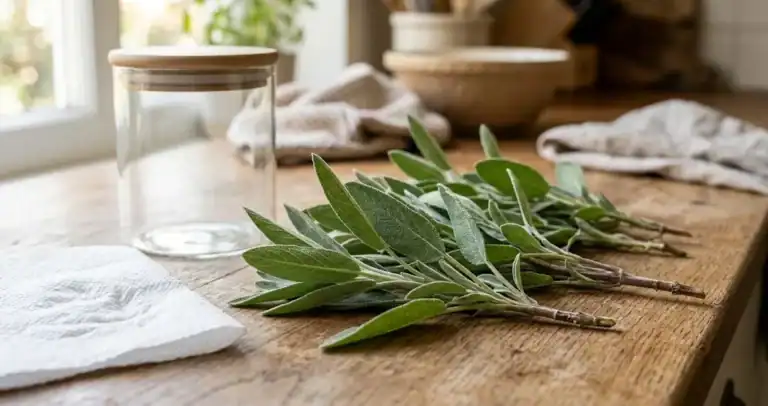
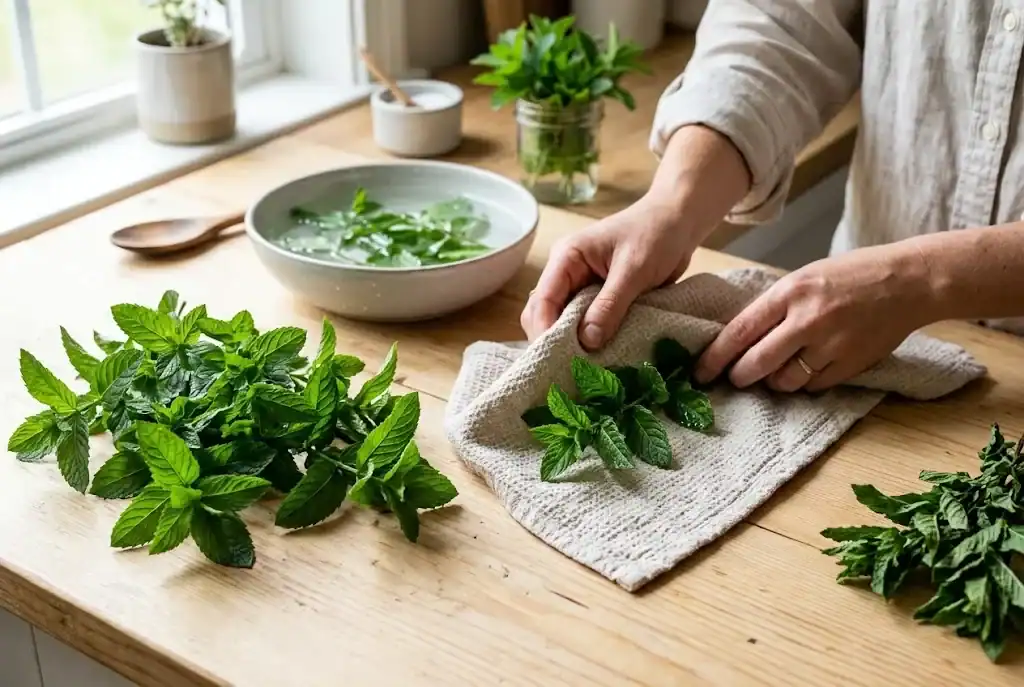
Begin by sorting through the stems. Discard any yellowing, slimy, or bruised foliage, as decaying plant matter releases moisture and gas that cause nearby leaves to deteriorate. Taking time to clean and sort harvested sprigs allows you to keep them fresh throughout their entire storage window. If your mint is clean and dry from an indoor container, you can store it right away. If the stems carry garden soil, submerge them briefly in a bowl of cold water, lift them out gently, and dry the leaves thoroughly using a salad spinner or clean towels. Excess surface moisture is the primary reason fresh mint leaves turn dark and spoil quickly. Unlike warm-weather herbs like basil, which darken from refrigerator chill and store best at room temperature, mint thrives in cool, humid refrigeration when prepared correctly.
Understanding the fundamental principles of techniques for harvesting herbs ensures you handle delicate soft-stemmed varieties differently from woody perennials like rosemary or winter savory.
Storing Mint in the Refrigerator: The Stem-in-Water Method
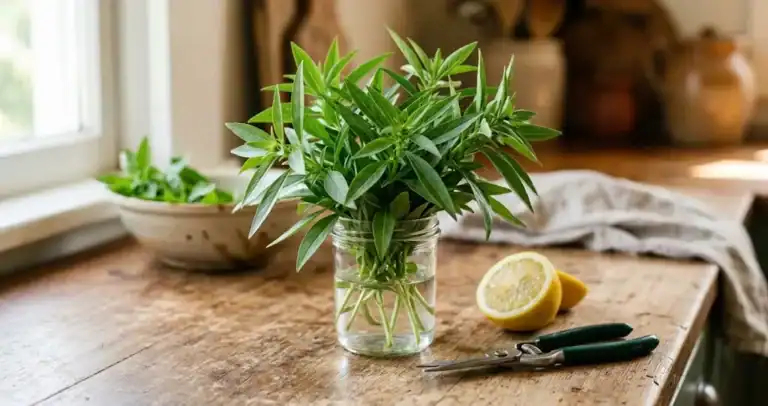
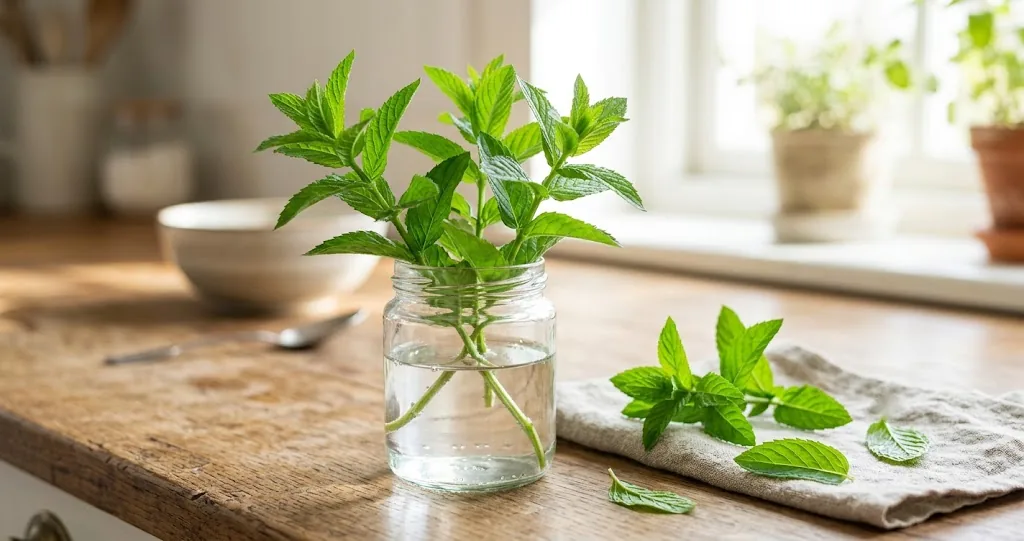
For whole stems, the best method to keep mint fresh for two to three weeks is storing the sprigs upright in a glass of water, treated just like a bouquet of flowers.
To use this water storage technique:
- Take sharp kitchen shears and trim the ends of the stems at a slight angle to expose fresh tissue.
- Strip away any lower leaves so no foliage sits beneath the water line, which prevents bacterial growth and unpleasant odor.
- Place the stems upright in a clean glass, drinking tumbler, or mason jar filled with about 1 inch of clean, cool water at the bottom.
- Cover the leaves loosely with a clean plastic bag or plastic wrap. A loose tent maintains gentle humidity around the foliage while still allowing air to circulate.
- Leave it in the fridge on an interior shelf where the temperature remains steady rather than in the door. Change the water every few days to keep the water in the bottom fresh and clear.
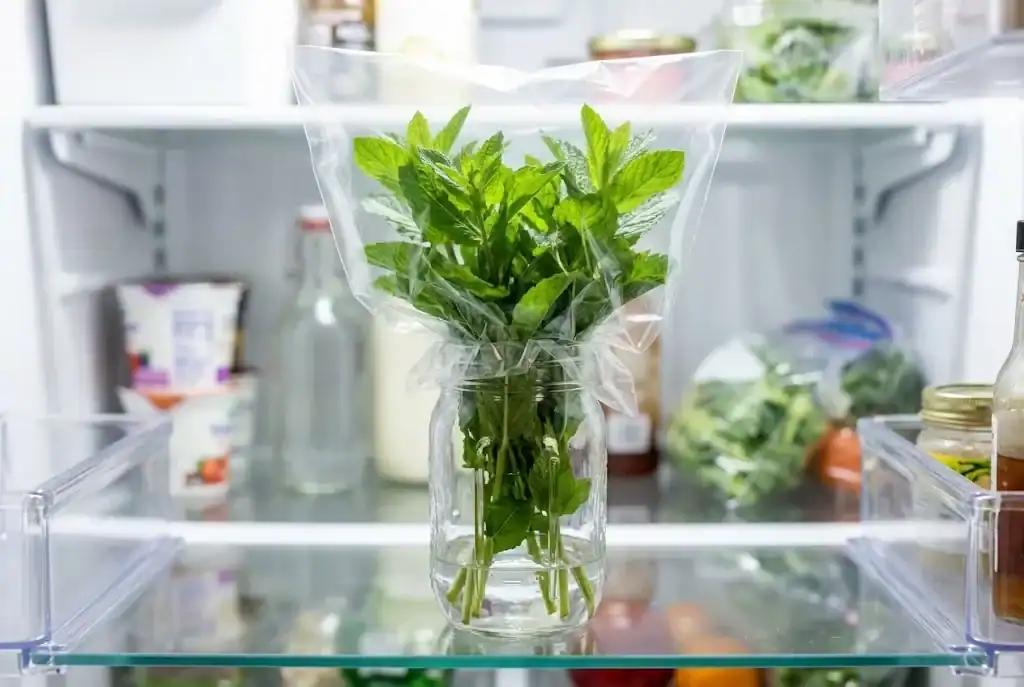
When stored properly using this bouquet approach, fresh mint in the refrigerator will stay fresh, crisp, and fragrant for several weeks, ready to snip into beverages or fruit salads whenever you need mint anytime.
The Paper Towel and Sealed Container Method
If vertical shelf space is tight or you want to store loose, individual leaves, the damp paper towel method is a great option.
Lightly moisten a sheet of paper towel with cool water and wring it out completely so it feels barely damp. Lay clean, dry mint leaves in a single layer across the damp paper, then roll it loosely into a bundle. Place the rolled leaves inside a sealable plastic bag or an airtight container.
This moist wrap provides just enough ambient moisture to prevent the leaves from drying out without making them soggy. Store in a sealed container inside your refrigerator vegetable crisper drawer. This controlled environment protects the delicate herb from dry air currents. Check the container within a few days to pull out any stems that show signs of age, and your stored mint leaves will stay fresh for up to two weeks.

How to Freeze Mint for Long-Term Storage
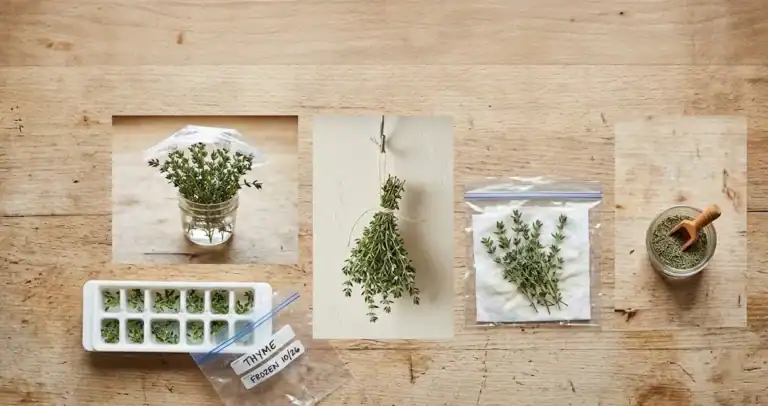
When an abundant garden harvest exceeds what you can use within a few weeks, learning how to freeze mint leaves lets you lock in herbal flavor for three to six months. Freezing is one of the easiest ways to preserve mint without special equipment.
Here are the three best ways to freeze herbs from the mint family:
Flash-Freezing Whole Leaves
Wash and dry the leaves thoroughly. Place the leaves in a single, non-overlapping layer across a parchment-lined baking sheet and place them in the freezer for two hours. Once frozen solid, transfer the loose leaves into a sealable freezer bag, pressing out excess air before sealing. This flash-freeze step prevents leaves from fusing into a block, so you can grab a few leaves whenever a recipe calls for them.
Mint Ice Cubes for Drinks
Chop the mint leaves coarsely and spoon one to two teaspoons into each compartment of an ice cube tray. Fill the wells with filtered water or simple syrup, and freeze until solid. Pop the mint ice cubes out and keep them in an airtight freezer container. Drop these cubes directly into iced tea, lemonade, fruit punch, or a classic cocktail like summertime mojitos.
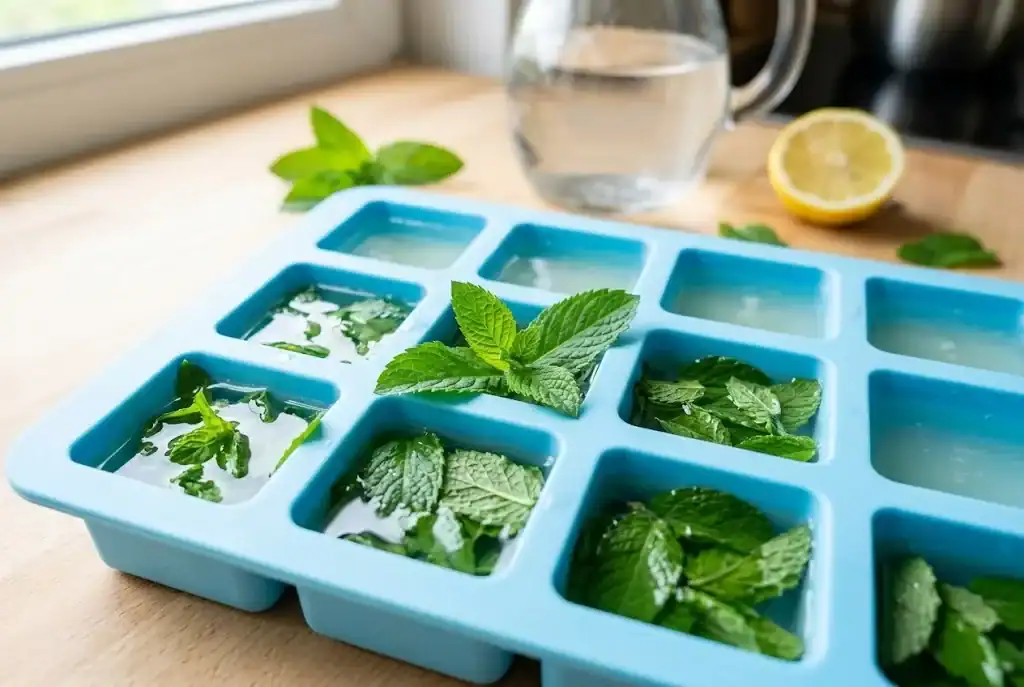
Herb Oil Cubes for Cooking
To preserve mint for hot culinary dishes, use a food processor to pulse fresh leaves with a neutral vegetable oil or mild olive oil. Spoon the aromatic purée into an ice cube tray and freeze. The oil protects the herbal oils from freezer burn and makes it simple to melt a cube into warm sauces or grain dishes.
Drying Mint Leaves for Herbal Tea and Pantry Seasoning
Drying mint leaves is the traditional method for building a long-lasting pantry supply of herbal tea. While dried herbs lose their tender green texture, their natural menthol and essential oils concentrate to deliver robust flavor.
To air-dry mint:
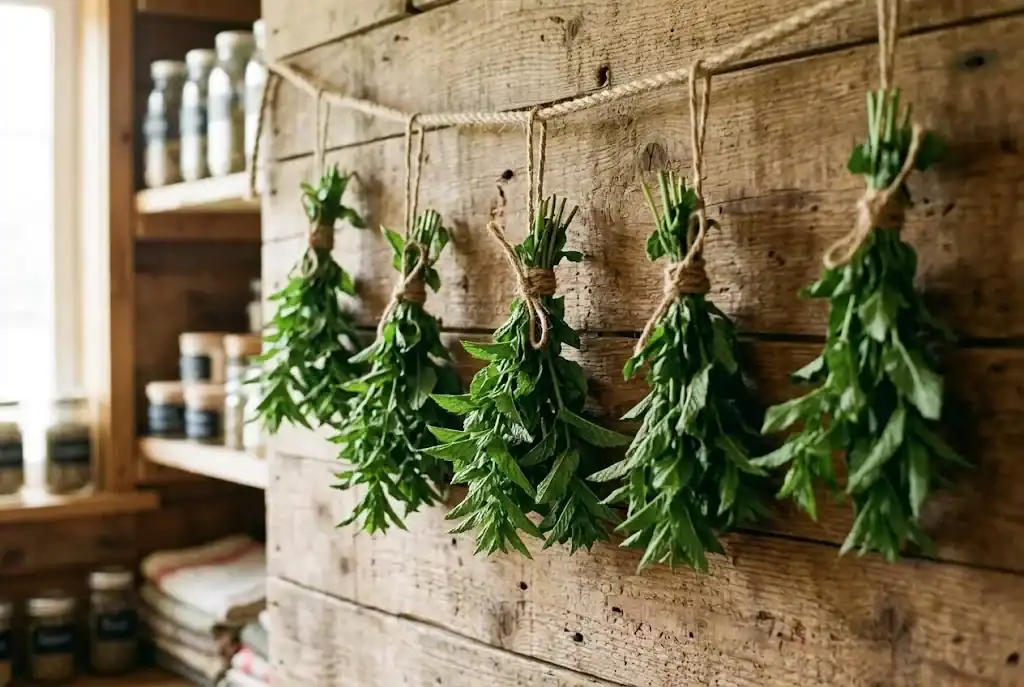
- Gather small bunches of five to seven stems and tie the cut ends together with string.
- Hang the bunches upside down in a warm, dark, well-ventilated room out of direct sunlight.
- Allow the foliage to dry for one to two weeks until the leaves crumble easily between your fingers.
Alternatively, use an electric food dehydrator set between 95°F and 105°F for two to four hours. Once dry, gently strip the leaves and store them whole inside a clean glass jar with a tight-fitting lid. Keeping whole leaves in a cool, dark cupboard protects their volatile oils far better than crushing them before storage.
Practical Ways to Use Stored and Preserved Mint
Knowing the best ways to use your preserved herbs ensures none of your harvest goes to waste:
- Refrigerated leaves: Use whole crisp sprigs as a leafy garnish for iced drinks, muddled into a refreshing watermelon mint salad, or chopped over roasted carrots and lamb chops. If refrigerated stems ever droop, submerge them in an ice water bath for ten minutes to restore their crispness.
- Frozen mint: Use the frozen mint directly in blending smoothies, yogurt dips, or simmering soups without thawing beforehand.
- Culinary recipes: Explore delicious ways to cook with mint to create vibrant pestos, chimichurri, marinades, and Mediterranean grain salads.

With these reliable storage techniques, you can keep your kitchen stocked with aromatic mint throughout the entire year.