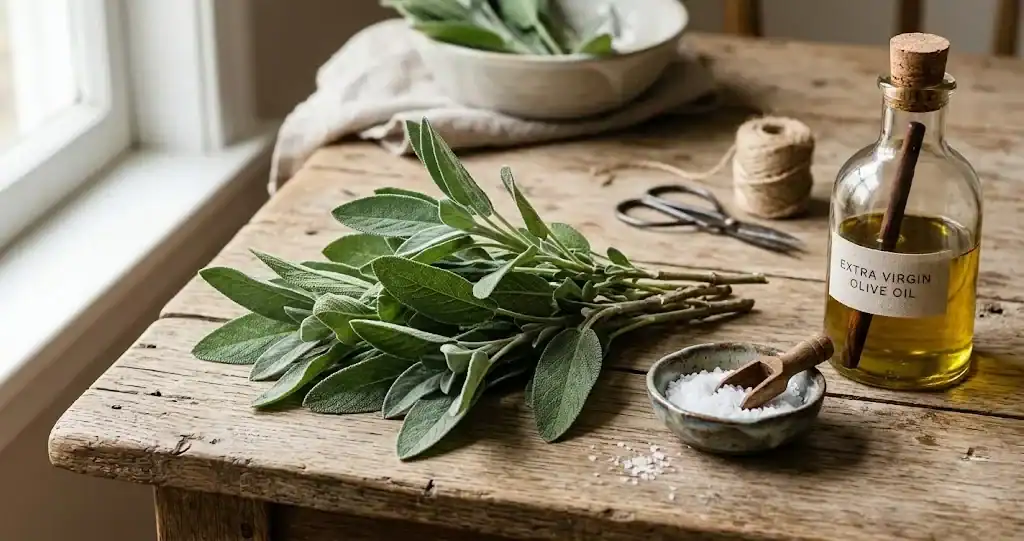
Sage is one of the most reliable culinary staples you can grow. Its velvety, grey-green leaves carry an earthy, pine-and-citrus flavor that brings depth to savory cooking, simple teas, infused vinegars, and homemade kitchen aromatics. A single healthy plant gives you a steady harvest from spring through late autumn.
Common sage, known botanically as Salvia officinalis, is a hardy perennial shrub in the mint family, Lamiaceae. Whether you grow the plant in raised beds or buy fresh sprigs at the market, the herb offers far more than a once-a-year seasoning for holiday poultry stuffing. Here is a practical guide to the best uses for sage across your kitchen, home, and outdoor spaces.
Essential culinary uses for sage in everyday meals
The herb brings robust flavor to rich, savory foods. Because the foliage contains aromatic essential oils that hold up well to heat, you can add it early in cooking without losing its distinct character. A light hand is best: fresh sage leaves have a bold, peppery taste that can easily overpower delicate ingredients.
One classic Italian dish pairs whole sage leaves with butter. Melt unsalted butter in a skillet over medium heat, drop in the leaves, and cook until the butter turns golden brown and the foliage becomes crispy. Toss this fragrant brown butter with pumpkin ravioli, potato gnocchi, or wide pappardelle ribbons, and top with grated Parmesan.

Fried sage also makes an exceptional crunchy garnish. Sauté whole leaves in hot olive oil for 10 to 15 seconds until crisp, drain them on paper towels, and crumble them over butternut squash soup, pork chops, or roasted zucchini. Wrapped with prosciutto around chicken cutlets or veal for saltimbocca, the leaves impart an unmistakable savory aroma.
In slow-cooked meals, add a fresh sprig to braised pork, beef stew, or white bean soup. Minced shallot, garlic, white wine, and finely chopped leaves create a flavorful pan sauce for roasted poultry. For holiday roasts, rub dried sage under the skin of turkey or mix it into bread stuffings alongside thyme, rosemary, and basil.
If you want tested dinner ideas and step-by-step cooking inspiration, browse our favorite savory sage recipe ideas to see how versatile this plant can be.
How to use sage in beverages and simple infusions
Beyond hot meals, fresh herbs can elevate everyday drinks and pantry staples. The earthy leaves pair surprisingly well with citrus, apple, honey, and warming spices.
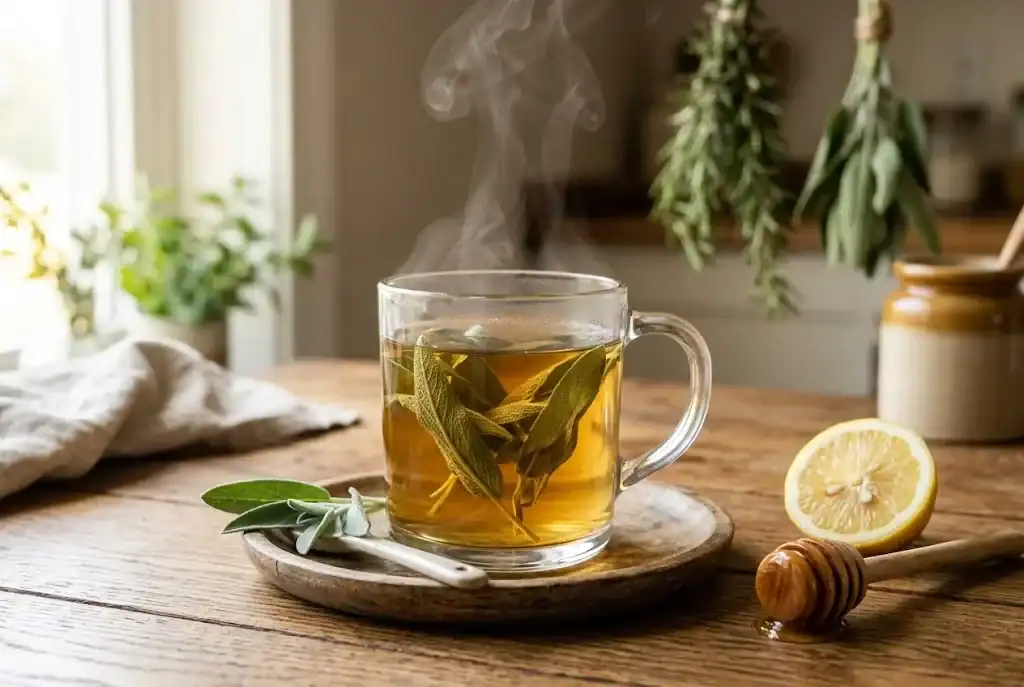
Brewing sage tea is simple and soothing. Place four to five clean leaves or one teaspoon of dried sage in a mug, pour eight ounces of boiling water over them, cover the cup, and steep for five to seven minutes. Strain the liquid, then stir in a teaspoon of raw honey and a slice of lemon. The resulting brew has a clean taste with gentle herbal notes.
For cold drinks, make an aromatic simple syrup by simmering equal parts water and sugar with a handful of bruised leaves and lemon rind for ten minutes. Cool, strain, and store the syrup in the refrigerator for up to two weeks. A splash adds herbal complexity to sparkling water, iced tea, or a craft cocktail made with gin or bourbon.
You can also create herb-infused vinegar by placing clean sprigs in a glass jar with warm apple cider vinegar or white wine vinegar. Let the jar steep in a cool, dark cupboard for two to three weeks, then strain. Use the fragrant vinegar in salad dressings, marinades, or over a sheet pan roast of root vegetables.
Traditional wellness context, antioxidant research, and safety
The botanical genus name comes from the Latin verb salvare, meaning to save or heal. For centuries, traditional herbalists turned to warm infusions as a folk remedy for sore throats, digestive discomfort, and minor mouth irritation. Historical records noted the plant as a valued tonic across Europe and the Mediterranean.
Modern laboratory research shows that common sage contains potent antioxidant compounds, including rosmarinic acid, luteolin, and apigenin. Small clinical studies have explored standardized sage extracts for hot flashes during menopause and preliminary cognitive measures such as focus, but the overall evidence is not strong enough to treat sage as a medical treatment. The National Center for Complementary and Integrative Health (NCCIH) summarizes current research and safety considerations.
Peer-reviewed reviews published through the National Institutes of Health (NIH) document the pharmacological properties and traditional applications of common sage. However, culinary amounts of the seasoning in food or occasional cups of tea differ substantially from concentrated medicinal supplements.
Common culinary sage is safe for healthy adults when consumed in normal food amounts. Concentrated essential oils and high-dose alcoholic tincture preparations contain thujone, a chemical compound that can be toxic in large quantities. Pregnant or breastfeeding women, individuals with seizure disorders, and people managing chronic conditions or taking prescription medications should avoid concentrated supplements and consult a qualified healthcare provider before starting any herbal regimen.
Aromatic and household uses for fresh and dried leaves
The clean, camphoraceous aroma of the foliage makes it a natural choice for freshening indoor spaces. When dried properly, the leaves retain their scent for months.
To make a quick stovetop simmer pot, combine sliced citrus, cinnamon sticks, a sprig of thyme, and a handful of leaves in a small saucepan filled with water. Simmer on low heat, adding water as needed, to fill your kitchen with a welcoming scent that clears cooking odors.
Dried leaves can also be combined with lavender, lemon balm, and dried rose petals to create natural potpourri or drawer sachets. Tuck small cloth bags into dresser drawers, linen closets, or your coat cupboard to add a fresh, calming herbal scent to stored linens and blankets.
Crafters often weave fresh stems into decorative wreaths or tie them into a fragrant bundle with natural twine. Hang a dry bunch in a pantry or kitchen window for rustic charm and easy snips whenever you cook. Note that culinary sage is distinct from California white sage, which is traditionally used in Native ceremonial smudging.
Practical benefits of growing common sage in the garden
Adding a sage plant to your landscape brings ecological benefits alongside culinary harvests. As a drought-tolerant perennial, established bushes thrive in full sun and well-drained soil, requiring minimal water once rooted.
In companion planting, home growers often tuck the perennial near vegetable plots to bring pleasant fragrance and pollinator-friendly blossoms into the space. While traditional garden lore suggests interplanting herbs around crops, sage is not a standalone insect barrier. Gardeners should rely on proven pest-control measures such as physical floating row covers, regular scouting, and crop-specific monitoring rather than counting on foliage scent to protect brassicas.

When the bush blooms in early summer, its purple flower spikes produce abundant nectar. Bees, beneficial predatory insects, and hummingbirds flock to the blossoms, improving overall pollination throughout your outdoor beds.
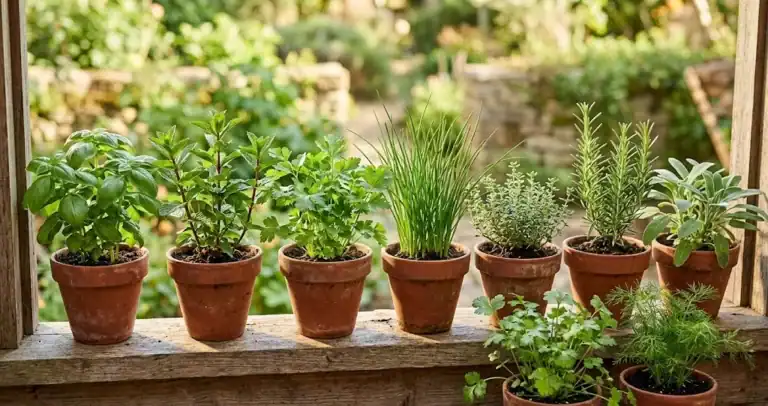
Before designing your beds, explore our overview on what sets each culinary herb apart to plan ideal spacing, sunlight, and moisture pairings across different species.
How to harvest, store, and preserve extra sage
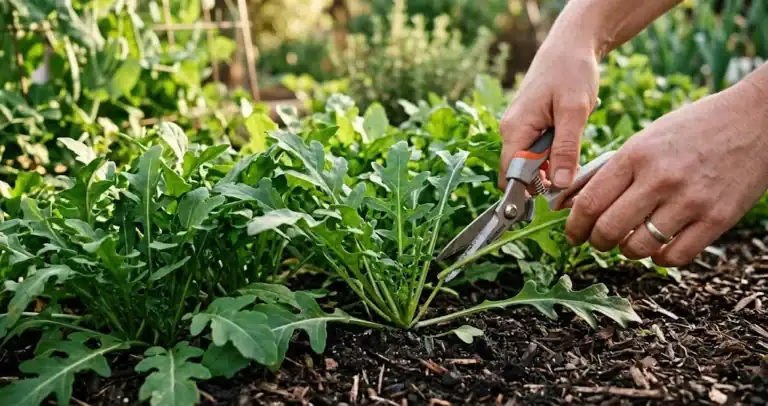
Established plants produce lush growth from late spring through autumn. Snip individual leaves or whole stems in the morning after dew dries but before the hot afternoon sun heats the foliage.
If you plan to expand your patch or establish new beds, read our practical guide on how to grow sage from seeds, cuttings, or potted nursery transplants.
To preserve fresh cuttings for short-term use, wrap unwashed stems in a damp paper towel and store them in an airtight container or produce bag in the refrigerator crisper drawer for up to two weeks.
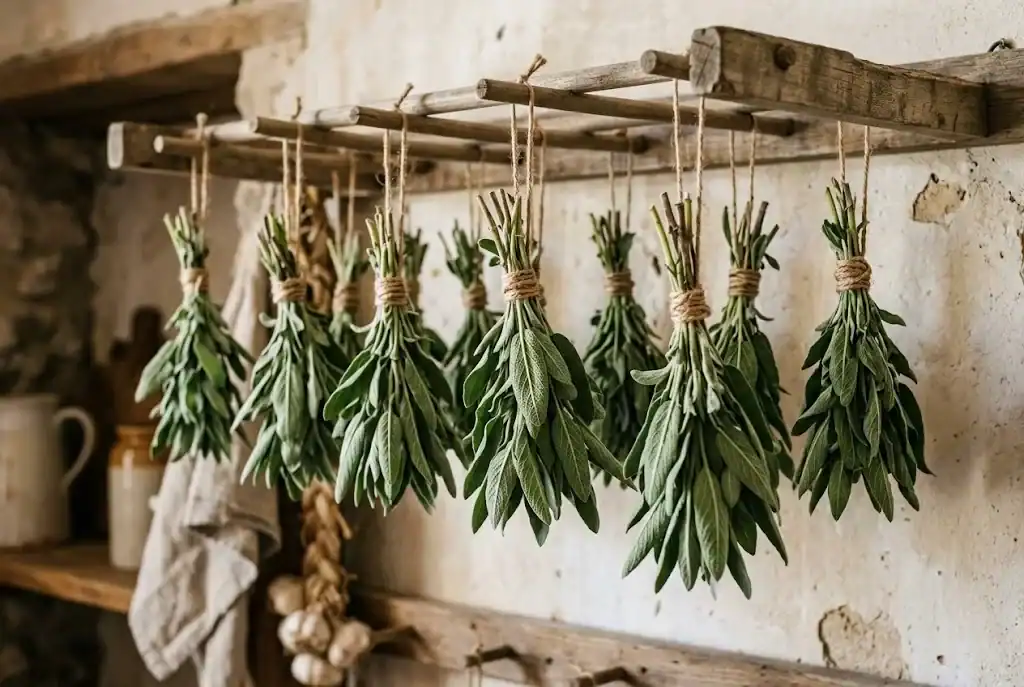
For long-term storage, dry the stems by gathering them into a small bunch, securing them with twine, and hanging the bunch upside down in a warm, dry, well-ventilated area away from direct sunlight. Once the leaves are completely dry and brittle, crumble them gently and store in an airtight glass spice jar.
Another convenient method is freezing. Finely chop the foliage, pack the pieces into ice cube trays, cover with extra virgin olive oil or melted unsalted butter, and freeze. Pop out an herb cube whenever you need an instant flavor base for roasted vegetables, soups, or pan sauces.
Frequently asked questions about uses for sage
Can you eat sage straight off the plant?
Yes, you can eat fresh sage leaves raw directly from the plant. However, raw foliage has a strong, concentrated flavor and a fuzzy texture that some people find intense. If using raw leaves, mince them finely and mix into soft goat cheese, compound butter, or chopped green salads rather than eating large whole leaves.
What is the difference between fresh sage and dried sage?
Dried sage has a more concentrated, slightly more pungent flavor than fresh cuttings. As a general cooking rule, use one teaspoon of rubbed dried sage for every tablespoon of fresh chopped leaves (about seven medium leaves). Add dried sage earlier during simmering so its essential oils have time to rehydrate and soften into the dish.
What is the difference between culinary sage and ornamental varieties?
Culinary sage is Salvia officinalis, grown specifically for its edible foliage and aromatic essential oils. While there are hundreds of ornamental species in the wider genus, they are bred primarily for showy flowers and may lack pleasant flavor or safe culinary documentation. Always use proven culinary varieties for food and drink.